
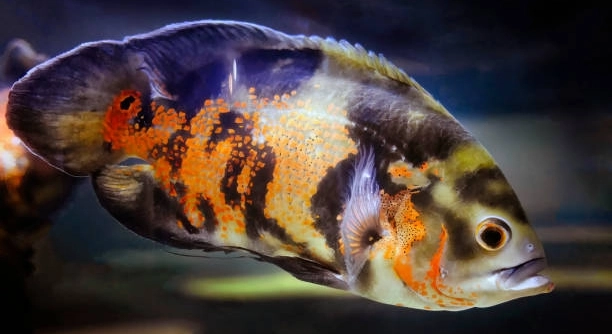
Oscar fish are vibrant, intelligent creatures that require a balanced diet to stay healthy. Proper feeding is key to their well-being, but how do you know if your fish aren’t getting enough food? Understanding the signs can help.
Underfeeding Oscar fish can lead to a variety of symptoms, such as weight loss, lethargy, and a lack of appetite. Inadequate nutrition affects their growth and overall health. A sudden decrease in activity levels or unhealthy fin condition can indicate hunger.
Addressing these signs early is essential for keeping your Oscar fish happy and healthy. Continue reading to learn the seven ways to identify if your fish are not getting the nutrition they need.
1. Noticeable Weight Loss
Oscar fish are usually quite robust, but underfeeding can cause them to lose weight quickly. When they’re not getting enough food, you may see their bodies becoming thinner and their belly areas more pronounced. It’s important to observe their condition regularly. If they aren’t eating enough, this weight loss will often become noticeable after a few days.
It’s worth noting that weight loss in Oscar fish can also signal other health issues, so monitoring their feeding habits closely is important. If you notice this occurring alongside lethargy or other signs, the problem could be a lack of food.
If your fish are showing signs of weight loss, it’s time to reassess their feeding schedule. Overfeeding can cause its own problems, but underfeeding leads to more serious issues. The key is to ensure that you’re providing enough food in each meal, considering the age and size of your fish. You can try offering food at different times of the day to see if they become more active and show interest in feeding. The right balance will keep them healthy and thriving.
2. Lack of Interest in Food
When Oscar fish are underfed, they might lose their appetite completely. This behavior often signals that they’re not getting the energy they need. If your fish are disinterested in food, they’re likely either stressed, ill, or simply not hungry due to a lack of proper nutrition.
Underfed Oscar fish may start avoiding food. In some cases, they might nibble at their meals but not eat as much as they should. This lack of interest is usually noticeable and can be concerning.
It’s important to offer a variety of food types to stimulate their appetite. If they still don’t show interest, consider adjusting the feeding schedule or improving the water conditions. Stress, poor water quality, and inadequate food can all affect their desire to eat. Keep an eye on their health overall, as persistent disinterest in food might require a check-up to rule out other issues.
3. Lethargy and Reduced Activity
When Oscar fish aren’t getting enough food, their energy levels drop. This is often seen as lethargy, where they barely move or swim around. You may notice them spending more time at the bottom of the tank or in one corner. This lack of activity is a sign they don’t have the energy they need.
If your Oscar fish are becoming sluggish, it could be an indication that they’re underfed. They might float in place, barely reacting to their environment or the presence of food. This behavior can also signal that their body is not receiving proper fuel.
A healthy Oscar fish is active and curious, but underfed ones will stay inactive. If their behavior seems off and their activity level is unusually low, try feeding them more frequent meals with a balanced diet. Monitor their movement and ensure they get enough energy to stay active. If their lethargy continues, it’s time to re-evaluate their nutrition or water quality.
4. Poor Fin Condition
Oscar fish with poor fin condition may indicate a nutritional imbalance, often due to underfeeding. When they lack proper nutrition, their fins can appear ragged, torn, or frayed. Healthy fins should look smooth and full, but underfed fish may have damaged or weakened fins.
A lack of essential nutrients can slow down the healing process in Oscar fish. If they’ve had an injury or fin damage, the lack of food will make it harder for them to recover. This issue can worsen over time, affecting the overall appearance and health of your fish.
Poor fin condition isn’t just about aesthetics—it also impacts the fish’s ability to swim efficiently. As the fins weaken, they may struggle to move properly in the water. Make sure your Oscar fish receive a nutritious, varied diet to keep their fins strong and their swimming patterns smooth. Regular feeding ensures they get the nutrients needed for healthy fins.
5. Hiding or Staying in One Spot
Oscar fish that are underfed might spend more time hiding or staying in one spot rather than swimming around the tank. This is often a result of feeling weak from not having enough energy. They may retreat to a corner or a dark area of the tank.
When fish start to hide frequently, it’s usually because they are stressed or not feeling well. Underfed fish are more likely to isolate themselves, and this behavior can signal that they are physically exhausted and lacking the strength to interact with their environment.
If your Oscar fish are frequently hiding or staying still for long periods, it could be due to underfeeding or inadequate water conditions. Regular feeding can help reverse this behavior by giving them the energy they need to feel more active and confident in their environment.
6. Slow Growth
Underfed Oscar fish won’t grow as quickly or as healthily as they should. If they’re not getting the right nutrients, their growth rate will be slower than expected. This is especially noticeable if you have a young Oscar fish that should be growing at a steady pace.
The lack of proper food can stunt their development. Without enough food, they can also have a weakened immune system, making them more prone to diseases. This can delay growth and make the fish appear smaller than they should be at their age.
If your Oscar fish aren’t growing as expected, try offering larger meals or increasing the frequency of their feedings. Providing a varied diet rich in protein can help boost their growth and overall health. A well-fed Oscar will grow steadily and become more vibrant in color.
7. Frequent Scratching or Rubbing Against Objects
Underfed Oscar fish may start rubbing or scratching themselves against objects in the tank. This behavior can happen when they feel uncomfortable, either from hunger or from feeling weak. They may rub against tank decorations in an attempt to alleviate discomfort.
This can be linked to both a lack of energy and an inability to maintain proper health when not fed enough. When fish don’t have enough food, they can become more vulnerable to skin issues and parasites, which may cause them to scratch themselves more often.
If you notice your Oscar fish rubbing against objects, it’s important to reassess both their diet and the tank conditions. Providing more food might help them feel stronger and reduce this behavior. Proper nutrition can prevent further complications like skin damage or stress.
FAQ
How often should I feed my Oscar fish?
Oscar fish should typically be fed once or twice a day, depending on their age and size. Young Oscar fish need more food and should be fed twice daily, while adult Oscars can usually manage with one meal per day. It’s important to provide them with enough food, but not overfeed, as this can cause health issues. Make sure to monitor the food intake to ensure they’re eating properly.
What is the best food for an Oscar fish?
Oscar fish thrive on a diet rich in protein. High-quality pellets or sticks specifically designed for carnivorous fish are a great option. You can also offer live or frozen food such as shrimp, worms, and small fish. Additionally, incorporating occasional vegetables like spinach or peas can offer variety and provide important nutrients.
Can I overfeed my Oscar fish?
Yes, overfeeding is a common issue. When an Oscar fish is fed too much, it can lead to obesity, poor water quality, and stress on their digestive system. Overfeeding can also cause the fish to become sluggish and contribute to health problems. It’s important to only provide enough food that they can consume in 3-5 minutes, and adjust the amount as needed.
What signs should I look for if my Oscar is underfed?
Signs of underfeeding include weight loss, lethargy, disinterest in food, poor fin condition, and frequent hiding. Oscar fish that are not fed properly may also experience slower growth, damaged fins, and overall weakened immune systems. If you notice these symptoms, it’s crucial to adjust their feeding routine and ensure they’re getting a balanced diet.
How can I ensure my Oscar fish is getting enough nutrients?
To ensure your Oscar fish is well-nourished, provide a varied diet that includes both dry and wet food options. Use high-quality pellets as a base, and supplement with frozen or live food for variety. Make sure to feed them the appropriate amount for their size and age. Additionally, monitor their health closely and adjust their food intake based on any visible changes in their condition.
Can Oscar fish survive on just pellets?
While Oscar fish can survive on pellets alone, it’s better to offer them a diverse diet to meet all of their nutritional needs. Pellets should make up the majority of their diet, but adding variety through frozen or live food can help ensure they get enough protein and vitamins. Occasional vegetables will also provide fiber and aid digestion.
How do I know if my Oscar fish is getting enough protein?
Oscar fish are carnivores, so they require a high-protein diet. Signs that they are getting enough protein include healthy growth, vibrant color, active behavior, and a strong immune system. If your Oscar fish are growing well, staying active, and showing healthy physical traits, then they are likely getting the protein they need.
Why is my Oscar fish not eating?
If your Oscar fish isn’t eating, it could be due to several factors, including stress, poor water conditions, or illness. If they refuse food consistently, consider checking the water quality, ensuring it’s within the correct parameters. It could also be a sign that they are underfed, sick, or dealing with an environmental change that’s causing them to stop eating.
How can I improve the feeding routine for my Oscar fish?
Improving your feeding routine starts with offering a balanced, nutritious diet that’s suited to your Oscar’s needs. Try feeding them at the same times each day and remove uneaten food to avoid polluting the water. You can also offer different types of food to keep them engaged and ensure they get all the necessary nutrients.
How much food should I give my Oscar fish each day?
The amount of food you give your Oscar depends on its size and age. A good rule of thumb is to provide an amount of food that they can eat within 3-5 minutes. For adult Oscars, this may be one or two handfuls of pellets per day. For younger fish, more food is required to support their growth. Always monitor their body condition to ensure you’re feeding the right amount.
Is it okay to feed my Oscar fish live food?
Yes, live food is a great option for your Oscar fish as it provides stimulation and natural nutrition. Offer live shrimp, worms, or smaller fish, but be cautious about sourcing it from clean, safe environments to avoid introducing diseases. Live food should be used in moderation alongside a balanced diet.
Why is my Oscar fish swimming at the bottom of the tank?
If your Oscar fish is swimming at the bottom of the tank, it may be a sign of underfeeding or stress. Oscars are naturally active swimmers, and a lack of energy from insufficient food can cause them to stay near the bottom or become lethargic. Check their diet and feeding habits to ensure they’re getting enough nutrition.
What should I do if my Oscar fish loses its appetite?
If your Oscar fish loses its appetite, first check the water conditions to make sure they’re optimal. Poor water quality can lead to loss of appetite. You should also monitor for signs of illness or stress. If the issue persists, adjust their feeding routine, and consider consulting a vet for further guidance.
Can I feed my Oscar fish vegetables?
Yes, while Oscar fish are primarily carnivorous, they can benefit from occasional vegetable offerings. Vegetables like peas, spinach, and zucchini can provide fiber that helps with digestion. These should be offered in small amounts as a supplement to their protein-rich diet, not as the main food source.
How do I deal with overfeeding my Oscar fish?
If you’ve overfed your Oscar fish, it’s important to reduce the food amount gradually to avoid sudden changes in their diet. Overfeeding can lead to poor water quality and stress, so try to stick to a regular feeding schedule and remove any uneaten food after feeding. Regular water changes will also help maintain a healthy tank environment.
Final Thoughts
Oscar fish are beautiful and intelligent creatures that require proper care and attention, especially when it comes to feeding. If they are not being fed enough, it can lead to a range of health issues. Weight loss, lethargy, and poor fin condition are some of the key signs that your Oscar fish may not be getting enough food. These signs should not be ignored, as underfeeding can cause long-term harm to their health. By paying close attention to their behavior and physical appearance, you can catch these problems early and take action to ensure they are getting the nutrition they need.
Maintaining a balanced feeding schedule is important for the well-being of your Oscar fish. They need a diet rich in protein, and providing a variety of food will help them stay healthy. Pellets designed for carnivorous fish can form the basis of their diet, but supplementing with live or frozen food will add variety and important nutrients. It’s also a good idea to include occasional vegetables to support digestion. Regularly monitor their appetite and adjust their food portions based on their size and age. Overfeeding can be just as harmful as underfeeding, so it’s important to find the right balance.
Lastly, if you notice any unusual behavior in your Oscar fish, such as hiding more than usual or refusing to eat, it’s important to investigate further. These changes can be a sign of underfeeding, stress, or poor water quality. The health of your fish depends on consistent care, a balanced diet, and a suitable environment. By being proactive and observant, you can ensure that your Oscar fish live a long, healthy life. Proper feeding habits not only support their physical health but also contribute to their overall happiness and energy levels.

Hello,
If you enjoy the content that we create, please consider saying a "Thank You!" by leaving a tip.
Every little bit helps us continue crafting quality advice that supports the health, happiness, and well-being of pets around the world, for pets of all shapes, sizes, and species.
We really appreciate the kindness and support that you show us!