
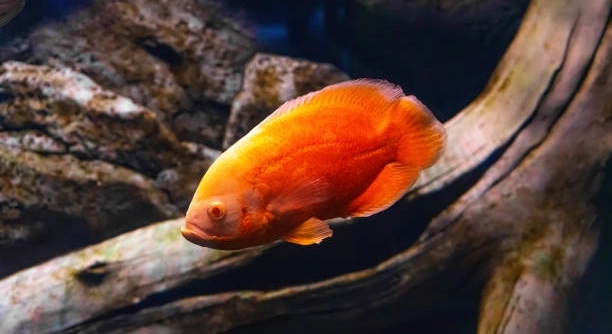
Oscar fish are known for their striking appearance and curious nature. These fish make a popular choice among aquarium enthusiasts. However, certain situations, like a tank leak, can pose a serious challenge to their health and well-being.
Oscar fish cannot survive a tank leak for long due to the loss of water and drastic changes in the environment. Without proper water levels and stability, they will experience stress, which can lead to health complications or even death.
Understanding the consequences of a tank leak is important for any Oscar fish owner. Taking action quickly can ensure your fish’s safety and the longevity of your aquarium setup.
The Importance of a Stable Tank Environment
Oscar fish thrive in stable environments with consistent water levels. When a tank leaks, water levels drop, and the balance of the tank can quickly change. These fish are sensitive to fluctuations in their habitat, which can lead to stress. If the leak isn’t addressed, the fish’s health will deteriorate rapidly, potentially causing serious harm.
The absence of clean, stable water is a major issue. Without proper filtration, the water quality will also degrade, making the environment even more harmful.
Water temperature, pH, and oxygen levels can all shift when a tank leaks. For Oscar fish, maintaining these levels is critical for their survival. With a tank leak, the fish may not receive the oxygen they need, or the water may become too warm or cold. These changes can lead to symptoms like gasping for air, lethargy, or skin discoloration. The longer the leak goes unnoticed, the more likely the fish will suffer long-term damage. Quick action is essential for preventing these negative effects.
How to Prevent Tank Leaks
Checking your tank regularly can prevent leaks from going unnoticed. Small issues, like cracks or loose seals, should be addressed immediately.
Tank leaks may seem small at first, but even minor issues can cause major problems over time. Regularly inspecting your tank for cracks or weak spots is an easy way to catch issues early. Additionally, ensure the seals around the edges are intact. If your tank does develop a leak, promptly replacing the water and fixing the issue can prevent your fish from experiencing harm. Taking proactive steps can avoid the stress of a major problem later on.
Immediate Steps to Take When a Leak Happens
As soon as you notice a leak, act quickly. Remove the fish from the tank and place them in a temporary holding container with clean water. This will help prevent further stress or injury.
The leak will need to be fixed immediately, but during this time, the fish’s safety is the priority. Once you have them in a safe, clean container, check the water quality. Ensure it’s at the right temperature and contains the necessary oxygen levels. Monitoring the situation closely will help you spot any health issues early. If the leak is severe, consider setting up a temporary tank to keep the fish safe until repairs are complete.
While fixing the leak, be mindful of the water levels. Maintaining a steady temperature in the holding container can be difficult, especially if the leak causes a drastic temperature drop. Use a water heater or aerator to help stabilize conditions. Once repairs are done, gradually return the fish to the tank, ensuring it has fully recovered and is safe for their return.
Repairing the Leak
Address the leak with the appropriate materials. Use silicone sealant for glass tanks or specialized aquarium epoxy for plastic tanks.
After identifying the leak, repairing it promptly is essential. If the leak is small and near a seal, silicone aquarium sealant can be applied to reinforce the area. For larger cracks or holes, epoxy designed for aquatic environments can be used. Be sure to clean the area around the leak before applying the repair materials. Allow the sealant or epoxy to dry thoroughly, following manufacturer instructions. Test the tank by filling it with water (without fish) to ensure it holds. Only return the fish once you’re sure the leak is completely fixed and the tank is stable.
Monitoring Fish Health After the Leak
Once the leak is fixed, closely monitor the health of your Oscar fish. Stress from the leak can lead to a weakened immune system, so watch for signs of illness.
Symptoms like faded colors, abnormal swimming, or loss of appetite are red flags. These signs indicate that the fish may still be recovering from the stress caused by the leak. Keep the water quality optimal to reduce any further strain on their health. Regularly check temperature, oxygen levels, and pH to ensure the tank is in a stable condition.
Water Quality and Filtration
Ensure the filtration system is working properly after fixing the leak. Poor filtration will quickly lead to poor water quality, which can harm your fish.
After repairs, it’s crucial to test and adjust the water quality. If the filtration system isn’t functioning as it should, contaminants can build up quickly. Test for ammonia, nitrites, and nitrates, and adjust filtration settings accordingly. This will ensure a healthy environment for your Oscar fish, reducing stress and helping them recover from the leak. Proper filtration is a key factor in maintaining the fish’s health over time.
Preventing Future Leaks
Prevent future leaks by regularly inspecting your tank for signs of wear and tear. Keep an eye on seals, cracks, and the overall structure.
Periodic maintenance is vital to ensure your tank remains in good condition. Regularly inspect seals, check for cracks, and clean your tank to avoid future problems. Proper tank placement is also essential, as placing it in a stable location can help prevent damage. Keeping the tank in optimal condition will protect both your fish and your investment.
FAQ
Can an Oscar fish survive in a tank with low water levels after a leak?
Oscar fish need stable water levels to stay healthy. When the water level drops due to a leak, the fish experience stress. This can lead to a weakened immune system, making them more susceptible to diseases. They also rely on the proper oxygen levels and temperature, which can be disrupted when water levels fall too much. Short-term exposure to lower water levels might not cause immediate harm if the fish is removed quickly, but prolonged exposure will significantly affect their health.
How quickly should I fix a tank leak for my Oscar fish’s safety?
Fixing a tank leak should be done immediately. The longer the leak continues, the greater the risk to your fish. Water loss and changes in water quality can quickly lead to stress and possible harm to your Oscar fish. As soon as you notice a leak, remove your fish from the tank and place them in a safe holding container. This will minimize their stress and prevent any damage to their health while you repair the leak. After fixing it, ensure the water quality and temperature are suitable before returning the fish to the tank.
What happens if I don’t fix a leak in my tank quickly enough?
If a tank leak isn’t fixed quickly, your Oscar fish could suffer from stress, which can cause them to become sick or even die. Water loss will affect the temperature and oxygen levels, which are essential for the fish’s survival. As the water quality degrades, the fish will be exposed to harmful bacteria or toxins, leading to potential illness. If left unchecked, the tank may lose enough water to be unsafe for the fish, making it harder for them to survive.
How can I tell if my Oscar fish is stressed after a tank leak?
Oscar fish show stress in several ways, including abnormal swimming behavior, such as floating at the surface or hovering near the bottom. They might also display erratic movements or stop eating altogether. Their colors may become dull or faded, and they could show signs of rapid gill movement, indicating trouble breathing. If you notice any of these signs, it’s important to monitor the tank’s water quality and address any issues that might be contributing to the fish’s stress. Stress can weaken the fish’s immune system, making them more vulnerable to illness.
Is it okay to use a temporary tank for my Oscar fish while I fix the leak?
Yes, using a temporary tank is a good solution when fixing a leak. Make sure the temporary tank has clean water that is the same temperature and pH as the original tank. Adding an aerator or small filter to the temporary tank can help maintain the water’s oxygen levels. This way, the fish can stay safe and comfortable while you work on the main tank. Just be sure to monitor their health during this time, as the temporary environment may cause them additional stress if it’s not ideal.
What materials should I use to repair a tank leak?
To repair a tank leak, you’ll need materials that are safe for your aquarium. For glass tanks, a high-quality silicone aquarium sealant is commonly used to reseal cracks or gaps. Make sure to choose a product specifically designed for aquariums, as it will be non-toxic once dried. For plastic tanks, you can use a waterproof epoxy that is also safe for aquatic life. Always clean the area around the leak before applying the material and allow it to cure fully before refilling the tank with water.
How can I prevent future leaks in my tank?
Regular inspection and maintenance are key to preventing future leaks. Check the seals, corners, and glass for cracks or wear. Clean the tank regularly to avoid debris buildup, which could weaken the seals. Make sure your tank is placed on a stable surface to avoid accidental damage. Additionally, be cautious when moving the tank, as rough handling can cause fractures or loosen seals. If you notice any signs of wear early, address them right away to prevent further damage. Regularly inspect your tank to avoid sudden surprises.
Can I use the tank again immediately after repairing the leak?
It’s not advisable to use the tank immediately after repairing a leak. After applying sealant or epoxy, let the tank sit for 24 to 48 hours to ensure the repair has fully cured. This ensures that the sealant or epoxy has adhered properly and is safe for the fish. Once the repair is done, test the tank by filling it with water (without the fish) to check if it holds up. If it holds water well and no leaks appear, you can return the fish to their tank. Be sure to monitor the water quality and temperature to ensure the environment is stable.
How can I maintain the right water temperature while my fish are in a temporary tank?
Maintaining the right water temperature in a temporary tank is essential for your Oscar fish. If the temperature fluctuates too much, your fish can experience stress, which can worsen their condition. To maintain a stable temperature, use a small aquarium heater designed for the size of the temporary tank. You can also place the tank in a warm, stable room to help maintain temperature. Keep a thermometer in the tank to monitor changes. Make sure to check the water temperature regularly and adjust the heater if necessary to keep it consistent.
Should I add any treatments to the water while my Oscar fish are in a temporary tank?
While your Oscar fish are in a temporary tank, it’s a good idea to add some aquarium-safe treatments to help reduce stress. You can use a water conditioner to remove any harmful chemicals or chlorine from the tap water. Stress-relief products like aquarium salt can help, but only if the fish aren’t suffering from any pre-existing conditions. Always read the instructions and use products as directed to avoid causing harm. Adding a stress coat or beneficial bacteria can also help your fish adjust to the temporary environment without complications.
Final Thoughts
Dealing with a tank leak when you have Oscar fish requires quick action and attention. These fish are sensitive to changes in their environment, so even small disruptions like a leak can cause stress. Stress, in turn, can affect their health and make them more vulnerable to illnesses. The key to managing a tank leak is to act fast, ensuring that the fish are safe while you address the issue. By removing the fish from the tank temporarily and repairing the leak as soon as possible, you can minimize the harm to your Oscar fish. Monitoring their health during the recovery process is equally important to make sure they adjust well once back in the repaired tank.
While repairing the leak, it’s essential to ensure the water quality is optimal. Any fluctuation in temperature, pH, or oxygen levels can add additional stress to the fish, so it’s crucial to maintain a stable environment. Once the leak is fixed, test the tank before putting the fish back in. Make sure the water is clean, and the temperature is suitable. After the repair, your Oscar fish might need some time to adjust, so it’s important to keep an eye on them. If any signs of illness or stress appear, it’s best to address them immediately. The faster you respond to issues, the better chance your fish have of fully recovering.
Preventing leaks in the future is a key part of long-term care for your Oscar fish. Regular tank maintenance and inspection can catch small issues before they become bigger problems. Checking the seals, glass, and filtration system regularly will help ensure that your tank stays in good condition. By staying on top of maintenance and being aware of any changes, you can avoid many of the issues that come with a leak. Taking these preventive measures will help protect your fish and create a more stable environment for them to thrive. Keeping your tank in good shape will give you peace of mind and help your Oscar fish live a healthy, happy life.

Hello,
If you enjoy the content that we create, please consider saying a "Thank You!" by leaving a tip.
Every little bit helps us continue crafting quality advice that supports the health, happiness, and well-being of pets around the world, for pets of all shapes, sizes, and species.
We really appreciate the kindness and support that you show us!