
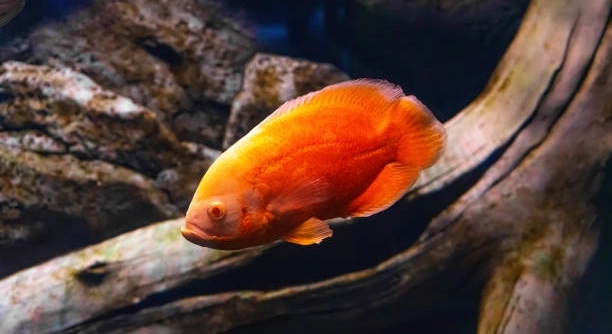
Oscar fish can sometimes act aggressively without warning, leaving their owners puzzled. This sudden hostility can make aquarium care more challenging, but understanding the root causes can help you handle the situation with ease and confidence.
Oscar fish may act hostile due to stress, territorial behavior, water quality issues, or improper tank mates. Additionally, changes in their environment or health problems can lead to sudden aggression. Identifying the cause can help restore harmony in the tank.
By learning more about the factors that trigger aggression in Oscar fish, you’ll be able to create a peaceful and balanced aquarium. Keep reading to explore simple solutions that can improve their behavior.
Stress and Environmental Changes
Oscar fish are very sensitive to changes in their environment. Any sudden shifts in water temperature, tank size, or water quality can cause them stress. These fish thrive in stable conditions, and when they feel threatened or uncomfortable, they may react aggressively. Poor water conditions, like improper pH or ammonia levels, can also make them stressed. Even changing their decorations or moving them to a new tank can upset them.
Water changes are essential but should be gradual to avoid shocking them. Stress from overcrowded tanks or loud noises nearby can also trigger negative behavior.
Making sure their environment is stable and peaceful will help your Oscar fish feel more secure. If you’ve recently made changes to their tank, consider giving them time to adjust. Checking the water quality frequently and maintaining a calm environment is key to reducing aggression in Oscar fish.
Territorial Nature
Oscar fish are territorial by nature. In their wild habitats, they claim their space and defend it fiercely. In your aquarium, they may view other fish as threats to their territory. This is why aggression often happens when new fish are introduced.
Once Oscars establish a space they consider theirs, they can become protective. It’s common for them to chase or even attack tank mates that get too close to their “territory.” To avoid conflicts, ensure that your Oscar fish have enough space. A larger tank, with separate areas for each fish, can help minimize territorial aggression.
Poor Water Quality
Oscar fish are sensitive to poor water quality, which can lead to stress and aggression. Ammonia spikes, improper pH levels, or low oxygen can make them feel unsafe. When the water isn’t clean, Oscars might lash out in frustration. Keeping the water conditions stable will help them feel at ease.
Regular water testing is essential to monitor levels of ammonia, nitrites, and nitrates. A good filtration system will help keep the water clean. Frequent water changes are also recommended, but make sure to do them gradually to avoid shocking the fish.
Poor water quality can lead to other health problems for your Oscar fish. These include skin lesions, fin rot, and infections. Keeping your tank’s water pristine not only reduces aggression but also ensures your fish live a long, healthy life. Healthy fish are generally more peaceful and less likely to act hostile.
Improper Tank Mates
Oscar fish are not always friendly to other fish, especially smaller or timid species. They can become aggressive if they feel their tank is overcrowded or if they see other fish as competition for food or territory. Choosing the right tank mates is crucial to reducing aggression.
When selecting tank mates, choose fish that are large enough to hold their own. Avoid small, slow-moving species, as Oscars may attack them out of boredom or territorial behavior. Fish that are equally active and strong swimmers are more likely to coexist peacefully with Oscars.
Introducing too many new fish at once can also stress your Oscar, leading to aggression. It’s important to introduce new tank mates gradually and observe how your Oscar reacts. If conflicts arise, it might be best to separate them to avoid harm.
Illness or Injury
Oscar fish can become aggressive when they are sick or injured. Pain and discomfort make them more irritable and likely to lash out. If you notice your fish acting out of character, it could be a sign of an underlying health issue. Keeping a close eye on their behavior is essential.
Common health issues, like parasites or fin rot, can cause stress and lead to aggression. Injuries from tank mates or accidents can also trigger a defensive response. If you suspect illness, act quickly to diagnose and treat the problem to avoid further complications.
Hunger or Diet Issues
Oscar fish may act out when they are hungry or their diet isn’t balanced. Inadequate feeding can lead to frustration and aggression. Ensuring your Oscar receives enough food, and the right kind, is crucial for their overall behavior.
A varied diet of high-quality pellets, live food, and occasional treats will help maintain their health. If Oscars don’t feel satisfied, they might show hostility to other fish or even their owners. Make sure feeding times are regular, and watch for any signs that your fish are not getting enough nutrition.
Lighting or Tank Setup
Lighting and the overall setup of the tank can impact your Oscar fish’s behavior. Bright lights, especially if they are too intense, can cause stress and aggression. Oscars prefer low to moderate lighting, so adjust your tank lighting to make them feel more secure.
Additionally, the layout of your tank should offer hiding spots for the fish. If they don’t have a place to retreat when feeling threatened, they may react more aggressively. Including plants, rocks, and caves can help your Oscar feel less exposed and more at ease.
FAQ
Why is my Oscar fish suddenly attacking its tank mates?
Oscar fish can become aggressive when they feel their territory is being invaded. If you’ve added new fish recently, your Oscar might see them as a threat, leading to attacks. Overcrowding the tank or introducing small, slower fish can also trigger hostility. It’s important to choose tank mates carefully and ensure the tank is large enough for everyone.
How do I stop my Oscar fish from being so aggressive?
To reduce aggression, ensure your Oscar has a stable environment with good water quality, proper lighting, and enough space. Keep the tank clean, and avoid overcrowding. Adding hiding spots or decorations for your fish can also help minimize stress. If aggression persists, consider separating aggressive fish.
Can Oscar fish attack their owners?
While Oscar fish typically don’t attack their owners, they can display aggressive behavior during feeding times. They might bite fingers out of excitement or hunger, but this usually isn’t intentional aggression. It’s important to handle your Oscar fish carefully to avoid startling them, especially when cleaning the tank.
How often should I feed my Oscar fish?
Oscar fish are not difficult eaters, but they do need a balanced diet. Feed your Oscar once or twice a day, offering enough food that they can consume in about 5 minutes. Overfeeding can lead to aggression and poor water quality, so try to avoid leaving excess food in the tank.
Are Oscar fish aggressive toward each other?
Yes, Oscar fish can be aggressive toward other Oscars, especially if they are competing for territory or food. If you keep more than one Oscar in a tank, make sure it’s large enough to accommodate them. In smaller tanks, Oscars can become territorial, leading to fights.
Can Oscars live with other fish?
Oscar fish can live with other fish, but only if the tank mates are large enough to defend themselves. Avoid keeping small or peaceful fish with Oscars, as they are likely to be chased or even eaten. Suitable tank mates include large cichlids, catfish, or other robust species that can handle their aggressive nature.
What is the best tank size for an Oscar fish?
Oscar fish need a lot of space to thrive. The minimum recommended tank size for one Oscar is 55 gallons, but a 75-gallon tank is even better. A larger tank will give them enough room to swim and reduce the chances of territorial aggression.
Why is my Oscar fish hiding all the time?
If your Oscar fish is constantly hiding, it may be stressed, sick, or injured. Stress can result from poor water conditions, aggressive tank mates, or environmental changes. Check the water quality and ensure the tank is set up with adequate hiding spots. If the behavior persists, check for any signs of illness or injury.
How do I know if my Oscar fish is sick?
Oscar fish may display signs of illness through changes in behavior, like reduced activity, loss of appetite, or aggression. Physical signs include abnormal swimming, fading colors, lesions, or inflamed fins. If you notice any of these symptoms, consult with an aquarium professional to diagnose and treat the problem.
What should I do if my Oscar fish has fin rot?
Fin rot is a common condition in Oscar fish, often caused by poor water quality or bacterial infections. To treat it, perform a water change and ensure the water quality is optimal. You may also need to add antibiotics to the tank or separate the infected fish until it recovers.
How can I reduce stress for my Oscar fish?
To reduce stress, ensure your Oscar fish have a stable environment. Keep the water clean, maintain proper lighting, and avoid making sudden changes to their tank. Include hiding spots like caves or plants to give them a sense of security. Avoid loud noises and sudden movements around the tank.
What is the lifespan of an Oscar fish?
With proper care, Oscar fish can live for 10 to 15 years. Ensuring good water quality, a balanced diet, and a peaceful environment will help them reach their full lifespan. Some Oscars may even live longer if they are kept in optimal conditions, so it’s important to stay on top of their care needs.
Why is my Oscar fish not eating?
If your Oscar fish is not eating, it could be due to stress, illness, or water quality issues. Check for any signs of disease, injury, or environmental changes that may be affecting their appetite. If the issue persists, it might be worth consulting an aquarium vet to rule out any health problems.
How do I know if my Oscar fish is male or female?
Telling the difference between male and female Oscar fish can be tricky, especially when they are young. As they mature, males tend to be larger and have more vibrant colors, while females are generally smaller and rounder. During breeding season, males may also develop a slight bump on their heads.
Can I keep multiple Oscars in the same tank?
While it’s possible to keep multiple Oscars in the same tank, it’s not always easy. Oscars are territorial and can fight, especially if the tank is too small. If you plan to keep more than one Oscar, ensure you have a large tank (at least 100 gallons) and provide plenty of hiding spots to reduce conflict.
How do I deal with aggression from my Oscar fish?
If your Oscar is showing aggression, try to determine the cause. Stress, poor water quality, or inadequate tank mates are common triggers. Addressing these factors can help reduce aggressive behavior. If the aggression continues, separating the fish or adjusting the tank setup may be necessary.
Final Thoughts
Oscar fish are beautiful, fascinating creatures, but they can sometimes act aggressively, which can be frustrating for owners. Understanding the reasons behind their behavior is key to providing a peaceful environment. Common causes of aggression in Oscar fish include stress, poor water quality, territorial issues, and improper tank mates. By addressing these factors, you can help your fish feel more secure and reduce the chances of hostility. Ensuring the right tank conditions, a balanced diet, and enough space for your Oscar to roam are simple yet effective ways to maintain harmony.
It’s also important to remember that Oscar fish are naturally territorial, and their aggression can be part of their instinct. If you have multiple Oscars or other tank mates, it’s crucial to provide enough space for everyone. A larger tank can help minimize conflict, as can adding hiding spots or decorations that give each fish a place to retreat. Keeping your Oscar’s environment stable will help reduce stress, which is often a trigger for aggressive behavior. Regular water changes and monitoring water quality can also go a long way in preventing issues that may lead to aggression.
If your Oscar’s behavior is particularly problematic, or if aggression seems to stem from illness or injury, it’s best to act quickly. Addressing the root cause, whether it’s a water issue, a territorial problem, or a health concern, will give your Oscar a better chance at returning to a calmer state. With the right care, your Oscar fish can thrive in your aquarium for many years. By staying aware of their needs and being proactive, you’ll be able to handle any challenges that come with keeping these lively and sometimes unpredictable fish.

Hello,
If you enjoy the content that we create, please consider saying a "Thank You!" by leaving a tip.
Every little bit helps us continue crafting quality advice that supports the health, happiness, and well-being of pets around the world, for pets of all shapes, sizes, and species.
We really appreciate the kindness and support that you show us!