
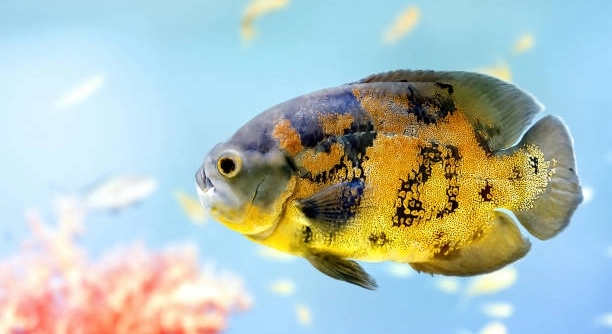
Oscar fish are known for their unique personalities, and many owners wonder if these fish can sense human emotions. Their behavior often seems to reflect their environment, but can they really feel our moods?
Research indicates that while Oscar fish may not sense emotions in the same way humans do, they can respond to changes in their environment, including the mood of their owners. They are highly sensitive to disturbances and body language.
Understanding how Oscar fish react to different situations can help you connect with your fish more effectively. It’s fascinating to learn about their ability to adapt to human emotions and the environment around them.
Can Oscar Fish Really Detect Human Emotions?
Oscar fish are intelligent creatures known for their ability to recognize and respond to changes in their environment. While they may not experience emotions in the same way humans do, they are highly attuned to their surroundings. This means they can pick up on subtle changes like changes in your voice, body language, or routine. Many fish owners report that their Oscars seem to respond differently depending on their mood. They might be more active when their owner is happy or calm, and more distant when stress is present.
They don’t experience emotions like we do, but Oscars can certainly react to environmental cues, including our mood.
This sensitivity to environmental changes could be due to their heightened awareness of sound and movement. Oscar fish have an excellent sense of sight and can even detect vibrations in the water. If you’re feeling stressed or upset, your movements may be different, which may make your Oscar react differently. Though they don’t understand emotions, they can pick up on cues that let them know something is different. This means they might act more withdrawn or even more curious, depending on how you are behaving.
How Oscar Fish Respond to Different Moods
Oscar fish may not directly sense your emotions, but they can certainly detect changes in behavior and movement patterns. They might respond by becoming more energetic or less interactive depending on your state of mind.
For example, when you’re calm and relaxed, your Oscar may approach the glass, swim around playfully, or even follow your finger. If you’re stressed or upset, they might hide or seem less interested in interacting. This is likely a response to subtle changes in body language and movement patterns, even if you’re not consciously aware of them. Oscars are naturally curious, and their interactions with you could be their way of understanding their environment and how things are shifting.
Understanding this behavior can help you better care for your Oscar fish. If you are having a tough day, the Oscar might feel it and respond by withdrawing. Creating a peaceful environment and being aware of your actions around them could help your fish stay more engaged and comfortable. It also helps build a bond with your Oscar as they get accustomed to your moods, even if they don’t experience emotions the way we do.
Oscar Fish Behavior and Body Language
Oscar fish are known for their distinctive body language, which can give you insight into their emotional state. When they are happy or curious, they often swim confidently and actively. If they seem to retreat or swim slowly, it might indicate stress or discomfort.
The way an Oscar fish moves can be linked to its comfort level. Rapid swimming or chasing movements are often signs of excitement, while hiding or slow swimming could indicate unease. If your Oscar seems to avoid interaction, it might be reacting to changes in the environment or your mood.
Their body language might also reflect their interactions with other fish in the tank. If an Oscar feels threatened, it might display aggressive behavior, such as flaring its gills or charging at other fish. Understanding these signals helps you recognize when something might be off in their environment or when they are responding to your mood.
Impact of Water Conditions on Oscar Behavior
Oscars are highly sensitive to water quality, which can directly affect their behavior. Poor water conditions may cause them to become lethargic or even stressed. Keeping the water clean and well-maintained is essential for their health.
A stable and clean tank environment is critical for keeping an Oscar fish happy and active. Sudden changes in temperature, pH, or water quality can lead to stress, and in some cases, illness. If your Oscar seems to act unusually, checking the water parameters is always a good place to start.
When the water conditions are ideal, Oscars become more active and responsive. Healthy fish will swim energetically and display their natural curiosity. They thrive in water with a consistent temperature and good filtration. Keeping the tank environment stable helps ensure your Oscar is at ease and ready to interact with you. This stability also promotes their overall health and happiness.
Oscar Fish and Human Interaction
Oscar fish can become more responsive when they interact with humans. Some owners notice their Oscars following their finger or swimming near the glass when they approach. This could indicate curiosity or recognition.
These interactions help strengthen the bond between you and your Oscar. Over time, they may begin to recognize you as their primary source of care and food. The more time you spend interacting with them, the more they may react to your presence, whether by becoming more active or retreating when you leave.
Training Your Oscar Fish
While Oscars may not be able to follow complex commands like a dog, they can learn simple associations over time. They may begin to recognize feeding times or respond to certain movements. This can create a deeper connection between you and your fish.
When training your Oscar, consistency is key. By performing the same actions at the same time, you help them build associations. For example, tapping on the tank before feeding may signal that food is coming. It’s a small but effective way to connect with your Oscar.
FAQ
Can Oscar fish recognize their owners?
Yes, Oscar fish can recognize their owners over time. They have excellent vision and can remember familiar faces or movements. If you regularly interact with them, they will start associating your presence with food or attention, which can strengthen their bond with you. Oscars are curious and intelligent fish, often responding to their owners by swimming up to the tank or following finger movements.
Do Oscar fish get attached to their owners?
Oscar fish can form bonds with their owners, though the attachment may not be as emotional as with pets like dogs. They recognize you as their primary caregiver, especially if you feed them regularly and spend time near the tank. Their behavior may change depending on how you interact with them, such as becoming more curious when you approach or less responsive if you are absent for a long time.
Do Oscar fish have moods?
While Oscar fish don’t have moods in the same way humans do, their behavior can reflect their environment or health. Stress, illness, or changes in water conditions can make them more withdrawn, while a clean tank and stable environment can make them more active. Their behavior can appear mood-like, especially when reacting to their owners’ actions or changes in the tank.
Can Oscars sense your mood?
Oscars don’t have the ability to feel human emotions directly. However, they are highly sensitive to their environment and can detect changes in body language or tone of voice. If you’re calm and relaxed, they may seem more engaged, whereas if you’re stressed, they may appear more distant or hide. Their sensitivity to your movements and behavior can sometimes make it seem like they can sense your mood.
Why is my Oscar fish acting so aggressive?
Oscar fish are naturally territorial and can become aggressive, especially when they feel threatened or stressed. This behavior may increase if they feel crowded or if other fish in the tank invade their space. Aggression can also be linked to changes in water conditions, lack of stimulation, or improper tank setup. It’s important to ensure the tank is large enough for your Oscar and that it’s not overcrowded.
How can I make my Oscar fish feel safe?
To make your Oscar fish feel safe, provide a spacious tank with plenty of hiding spots, like rocks or plants. Keep the water clean and stable, as sudden changes in temperature or pH can stress them out. Also, avoid rapid movements around the tank, as this can make your Oscar feel threatened. A calm and consistent environment is key for your Oscar’s well-being.
What do I do if my Oscar is not eating?
If your Oscar fish refuses to eat, the first step is to check the water quality. Poor water conditions can cause fish to lose their appetite. If the water is fine, consider changing their diet or offering a variety of food. Sometimes stress, illness, or new tankmates can also affect their eating habits. If the behavior persists, a visit to an aquarium expert or vet may be necessary to rule out any health issues.
Can Oscars live with other fish?
Oscars can live with other fish, but only if the tank is large enough and the other fish are compatible. They can be aggressive, so it’s best to pair them with larger, hardy fish that can withstand their territorial nature. Avoid small fish, as they might become prey. Make sure to monitor their interactions to prevent fighting and ensure the tank setup supports peaceful cohabitation.
How big should the tank be for an Oscar?
Oscars require a large tank to thrive, with a minimum of 55 gallons recommended for a single Oscar. As they grow, they may need even larger tanks to provide enough space. A spacious tank helps reduce stress, promotes healthy growth, and allows them to establish their territory. Additionally, maintaining proper filtration is essential for keeping the water clean and supporting their large size.
Do Oscars sleep?
Oscar fish, like many other fish, do sleep. They follow a regular day-night cycle, becoming less active during the night. While they don’t sleep like mammals, they do rest and lower their activity levels during the dark hours. Keeping their environment on a consistent light cycle can help ensure they maintain a healthy sleeping pattern.
How can I tell if my Oscar is stressed?
Signs of stress in an Oscar fish include unusual swimming patterns, such as staying near the bottom or top of the tank, not eating, or hiding. A stressed Oscar may also show signs of illness, like cloudy eyes or faded colors. Poor water quality, aggressive tankmates, and sudden changes in the environment can all contribute to stress, so it’s important to address these factors promptly.
Why does my Oscar keep hiding?
If your Oscar fish keeps hiding, it could be due to stress, illness, or poor water conditions. Hiding is often a response to feeling threatened or unwell. Check the water quality, ensure there are no aggressive tankmates, and observe their behavior for other signs of health problems. A consistent and stable environment helps reduce hiding behavior.
Can Oscars live with other Oscars?
Two Oscars can live together if they are introduced to the tank carefully and there’s enough space for both to establish territories. However, they are territorial by nature, and there may be conflicts, especially if the tank is too small. It’s recommended to have a tank of at least 100 gallons to keep two Oscars and ensure they have enough room to avoid constant aggression.
Final Thoughts
Oscar fish are fascinating creatures with unique behaviors that can sometimes seem to reflect the moods and actions of their owners. While they may not have the ability to sense emotions like humans, they are highly attuned to changes in their environment. Their behavior can often give you clues about how they are feeling or how they are responding to your actions. Understanding these behaviors helps in building a better connection with your Oscar and improving their overall well-being. With a bit of observation and care, you can better understand what your Oscar needs and how to keep them happy.
While Oscars are intelligent fish, it’s important to remember that they are still animals with instincts based on their environment. Factors like water quality, tank size, and even the presence of other fish can influence their behavior. Stress, illness, and changes in their surroundings can all lead to shifts in their actions, such as hiding, aggression, or a lack of appetite. The key to ensuring your Oscar remains healthy and responsive is to maintain a stable and clean tank environment, pay attention to their needs, and be consistent with interactions. With the right care, your Oscar can thrive in your home.
Building a connection with your Oscar requires patience. Over time, they may recognize you and respond to your presence, showing signs of curiosity or following your movements. This relationship is built through routine and care, as well as the subtle ways you interact with them. Whether it’s feeding time or simply spending time near the tank, Oscars can form bonds that make them more engaged with you. Ultimately, understanding their behavior and creating a comfortable environment is the best way to ensure that your Oscar remains a happy and healthy companion.

Hello,
If you enjoy the content that we create, please consider saying a "Thank You!" by leaving a tip.
Every little bit helps us continue crafting quality advice that supports the health, happiness, and well-being of pets around the world, for pets of all shapes, sizes, and species.
We really appreciate the kindness and support that you show us!