
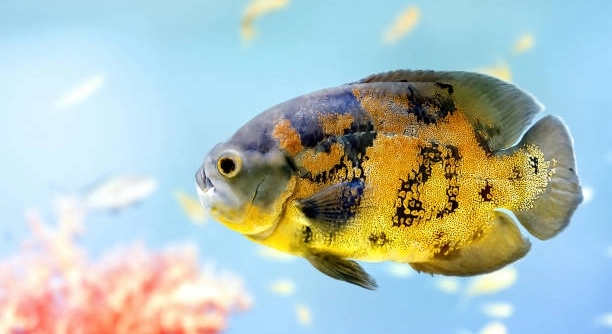
Oscar fish are known for their vibrant colors and active personalities, making them a popular choice among aquarium enthusiasts. However, like all pets, they can develop internal health issues that are not always easy to detect.
Oscar fish often face internal health problems that can be difficult to notice until symptoms become severe. Common signs include a loss of appetite, changes in behavior, or unusual swimming patterns. These issues can be caused by infections, parasites, or diet-related concerns.
Recognizing these signs early can help ensure a speedy recovery for your Oscar fish. Identifying the underlying issue is the first step in providing the proper care. In this article, we will guide you through the most common internal health problems your Oscar fish may face.
Loss of Appetite
One of the most common signs that your Oscar fish may have internal issues is a loss of appetite. Normally, Oscar fish are known for their hearty eating habits, enjoying a variety of foods. If you notice that your fish refuses to eat or is eating significantly less than usual, something may be wrong. This could be caused by a number of factors, including internal parasites, poor water quality, or an unbalanced diet. Stress can also impact your fish’s appetite.
If the loss of appetite persists for a few days, it’s a red flag that warrants attention. Oscars are hardy fish, but they rely on proper nutrition to stay healthy. When they stop eating, it can lead to further complications like weakness, weight loss, and a weakened immune system.
It’s important to assess your tank’s environment and food offerings. Sometimes, a simple change in the water or food can resolve minor issues. However, if the problem continues, it may require a closer look at your Oscar’s health and further treatment.
Changes in Behavior
Behavioral changes in Oscar fish can be one of the first signs of internal problems. If your fish becomes unusually lethargic, overly aggressive, or seems to be hiding, it may indicate discomfort or illness. This change can stem from both physical and environmental factors, so it’s essential to check their surroundings.
Stress, improper water conditions, or an infection could be causing these behavioral shifts. Fish who are unwell may act differently than usual. They might swim in circles, show signs of breathing difficulties, or swim near the surface. Keep an eye on their behavior to spot anything unusual.
Understanding why your Oscar’s behavior is changing can help you address the issue quickly. It’s best to monitor your fish closely and test the water quality to rule out environmental factors. If the behavior continues, a visit to an aquarium vet may be necessary.
Unusual Swimming Patterns
If your Oscar fish starts swimming in an odd or abnormal manner, it’s a sign something is wrong. They might swim upside down, in circles, or near the surface for extended periods. This behavior often points to issues like swim bladder problems or internal infections that affect their buoyancy.
Swim bladder problems are quite common in Oscar fish. When the swim bladder malfunctions, it prevents the fish from controlling its buoyancy, leading to abnormal swimming patterns. Additionally, internal infections or parasites can affect the nervous system, causing disorientation and erratic movements. These issues should not be ignored.
It’s important to check the water quality first, as poor conditions can stress the fish and worsen internal problems. If the water is clean and the behavior persists, consider consulting a vet to diagnose any internal health issues. Early intervention can help prevent long-term damage and discomfort for your fish.
Visible Bloating or Swelling
Bloating or swelling in Oscar fish can often indicate a serious internal problem. It might be due to an infection, constipation, or even more severe issues like organ failure. Any visible change in the size or shape of your Oscar should raise concern.
Internal infections are often the cause of bloating. When a fish has an infection, it can cause the body to swell due to fluid retention or inflammation. Another possible cause is constipation, which can happen when the fish is not eating properly or is consuming the wrong foods. If the swelling is severe, it might point to organ failure or even a tumor.
Keeping a close eye on feeding habits and the overall size of your fish is crucial. Providing a balanced diet and maintaining clean water will help prevent some of these issues. If swelling continues, seeking professional care is essential to determine the exact cause.
Fading Colors
Oscar fish are known for their vibrant colors, but if their usual bright hues start to fade, it could be a sign of internal issues. This change in coloration is often related to stress, poor diet, or illness affecting the fish’s health.
When Oscar fish lose their color, it usually points to environmental or health issues. Stress, such as from poor water conditions, overcrowding, or aggressive tank mates, can cause this. Nutritional deficiencies, like lack of proper vitamins or minerals in their food, can also lead to color fading. If this persists, it may indicate a more serious underlying health issue.
Addressing water quality, feeding a balanced diet, and reducing stress factors can help restore your fish’s vibrancy. If fading continues, it’s a good idea to consult with an aquarium vet for further advice.
Difficulty Breathing
If your Oscar fish is struggling to breathe, it may be suffering from internal issues, such as an infection or gill disease. This can cause the fish to swim near the surface, gasping for air or breathing rapidly.
Breathing issues can stem from various factors, including poor water conditions, parasites, or a bacterial infection. If the gills appear swollen or discolored, the issue is likely affecting the respiratory system. Low oxygen levels in the tank can also contribute to labored breathing.
It’s crucial to ensure your tank’s water is well-oxygenated and free of contaminants. If the issue persists, a professional diagnosis is needed to treat any infection or other underlying problems.
Excessive Hiding
Oscar fish are typically active and curious, but excessive hiding is a clear sign something is wrong. If your Oscar spends more time hiding than usual, it may be experiencing discomfort or stress from internal health issues.
When a fish hides, it’s often trying to avoid stressors or pain. This behavior can result from various internal problems, including infections or gastrointestinal issues. Fish may retreat to dark corners or stay near the bottom of the tank in an effort to find comfort and safety.
Checking the water parameters and ensuring the tank environment is stress-free is crucial. If hiding persists, further investigation into your Oscar’s health may be needed.
FAQ
Why is my Oscar fish swimming in circles?
If your Oscar fish is swimming in circles, it could be a sign of a swim bladder issue or stress. The swim bladder helps the fish maintain buoyancy, and when it’s not functioning properly, the fish may struggle with balance, resulting in circular swimming patterns. Stress can also affect behavior, leading to repetitive swimming. To address this, check water parameters and ensure there are no tank mates causing aggression. If the behavior continues, it’s important to consult a vet for a diagnosis.
How do I know if my Oscar has an internal infection?
An internal infection in an Oscar fish can manifest through a combination of symptoms, including loss of appetite, bloating, abnormal swimming, or changes in behavior. If your fish seems lethargic, has difficulty breathing, or is not eating, it could be battling an infection. An infection may be caused by bacteria, parasites, or even environmental factors like poor water quality. Regular water tests and observation of behavior are key. If the infection seems severe or persists, it’s important to seek professional treatment.
What can cause my Oscar’s colors to fade?
Fading colors in Oscar fish are often linked to stress, poor diet, or illness. Stress can arise from poor water quality, aggression from tank mates, or improper tank conditions. A lack of essential nutrients, like vitamins and minerals, can also cause the color to dull. To restore vibrancy, ensure your Oscar is receiving a balanced diet and that the water parameters are ideal. If the fading persists despite these changes, it’s worth consulting a vet to rule out any underlying health conditions.
How can I treat my Oscar for constipation?
Constipation is common in Oscar fish, often due to overfeeding or a lack of dietary variety. To treat constipation, you can try fasting the fish for a couple of days to give its digestive system a break. Afterward, offer easily digestible food, such as daphnia or peas, to help move things along. Ensure that your Oscar’s diet includes fiber-rich foods, and avoid overfeeding, which can lead to future digestive issues. If constipation continues, consider seeking advice from an aquarium vet.
Is it normal for my Oscar to hide?
Oscars are typically active and curious fish, but excessive hiding is often a sign of stress or illness. If your Oscar is hiding more than usual, it could be feeling unwell or overwhelmed by its environment. Possible causes include poor water quality, bullying from tank mates, or internal health problems. Check the water conditions, ensure the tank setup is comfortable, and monitor for other signs of illness. If hiding persists, a vet visit may be necessary to rule out infections or parasites.
Why is my Oscar fish breathing rapidly?
Rapid breathing in Oscar fish is often a sign of poor water quality, oxygen deprivation, or an infection. If the tank’s oxygen levels are low, or the water is polluted, your Oscar may gasp for air more frequently. Other potential causes include gill infections or parasites affecting the respiratory system. Start by testing the water quality and ensuring it is well-oxygenated. If the rapid breathing continues, you may need to investigate further with a vet to determine the cause and begin treatment.
Can Oscar fish get internal parasites?
Yes, Oscar fish can get internal parasites, which can lead to a variety of health issues. Symptoms of internal parasites include loss of appetite, bloating, abnormal swimming behavior, and weight loss. The most common internal parasites that affect Oscar fish are nematodes and flatworms. These parasites often enter the fish’s system through contaminated food or water. If you suspect an internal parasite, it’s essential to quarantine the affected fish and treat it with the appropriate medication as recommended by an aquarium vet.
What is the best way to improve my Oscar’s diet?
To ensure your Oscar is healthy, it’s important to offer a varied diet that includes high-quality pellets or flakes as the main food source, supplemented with occasional live or frozen foods like shrimp, krill, or worms. Vegetables like peas or spinach can also be given occasionally. A balanced diet will help prevent nutritional deficiencies that can lead to internal issues. Regularly rotating food types will not only keep your Oscar interested in feeding but also provide a well-rounded set of nutrients.
How do I maintain a clean tank to prevent internal problems in my Oscar?
Maintaining a clean tank is essential for your Oscar’s health. Regularly test the water to ensure the levels of ammonia, nitrites, and nitrates are safe. Perform 25-30% water changes every week, and remove any uneaten food promptly. Clean the filter media monthly and replace it as needed. Keeping the tank free of debris and ensuring good water circulation will help prevent the growth of harmful bacteria or parasites that can lead to internal issues. A well-maintained environment will reduce the risk of infections and stress in your fish.
What should I do if my Oscar has an inflamed belly?
An inflamed or swollen belly can be a sign of various internal problems, including bacterial infections, internal parasites, or even organ failure. If the swelling is accompanied by other symptoms, such as loss of appetite, abnormal swimming, or changes in behavior, it’s important to act quickly. Begin by checking the water quality and making sure the tank is clean. If the swelling persists or worsens, it’s recommended to consult an aquarium vet for an accurate diagnosis and treatment plan.
How often should I check my Oscar’s water parameters?
Water quality is crucial for your Oscar’s health, so it’s important to check the water parameters regularly. Aim to test for ammonia, nitrites, and nitrates at least once a week, especially if you notice any changes in your fish’s behavior or health. Keeping a consistent schedule will help catch any potential issues before they become serious. You should also monitor the pH, temperature, and hardness of the water. Keeping the tank’s conditions stable reduces stress and helps prevent internal health issues.
Final Thoughts
Oscar fish are beautiful and resilient creatures, but like any pet, they can face health issues from time to time. Identifying internal problems early is crucial for their well-being. If you notice signs like a loss of appetite, changes in behavior, or unusual swimming patterns, it could indicate that your Oscar is dealing with an internal issue. Monitoring your fish closely and regularly checking the water quality will help you spot potential problems before they become severe.
The key to keeping your Oscar fish healthy is providing a balanced diet, maintaining a clean tank, and minimizing stress. When these factors are well managed, your fish will be more likely to thrive. However, even with the best care, health problems can still arise. That’s why it’s important to stay vigilant and seek professional help if you notice anything unusual. Early treatment can make a big difference in preventing long-term damage to your Oscar’s health.
By understanding the common signs of internal issues and knowing what steps to take, you can help your Oscar live a longer, healthier life. Whether it’s adjusting the water conditions, changing their diet, or addressing any possible infections, taking action quickly will give your fish the best chance for recovery. Keeping your Oscar fish happy and healthy is a rewarding experience, and with the right care, they can continue to bring color and life to your aquarium for many years.

Hello,
If you enjoy the content that we create, please consider saying a "Thank You!" by leaving a tip.
Every little bit helps us continue crafting quality advice that supports the health, happiness, and well-being of pets around the world, for pets of all shapes, sizes, and species.
We really appreciate the kindness and support that you show us!