
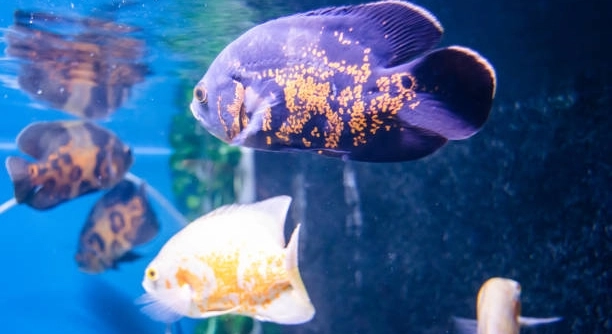
Oscar fish are known for their vibrant personalities, making them a popular choice for fish enthusiasts. Understanding their behavior can help improve their care. One question often asked is whether they understand routine.
Oscar fish are capable of recognizing patterns and routines, especially related to feeding times and environmental changes. They may learn when it’s time to eat or when their tank is being cleaned, showing signs of anticipation.
Exploring how Oscar fish adapt to daily routines can enhance your approach to caring for them. Understanding their behavior will strengthen your connection and ensure a healthy, happy aquarium environment.
Understanding Routine in Oscar Fish
Oscar fish have an impressive ability to adapt to their environment, including recognizing patterns and routines. When kept in a tank with consistent feeding schedules or regular water changes, they begin to associate specific activities with certain times of day. This routine recognition helps reduce stress as the fish know what to expect. The anticipation of feeding time is especially notable. In many cases, Oscar fish will swim to the front of the tank as they sense the approach of food, a behavior they develop over time. Their ability to identify these patterns shows their level of intelligence, as they are able to connect actions to outcomes in a structured way. However, this ability to understand routine is not necessarily instinctive but learned. It’s a reflection of their ability to adapt and remember patterns in their daily lives.
Some Oscar fish may show more noticeable signs of routine recognition than others. This could depend on their individual temperament and the environment they’re in. However, it’s clear that many of them benefit from a consistent schedule in their care.
Oscar fish thrive when kept on a regular routine. Regular feeding times, consistent water changes, and even predictable cleaning schedules can reduce stress and keep them healthy. When these fish are provided with a stable environment, they are less likely to display signs of anxiety or aggression. Their ability to recognize routine is also helpful when it comes to training them. Some fish owners even train their Oscars to respond to feeding cues or perform small tricks, such as jumping through hoops or swimming in specific patterns. This type of interaction further reinforces their connection to daily activities and helps strengthen their bond with their caretaker.
Feeding Time and Routine Recognition
Oscar fish are particularly adept at recognizing when it’s time to eat. Their feeding schedule is one of the easiest routines for them to learn and respond to.
As feeding time approaches, many Oscar fish begin to act excited, swimming eagerly to the front of the tank. This behavior is a clear sign that they have linked this specific time of day to a food reward. Oscar fish are intelligent and can remember these cues, making it easier for them to adapt to a feeding schedule. If the feeding time remains consistent, they will start to anticipate food even before it’s delivered. This routine helps them feel secure and reduces any uncertainty about their food source. Additionally, keeping a set schedule ensures that the fish receive the right amount of nutrition without overfeeding, which could cause health issues. Routine feeding also encourages a healthier lifestyle for your Oscar, as it maintains a balanced diet.
Tank Maintenance and Routine
Oscar fish respond well to a consistent tank maintenance schedule. Regular water changes and cleaning are essential for maintaining a healthy environment.
Oscar fish thrive in clean water. By following a predictable routine for tank cleaning and water changes, you ensure the fish are less stressed. They become familiar with the process, which helps reduce any disruption. When the environment is stable, they feel more secure, making them less likely to hide or exhibit erratic behavior. A consistent schedule also allows you to monitor water quality and check for any potential issues.
Having a regular maintenance routine helps keep ammonia and nitrate levels under control, which is crucial for your Oscar’s health. By adhering to a schedule, you ensure that your tank doesn’t experience sudden shifts in water quality, which can cause stress. Your fish will become more comfortable and even begin to expect the routine. Knowing when the tank is cleaned and when fresh water is added helps them feel at ease.
Behavioral Patterns in Oscars
Oscar fish have distinct behavioral patterns that can be linked to their understanding of routine. These behaviors become more noticeable as they grow accustomed to their environment.
Over time, Oscar fish begin to develop specific routines tied to their daily activities. They often swim in predictable areas of the tank, and their movement patterns are influenced by time of day. For instance, Oscars may swim to the front of the tank during feeding time or become more active during certain hours when they expect interaction. When these behaviors occur on a schedule, it’s a clear indication that the fish are learning to anticipate daily events. Their actions may be less impulsive and more reflective of a learned behavior that corresponds with regular activities.
The ability to recognize these behavioral patterns is key to understanding how Oscar fish perceive their routines. The more consistent your actions are, the easier it becomes for them to adapt to their surroundings. Their behaviors are a reflection of the trust they place in their environment and the sense of security they feel when they know what to expect.
Signs of Stress in Oscar Fish
Oscar fish are sensitive to changes in their environment. When they experience stress, it can affect their health and behavior.
Stress in Oscar fish can manifest in several ways. They may become more aggressive, hiding in corners, or stop eating. These signs indicate discomfort or confusion, often due to changes in their routine. Stress can also weaken their immune system, making them more vulnerable to diseases.
To reduce stress, it’s important to maintain a consistent routine. This includes feeding at the same times each day and keeping the tank clean. A stable routine helps Oscar fish feel secure, leading to healthier, more active behavior.
Interacting with Oscar Fish
Interacting with your Oscar fish can strengthen the bond you share. They are curious creatures and can learn to recognize their owner.
Oscar fish may respond to their owner’s presence by swimming to the front of the tank or even following their movements. Over time, they may even learn to respond to specific gestures, like tapping on the glass. While they are independent, they enjoy some level of interaction. A routine that includes regular feeding and gentle interaction helps to build trust between the fish and its owner. Keeping interactions calm and consistent will help your Oscar feel more comfortable and secure.
Training Your Oscar Fish
Oscar fish can be trained to respond to certain cues. With patience, they can learn behaviors that fit within a routine.
Training an Oscar fish usually revolves around feeding time. By tapping on the tank or using a distinct gesture before offering food, the fish can start to associate the cue with food. Over time, they may swim to the front of the tank when they hear the signal. The key is consistency. By keeping the routine the same, Oscar fish will begin to understand and respond more reliably. Training can also be expanded to include small tricks, such as jumping or swimming through hoops.
FAQ
Do Oscar fish remember their owners?
Yes, Oscar fish can remember their owners. They are intelligent creatures that can recognize familiar faces, voices, and even specific actions. Over time, they may associate their owner’s presence with feeding or tank cleaning. This recognition can make them more responsive to their owner’s actions, such as swimming to the front of the tank when they see you. However, their memory is not as strong as that of mammals, and it primarily revolves around food-related cues.
How can I tell if my Oscar fish is stressed?
Oscar fish show signs of stress through changes in behavior and appearance. Common signs include aggression, loss of appetite, hiding, or swimming erratically. Stress can be caused by factors like sudden changes in water temperature, irregular feeding, or poor water quality. If your Oscar fish is stressed, it’s important to check their environment and ensure consistency in their routine. A stressed fish may also display faded colors or appear lethargic. These signs indicate that something in their routine or environment needs adjustment.
Can Oscar fish get bored?
Yes, Oscar fish can become bored if their environment lacks stimulation. They are curious and active, requiring more than just basic care to stay engaged. Boredom can lead to stress, which in turn affects their health. Providing tank decorations, hiding spots, and occasional interaction can help keep them mentally stimulated. You can also train them to do simple tricks or feed them in different locations in the tank to encourage movement. A lack of variety or change in their routine can cause them to become lethargic or even aggressive.
How often should I feed my Oscar fish?
Oscar fish should be fed once or twice a day, depending on their age and size. Juvenile Oscars typically require more frequent feedings, while adult Oscars can be fed once daily. It’s important to maintain a routine feeding schedule to help your fish learn when to expect food. Overfeeding can lead to obesity and water quality issues, so make sure to give them an appropriate amount of food that they can consume within a few minutes. A varied diet, including pellets, live or frozen foods, will also ensure they get the proper nutrition.
Why is my Oscar fish swimming at the top of the tank?
Oscar fish swimming at the top of the tank can indicate several things. If they are constantly near the surface, they may be seeking air due to low oxygen levels in the tank. In this case, improving aeration through a stronger filter or air pump can help. Alternatively, Oscar fish may swim near the surface if they are hungry or curious about what’s happening outside the tank. If this behavior persists, check the water quality and make sure the tank is appropriately sized for your fish.
How do I prevent my Oscar fish from becoming aggressive?
Oscar fish are territorial and may become aggressive, especially if they feel their space is threatened. To reduce aggression, ensure that the tank is large enough for the number of fish and that there are plenty of hiding spots. Avoid overcrowding, as this can lead to stress and territorial disputes. Introducing new fish gradually, rather than all at once, can also help reduce aggression. Regularly maintaining water quality and sticking to a routine can make your Oscar feel more secure and less likely to exhibit aggressive behavior.
Do Oscar fish need a companion?
Oscar fish are generally solitary and do not require companions to thrive. While they may tolerate other fish in the tank, they often prefer to have their space. If you choose to keep more than one Oscar fish, ensure that the tank is large enough to accommodate them. If you add other fish, be mindful of the species to avoid aggression. Oscars may also view smaller fish as food, so make sure tank mates are large enough to avoid being eaten.
How can I tell if my Oscar fish is healthy?
A healthy Oscar fish will be active, responsive to feeding, and display vibrant colors. Their fins should be intact and free of tears, and they should swim normally without showing signs of stress. If your Oscar fish is eating regularly, not hiding, and swimming actively, it’s a good sign that they are healthy. Pay attention to their behavior and appearance—any changes like a lack of appetite, cloudy eyes, or visible injuries should be addressed promptly to ensure their health.
What size tank does an Oscar fish need?
Oscar fish require a large tank due to their size and active nature. A single adult Oscar should be kept in at least a 55-gallon tank, though a 75-gallon tank or larger is preferable for optimal space and comfort. Larger tanks allow for better water quality management and provide more room for your fish to swim and explore. If keeping multiple Oscars or other tank mates, you will need an even larger tank to prevent overcrowding and reduce stress.
How can I make my Oscar fish feel more secure?
To help your Oscar fish feel secure, establish a routine that includes regular feeding times, water changes, and tank maintenance. Oscars are sensitive to sudden changes, so keeping their environment stable is key. Adding decorations or hiding spots, such as rocks or plants, can also provide security, allowing your fish to retreat when they feel threatened. Additionally, avoid tapping on the glass or making sudden movements around the tank, as this can startle them and cause stress. Keeping the tank in a quiet, low-traffic area will help them feel more at ease.
Final Thoughts
Oscar fish are intelligent and fascinating creatures that can form connections with their owners. They can recognize their caregivers and respond to routines, especially during feeding time. This ability to understand regular patterns is something that adds to the experience of keeping them as pets. Over time, Oscars learn what to expect from their environment, making their care relatively straightforward once a consistent routine is established. Their behavior can be a reflection of how well their environment meets their needs, making it important for owners to keep their tanks clean and ensure a stable routine.
When it comes to providing the best care for an Oscar fish, understanding their nature and needs is key. Oscar fish thrive in stable environments, where they feel secure and are not subjected to sudden changes. A well-maintained tank, with proper filtration and regular water changes, can keep them healthy and happy. Also, a varied diet will help in their growth and overall well-being. Oscars are not high-maintenance pets in terms of interaction, but they do require attention to their living conditions. By keeping the tank clean, ensuring proper water conditions, and sticking to feeding schedules, an owner can reduce stress and create an ideal environment for the Oscar.
While Oscars are generally independent, they do respond positively to interaction and consistency. Their intelligence allows them to recognize their owners and even learn simple tricks or routines. The bond that forms between an Oscar and its owner can be rewarding, as the fish becomes more responsive and familiar with their caretaker. However, it’s essential not to overestimate their need for constant interaction. They are more than capable of thriving with minimal hands-on care, provided their environment meets their basic needs. Understanding this balance helps maintain the health and happiness of an Oscar fish.

Hello,
If you enjoy the content that we create, please consider saying a "Thank You!" by leaving a tip.
Every little bit helps us continue crafting quality advice that supports the health, happiness, and well-being of pets around the world, for pets of all shapes, sizes, and species.
We really appreciate the kindness and support that you show us!