
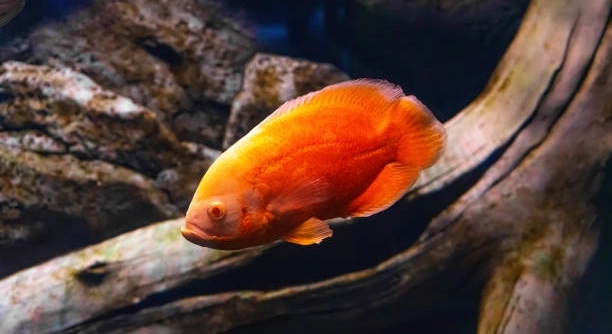
Oscar fish are popular in aquariums, known for their vibrant colors and lively personalities. However, like all pets, they can sometimes experience health problems, including parasitic infections. Identifying the signs early can make all the difference.
Parasites in Oscar fish can cause a range of symptoms, including abnormal swimming behavior, loss of appetite, and visible changes to their skin. These signs often indicate the presence of external or internal parasites, requiring prompt attention for proper treatment.
Understanding the symptoms and identifying the signs early can help you keep your Oscar fish healthy and happy in the long term.
Abnormal Swimming Patterns
Oscar fish are known for their energetic swimming, but when they are affected by parasites, their behavior can change drastically. A common sign of parasitic infection is erratic swimming, where the fish may swim in circles or struggle to maintain balance. They might also spend more time at the surface or hide near the bottom of the tank. These behaviors are often linked to discomfort or irritation caused by parasites affecting their skin or gills.
In addition to unusual swimming, the fish may exhibit lethargy, losing their usual enthusiasm for movement. This can be a sign that they are not feeling well due to the stress of dealing with parasites. Infected Oscars may also show signs of clamping their fins tightly against their bodies, a behavior that further signals health issues.
If you notice these abnormal swimming patterns in your Oscar fish, it’s important to take immediate action. Parasites thrive in environments that allow them to spread, so addressing the issue quickly can prevent further complications and discomfort for your fish.
Loss of Appetite
When parasites affect Oscar fish, they may lose interest in eating, a common sign of illness. A drop in appetite can be an early indicator that something is wrong.
Infected Oscar fish may stop eating altogether or only nibble at food occasionally. This is often a sign of internal parasites, which cause discomfort or pain in the digestive system. A lack of appetite is a clear red flag and should not be ignored. If the problem persists, seeking advice from an aquatic veterinarian is a necessary step.
When an Oscar fish stops eating, it can quickly lead to malnutrition and weakened immune systems, making it harder for them to recover from the infection. Timely intervention can ensure they return to normal feeding habits and regain their strength.
Visible Skin Changes
Parasites can also cause visible changes to your Oscar fish’s skin. These changes can be quite noticeable, with your fish showing signs of lesions, redness, or a slimy coating on their body. This often results from external parasites that irritate the skin, causing wounds or inflamed areas. Additionally, you might notice white spots or fuzzy growths, which are often signs of parasitic infections such as ich or fungal diseases.
A decrease in the clarity of your fish’s scales may also occur, leading to a dull, faded appearance. This is often a sign that parasites are feeding on the fish’s skin or gills, interfering with normal bodily functions. If these signs are left untreated, the infection can spread, potentially leading to more severe health problems.
Treating the skin issues quickly is essential to avoid further damage. Many over-the-counter treatments are available to address external parasites and improve the condition of your fish’s skin. Ensure that you follow the treatment instructions carefully for the best results.
Rapid Breathing or Gasping
Parasites can also affect the gills of Oscar fish, causing them to breathe more rapidly. If your Oscar seems to be gasping for air or is breathing heavily, it could indicate gill damage caused by parasites. This can lead to oxygen deprivation and further stress for the fish.
In some cases, Oscar fish will show signs of labored breathing, staying near the surface where oxygen levels are higher. If they seem to be constantly swimming upward and gasping for air, it’s likely that internal or external parasites are interfering with their ability to breathe properly. Parasites such as gill flukes can cause damage to the gills, making it harder for the fish to absorb oxygen efficiently.
Treatment for this condition typically involves treating the water with medications designed to target parasitic infestations. Immediate action is crucial to prevent more serious complications, as prolonged difficulty breathing can harm the fish’s health.
Change in Behavior
In addition to swimming patterns, Oscar fish affected by parasites may experience other behavioral changes. They may become more reclusive, hiding in dark corners or behind tank decorations. A sudden shift in behavior often signals that something is wrong, especially if the fish has been active and social in the past.
Parasites cause significant stress, which can make the fish anxious and less willing to interact with their surroundings. They may also become more aggressive, especially if the parasites are causing pain or discomfort. Aggressive behavior in Oscar fish, which is normally a peaceful species, is a strong indicator of health problems.
Prompt treatment is necessary to alleviate the stress caused by the parasitic infection. Once the issue is addressed, your Oscar fish will likely return to its usual, more social behavior.
Skin Lesions or Open Wounds
Skin lesions and open wounds on Oscar fish are often a result of parasitic infestations. These parasites can eat away at the fish’s skin, leaving visible marks or sores. You might notice small, red spots or larger, ulcer-like lesions, which can become infected if not treated quickly.
These wounds can appear on different areas of the body, including the fins, gills, and the main body. Infected Oscars may develop visible damage to their scales as parasites burrow into their skin. Open wounds not only make the fish more vulnerable to secondary infections but can also be painful for the fish, causing them further distress.
Treating the skin lesions involves removing the parasites and treating the affected areas. Medications such as anti-parasitic dips can help heal wounds and reduce the risk of bacterial infections. Quick intervention helps prevent further damage.
White Spots on the Body
One of the most noticeable signs of a parasitic infection in Oscar fish is the appearance of white spots on the skin. These spots, often resembling grains of salt or sugar, are typically a sign of the parasitic disease known as ich, or white spot disease.
Ich is a common parasitic infection that causes irritation to the skin, fins, and gills of the fish. The white spots are cysts that form as the parasites mature. Infected Oscar fish may show other signs such as rapid gill movement, scratching against objects, and lethargy. Without treatment, ich can lead to severe health problems and even death.
Treatment for ich involves raising the water temperature and adding medication specifically designed to kill the parasites. Removing any infected fish immediately can prevent the spread of the disease to others in the tank.
Faded Colors
Oscar fish are known for their bright and vibrant colors, but parasites can cause these colors to dull or fade. A parasite infection can affect the fish’s skin, disrupting the pigmentation and making the colors appear washed out or less intense. This can be a sign that the parasite is damaging the fish’s tissue.
When this happens, the fish may also exhibit other signs of illness, such as changes in behavior or skin lesions. The fading of colors can occur gradually or suddenly, depending on the severity of the infection. Often, parasites will stress the fish, causing it to lose its usual vivid appearance.
Infected Oscar fish may need specialized treatment to restore their health and pigmentation. Addressing the parasitic issue quickly is the best way to prevent further deterioration of their condition.
Lack of Energy
Oscar fish that are dealing with parasites often exhibit a lack of energy. They may become sluggish and spend more time hiding or resting than swimming around actively. This sudden lack of energy is usually accompanied by other symptoms, such as loss of appetite or abnormal swimming.
Parasites can be quite stressful for Oscar fish, making them feel weak and drained. If your Oscar is not moving as much as it usually does or seems to be staying in one spot for long periods, this can indicate an underlying issue that requires attention. Parasites often lead to exhaustion due to the body’s immune system trying to fight off the infection.
In cases like this, removing the stressors from the tank and adding treatment solutions can help the fish regain energy and return to normal behavior.
FAQ
What are the common parasites that affect Oscar fish?
The most common parasites that affect Oscar fish include ich, gill flukes, and external protozoans like velvet disease. Ich is one of the most easily recognizable, causing white spots to appear on the skin. Gill flukes, which infect the gills, can make breathing difficult and lead to rapid gill movement. Velvet disease causes a gold or rusty film on the skin and is highly contagious. These parasites can cause significant stress, irritation, and, if untreated, may lead to death. Identifying the type of parasite is crucial to selecting the right treatment.
How can I prevent parasites in my Oscar fish tank?
Maintaining good water quality is key to preventing parasites. Regular water changes and ensuring the tank is properly filtered helps create a clean environment. Additionally, quarantining new fish before introducing them to the tank can prevent the introduction of parasites. Regularly monitoring the health of your fish and looking for early signs of infection also helps prevent outbreaks. Keep the tank clean and avoid overcrowding, which can increase stress levels and make fish more susceptible to parasites.
Can Oscar fish recover from a parasitic infection?
Yes, Oscar fish can recover from parasitic infections if the problem is identified and treated promptly. Early intervention is critical to ensure the parasite doesn’t cause long-term damage to their health. With proper medication, the right water conditions, and a stress-free environment, your Oscar fish can make a full recovery. However, the recovery process can take time, and the fish may require separate treatment from the rest of the tank to prevent the spread of parasites.
What should I do if my Oscar fish has white spots?
If you notice white spots on your Oscar fish, it is likely infected with ich (white spot disease). The first step is to isolate the infected fish in a separate quarantine tank to prevent the spread of the parasite to other fish. Increase the water temperature gradually to speed up the life cycle of the parasite, which will help the medication work more effectively. Use an anti-ich medication according to the instructions and treat the water in the main tank as well. Be patient, as it may take several days to weeks for the infection to clear up.
How do I treat gill flukes in my Oscar fish?
Gill flukes are internal parasites that infect the gills and can make it hard for your Oscar fish to breathe. Symptoms may include rapid breathing, gasping for air, and lethargy. The best treatment for gill flukes is to use a medicated bath specifically designed to treat these types of parasites. You can also add formalin or praziquantel to the water to kill the flukes. It’s important to follow the instructions carefully and treat the water for the recommended duration to ensure the parasites are fully eliminated.
What are the signs of velvet disease in Oscar fish?
Velvet disease, caused by the parasite Oodinium, often presents as a golden or rusty film on the skin of the Oscar fish. The fish may also exhibit signs of scratching against objects in the tank due to the irritation caused by the parasite. Velvet disease can cause rapid gill movement, lethargy, and reduced appetite. This disease is highly contagious, so immediate action is necessary. Treatment typically involves adding copper-based medications to the water and raising the water temperature slightly to speed up the parasite’s life cycle.
Can parasites affect the behavior of my Oscar fish?
Yes, parasites can significantly affect the behavior of your Oscar fish. Infected fish may become lethargic, stop swimming actively, or begin to hide more often. They may also start scratching against objects in the tank due to skin irritation or gill discomfort. In some cases, Oscar fish may become more aggressive or reclusive, and their interaction with other tankmates may change. These behavioral changes are often a sign of stress caused by the infection.
Is it safe to use over-the-counter medications for parasite treatment?
Over-the-counter medications can be effective in treating parasites, but it’s important to choose the right one for the type of parasite your Oscar fish is dealing with. Always read the instructions carefully and follow the recommended dosage. Some medications may not be suitable for all types of fish, and improper use can harm your tank’s environment. It’s also crucial to monitor your fish closely during treatment to ensure they are responding positively. If you’re unsure, consulting with an aquatic veterinarian is a good option.
How long does it take for Oscar fish to recover from parasites?
The recovery time for Oscar fish can vary depending on the type of parasite and the severity of the infection. In general, with proper treatment and care, Oscar fish can begin to show improvement within a week. However, it may take several weeks for them to fully recover, especially if the infection was severe. During recovery, it’s essential to maintain optimal water quality and keep stress levels low. Your fish should gradually return to their normal behavior once the parasite has been eliminated.
Can stress make my Oscar fish more susceptible to parasites?
Yes, stress can weaken your Oscar fish’s immune system and make them more susceptible to parasitic infections. Stress can be caused by factors such as poor water quality, overcrowding, aggressive tankmates, or sudden changes in the environment. A stressed fish may have a harder time fighting off parasites and could become infected more easily. To reduce stress, ensure that your Oscar fish has a proper tank size, stable water conditions, and a peaceful environment with suitable tankmates.
What are the best treatments for parasites in Oscar fish?
The best treatment for parasites depends on the type of infection your Oscar fish is facing. For external parasites like ich and velvet disease, anti-parasitic medications are typically used, while internal parasites like gill flukes may require specific treatments such as praziquantel or formalin. It’s important to follow the recommended treatment plan and avoid using treatments that are not suitable for the type of parasite. Ensuring good water quality and a stress-free environment will also aid in recovery.
Final Thoughts
Parasites can pose serious health risks to your Oscar fish, and recognizing the early signs is crucial for effective treatment. White spots on the body, faded colors, and lack of energy are some common indicators that something may be wrong. Identifying these signs early can help you address the problem before it becomes more severe. Regular observation and good tank maintenance are essential to keeping your fish healthy and parasite-free. By ensuring a clean environment and watching for symptoms, you can improve your fish’s chances of staying healthy and thriving.
Treatment options are available for most parasites that affect Oscar fish. Medications designed to target specific parasites like ich, velvet disease, and gill flukes are often effective if used correctly. It’s important to follow the treatment guidelines, including isolating infected fish, adjusting water temperature, and adding the right medication to the tank. Patience is key during the recovery process, as parasites can take time to be fully eradicated. The health of your Oscar fish can often be restored with proper care and attention, so don’t get discouraged if the recovery takes some time.
Prevention is always better than treatment. By maintaining a clean tank, performing regular water changes, and avoiding overstocking, you can reduce the likelihood of parasites invading your Oscar fish’s environment. Quarantining new fish before introducing them to the tank also helps prevent the introduction of parasites. Taking these preventive steps can save you a lot of trouble in the long run, ensuring your Oscar fish remains healthy and free from parasitic infections. Keeping a close eye on their behavior and physical appearance is the best way to spot any issues early and address them promptly.

Hello,
If you enjoy the content that we create, please consider saying a "Thank You!" by leaving a tip.
Every little bit helps us continue crafting quality advice that supports the health, happiness, and well-being of pets around the world, for pets of all shapes, sizes, and species.
We really appreciate the kindness and support that you show us!