
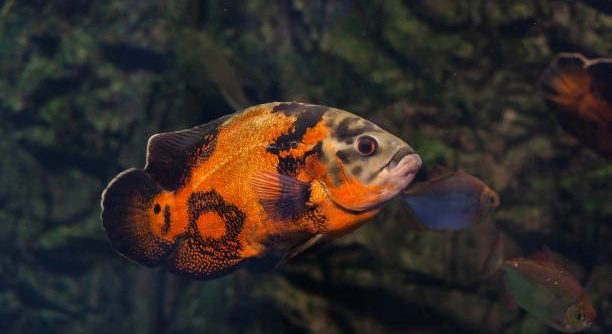
Oscar fish are fascinating creatures, and their behavior can be puzzling, especially after eating. You might notice them engaging in strange actions, leaving you curious about what’s happening in their environment.
Oscar fish often display unusual behaviors after eating, such as swimming erratically, gulping air, or even rubbing against objects. These actions are typically related to their digestion process, stress, or the need to expel excess energy.
Understanding their behavior can provide insights into their health and environment. Stay tuned as we explore the reasons behind these peculiar actions.
Why Do Oscar Fish Swim Erratically After Eating?
After a meal, it’s common for Oscar fish to swim in an erratic or unusual manner. This behavior is often linked to their digestive process. As they work to break down their food, Oscar fish may experience discomfort, which can make them move in a seemingly frantic way. It’s a sign that their body is processing the meal, and while it can seem concerning, it’s usually harmless.
Oscars are also known for their high activity levels, and after eating, they might have excess energy. This can cause them to swim in a rapid, almost erratic fashion. If your Oscar fish suddenly starts darting around or swimming in circles, it’s likely a way for them to burn off that extra energy.
If you notice this behavior after feeding, it’s important to keep an eye on your fish to make sure they aren’t stressed or ill. Often, they will settle down after a short period, especially if they have enough space to swim comfortably.
Gulping Air: A Common Post-Meal Behavior
Oscar fish are known to gulp air after eating, which may seem odd at first. This is typically a natural response to the digestion process. Oscars are air-breathers, meaning they need to come up for air occasionally, even when they’re eating.
This behavior is more common in aquariums with poor oxygen levels or during feeding times when the fish are more active. In such cases, ensuring proper water oxygenation can help reduce the frequency of this action. Additionally, if Oscars feel crowded or stressed, they might gulp air as a response to their environment.
Making sure your tank has proper filtration and maintaining a good water flow will help prevent your fish from experiencing oxygen deprivation. This small adjustment can improve their overall well-being and make feeding time a more comfortable experience for them.
Rubbing Against Objects After Eating
Oscar fish may rub against tank decorations or substrate after eating. This is often a sign of them trying to relieve discomfort. The rubbing action helps them expel any excess food particles or mucus that may be irritating their body.
This behavior can also occur if Oscars feel stressed after a meal. Stress factors could include poor water conditions, overcrowding, or an unbalanced diet. If your Oscar starts rubbing its body against objects after feeding, it’s a good idea to check the water quality and ensure the tank is appropriately sized.
In some cases, rubbing may be a response to parasites or skin irritation. If this behavior becomes frequent, closely observe your fish for other symptoms like lesions or abnormal swimming patterns. A visit to the vet can help rule out any underlying health issues.
How Post-Meal Resting Affects Oscar Fish
After eating, Oscar fish may spend time resting, sometimes near the tank’s bottom. This is a normal behavior as their body focuses on digesting the food. During this time, they may become less active and prefer staying in one place.
Resting helps conserve energy and allows the fish to focus on digestion. It’s especially common in Oscars that have consumed a large meal. However, it’s important to ensure that the fish’s environment is peaceful. Too many disturbances can stress the Oscar, leading to more frequent periods of inactivity.
While resting, it’s a good idea to avoid sudden changes to the water temperature or flow. Keeping the environment calm ensures that your Oscar can rest comfortably and recover from the meal. Maintaining stable conditions is key to their well-being.
Excessive Spitting After Eating
After a meal, Oscar fish may spit out food. This could be because they didn’t enjoy the meal or their body isn’t ready to digest certain foods. It’s a way for them to expel food they can’t process properly.
This behavior is often seen with larger pieces of food, which the fish may find difficult to chew or swallow. It can also be a sign of overfeeding, as Oscars may feel overwhelmed by a large meal. Adjusting the food size and frequency of feeding can help reduce this behavior.
Swimming in Circles After Eating
Sometimes, Oscar fish swim in circles after eating. This is typically due to a buildup of energy or frustration. The erratic swimming can help burn off any excess energy, especially after a big meal.
If this behavior occurs frequently, it may indicate that the fish need more space to move around. Overcrowded tanks or insufficient swimming room can lead to this circular swimming pattern. Increasing tank size or rearranging decorations can give your Oscar more room to explore and reduce the frequency of this behavior.
Bloating After Eating
Oscar fish may experience bloating after eating, especially if they’ve consumed a large meal. This can cause them to appear unusually round or swollen, which may concern you. Bloating is a common occurrence after meals, especially if the fish overeats or eats food that’s too large.
While occasional bloating isn’t typically a sign of something serious, it can be a result of poor digestion. If the bloating persists for a long time, it may point to digestive issues or even overfeeding. Monitoring feeding schedules and providing smaller, more frequent meals can help alleviate this issue.
FAQ
Why do Oscar fish swim to the surface after eating?
Oscar fish often swim to the surface after eating to gulp air. As air-breathers, they need to come up for air periodically, even after eating. This behavior can also be more noticeable if there’s low oxygen in the tank. If your Oscar is constantly at the surface after meals, consider improving water flow or adding an air stone to increase oxygen levels. It’s a natural behavior, but it can become more frequent if the water conditions aren’t ideal.
Is it normal for Oscar fish to stop eating after a meal?
Yes, it’s normal for Oscar fish to become less interested in food after they’ve had a large meal. They may not be hungry immediately after eating, which is similar to how humans feel full after a big meal. However, if your Oscar consistently refuses food or shows signs of illness, it’s worth checking the water quality or evaluating their diet. Stress, water parameters, or overfeeding can all cause a lack of appetite in Oscar fish.
Why does my Oscar fish keep rubbing against objects?
Oscar fish may rub against objects after eating to relieve discomfort. This behavior is common when they are feeling irritated by excess food particles or mucus on their skin. They may also rub against surfaces if they are stressed or have skin infections. Regular tank cleaning and maintaining good water quality can reduce the likelihood of this behavior. If your Oscar continues rubbing frequently, a more thorough checkup for parasites or skin conditions may be necessary.
How can I prevent my Oscar fish from bloating after meals?
To prevent bloating, try feeding your Oscar smaller meals more frequently instead of one large meal. Overfeeding is a common cause of bloating, so it’s essential to monitor portion sizes. Additionally, make sure you are offering high-quality food that is easy for your Oscar to digest. If bloating persists, it could be a sign of digestive issues or a medical condition, so you may want to consult a veterinarian.
Why does my Oscar fish swim erratically after eating?
Swimming erratically after eating is a common behavior among Oscar fish, often due to excess energy or mild digestive discomfort. After consuming a large meal, Oscars might feel a burst of energy, causing them to swim in circles or at high speeds. As long as the behavior is temporary and settles down after a while, there’s usually no cause for concern. However, if this behavior continues for long periods, check your water quality and ensure your fish aren’t stressed.
Is it okay to feed my Oscar fish once a day?
Feeding your Oscar fish once a day is perfectly fine, as long as you don’t overfeed them. Oscars are natural predators, and they can go a day between meals. The key is to provide the right portion size to avoid overfeeding, which can lead to obesity and health issues. You may also consider giving them different types of food to maintain a balanced diet. Make sure to monitor how much they eat, as uneaten food can affect the water quality in the tank.
How often should I change the water in my Oscar tank?
Water changes are crucial to keeping your Oscar fish healthy. Generally, you should change 25-30% of the water once a week, depending on the size of your tank and the number of fish. If your Oscar produces a lot of waste or if the tank is overcrowded, you may need to increase the frequency of water changes. Regular water changes help maintain stable water conditions and remove any harmful toxins that could affect your fish.
Why does my Oscar fish spit out its food?
Oscar fish often spit out their food if they find it unappetizing or too large to swallow. If they aren’t able to properly chew or digest the food, they may spit it out and leave it floating in the tank. Consider breaking the food into smaller pieces or offering a variety of foods to find what your Oscar enjoys most. It’s also important to watch the feeding times and not overfeed, as this can lead to food waste and a mess in the tank.
Should I be worried if my Oscar fish keeps swimming near the bottom after eating?
If your Oscar spends time near the bottom after eating, it could be because they are digesting their food. This behavior is typical as they rest after a meal. However, if they are staying near the bottom for extended periods or showing signs of lethargy, it might indicate that they are feeling stressed or unwell. In this case, check the water quality and tank conditions to make sure everything is suitable for your fish.
Can Oscar fish get constipated after eating?
Yes, Oscar fish can become constipated if they are fed inappropriate foods or overfed. A common sign of constipation is if your fish appears to be bloated or stops eating. To help with constipation, you can try offering foods that are high in fiber, like peas or other vegetables, or reduce the size of their meals. If constipation continues, it could indicate a more serious issue, and you may need to consult a vet.
What should I do if my Oscar fish is swimming in circles after eating?
Swim in circles after eating is a sign of extra energy. Oscar fish, especially young ones, can have bursts of energy that result in erratic swimming. Ensure your fish has enough space to swim freely and that the tank is large enough for them to move comfortably. If the behavior continues for an extended period, it might be a sign of stress or poor water conditions. Testing the water parameters and maintaining good filtration can help alleviate the problem.
Why is my Oscar fish constantly near the filter after eating?
Oscar fish might swim near the filter after eating to enjoy the water movement. The filter creates a current that can help stimulate the fish and provide extra oxygen. If the water in the tank is not oxygenated properly, they might seek out the current to get more air. Ensure your tank has proper water circulation and that the filter isn’t too strong for your Oscar to handle comfortably.
Do Oscar fish eat plants after a meal?
Oscar fish are omnivores, meaning they’ll sometimes nibble on plants, though they don’t usually seek out plants as their primary food source. After eating, they may try to chew on plants if they are looking for something to nibble on. If you find your Oscar eating plants more frequently, consider providing more food options, such as sinking pellets, worms, or crustaceans. Additionally, ensure that the plants in your tank are non-toxic to avoid potential health problems.
Final Thoughts
Oscar fish are fascinating creatures with distinct behaviors, especially after eating. These actions, such as spitting out food, swimming in circles, or rubbing against objects, are all part of their natural instincts. Understanding these behaviors can help ensure your fish stays healthy and happy. While some of these actions might seem odd, they are often harmless and merely reflect the fish’s routine or their response to food. It’s important to observe your Oscar closely and ensure they have the right environment to thrive.
Maintaining a clean and spacious tank is crucial for the well-being of your Oscar. They are known to be messy eaters, and their waste can affect water quality quickly. Regular water changes, proper filtration, and monitoring tank size are all necessary to keep your Oscar healthy. Keeping track of feeding schedules and avoiding overfeeding can also help prevent many of the behaviors discussed, such as bloating or erratic swimming. Providing a well-balanced diet and making sure your fish has enough room to move freely will make a big difference in their overall health.
If you notice any unusual or persistent changes in behavior, it’s essential to investigate further. Stress, poor water quality, and an inappropriate diet can all lead to problems that affect your Oscar’s behavior. In such cases, consider adjusting their feeding habits, improving tank conditions, or consulting a vet. While Oscars are hardy fish, they still need a proper environment to feel safe and comfortable. By understanding their needs and behaviors, you can provide a better, healthier life for your Oscar fish.

Hello,
If you enjoy the content that we create, please consider saying a "Thank You!" by leaving a tip.
Every little bit helps us continue crafting quality advice that supports the health, happiness, and well-being of pets around the world, for pets of all shapes, sizes, and species.
We really appreciate the kindness and support that you show us!