
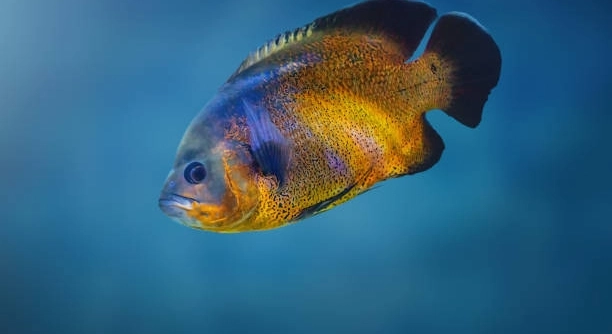
Oscar fish are known for their curious and sometimes unpredictable behaviors, especially when it comes to sudden changes in their environment. One of the factors that affect their reactions is noise.
Oscar fish are highly sensitive to sudden sounds in their environment. Their reactions can range from hiding in corners to displaying aggressive behaviors. These fish perceive noises as potential threats, causing them to act out in various ways.
By understanding how Oscar fish respond to loud noises, you’ll gain insight into their behavior patterns. This knowledge can help improve their care and environment for a more peaceful tank experience.
1. Understanding the Initial Reaction to Loud Noises
Oscar fish can immediately respond to sudden sounds by darting to the farthest corner of the tank. This instinctual reaction comes from their natural fight or flight response. In their wild habitats, loud noises often signal danger, prompting these fish to hide. When they feel threatened, Oscars may freeze in place or swim erratically, trying to escape the source of the noise. This can happen even with simple sounds like a door slamming or a loud conversation near the tank. Since they associate loud noises with potential harm, it’s important to recognize that this is a survival instinct rather than just an overreaction.
While loud sounds can make Oscars anxious, it’s essential to avoid over-stimulating them. Prolonged exposure to noise could lead to stress and affect their overall well-being. Keeping your aquarium environment calm and peaceful will encourage your Oscar fish to thrive. Over time, they may become more accustomed to normal household noises but will still react strongly to sudden, sharp sounds.
2. Impact of Noise on Behavior and Health
Oscar fish are highly sensitive to changes in their environment, including sound. Their stress levels increase when exposed to loud or constant noise. This can lead to more frequent hiding, loss of appetite, or even aggression.
Noise can disrupt the delicate balance of their tank. When stressed, Oscar fish may lose their desire to eat, which could lead to malnutrition if it happens too often. They might also act more aggressively, attacking tankmates out of fear or discomfort. To maintain a healthy environment, consider the acoustics around the tank and reduce noise pollution.
3. The Role of Tank Setup in Noise Sensitivity
Oscar fish’s sensitivity to noise is often influenced by the setup of their tank. If the tank is placed in a high-traffic area, they may react more to unexpected sounds. Positioning the tank in a quieter spot can reduce their stress and provide a safer space for them.
The sound vibrations from the surroundings easily travel through the water, affecting the Oscar fish. Glass tanks amplify noise, which may make the fish feel more vulnerable. To minimize noise stress, consider placing the tank away from areas with frequent foot traffic or sudden noises. Adding decorations like plants or rocks can help buffer some of the sound, giving Oscars a sense of security.
Oscars are also known to be territorial. A noisy environment can heighten their feeling of being threatened. As a result, they may exhibit more aggressive behavior or hide more often. A calm and controlled environment will allow Oscars to relax, making them less likely to react aggressively or hide when they hear sounds. The goal is to create a peaceful atmosphere that lets them feel safe.
4. How Tankmates Influence Oscar Fish’s Reactions to Noise
The presence of other fish in the tank can impact how an Oscar responds to sudden noises. If tankmates are also startled by noise, it can cause a ripple effect, amplifying the Oscars’ reaction. Fish that are more skittish may add to the overall stress.
When Oscars are kept with more peaceful species, they tend to be less anxious. However, if they share the tank with aggressive or easily startled fish, their behavior may change. Oscars may become more territorial or defensive. These changes could lead to further anxiety or aggressive interactions when loud noises occur. Ensuring that tankmates are compatible with Oscars is key to maintaining a calm environment.
Keeping Oscars with species that are less affected by noise can help create a more balanced ecosystem. In this setup, Oscars might react less dramatically to sudden sounds. If you’re planning to add new tankmates, consider their temperament. Calm companions will make it easier for Oscars to adjust to environmental noise without overreacting.
5. The Influence of Tank Lighting on Oscar Fish
Bright or flickering lights can also affect how Oscar fish respond to noise. Their stress level may increase when the lighting is harsh or erratic, especially in combination with sudden sounds. A more stable and calm lighting setup can help them feel more secure.
Oscars are more sensitive to sudden environmental changes. Bright lights paired with loud noises can make them feel disoriented or unsafe. Consider using soft, consistent lighting to reduce any additional stress. Dimming the lights or using a timer to mimic a natural day-night cycle can create a calmer atmosphere for the fish, making them less likely to react negatively to unexpected sounds.
6. How Feeding Times Can Be Affected by Noise
Noise during feeding times can cause Oscars to lose their appetite. Even though they are usually voracious eaters, the disruption of their feeding routine due to loud sounds can result in hesitation or refusal to eat.
When feeding Oscars, ensure the environment remains calm. Loud noises might cause them to retreat or act aggressively, avoiding food. It’s best to feed them in a quiet environment and avoid disturbing their tank during these times. A peaceful atmosphere will encourage them to feed without distractions, ensuring proper nutrition.
7. Noise Sensitivity and Breeding Behavior in Oscars
Oscar fish may also react to noise differently when they are breeding. During breeding periods, they are even more sensitive to disturbances. Loud noises can stress them out, causing the parents to abandon their nests or become aggressive toward each other.
During breeding, Oscar fish tend to protect their nests and fry. Any sudden noise can disrupt this behavior and lead to failed breeding attempts. To encourage a successful breeding cycle, it’s important to create a quiet and stable environment. Minimizing noise during this sensitive time will reduce stress on the parents, helping them focus on caring for their young.
FAQ
1. How do I reduce noise around my Oscar fish tank?
To reduce noise around your Oscar fish tank, place it in a quiet area away from high-traffic zones. Avoid placing the tank near loud appliances or electronic devices. Using soundproof materials like foam or acoustic panels around the tank can help muffle external noise. Additionally, ensure the tank is stable and not subject to vibrations from nearby objects or movements. Keeping the tank area calm and consistent will create a more peaceful environment for your Oscar fish, minimizing their stress response.
2. Can Oscar fish get used to the noise in their environment?
Yes, Oscar fish can get used to the regular noises in their environment over time. However, they may remain sensitive to sudden or loud noises. Consistency in the sound level is key. If they hear the same noises regularly, they might learn to ignore them and not react as strongly. But even with regular exposure, loud, unexpected sounds can still trigger a stress response. It’s important to ensure that noise levels stay within a manageable range to keep them comfortable.
3. Will Oscar fish stop reacting to loud noises completely?
Oscar fish might never completely stop reacting to loud noises, as they are inherently sensitive to their environment. Even with time, sudden, sharp sounds may trigger their fight or flight response. However, with a stable and calm environment, their reactions can become less intense. Over time, Oscars can become more accustomed to regular household sounds like talking or background noise but will still react strongly to louder or unfamiliar sounds.
4. How can I tell if my Oscar fish is stressed by noise?
When an Oscar fish is stressed by noise, it may exhibit several behaviors. These can include hiding in corners, swimming erratically, or staying near the bottom of the tank. Some Oscars may become more aggressive or territorial. Loss of appetite or a reluctance to come to the surface for feeding can also signal stress. If your Oscar is acting unusually quiet or avoiding normal activities, it’s a sign that noise might be affecting them. Monitoring their behavior can help you determine the cause of their stress.
5. Can noise affect my Oscar’s health in the long term?
Yes, prolonged exposure to high noise levels can affect an Oscar fish’s health. Chronic stress due to loud or constant noises can weaken their immune system, making them more susceptible to disease. Stress can also result in poor eating habits, which could lead to malnutrition. In some cases, extreme stress may even cause heart issues or premature death. Maintaining a calm, stable environment is essential for the long-term health of your Oscar fish.
6. Can I train my Oscar fish to not react to loud noises?
Training an Oscar fish to not react to loud noises is challenging due to their natural instincts. While some acclimatization to normal household sounds may occur, it’s unlikely they will completely stop reacting to loud or sudden noises. The key is to reduce unnecessary disturbances around the tank and maintain a quiet, peaceful environment. Over time, they may become less sensitive to noise, but there will always be a level of natural instinct that prompts them to react.
7. How does noise affect my Oscar’s behavior during feeding?
Noise can negatively affect your Oscar fish’s behavior during feeding times. Loud or sudden noises may make them hesitate to eat or cause them to retreat. Oscars are naturally curious and tend to approach food quickly, but if they feel threatened by noise, they might avoid eating altogether. A calm and quiet environment is ideal during feeding, allowing them to eat comfortably. If your Oscar consistently avoids food during noisy periods, try feeding them in a quieter space or during a time when there is less disturbance.
8. Is it okay to have other noisy pets around Oscar fish?
Other noisy pets, such as dogs or birds, can increase the stress levels of your Oscar fish. The sounds of barking or chirping may disturb them, making them feel anxious or unsafe. While some Oscars may adapt to these noises, it’s essential to monitor their behavior. If they show signs of stress, such as hiding or becoming more aggressive, it may be a good idea to reduce the noise around their tank. Placing the tank in a quieter part of the home or creating barriers to block the sound can help reduce the impact on your fish.
9. How can I calm my Oscar fish after a noise-induced stress response?
If your Oscar fish is stressed due to a loud noise, the best way to calm them is to reduce external disturbances and provide a peaceful environment. Turn off any loud appliances, keep the area around the tank quiet, and ensure there are no sudden movements or vibrations. If the Oscar is hiding, give them time to adjust. You can also reduce the lighting in the tank to help them feel more secure. Patience is key, as Oscars will eventually calm down in a stable, quiet environment. Ensure that they have a consistent routine to help reduce overall stress.
10. Can noise affect Oscar fish during breeding?
Yes, noise can significantly affect Oscar fish during breeding. When Oscars are preparing to breed or are tending to eggs or fry, they become especially protective and sensitive to their environment. Loud or sudden noises may cause them to abandon their nest or even become aggressive toward each other. To promote successful breeding, it’s crucial to minimize noise and keep the environment calm. Create a quiet space where they can focus on their nesting activities without distractions. Reducing noise during this time will help ensure that the breeding process goes smoothly.
Final Thoughts
Oscar fish are fascinating creatures with unique behaviors that can be affected by changes in their environment, including loud noises. While they are resilient, their natural instincts can cause them to react strongly to sudden sounds. This stress response is something to keep in mind as you care for them. If you notice that your Oscar fish are frequently hiding or behaving aggressively, it might be due to noise disturbances in their surroundings. Understanding their sensitivity to sound and taking steps to reduce unnecessary noise can help improve their overall well-being.
Setting up a calm and quiet environment is crucial for maintaining a healthy, happy Oscar fish. A stable tank setup, away from high-traffic areas, will allow your fish to feel more secure and reduce their stress levels. Avoid placing loud appliances near the tank or creating vibrations that might travel through the water. Over time, Oscars can become accustomed to typical household sounds, but sudden or sharp noises will always catch their attention. It’s essential to provide them with a space where they can relax without constant disruptions. This will help them thrive and feel safe in their habitat.
In conclusion, keeping your Oscar fish in a peaceful environment is one of the best ways to ensure they remain calm and healthy. By paying attention to their reactions to noise and making adjustments to their surroundings, you can significantly reduce stress. Maintaining a steady and quiet atmosphere, especially during feeding and breeding times, will support their natural behaviors and prevent unnecessary anxiety. Oscars may never completely stop reacting to loud noises, but with a bit of care and understanding, you can create an environment that supports their well-being and helps them feel comfortable in their home.

Hello,
If you enjoy the content that we create, please consider saying a "Thank You!" by leaving a tip.
Every little bit helps us continue crafting quality advice that supports the health, happiness, and well-being of pets around the world, for pets of all shapes, sizes, and species.
We really appreciate the kindness and support that you show us!