
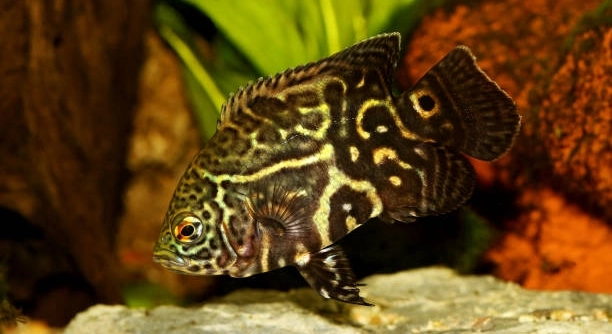
Oscar fish are fascinating creatures with distinct personalities. While many owners enjoy their vibrant colors and playful behaviors, some of their habits can seem unusual. Understanding these quirks can help ensure your Oscar fish thrives in its tank.
Oscar fish often engage in odd behaviors that are completely normal. These actions, including glass-surfing, territorial aggression, and a strong feeding response, are part of their nature. These habits help them communicate and adjust to their environment.
From quirky movements to unique feeding habits, there’s more to these fish than meets the eye. Their behaviors are essential for their well-being, and understanding them will help you care for your Oscar fish better.
1. Glass-Surfing: An Oscar’s Need for Space
Oscar fish are known for their habit of swimming along the tank glass, often at the edges or corners. This behavior is commonly called “glass-surfing.” It may seem like they’re constantly on the move, but it’s usually a sign of restlessness or boredom. Oscars are naturally curious, and they may swim back and forth trying to engage with their surroundings or explore their space.
In their natural habitat, Oscar fish would swim large distances, but in captivity, they may not have as much room to roam. This need for exploration can lead them to repeatedly swim up and down the glass, sometimes appearing to “chase” their own reflection.
A key to reducing this behavior is providing more enrichment in the tank. Adding more decorations, plants, or even tank mates can help keep your Oscar occupied. But remember, this glass-surfing is nothing to worry about—it’s just a part of their nature.
2. Aggression Towards Tank Mates
Oscars are known for their aggressive behavior, especially in the presence of other fish. This aggression often manifests when they feel their territory is being invaded. In their natural habitat, Oscars are territorial, so this instinct carries over into the tank environment. If they feel threatened by another fish, they may flare up, chase, or even nip at the intruder.
This behavior can be intensified when there are few hiding spots or places to establish boundaries. It’s important to consider tank size and the species of fish you’re adding to an Oscar’s environment. They thrive in large tanks, where there’s enough room for both the Oscar and its potential tank mates to have their space.
While territorial aggression is normal, you can reduce conflicts by carefully choosing compatible fish. Larger species or fish that are similarly assertive may coexist better with Oscars. However, even then, it’s best to monitor their interactions to ensure peaceful cohabitation.
3. Shaking or Quivering Behavior
Oscar fish sometimes exhibit a shaking or quivering motion, which might seem odd if you’re unfamiliar with it. This behavior is usually a sign of excitement or readiness to feed. Oscars are highly responsive to feeding time, and they often show visible anticipation. The shaking might also be a sign of stress or frustration if they are hungry or if their needs aren’t being met.
While shaking can happen when food is near, it’s not always directly related to feeding. In some cases, Oscars may shake in response to changes in their environment, like a new tank mate or a shift in water conditions. They may also exhibit this behavior when interacting with other fish, signaling dominance or simply expressing energy.
While shaking is usually harmless, it’s essential to ensure that your Oscar is comfortable in its environment. Make sure their tank is well-maintained and that they’re not facing excessive stress. Shaking can be a normal part of their behavior, but it’s always good to keep an eye on their overall well-being.
4. Constantly Digging and Moving Substrate
Oscar fish are notorious for rearranging the gravel or substrate in their tanks. They tend to dig and move the rocks or sand around, often making a mess. This may seem like an odd habit, but it’s actually an instinctive behavior. In the wild, Oscars dig to find food or to create shelters. They are naturally bottom-dwelling fish, so this behavior helps them feel more secure.
In a tank, they may dig to create a resting place or to find small hidden morsels of food. The act of digging and moving the substrate is a way of keeping busy and ensuring their environment is more to their liking. While this may seem like an inconvenience for tank owners, it’s a normal, instinctive behavior that they can’t easily stop.
To manage this behavior, it’s important to have a stable substrate that won’t be easily disturbed. Additionally, providing enough food and hiding spots can keep them from feeling the need to dig constantly. Just be prepared for a little extra mess as they continue to rearrange their environment.
5. Oscar Fish Playing with Objects
Oscar fish are known for interacting with objects in their tank. They may nudge, push, or even mouth decorations, plants, or other items. This behavior is not unusual and is a sign of curiosity. Oscars are naturally inquisitive creatures, and manipulating objects helps them explore their environment.
This playful behavior is often seen when Oscars are adjusting to a new tank or when they are trying to interact with items in their space. They may treat plants or rocks like toys, pushing them around or even rearranging them. Some owners notice their Oscars playing with floating objects or chasing small items in the tank, almost like they’re engaging in a game.
While it may seem odd, this behavior is harmless and part of their natural instincts. Playing with objects provides mental stimulation, which is important for their well-being. Keeping the tank interesting with new objects or different hiding places can encourage more positive interactions.
6. Swimming Upside Down
It can be unsettling when an Oscar fish begins swimming upside down or on its back. However, this behavior is typically normal and not a sign of illness. In some cases, Oscars will swim upside down as part of their unique way of exploring their surroundings. This position might also indicate curiosity or an attempt to engage with something that interests them.
While an Oscar swimming upside down might look strange, it’s often temporary and harmless. It can also occur when they are near the surface of the water or engaging in playful behaviors with tank mates or objects. Oscars do have the ability to swim in various orientations and can change direction quickly.
If this behavior is persistent or accompanied by other signs of illness, like bloating or lethargy, then it could be worth investigating further. But in general, seeing an Oscar fish swim upside down once in a while is completely normal. It’s just another quirky behavior that makes Oscars unique.
7. Flashing or Scratching on Objects
Oscars may sometimes rub or scratch their bodies on objects in the tank. This behavior is usually linked to irritation or a need to remove something on their skin, like parasites or debris. It’s a natural way for them to groom themselves.
Flashing can also be a sign of stress, especially if they’re feeling uncomfortable in their environment. Poor water quality or a sudden change in their habitat can cause Oscars to scratch or rub their bodies. If they’re rubbing against the tank’s sides or objects, it might be a sign they’re trying to relieve irritation.
Regular water changes and ensuring the tank is free from harmful substances can help minimize this behavior. If scratching continues or becomes excessive, it may be worth checking for skin infections or parasites.
8. Laying on the Bottom of the Tank
Occasionally, Oscar fish may rest on the bottom of their tank for extended periods. While this behavior might seem alarming, it’s often perfectly normal. Oscars, like other fish, need rest and will occasionally choose to lie on the substrate to relax or sleep.
However, if your Oscar is spending a lot of time on the bottom and showing other signs of distress like lethargy or poor appetite, it could indicate a problem with water quality or health issues. Maintaining a stable environment and ensuring your Oscar feels safe and secure will help keep this behavior in check.
9. Biting at the Water Surface
When Oscars start biting or splashing at the water’s surface, it can be both amusing and puzzling. This behavior typically occurs when they’re excited, hungry, or curious. Oscars are known to be very responsive to feeding time, and this biting is often a sign that they’re anticipating food.
This can also happen when Oscars interact with objects at the surface, trying to get a better look or manipulate something they find interesting. Biting the surface might also happen when Oscars are establishing their dominance over their tank or asserting territorial behavior.
It’s important to ensure that this behavior is not due to stress, as it can sometimes be a sign of frustration or a response to changes in their environment. Keeping a consistent feeding schedule and enriching their space with plants or decorations can reduce unnecessary biting.
FAQ
Why is my Oscar fish constantly hiding?
Oscars are known to be curious and social fish, but sometimes they hide for reasons that are related to their environment or health. If your Oscar is hiding frequently, it might feel stressed, scared, or unwell. Stress can come from many sources, such as sudden changes in water conditions, overcrowding in the tank, or the presence of aggressive tank mates. Oscars, being territorial creatures, may also seek hiding spots when they feel their space is being invaded or if they need a break from the activity around them.
If your Oscar is hiding more than usual, check the water parameters like temperature, pH, and ammonia levels. Also, make sure that the tank is large enough for your fish to establish a territory. Sometimes, simply adding more plants or structures can help them feel secure without needing to hide constantly.
Why is my Oscar fish so aggressive?
Oscar fish can be quite territorial and aggressive, especially as they mature. They may display aggression toward other tank mates, sometimes chasing or nipping at them. This behavior is most common when there’s a lack of space, or the Oscar feels its territory is being threatened. In the wild, Oscars naturally defend their area to protect resources such as food and shelter. This behavior carries over into captivity, where they may become defensive over their space in the tank.
To reduce aggression, ensure that your tank is large enough for your Oscar to claim its territory. If you’re adding other fish, choose species that are similarly assertive or can tolerate some aggression. Also, providing hiding places and decorations will allow your Oscar to establish boundaries and feel more secure.
Why does my Oscar fish swim upside down?
Seeing an Oscar fish swim upside down can be concerning, but it’s usually not a cause for alarm. Oscars are capable of swimming in various orientations, and this occasional upside-down behavior can simply be a sign of curiosity or excitement. They might swim upside down when exploring their environment, particularly if something interesting catches their attention near the tank’s surface or in their surroundings.
However, if your Oscar is consistently swimming upside down and showing signs of distress, such as floating or difficulty righting itself, it could be a sign of a more serious issue like swim bladder disease. In such cases, check the water quality and ensure your fish isn’t suffering from any underlying health problems.
What should I feed my Oscar fish?
Oscar fish are carnivorous and need a protein-based diet to stay healthy. A good diet for Oscars includes a mix of high-quality pellets, live or frozen foods like worms, shrimp, and small fish. They will also eat certain vegetables like peas or spinach occasionally, but protein should make up the majority of their diet.
It’s important to vary their food to keep them engaged and ensure a balanced diet. Oscars are known to be messy eaters, so make sure you don’t overfeed them, as excess food can quickly pollute the water. It’s also a good idea to feed them small amounts throughout the day to mimic natural feeding behavior.
How can I stop my Oscar from scratching on objects?
If your Oscar is scratching or rubbing against objects in the tank, it could be a sign of irritation, either from parasites or environmental factors. In most cases, Oscars will scratch when they feel uncomfortable due to poor water quality or skin infections. Ensure that your tank water is clean and free from toxins, and check the water parameters regularly.
You may also want to consider adding a salt bath or medicated treatments if you suspect your Oscar is dealing with external parasites. It’s always a good idea to separate the infected fish into a quarantine tank to prevent the issue from spreading to other tank mates.
What is the best tank size for an Oscar fish?
Oscar fish are large, active fish that require plenty of space to thrive. The minimum recommended tank size for one Oscar is 55 gallons, though larger tanks are always better. As Oscars grow, they need more space to swim and establish their territory. A 75-gallon tank is ideal for a single Oscar, and for multiple Oscars or other large fish, you should aim for a 100-gallon tank or larger.
The size of the tank is crucial in preventing aggression and territorial behavior. A larger tank provides more room for the Oscar to explore and claim its space, which can reduce stress and the likelihood of conflict with other fish.
Why is my Oscar fish not eating?
If your Oscar suddenly stops eating, it could be due to several reasons. Stress is a major factor, especially if there have been recent changes in the tank, like new tank mates, changes in water conditions, or even loud noises. Oscars may also refuse food if they’re feeling unwell or if there is a shift in their diet or feeding routine.
Check the water quality and ensure that the temperature, pH, and ammonia levels are stable. If your Oscar is still not eating after a few days, it could be a sign of a health issue, like an internal infection or parasites. Consult with an aquarium expert or a vet if the problem persists.
How do I stop my Oscar from digging in the substrate?
Oscar fish are natural diggers and may move the substrate around to find food or create resting spots. While this behavior is instinctive, it can be messy in a home aquarium. If you want to reduce the amount of digging, try adding larger rocks or decorations that are difficult for your Oscar to move. This will help provide structure and stability in the tank while reducing the desire to dig.
Also, offering more hiding spots and a variety of objects for your Oscar to interact with can distract them from digging. Remember, this is natural behavior, and while it can be inconvenient, it’s important to allow your Oscar to express its instincts in a safe and healthy way.
Is it normal for my Oscar to swim in circles?
Oscars are not typically known for swimming in circles constantly, but occasional circular movements are common. This behavior can indicate curiosity, excitement, or an attempt to investigate an area of the tank. However, if your Oscar is swimming in circles repeatedly or for long periods, it could be a sign of stress or poor water quality.
Swimming in circles can also indicate neurological issues or signs of illness. It’s important to observe your fish and check the tank conditions if this behavior becomes excessive. A sudden change in their environment can often lead to confusion, so maintaining a consistent and stable tank will help reduce this behavior.
How often should I change the water in my Oscar tank?
Oscar fish produce a lot of waste, so regular water changes are essential to maintain a healthy environment. For optimal water quality, it’s recommended to change 25-30% of the tank water every week. If the tank is heavily stocked or your Oscar is particularly messy, you may need to increase the frequency of water changes.
Make sure to test the water for ammonia, nitrites, and nitrates regularly. Keeping the water clean and stable will help prevent health issues, stress, and unwanted behavior in your Oscar. Use a good filtration system to aid in maintaining water quality between changes.
Final Thoughts
Oscar fish are fascinating creatures with unique behaviors that can sometimes seem odd or confusing. However, most of these behaviors are completely natural and part of their instinctive responses to their environment. Whether it’s swimming upside down, scratching on objects, or even displaying territorial aggression, these habits are ways that Oscars interact with their surroundings. Understanding these behaviors can help you better care for your fish and ensure they remain healthy and comfortable in your tank.
It’s important to remember that Oscar fish, like all pets, require attention to detail when it comes to their habitat. They need a well-maintained tank, proper water conditions, and enough space to thrive. By keeping an eye on their behaviors and recognizing when something is off, you can quickly address any potential issues before they become major problems. Providing a variety of hiding spots, proper filtration, and regular water changes will keep your Oscar fish active, happy, and healthy.
Lastly, every Oscar fish is different, and while these habits are common, each fish has its own personality. Some Oscars may be more aggressive, while others may enjoy more peaceful interactions. It’s essential to keep observing your fish and adjust their environment as needed. With the right care, your Oscar will live a long, fulfilling life, showcasing all the quirks and behaviors that make them such interesting and enjoyable fish to keep.

Hello,
If you enjoy the content that we create, please consider saying a "Thank You!" by leaving a tip.
Every little bit helps us continue crafting quality advice that supports the health, happiness, and well-being of pets around the world, for pets of all shapes, sizes, and species.
We really appreciate the kindness and support that you show us!