
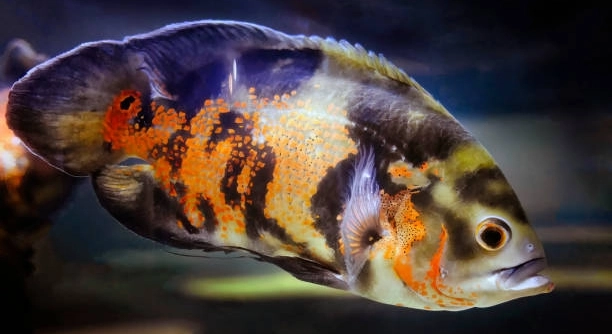
Settling into a new tank can be a stressful experience for Oscar fish. Understanding their behavior during this transition can help ensure a smooth adjustment period. Recognizing signs of comfort is essential for their well-being.
Oscar fish exhibit several key signs when they are settling into a new tank. These signs include exploring their environment, displaying normal feeding behavior, and maintaining a stable body posture. These behaviors indicate that the fish are adapting to their new surroundings.
Recognizing these signs early helps you monitor their adjustment process and ensures their comfort in the new tank environment.
Oscar Fish Exploring Their New Tank
Oscar fish are naturally curious, and their exploration of the new tank is a good sign that they are adjusting. They may swim around the tank more actively, checking out all the corners and decorations. This exploratory behavior helps them become familiar with their new environment. During this time, they may spend time near objects like plants, rocks, or tank decorations, showing an interest in their surroundings. If the fish are swimming and interacting with the environment, it shows they are not stressed and are starting to feel more comfortable.
It’s important to monitor how often the fish are exploring. Prolonged inactivity could indicate stress or discomfort. In such cases, adjusting the water temperature or ensuring the tank is properly decorated can help.
However, the exploring behavior does not always last long. Once they become comfortable with the space, they will likely settle into a more relaxed swimming pattern.
Healthy Eating Habits
A clear sign that your Oscar fish are adapting is their eating habits.
Oscars are known for being hearty eaters. If they are regularly consuming their food without hesitation, this is an indicator that they are adjusting well. They will show their interest by coming to the surface when food is introduced. This type of behavior suggests they feel secure in their new environment. If they’re eating consistently and eagerly, there’s no need to worry about their health during this transition.
If your Oscar fish are not eating, it could signal they are still adjusting or facing an issue in the tank environment. For instance, improper water conditions or tank mates can lead to a lack of appetite.
Normal Swimming Patterns
Oscar fish typically swim in a calm, steady manner once they start adjusting. If they swim around the tank with smooth movements, it’s a positive sign. Erratic or sporadic swimming can indicate stress. They should also spend time near the middle or bottom of the tank, as this is their natural habitat.
As the Oscar becomes more comfortable, their swimming should become less hesitant. They will explore different areas of the tank while maintaining a more relaxed pace. This steady swimming indicates that the fish is no longer nervous or frightened by its new environment. Over time, they may even interact with tank decorations.
If your Oscar shows consistent movement and engages with the surroundings, it’s an indicator of adaptation. It’s important to check the water quality regularly, as poor water conditions can cause erratic swimming patterns and stress.
Hiding Behavior
Some Oscar fish will hide during the first few days or weeks in a new tank. Hiding is natural, especially if they feel overwhelmed by the change. If your Oscar spends time in a corner or behind decorations, it’s not a sign of poor health.
They may retreat to a secluded area of the tank as a way to feel more secure. The tank’s lighting, the presence of tank mates, or sudden changes in water conditions may also cause your Oscar to seek shelter. Give the fish time to adapt and allow them space to feel comfortable.
If the hiding persists for an extended period, it’s important to assess the tank’s conditions. Ensure the water temperature is optimal, and that tank mates are compatible. Stress from aggressive tank mates can lead to excessive hiding, so it may be worth adjusting the environment.
Reduced Aggression
Oscar fish are known for their territorial nature. When they begin settling into their new tank, they may show signs of reduced aggression. This can be seen in less defensive behavior, such as fewer displays of fin flaring or chasing other fish.
Reduced aggression means your Oscar is feeling more comfortable in its environment. It indicates they are less stressed and are adapting to the new surroundings. If they are more relaxed and not aggressively defending their space, it’s a clear sign of improvement.
However, if aggressive behavior continues, it could point to issues such as overcrowding or incompatible tank mates.
Healthy Coloration
The coloration of your Oscar fish is another clear sign of settling in. Once they begin to adapt, their colors should become more vivid and vibrant. Stress can cause dull or faded colors, so brighter tones indicate improvement in their condition.
Color changes can also depend on water quality. Poor conditions may cause Oscars to look washed out. A well-balanced environment with proper filtration and temperature can help maintain healthy coloration. If the Oscar’s color remains consistent or improves, it’s a good sign they are settling in well.
FAQ
What should I do if my Oscar fish isn’t eating?
If your Oscar fish isn’t eating, there could be a few reasons. First, check the water quality. Poor water conditions, such as incorrect temperature or high levels of ammonia, can make the fish feel uncomfortable. Next, consider the food you’re offering. Oscars are carnivores, so make sure you’re providing a variety of protein-rich foods. If the fish is still refusing food after a few days, it might be stressed or adjusting to the new tank. Monitor its behavior closely, and if the lack of appetite continues, consider consulting an expert.
How long does it take for an Oscar fish to settle into a new tank?
The time it takes for an Oscar to settle into a new tank can vary depending on the fish and the environment. Typically, it may take anywhere from a few days to a few weeks. During this time, they might hide, avoid food, or exhibit signs of stress. Give them plenty of space and avoid stressing them further with sudden changes. If the tank conditions are ideal, the Oscar will gradually adjust and start showing normal behavior. Consistent water quality and temperature can help speed up the settling process.
Can Oscar fish live with other fish?
Oscar fish can live with other fish, but their compatibility depends on the tank mates. Oscars are aggressive and territorial, especially as they grow larger. They can be kept with other large, peaceful fish like plecos, cichlids, or other tough species. However, they should not be housed with small or peaceful fish, as Oscars may see them as prey. Always monitor interactions closely, especially in the beginning, to ensure that the tank mates are getting along.
Why is my Oscar hiding so much?
Hiding behavior is normal for Oscar fish when they are adjusting to a new tank. The change in environment can be stressful, and Oscars may seek refuge in corners or behind decorations to feel safe. If this behavior lasts for several weeks, however, it could indicate problems with the water conditions or other stress factors. Ensure that the tank is properly decorated with hiding spots and that the water temperature and pH are suitable for the Oscar. Stress from tank mates or the lighting could also be contributing factors.
How do I know if my Oscar fish is stressed?
Signs of stress in Oscar fish include erratic swimming, lack of appetite, hiding for long periods, and changes in coloration. A stressed Oscar might swim in circles or dart around the tank in an unnatural way. They may also stop eating or eat less than usual. If the fish is hiding excessively or behaving aggressively toward other tank mates, it could be an indication of stress. To reduce stress, ensure the water quality is optimal, the tank is not overcrowded, and that the Oscar has adequate space to swim.
Can Oscar fish live in cold water?
Oscar fish are tropical fish, and they require warm water to thrive. The ideal water temperature for Oscars is between 75°F and 80°F (24°C – 27°C). Cold water can stress them out, weaken their immune systems, and make them more susceptible to diseases. If your tank is too cold, the Oscar may display signs of lethargy or hide more frequently. Always use a reliable heater to maintain the proper temperature range for your Oscar’s health.
Why is my Oscar fish turning white?
Oscar fish can turn white due to various reasons, with the most common being stress, illness, or water quality issues. If your Oscar is turning pale or showing white patches on its body, it could be a sign of a fungal or bacterial infection. Poor water conditions, such as high ammonia levels or incorrect pH, can also cause this discoloration. It’s important to monitor the water quality and consider a water change. If the issue persists, consult a vet or an aquarium expert to rule out disease.
How often should I feed my Oscar fish?
Oscar fish should be fed once or twice a day, depending on their age and size. Young Oscars may require more frequent feedings, while adults can be fed once daily. Be mindful of portion size, as overfeeding can lead to water quality issues and obesity in Oscars. Offer a variety of food options, including pellets, frozen or live food like worms, shrimp, or small fish, to provide a balanced diet. Make sure to remove any uneaten food after 10-15 minutes to keep the tank clean.
Is it normal for Oscar fish to be aggressive?
Yes, Oscar fish are naturally aggressive, especially as they mature. They are territorial and will defend their space from other fish. This aggression can be directed at other tank mates, particularly smaller fish or those that enter their territory. While some Oscars may show less aggression, most will display territorial behaviors like chasing or flaring their fins. If you’re keeping multiple Oscars or other large fish, it’s crucial to have a large tank with plenty of hiding spots to reduce aggression and allow each fish to claim its own space.
How can I tell if my Oscar fish is healthy?
A healthy Oscar fish will have vibrant colors, clear eyes, and a smooth, intact body. It will swim confidently without signs of stress, such as excessive hiding, erratic swimming, or uncoordinated movements. The fish should be active during feeding time, showing interest in food and eating regularly. If your Oscar has a normal appetite, swims actively, and has clear, colorful scales, it’s a good sign that it is healthy. Regular water changes, proper filtration, and a balanced diet also contribute to keeping the Oscar healthy.
Final Thoughts
Settling into a new tank can be a stressful experience for Oscar fish, but with the right environment, they will begin to adjust. Key signs of settling in include reduced aggression, normal swimming patterns, and healthy eating habits. Over time, their behavior should become more relaxed, and their vibrant colors will return. It’s important to be patient and avoid making rapid changes to the tank. Giving them time to feel secure and comfortable in their new surroundings will lead to a smoother transition.
Providing a stable environment is crucial to help your Oscar fish thrive. Keep the water temperature consistent, maintain proper filtration, and ensure the tank is large enough to meet the fish’s needs. Tankmates should also be carefully chosen, as Oscars can be territorial and aggressive. Regular maintenance, such as checking the water quality and monitoring the fish’s health, can prevent many common issues during the settling-in period. Adjusting the tank gradually and giving the fish enough space to explore will allow them to adapt with minimal stress.
By paying attention to the signs of stress and comfort, you can help your Oscar fish settle in more quickly. Every fish is different, and some may take longer to adjust than others. As long as the environment is suitable and consistent, your Oscar should eventually become accustomed to its new home. Remember, the key is patience. Providing the right care and environment will help ensure your Oscar fish remains healthy and happy in its new tank.

Hello,
If you enjoy the content that we create, please consider saying a "Thank You!" by leaving a tip.
Every little bit helps us continue crafting quality advice that supports the health, happiness, and well-being of pets around the world, for pets of all shapes, sizes, and species.
We really appreciate the kindness and support that you show us!