
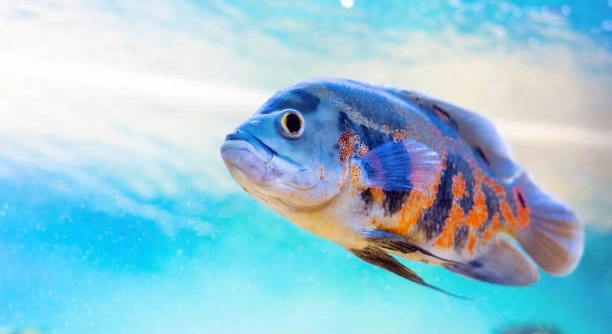
Moving Oscar fish can be a delicate process. They are sensitive to changes in their environment, so careful planning is essential. Understanding the common mistakes can ensure their safe relocation and a smooth transition to their new home.
To avoid stress and health risks, never overlook water temperature, filtration, or overcrowding during transport. Ensure the container is secure, and minimize exposure to air. Failing to address these factors may lead to fatal consequences for your fish.
Proper care during transport can make a significant difference in your Oscar’s well-being. Taking a few extra precautions ensures a healthier transition for your fish and peace of mind for you.
Water Temperature Matters
One of the biggest mistakes when moving Oscar fish is neglecting water temperature. Oscars are sensitive to temperature changes, and sudden fluctuations can cause stress or even death. Before moving your fish, ensure that the water temperature in the container is similar to the tank’s water. Use a thermometer to monitor the temperature. It is also essential to acclimate the fish slowly to avoid thermal shock. If the water is too cold or too hot during transit, it will significantly increase the risk of harming your Oscar. Keep the water temperature stable to ensure a smooth transition for your fish.
Make sure the water stays consistent throughout the move. You can use portable heaters or ice packs, depending on the temperature needs.
Remember, drastic temperature changes can cause your Oscar to go into shock, which can be fatal. Plan accordingly and invest in the right equipment to keep the water temperature stable during the move.
Proper Filtration
During the move, filtration may be overlooked, but it is crucial to maintaining water quality. Even short travel distances can cause the water to become dirty quickly, which can stress your Oscar. A portable filtration system or an air pump can help maintain oxygen levels and prevent toxins from building up in the water.
A simple battery-powered filter or air stone ensures that the water stays clean and breathable during the move. Keep in mind that proper filtration will prevent harmful bacteria from growing, which could affect the health of your Oscar once it reaches its new home.
Maintaining clean water is vital for the health of your fish. Without adequate filtration, your Oscar may be exposed to toxins, which can compromise its immune system and cause long-term health problems. Be sure to prioritize clean water during transport, especially for long trips.
Container Choice
The right container is key to ensuring a safe move for your Oscar fish. Use a sturdy, water-tight container large enough for your fish to swim comfortably. Avoid using plastic bags as they offer poor ventilation and can stress your fish. A secure, portable container will minimize movement, reducing the risk of injury.
When choosing a container, opt for one with a lid to prevent splashing or escape. It should be large enough to hold your fish but not too spacious that it allows too much movement. Consider using a container that holds at least 10-15 gallons of water for one Oscar. If you are moving multiple fish, use a larger tank or separate containers.
A secure container also helps in maintaining water stability, keeping temperature and oxygen levels more consistent. Make sure the container is clean and free from any chemicals or residues. This precaution will help prevent unnecessary stress on your fish and ensure its safe transport.
Overcrowding
Overcrowding during transport can cause serious harm to your Oscar fish. Even if the container is large, squeezing multiple Oscars into a small space can increase stress and reduce oxygen levels. This may lead to aggression or the spread of disease, especially in a confined space. Keep each fish in its own container for a smoother relocation.
If you need to transport multiple Oscars together, ensure there’s enough space to prevent overcrowding. The container should allow each fish to swim comfortably without constant contact with one another. Overcrowding can also cause the water quality to degrade faster, leading to a toxic environment that could harm your fish.
To avoid overcrowding, consider separating your Oscars by size or temperament. Keep in mind that Oscars are territorial and may become aggressive when placed together. Providing each fish its own space will minimize the chances of injury or stress during the move, helping to keep them calm and healthy.
Lack of Oxygen
Oscar fish need oxygen-rich water to stay healthy. During transport, lack of oxygen can quickly lead to stress or suffocation. Use an air pump or oxygen tablets to keep the water oxygenated while moving. This will help maintain the fish’s well-being, especially during long trips.
To ensure a continuous supply of oxygen, you can add an air stone or battery-operated pump to the container. This will prevent the water from becoming stagnant and ensure that your Oscar has enough oxygen to breathe. For short trips, make sure the container is well-ventilated.
Maintaining oxygen levels is critical to keeping your fish healthy. Without proper oxygenation, your Oscar will experience stress and could even die. Prioritize oxygen supply during the move to ensure a smooth relocation.
Water Quality
Water quality is just as important as temperature during transport. Without filtration, harmful waste products can accumulate, causing poor water quality. Even a short transport period can result in unhealthy water conditions for your Oscar. Make sure the water is clean and free of toxins.
You can use portable filters or make regular water changes during the move to keep the water quality in check. Water quality deteriorates faster in a small, closed space, especially without proper filtration. Be mindful of the cleanliness of the water and monitor it throughout the transport.
It’s essential to keep an eye on the water quality throughout the move. Poor water conditions will stress your Oscar and affect its health. Ensuring clean water helps prevent stress-related illness, and keeping the water as stable as possible ensures your fish will arrive in good health.
Stress During Transport
Stress is inevitable during the move, but it can be minimized. The key is to make the process as calm and smooth as possible. Avoid exposing your Oscar to loud noises or rapid movements, which could trigger additional stress. Keep the transport environment as stable as possible.
Consider covering the container with a breathable cloth to reduce stress from light and environmental changes. A stable, quiet environment will help your Oscar remain as calm as possible during the trip. Try to minimize sudden temperature or pressure changes, as these can increase stress levels.
Stress can severely affect your Oscar’s immune system. Reducing exposure to stressful conditions during transport will help ensure the fish is not compromised upon arrival. Keep the environment quiet and stable, making the relocation easier on both you and your fish.
FAQ
What is the best temperature for transporting Oscar fish?
When transporting Oscar fish, the water temperature should be as close as possible to the temperature of the tank. Aim for a range between 75°F and 80°F (24°C to 27°C). Sudden temperature changes can shock the fish and increase stress, so it is essential to keep the temperature stable during transport. Using a portable heater or insulated container can help maintain this temperature.
How can I reduce stress during transport?
To reduce stress, keep the environment calm. Avoid loud noises, excessive movement, or changes in light, which can startle the fish. Cover the transport container with a breathable cloth to keep the fish calm and reduce exposure to sudden light changes. The more stable the environment, the less stress your Oscar will experience.
How long can I transport my Oscar fish?
Oscar fish should not be transported for more than 24 hours. Longer trips can cause stress, oxygen depletion, and poor water quality, which can be harmful to your fish. If you need to transport the fish over a longer period, plan for breaks to change the water, maintain oxygen levels, and check the temperature.
Can I use plastic bags for transport?
It is not recommended to use plastic bags for transporting Oscar fish. Bags tend to be too small and do not provide enough space for the fish to move freely. They also restrict airflow, which can lead to oxygen depletion. A larger, more secure container with proper ventilation is a better choice for the transport of your fish.
Should I feed my Oscar before transport?
It’s best not to feed your Oscar for at least 24 hours before transport. Feeding before the move can lead to uneaten food in the water, which can pollute the water and cause problems with water quality. Fish will also be less stressed if their stomachs are empty during transport.
How do I ensure proper oxygen levels during transport?
To ensure proper oxygen levels, you can use a battery-operated air pump or add oxygen tablets to the water. It is also a good idea to fill the transport container only halfway, as this allows for more air in the space. Make sure the container is large enough for your fish to avoid overcrowding, which can reduce oxygen levels.
What should I do if my Oscar shows signs of stress?
If your Oscar shows signs of stress, such as erratic swimming or rapid gill movement, try to reduce stress factors immediately. Keep the container in a quiet, stable place. If necessary, take short breaks to check the water quality, temperature, and oxygen levels. Avoid handling the fish too much, as this can add more stress.
Can I transport multiple Oscars in the same container?
It’s not ideal to transport multiple Oscars in the same container, as they can become territorial and aggressive toward each other. If you need to transport more than one, it’s best to use separate containers. This will reduce stress and prevent injury or conflict during the move.
What kind of container should I use for transporting Oscars?
Choose a container that is large enough to give your Oscar fish enough room to swim comfortably. A 10-15 gallon container for one fish is a good rule of thumb. Make sure the container has a secure lid to prevent the fish from jumping out, and ensure it is made from non-toxic materials.
How do I monitor water quality during transport?
Monitoring water quality is crucial during transport. You can use portable filters or perform regular water changes if the trip is long. Make sure to check the water for debris, waste, and any changes in color. Keeping the water clean will help reduce the chances of stress or disease during the move.
Can I move my Oscar during extreme weather conditions?
It is best to avoid transporting your Oscar fish during extreme weather conditions, such as extreme heat or cold. These conditions can make it difficult to maintain a stable water temperature, which can cause stress or health issues for your fish. If transport is unavoidable, use insulation or heated/portable coolers to maintain a comfortable temperature.
Should I acclimate my Oscar after transport?
Yes, after the transport, you should acclimate your Oscar to its new tank environment slowly. This helps minimize stress and allows the fish to adjust to differences in water temperature, pH, and other conditions. Gradually introducing the fish into its new habitat ensures a smoother transition and lowers the risk of health issues.
Is it necessary to use a filter during transport?
Using a filter during transport is not absolutely necessary, but it is highly recommended. A portable filter or air pump can help maintain water quality and oxygen levels, especially during long trips. If you cannot use a filter, you should plan for frequent water changes to ensure a healthy environment for your Oscar.
What should I do if my Oscar seems unwell after transport?
If your Oscar shows signs of illness after transport, such as lethargy, loss of appetite, or discoloration, it may have been stressed by the move. Check the water quality, temperature, and oxygen levels immediately to ensure a stable environment. If symptoms persist, consult with a veterinarian specializing in fish health.
Can I transport Oscar fish with other types of fish?
It’s generally not recommended to transport Oscar fish with other types of fish, especially smaller or more delicate species. Oscars can be aggressive, and the stress of transport may cause them to behave more aggressively toward other fish. It is safer to transport Oscars alone or with other large, compatible fish.
Final Thoughts
Transporting Oscar fish requires careful preparation to ensure their safety and well-being. The key factors to consider include maintaining proper water temperature, oxygen levels, and water quality during the journey. By addressing these factors, you can help minimize stress for your fish and increase the chances of a successful move. Ensuring that the container is large enough, well-ventilated, and secure is also crucial to avoid any unnecessary problems during transport. Taking these precautions will help your Oscar adjust better to its new environment.
The health of your Oscar fish should always be the top priority when moving them. Avoid overloading the transport container with multiple fish, as this can lead to stress, aggression, and overcrowding. It’s also important to refrain from feeding your fish before the move to prevent contamination of the water and reduce the risk of illness. While it may seem like a good idea to introduce food during transport, it can create more problems than benefits. By focusing on water quality and proper oxygenation, you can ensure that your Oscar remains comfortable throughout the move.
Finally, once your Oscar arrives at its new home, take the time to acclimate it slowly to the new tank. This helps prevent shock from sudden changes in water conditions. Remember, patience and preparation are essential to the process of transporting fish. While the experience may seem stressful, careful planning and attention to detail will make it easier for both you and your Oscar. By following the necessary steps, you can minimize risks and ensure a smooth transition for your fish into its new environment.

Hello,
If you enjoy the content that we create, please consider saying a "Thank You!" by leaving a tip.
Every little bit helps us continue crafting quality advice that supports the health, happiness, and well-being of pets around the world, for pets of all shapes, sizes, and species.
We really appreciate the kindness and support that you show us!