
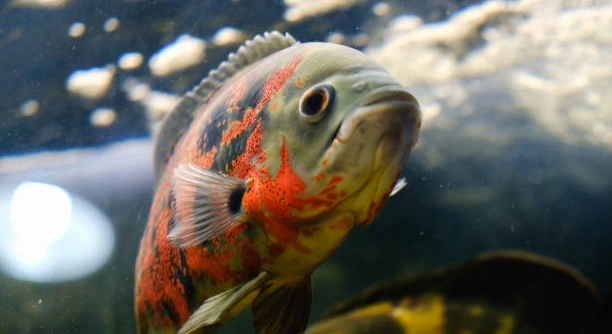
Oscar fish are vibrant and popular aquarium fish, known for their intelligence and personality. However, they can sometimes experience injuries that affect their health and behavior. Identifying the signs early can help ensure their well-being.
The most common signs of an Oscar fish injury include visible wounds, swelling, abnormal swimming, loss of appetite, and changes in behavior. It is essential to monitor your fish regularly and address any concerns immediately to avoid further complications.
Understanding these warning signs will help you identify potential injuries early and take the necessary steps to care for your Oscar fish.
Visible Wounds or Sores
Oscar fish are prone to developing visible wounds or sores, especially if they encounter sharp objects or are involved in territorial disputes. These injuries often appear as cuts, bruises, or scratches on their body. Depending on the severity, wounds may also become infected, leading to further health issues.
If you notice any open sores or wounds, it’s important to act quickly. Clean the tank and ensure no sharp objects or aggressive tankmates are present. In some cases, the injury may require treatment with a salt bath or special aquarium medications to prevent infection. Keeping a close eye on the wound’s healing process is essential to ensure it doesn’t worsen.
Untreated wounds can become a breeding ground for bacteria, causing further harm to your fish. You should also check for any signs of inflammation or redness around the injury. This could indicate an infection that may require immediate attention from a vet or specialized treatment to avoid complications.
Abnormal Swimming Behavior
If your Oscar fish starts swimming erratically or exhibits unusual movements, it could be a sign of injury. This abnormal behavior may include swimming in circles, struggling to stay upright, or avoiding certain areas of the tank. Injuries can cause discomfort, making it difficult for your fish to move normally.
Oscar fish injured by physical trauma may have difficulty swimming, especially if the injury affects their fins or body. Swelling or muscle damage could also lead to instability, making the fish appear lethargic or unable to maintain proper posture. These issues are often a result of physical trauma or infection affecting their balance.
In addition to swimming abnormalities, Oscar fish may display a lack of coordination. They might collide with objects in the tank or struggle to navigate their surroundings. If you notice these behaviors, it’s crucial to isolate the fish and check for injuries. Treatment, such as adjusting water conditions or providing medications, may be necessary to assist with recovery.
Loss of Appetite
A sudden or noticeable loss of appetite is another warning sign that your Oscar fish may be injured. Fish that are suffering from physical trauma often lose their interest in food due to stress, pain, or an inability to feed properly. If your Oscar is not eating, it’s a signal that something is wrong and needs attention.
An Oscar with an injury might have difficulty eating, particularly if the injury involves its mouth or jaw area. This can lead to a loss of appetite and noticeable weight loss over time. Injuries can cause pain when attempting to feed, making it harder for your fish to engage with food as usual.
You can try offering different types of food to encourage eating, but it’s essential to monitor your fish’s condition closely. If the lack of appetite persists for more than a day or two, it’s a sign that the injury may be affecting the fish’s overall health. A veterinarian specializing in fish care could help determine the cause and offer appropriate solutions for treatment.
Aggression from Tankmates
In some cases, Oscar fish may experience aggression from other fish in the tank, leading to injuries. These injuries might not always be immediately visible, but the resulting stress can manifest in behavioral changes. Aggressive tankmates can cause physical harm through chasing, biting, or territorial disputes.
Oscar fish, known for their territorial nature, may often engage in fights, particularly if their tank environment is overcrowded. In these situations, injuries may occur without obvious external signs. However, behavioral changes, such as hiding or aggression toward others, can indicate that your fish has been hurt.
If you suspect that aggression is causing injury, consider rearranging the tank setup or providing hiding places where your Oscar fish can retreat. You may also want to separate the aggressor to prevent further damage. Proper tank size and compatibility with other species are essential in preventing aggression-related injuries in the future.
Swelling or Bloated Appearance
Swelling or a bloated appearance is a common sign that an Oscar fish may have suffered an internal injury or infection. This could result from trauma, such as being bumped by hard objects or from a bacterial or parasitic infection. Swelling can sometimes indicate a more serious underlying issue.
If you notice that your Oscar has swollen areas on its body, particularly around the abdomen or gills, it may be a result of physical damage. In such cases, it is important to monitor the swelling closely and assess any accompanying signs, such as changes in color or unusual behavior.
A bloated Oscar could also show signs of internal organ distress or fluid retention. Ensure the tank’s water parameters are in good condition, as poor water quality can exacerbate swelling. If the swelling does not improve, or if other symptoms appear, a visit to a vet may be necessary.
Unusual Color Changes
Oscar fish may undergo color changes when injured, which can indicate stress or damage to their body. A fish that is usually bright and vibrant may show dullness, discoloration, or patches of pale or dark spots. This can be a direct result of injury, infection, or water quality issues.
In some cases, a change in coloration may be subtle, but it is worth noting. If your fish is injured, you may see darker or lighter areas on its body, which might indicate internal injury or infection. Dull coloration can also suggest that the fish is stressed or not feeling well.
Monitoring water quality is key, as poor conditions can further stress your fish. If color changes are accompanied by other symptoms like swelling or abnormal behavior, seeking professional help is the best option to ensure your fish’s health improves.
Difficulty Breathing
Injuries can sometimes affect an Oscar’s ability to breathe properly, especially if the injury involves its gills or body. A fish that is struggling to breathe may swim near the surface of the water, gasping for air. This is a sign that the fish may be in distress and requires immediate attention.
If your Oscar fish is having difficulty breathing, check for any physical damage around the gills or mouth area. Injuries to these parts of the body can prevent normal oxygen intake, causing the fish to gasp or swim erratically. Make sure the tank’s oxygen levels are optimal and the water is clean.
Improper water conditions, such as low oxygen levels or high ammonia, can also cause breathing problems in your fish. However, if the breathing difficulty is due to an injury, the best course of action is to isolate the fish in a quieter part of the tank to reduce stress and give it time to recover.
FAQ
What should I do if my Oscar fish gets injured?
If your Oscar fish sustains an injury, the first step is to ensure the tank environment is safe and clean. Remove any sharp objects or aggressive tankmates that could cause further harm. If the injury is visible, you might need to clean it gently with a salt bath or aquarium-safe medication. For internal injuries, monitor for other signs like swelling or loss of appetite, and adjust the water quality to reduce stress. If the injury appears severe or if the fish’s condition worsens, consulting a vet who specializes in fish care is recommended.
Can Oscar fish recover from an injury?
Yes, Oscar fish can recover from injuries if they are given the proper care and treatment. The healing process largely depends on the severity of the injury. Minor wounds may heal on their own with clean water and reduced stress, but more serious injuries, such as broken fins or gill damage, may require medical intervention. Providing a quiet, stable environment with optimal water conditions is essential to help your fish recover. If the injury does not improve, it’s important to seek veterinary assistance.
How can I tell if my Oscar fish has an internal injury?
Internal injuries are harder to detect than external ones, but there are a few signs to watch for. If your Oscar fish starts swimming abnormally, loses appetite, or appears bloated, it could be a sign of internal damage. Other signs might include labored breathing or changes in behavior, such as becoming more reclusive or lethargic. If you suspect internal injury, maintaining good water conditions and providing extra care can help. If symptoms persist or worsen, seeking a vet’s help is necessary for proper diagnosis and treatment.
Is it safe to treat my Oscar fish at home?
Many minor injuries or health issues in Oscar fish can be treated at home with proper care, such as improving water conditions, removing any stressors, and applying salt baths or aquarium medications. However, more severe injuries or infections may require professional treatment. If you are unsure about how to treat your fish, it’s always a good idea to consult a vet or fish specialist. Home remedies are effective in some cases, but proper diagnosis is key to ensuring the best care for your fish.
How long does it take for an Oscar fish to heal from an injury?
The healing time for an Oscar fish depends on the type and severity of the injury. Minor wounds can take anywhere from a few days to a week to heal, while more serious injuries may take weeks or even months. It’s important to keep the water clean, provide a stress-free environment, and monitor the fish closely during the recovery period. If there are signs of infection or the injury doesn’t seem to heal, it’s best to consult a professional. Always give your Oscar time to rest and heal properly.
Can Oscar fish live with other fish after being injured?
Whether your Oscar can live with other fish after an injury depends on the injury’s severity and the temperament of both the Oscar and its tankmates. Oscar fish are territorial, and even a slight injury can make them more vulnerable to aggression. It’s important to monitor interactions carefully after an injury and consider separating the injured Oscar from more aggressive tankmates. A peaceful environment helps in recovery. Once the Oscar has healed and regained strength, it may be able to live with other fish again, but always observe their behavior to prevent further injuries.
What are the most common causes of injuries in Oscar fish?
Injuries in Oscar fish are often caused by rough tankmates, sharp objects in the tank, or accidents. Oscar fish are territorial and can become aggressive, especially if they feel threatened or are in overcrowded tanks. Tankmates that aren’t compatible with the Oscar’s personality may cause harm during fights. Sharp decorations or rocks can also cause cuts or scrapes. Preventing injuries involves creating a safe environment by choosing compatible tankmates, ensuring proper tank size, and using smooth decorations. Regularly check the tank for any potential hazards to avoid injuries.
What are some signs that my Oscar fish might be stressed?
Stress in Oscar fish can be caused by various factors, including poor water quality, overcrowding, aggressive tankmates, or sudden changes in the environment. Common signs of stress include erratic swimming, hiding, loss of appetite, dull coloration, and rapid gill movement. A stressed Oscar might also start to display aggression or become unusually reclusive. If you notice these signs, assess the tank conditions, make necessary adjustments, and provide a calm environment. Improving water quality, reducing noise, and ensuring enough hiding spots can help alleviate stress.
How can I prevent injuries in my Oscar fish?
Preventing injuries in Oscar fish involves maintaining a safe tank environment. Choose tankmates that are not overly aggressive or territorial. Ensure that the tank is large enough for your Oscar to move freely and avoid overcrowding. Remove any sharp decorations or rocks that could cause injury. Regularly check water quality to avoid stress or illness. Providing plenty of hiding spaces and keeping the environment stable can reduce the risk of injury. Observing your fish’s behavior closely will also help you detect any problems early, allowing for prompt action if needed.
Can poor water quality contribute to injuries in Oscar fish?
Yes, poor water quality can contribute to stress, weakened immune systems, and increased susceptibility to injuries in Oscar fish. Contaminated or improperly maintained water can cause skin irritations, infection, and stress, making the fish more prone to injury. Ensuring clean, well-filtered water with stable pH and temperature levels is essential for the health of your Oscar fish. Regular water changes and testing will help prevent water quality issues and keep your fish healthy, reducing the likelihood of injuries and promoting recovery when injuries do occur.
Final Thoughts
Injuries in Oscar fish are not uncommon, given their active and sometimes aggressive nature. While minor injuries can often heal with proper care, more serious wounds may require medical attention. Recognizing the signs of injury early is key to ensuring a quicker recovery and reducing the risk of complications. From visible cuts and swelling to more subtle signs like changes in behavior or difficulty breathing, paying attention to your Oscar’s health can help you provide the right care at the right time. Regularly monitoring the water quality and keeping the tank environment stress-free is also essential in supporting your fish’s recovery.
It’s important to remember that each Oscar fish is unique, and recovery times can vary depending on the severity of the injury. For minor wounds, maintaining clean water, reducing tank stress, and offering a quiet space can often help the fish heal naturally. For more serious injuries, such as broken fins or internal damage, intervention may be necessary. Consulting with a fish vet for an accurate diagnosis and treatment plan is always recommended when in doubt. Proper care, such as providing the right environment and nutrients, will aid in the healing process and prevent further complications from arising.
Lastly, preventing injuries before they occur is always better than dealing with them later. Ensuring that your Oscar has enough space, choosing compatible tankmates, and avoiding sharp objects or rough surfaces in the tank can significantly reduce the chances of injury. By maintaining a clean and safe environment, you can help your Oscar live a longer, healthier life with fewer disruptions due to injuries. Understanding these simple steps will not only aid in the care of injured fish but also help you create a better overall habitat for your Oscar to thrive in.

Hello,
If you enjoy the content that we create, please consider saying a "Thank You!" by leaving a tip.
Every little bit helps us continue crafting quality advice that supports the health, happiness, and well-being of pets around the world, for pets of all shapes, sizes, and species.
We really appreciate the kindness and support that you show us!