
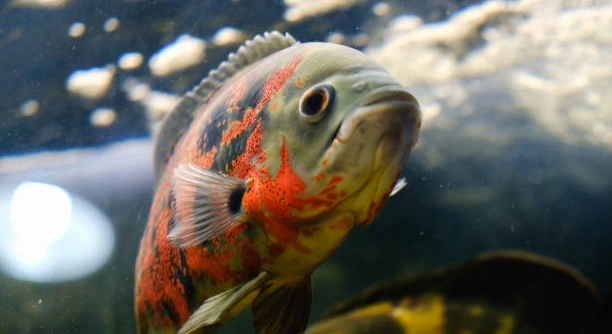
Oscar fish are known for their playful and sometimes aggressive nature. When you bring one into your home, you may wonder how they will adjust to their new surroundings. Understanding this process can help you give your new pet the best care.
Oscar fish are highly adaptable creatures, but their adjustment to new owners can vary. They may take some time to acclimate to their new environment, especially if their previous living conditions were significantly different. Their behavior can change as they settle in.
Understanding how Oscar fish adapt to their new homes can help you provide a stable environment for them. The process involves factors like tank conditions and their interactions with you. Knowing what to expect can ease the transition for both you and your fish.
Understanding Oscar Fish Behavior
Oscar fish are known for being intelligent and curious. When they first arrive at a new home, they may appear shy or stressed. Their behavior can be unpredictable, especially in the beginning. Some might hide in their tank, while others will immediately explore their surroundings. This initial reaction is quite normal, as fish adjust to their new space. Over time, Oscar fish can become more comfortable with their environment and show more confidence.
Their feeding habits also change as they settle in. You might notice that they become more active around feeding time, recognizing you as their food source. As they grow accustomed to their tank, they may become more interactive. However, it’s important to be patient, as this adjustment period can take some time.
Providing them with a stable environment, including clean water and a consistent routine, helps them feel secure. Avoiding sudden changes to their habitat, such as new tank mates or drastic shifts in water temperature, will make the process easier for them.
Factors That Influence Their Adaptation
The tank environment plays a large role in an Oscar fish’s adaptation. They thrive in stable conditions, so make sure you maintain the proper water temperature and pH levels. These factors directly affect their stress levels.
An overcrowded tank or aggressive tank mates can also prevent Oscars from feeling safe. If the tank is too small, or if they are constantly harassed by other fish, their adjustment may be slower or more difficult. Having enough space to swim freely is essential to their well-being. Additionally, the presence of hiding spots can offer comfort, as Oscars often seek refuge when feeling stressed.
Oscar fish can adapt to new owners more easily if they are gradually introduced to their new environment. Proper tank setup and consistent care can significantly reduce their anxiety. Providing them with space, the right water conditions, and food can make all the difference. With time, they will begin to trust their new surroundings and you.
The Role of Consistent Feeding
Oscar fish quickly learn to associate their owners with food. In the early stages of settling in, it’s important to establish a regular feeding schedule. Consistent feeding helps them feel secure and builds trust. The timing and type of food you offer will also impact their comfort.
A good feeding routine reduces stress and encourages Oscar fish to interact with you. They are curious creatures, and feeding time becomes an opportunity for them to approach the surface and engage with their surroundings. However, be mindful not to overfeed them, as this can lead to water quality problems and health issues.
Oscar fish are opportunistic eaters, so their behavior may change over time as they recognize you as their main food source. Expect them to show more excitement during feeding time. Once they feel comfortable in their new environment, they may even recognize your voice or movements, anticipating food. This bond is a key part of their adaptation process.
Water Quality and Its Impact on Adaptation
Water quality is a crucial factor when it comes to Oscar fish adapting to their new home. Poor water conditions can stress them out and delay their adjustment. Make sure the water is clean, free of toxins, and at the right temperature. Proper filtration and regular water changes are essential.
Oscar fish are sensitive to changes in water chemistry, so it’s important to monitor parameters like pH, ammonia, and nitrite levels. Sudden fluctuations in water conditions can cause stress and may even make them sick. Keeping a close eye on water quality during the first few weeks helps ensure that your Oscar feels safe and comfortable.
If you notice any signs of illness or distress in your fish, it could be a signal that their environment is not ideal. Adjusting water conditions can help them feel more settled. It’s essential to create a habitat that mimics their natural environment as much as possible, which will greatly aid in their adaptation.
Tank Size and Space
Oscar fish need space to thrive. A tank that’s too small can cause them stress, especially as they grow. A 55-gallon tank is the minimum size recommended, though bigger is always better. Giving them enough room to swim freely helps them feel secure in their new environment.
The more space your Oscar has, the more comfortable they will be. A cramped tank can lead to aggression and a lack of exploration, both of which can slow down their adaptation. Larger tanks also make it easier to maintain stable water conditions, another factor that influences their comfort.
The Importance of Tank Mates
Choosing the right tank mates is crucial for Oscars. They are territorial and can be aggressive, especially with smaller fish. It’s best to keep them with other large, robust fish that won’t be intimidated by their presence. Avoid keeping them with delicate or smaller species.
Keeping aggressive tank mates with Oscars can cause stress, which slows down their adaptation. If possible, choose fish that are equally strong and capable of holding their own. This will give your Oscar a better chance of settling in without feeling threatened. Compatibility in tank mates is a key factor in the adjustment process.
Establishing a Routine
A consistent daily routine helps your Oscar fish adapt more easily. Having set times for feeding and tank maintenance helps them feel safe and secure. Oscars are creatures of habit, and routines allow them to become familiar with their new environment.
A predictable schedule also helps reduce stress, as your fish will learn to expect certain activities. This consistency builds trust between you and your Oscar. As they get used to their new home, they will rely on this stability, making it easier for them to adjust long-term.
FAQ
How long does it take for Oscar fish to adjust to new owners?
The time it takes for Oscar fish to adjust to new owners can vary, but generally, it takes a few weeks. During this time, they may seem shy or stressed, often hiding or staying still. As they grow accustomed to their new environment and feeding routine, they will become more active and comfortable. Some Oscars adjust within a few days, while others may need up to a month. It’s important to be patient and provide a stable and comfortable habitat to help speed up this process.
Will my Oscar fish recognize me?
Yes, Oscar fish can recognize their owners over time. They are intelligent creatures and can learn to associate you with feeding and other routines. At first, they may be cautious, but as they get used to your presence, they will start to approach you during feeding times. Oscars are known to have great memory and may even recognize your voice or movements. Over time, this bond can strengthen, and they may show excitement when they see you.
Can I add other fish with my Oscar?
You can add other fish, but it’s important to choose tank mates carefully. Oscars are territorial and can be aggressive, especially towards smaller or slower fish. Larger, robust fish that can hold their own are better companions. Good tank mates for Oscars include large cichlids, catfish, and other strong fish species. Avoid adding small or delicate fish, as they may be eaten or harassed. It’s also important to consider the size of your tank, as overcrowding can cause stress for all the fish.
What are the signs that my Oscar is stressed?
Oscar fish show several signs of stress, including rapid swimming, hiding, loss of appetite, or rubbing against objects in the tank. They may also become more aggressive or less active. If your Oscar seems lethargic or disoriented, it could be an indication of poor water quality, unsuitable tank mates, or environmental stress. It’s essential to regularly monitor water parameters such as temperature, pH, ammonia, and nitrite levels to ensure a healthy environment for your fish.
How do I know if my Oscar is sick?
Sick Oscars will often display changes in behavior, such as reduced activity or loss of appetite. Physical symptoms of illness may include abnormal swimming patterns, white spots on the skin, lesions, or discoloration. Oscars are also prone to parasites, such as ich, which causes white spots on their bodies. If you notice any of these symptoms, it’s important to test the water quality and consult with a vet who specializes in fish. Early detection is crucial to prevent the spread of disease.
What is the best food for my Oscar fish?
Oscar fish are omnivores, meaning they eat both plant and animal matter. In the wild, they consume insects, crustaceans, and small fish, along with some plant matter. In captivity, it’s important to offer them a varied diet to meet their nutritional needs. High-quality pellet food specifically made for carnivorous fish is a good staple. You can also supplement with frozen or live foods such as worms, shrimp, and small fish. Occasionally, you can give them vegetables like peas or spinach for extra nutrients.
How can I help my Oscar feel comfortable in its new tank?
To help your Oscar feel comfortable, start by ensuring the tank environment is stable. Oscars need clean water, the right temperature (around 76-82°F or 24-28°C), and a proper pH level. Provide hiding spots, such as rocks or plants, where your Oscar can retreat if it feels threatened. Avoid sudden changes in water temperature, pH, or adding new fish too quickly. A steady feeding schedule also helps establish trust and routine, which can make your Oscar feel more secure in its new home.
Do Oscars need a filter?
Yes, Oscars produce a lot of waste, so a filter is necessary to maintain water quality. A high-quality filter will help keep the water clean and reduce the risk of harmful toxins building up. Regular water changes, along with proper filtration, are essential for keeping your Oscar healthy. Without proper filtration, the tank water can quickly become polluted, leading to health issues for your fish. Make sure the filter is strong enough for the size of your tank, as Oscars can produce a significant amount of waste.
Can I train my Oscar fish?
While you cannot train an Oscar fish in the same way as a dog, they are intelligent and can learn certain behaviors. Oscars can learn to associate you with feeding times and will often come to the surface when they see you. They can also be trained to recognize certain routines, such as the timing of water changes or tank maintenance. Some owners have even managed to teach their Oscars to follow their finger or perform simple tricks, but patience and consistency are key.
What size tank do I need for an Oscar fish?
For a single Oscar, a minimum tank size of 55 gallons is recommended. As Oscars grow, they can reach lengths of up to 14-15 inches, and they need ample space to swim. If you plan to keep more than one Oscar or other large fish, you’ll need a much larger tank, ideally 75 gallons or more. Larger tanks provide better water stability, which helps maintain the health of the fish. Keep in mind that Oscars can be messy, so having a larger tank with good filtration is essential.
Final Thoughts
Oscar fish are unique and fascinating pets, known for their intelligence and strong personalities. They can adapt to new owners, but the process takes time and patience. While they may appear shy or cautious at first, providing a stable and comfortable environment helps them feel secure. Consistency in feeding, water quality, and tank conditions plays a crucial role in their successful adaptation. With the right care, Oscars can become engaging and interactive companions. Their distinct behavior and curiosity make them an enjoyable fish to have in any home.
Understanding the needs of your Oscar is key to fostering a healthy relationship with your fish. They need plenty of space, so it’s important to provide a tank large enough to accommodate their size. A minimum of 55 gallons is necessary for a single Oscar, but a larger tank will give them more room to grow and explore. The right water conditions are also essential. Regular water changes, a good filtration system, and stable temperature and pH levels will help your Oscar thrive. These factors help prevent stress and promote a long, healthy life.
Patience is the most important factor when introducing an Oscar to its new home. Every fish has its own pace, and some may take longer to adjust than others. Once they settle in, Oscars can develop a strong bond with their owners. They can recognize you and even show excitement during feeding times. However, their comfort level depends on how well their environment is maintained. By paying attention to their needs and ensuring a balanced, calm setting, your Oscar will feel at ease and eventually adapt to its new home.

Hello,
If you enjoy the content that we create, please consider saying a "Thank You!" by leaving a tip.
Every little bit helps us continue crafting quality advice that supports the health, happiness, and well-being of pets around the world, for pets of all shapes, sizes, and species.
We really appreciate the kindness and support that you show us!