
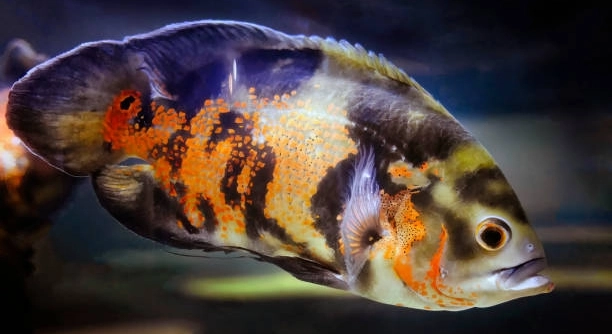
Oscar fish are known for their energetic behavior, but sometimes they exhibit unusual actions like slamming into tank walls. This behavior can leave owners puzzled and concerned. Understanding why this happens can help you address the issue.
The main reason Oscar fish slam into tank walls is stress or environmental triggers. Factors such as poor water quality, inadequate tank size, or lack of stimulation can cause agitation. In some cases, aggressive behavior or territoriality may also contribute.
By understanding these causes, you can provide a better environment for your Oscar fish. Knowing how to address these issues ensures your fish remain healthy and comfortable in their tank.
Stress from Poor Water Quality
Oscar fish are sensitive to changes in their water quality. When the water becomes polluted or the temperature fluctuates, they can get stressed. Poor water conditions like high ammonia levels, nitrite spikes, or improper pH can affect their behavior, leading to slamming into tank walls. It is important to maintain clean water to keep them calm and healthy.
Water quality impacts an Oscar fish’s overall health and behavior. Stress caused by poor water conditions can make them feel unsafe, prompting them to swim erratically or even try to escape the tank.
To avoid this, perform regular water changes and test for ammonia, nitrate, and pH levels. Invest in a good filtration system to ensure the water stays clean. Keeping the tank in a stable environment with consistent temperature and clean water will reduce stress, preventing your Oscar fish from slamming into the walls.
Tank Size and Space
Oscar fish grow large, and they need space to thrive. A cramped tank can lead to stress and frustration. When confined, Oscar fish may try to swim and explore, causing them to collide with the tank walls.
To prevent this, provide your fish with a tank that suits its size. A tank of at least 75 gallons is recommended for one adult Oscar fish. This will allow them to move freely and reduce the chance of aggressive or anxious behavior. A spacious tank is not only essential for their physical health but also helps them feel secure, minimizing the tendency to slam into the walls.
Lack of Stimulation
Oscar fish are highly intelligent and need mental stimulation to stay happy. If they don’t have enough to do, they may start swimming aimlessly and bumping into the walls of the tank. Without toys or environmental enrichment, they can become bored.
Adding plants, rocks, and hiding spots will give them a chance to explore. Oscars enjoy interacting with their surroundings, so setting up a tank that allows them to hunt or hide will reduce their frustration. Tank decorations also help simulate the natural environment of Oscars, keeping them mentally engaged.
Another way to provide stimulation is by incorporating tank mates. Though Oscars are territorial, some fish can coexist with them without triggering aggressive behavior. By offering a variety of hiding spots and space, you can give your Oscar fish an opportunity to interact with other species, helping prevent them from slamming into the walls out of boredom or anxiety.
Aggression Toward Other Fish
Oscars can be aggressive towards other fish, particularly if they feel their territory is threatened. If they feel cornered or challenged, they may swim into the tank walls as a way to defend themselves. This type of aggressive behavior often leads to them acting out.
It’s essential to choose tank mates carefully. Avoid keeping smaller or more timid fish, as they may provoke the Oscar. Instead, opt for fish that are similar in size and can stand up to the Oscar’s aggression. Oscars thrive when they are the dominant fish in the tank, so overcrowding or incompatible tank mates can increase their stress and lead to wall slamming.
Keeping the Oscar in a larger tank with adequate space can reduce territorial behavior. Provide hiding spots and barriers within the tank to help separate aggressive fish from others. This will allow them to feel more secure and reduce confrontations, minimizing the chances of slamming into the tank walls.
Poor Tank Setup
A poorly set up tank can create an environment that stresses Oscar fish. Issues like insufficient filtration, improper lighting, or inadequate decorations can cause confusion and unease. These factors may lead Oscars to slam into the tank walls as they try to find a comfortable space.
Check that your tank is properly filtered and has a balanced lighting system. Additionally, make sure the water flow is not too strong or weak. Oscars prefer moderate flow and may act out if conditions are not right. Using proper equipment and creating a balanced environment is key to keeping your fish healthy.
Overcrowding
Overcrowding the tank can lead to stress and aggression. When Oscars don’t have enough space to swim freely, they may start to exhibit erratic behavior like slamming into tank walls. Space is vital for their comfort and well-being.
Ensure that your tank is spacious enough for your Oscar to move comfortably. Keeping the number of fish to a minimum and providing enough hiding spots will allow the Oscar to feel more secure and reduce the chances of slamming into the tank walls.
FAQ
Why do Oscar fish swim into the tank walls?
Oscar fish may swim into the tank walls due to stress, aggression, or frustration. Poor water quality, lack of stimulation, or overcrowded tanks can contribute to these behaviors. Oscars are curious and energetic, so when their needs aren’t met, they might start swimming aimlessly or slamming into walls. Identifying and addressing the cause of the stress is key to stopping this behavior.
How can I reduce my Oscar fish’s stress?
To reduce stress, start by improving water quality. Regular water changes and maintaining proper levels of ammonia, nitrites, and pH are essential. Keep the tank clean and monitor temperature fluctuations. Providing adequate space, enriching the environment with hiding spots, and avoiding overcrowding can also help. Regularly check for any signs of illness or injury.
What tank size is best for an Oscar fish?
Oscar fish require a tank of at least 75 gallons for one fish. Since they grow large, they need ample space to swim around comfortably. A larger tank will help keep them from feeling cramped, reducing stress and aggressive behaviors. It’s important to factor in the Oscar’s adult size and provide enough room for swimming.
Can I keep other fish with my Oscar?
Yes, but be careful with tank mates. Oscars are territorial and can become aggressive, especially if they feel threatened. Fish of similar size and temperament work best, such as other large cichlids. Avoid keeping small, slow-moving fish, as Oscars may see them as prey. Providing plenty of hiding spots helps reduce conflict.
Do Oscars get along with other Oscars?
Oscar fish can sometimes get along with other Oscars, but it depends on their personalities and tank conditions. They are territorial creatures and may fight if the tank is too small or if there isn’t enough space to establish their own areas. If you choose to house multiple Oscars, ensure the tank is large enough and monitor for signs of aggression.
What can I do if my Oscar fish is being too aggressive?
If your Oscar is being too aggressive, you can try adding more hiding spots, plants, and rocks to break up the space and give them territory. Reducing the number of tank mates can help reduce the likelihood of territorial disputes. In some cases, separating the aggressive Oscar might be necessary to prevent harm.
Can poor water quality make my Oscar fish aggressive?
Yes, poor water quality can increase stress, which may lead to aggression. Oscars are particularly sensitive to water changes. High ammonia or nitrate levels, improper pH, and fluctuating temperatures can all contribute to discomfort and aggression. Regular water testing and maintenance are crucial to keeping Oscars calm and preventing erratic behavior.
How often should I change the water in my Oscar tank?
Water changes should be done regularly to maintain good water quality. Aim for a 25-30% water change every 1-2 weeks. If you have a smaller tank or a higher fish load, more frequent changes may be necessary. Always use a water conditioner to treat tap water and keep the pH stable.
Can Oscar fish get bored?
Yes, Oscar fish can get bored if they don’t have enough stimulation. These fish are intelligent and curious, so providing them with a stimulating environment is essential. Add plants, rocks, or driftwood to encourage exploration. You can also rotate tank decorations to keep things fresh and interesting for your fish.
How do I know if my Oscar is stressed or sick?
Stress and sickness can look similar in Oscar fish. Common signs of stress include swimming erratically, slamming into tank walls, or hiding more than usual. Illness may present as faded colors, abnormal swimming, or visible wounds. If your Oscar shows any of these signs, check water parameters, look for any tank stressors, and observe its behavior. If the fish continues to act strangely, consult a vet.
What is the best food for Oscar fish?
Oscar fish are carnivores and need a protein-rich diet. Offer them high-quality pellets, live or frozen food such as shrimp, worms, or small fish. It’s also beneficial to occasionally provide them with vegetables like peas or lettuce to balance their diet. Avoid feeding them too much, as overfeeding can lead to water quality issues.
Can tank size affect Oscar fish behavior?
Yes, tank size plays a significant role in Oscar fish behavior. A small tank can cause overcrowding, stress, and aggression, leading to undesirable behaviors like slamming into the walls. A larger tank gives the fish more space to swim and establish territories, reducing stress and aggression.
How can I tell if my Oscar is happy?
Happy Oscar fish usually swim around the tank actively and show curiosity toward their surroundings. They may interact with objects, swim up to the glass to investigate, or follow you around the tank. A healthy, happy Oscar will have vibrant colors and an overall calm demeanor. If they’re eating well and not showing signs of stress, they are likely content.
Can Oscar fish live alone?
Yes, Oscar fish can live alone. In fact, they are often happier and less stressed when they don’t have tank mates, as they are naturally territorial. If you choose to keep only one, make sure the tank is large enough to accommodate their size and needs. A solitary Oscar can thrive and be very interactive with its owner.
Final Thoughts
Understanding why your Oscar fish slams into tank walls can help you address the issue and create a healthier, more comfortable environment for your fish. Stress is often the main cause of this behavior, and it can stem from several factors such as poor water quality, overcrowding, or lack of space. By regularly checking the water quality, providing enough room for your fish to swim, and ensuring the tank is well-maintained, you can help reduce stress and improve your Oscar’s overall well-being. It’s important to remember that Oscars are active, curious creatures, so keeping them in an environment that suits their needs is key.
Addressing environmental factors is essential, but the mental and physical health of your Oscar also relies on maintaining a balanced tank setup. Oscars are territorial, and tank mates should be chosen carefully. Keeping only compatible fish or providing plenty of hiding spots can help reduce aggression and give your Oscar the space it needs. A well-decorated tank with plants, rocks, and other natural elements can offer a sense of security, while a spacious setup allows them to swim freely. Also, be mindful of the tank size, as Oscars grow large and need ample space to thrive.
In addition to managing environmental factors, providing your Oscar with the right diet and regular care is crucial. Oscars are carnivores and thrive on a protein-rich diet. Offering them a variety of food will not only keep them healthy but also help reduce boredom. Regular water changes, cleaning the tank, and monitoring the overall health of your Oscar will help maintain a stable environment. By following these practices, you can reduce the chances of your Oscar slamming into the walls and ensure they live a happy, healthy life.

Hello,
If you enjoy the content that we create, please consider saying a "Thank You!" by leaving a tip.
Every little bit helps us continue crafting quality advice that supports the health, happiness, and well-being of pets around the world, for pets of all shapes, sizes, and species.
We really appreciate the kindness and support that you show us!