
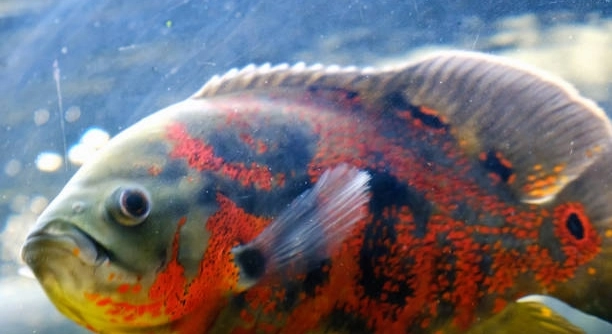
Oscar fish are known for their unpredictable and fascinating behaviors. Understanding these unique traits can make owning them a more rewarding experience for both new and seasoned fish keepers. Let’s explore the unusual actions of Oscar fish.
Oscar fish often exhibit behaviors that are linked to their environment, mood, or interactions with their owners. These behaviors can include swimming erratically, changing color patterns, and even showing signs of aggression or affection. Understanding these actions can help owners better care for their pets.
These behaviors reveal much about Oscar fish and their natural instincts. By learning the reasons behind them, you can better cater to their needs and improve your fishkeeping experience. This guide will help you understand what these actions mean and how to manage them.
Why Do Oscar Fish Change Color?
Oscar fish are well known for their ability to change colors. This often occurs when they’re stressed, frightened, or excited. For example, when you place them in a new tank or introduce a new fish, you may notice their colors intensifying or dulling. The reason behind this behavior lies in their natural defense mechanism, where changing color helps them blend into their environment or communicate with other fish.
It’s important to note that not all color changes are linked to stress. Sometimes, they simply adjust their hues depending on the lighting or time of day. This natural response helps them adapt to different situations in their habitat.
To reduce unnecessary stress, ensure your Oscar fish has a stable environment. Keeping their tank conditions consistent, with the right temperature and water quality, can prevent unwanted color changes. If your fish shows excessive or sudden color changes, it may be time to check their surroundings or overall health.
Why Do Oscars Display Aggressive Behavior?
Aggression is a common behavior in Oscar fish, especially when they feel threatened or are protecting their territory. These fish can show aggression in various ways, such as chasing other fish or even attacking them.
While this can be alarming, it’s important to remember that aggression is natural for Oscar fish. They are territorial creatures, and in the wild, they often fight over space and food. In a tank, they may feel the need to protect their area from other fish.
To reduce aggressive behavior, try giving your Oscar enough space in the tank. Providing hiding spots and ensuring there are no overcrowded conditions can also help. If aggression continues, consider adding more hiding places or rearranging the tank to reduce stress among the fish.
Why Do Oscar Fish Swim in Circles?
Oscar fish sometimes swim in tight circles, a behavior that can be a sign of either stress or curiosity. This repetitive action often happens when they feel trapped or lack stimulation.
If your Oscar fish is swimming in circles frequently, it may be a sign that the tank is too small or lacks proper enrichment. Oscars are intelligent fish, and they require mental stimulation. In these cases, it’s important to increase tank size and offer various objects for them to explore.
Providing hiding spots, plants, and even decorations like rocks can encourage natural behaviors and stop your Oscar from swimming in circles. Additionally, consider adding compatible tank mates for social interaction and mental stimulation. Ensuring the environment is engaging can reduce repetitive swimming patterns and improve their overall well-being.
Why Do Oscars Splash Water?
Oscar fish tend to splash water when they are excited, curious, or trying to get attention. This splashing behavior is often seen when they approach the surface, particularly during feeding time.
When Oscars splash water, it’s a sign they are eager for food or want interaction with their owners. However, excessive splashing could indicate frustration or agitation. If you notice this happening frequently outside of feeding times, it’s a good idea to evaluate their tank conditions, such as water quality, tank size, or even the type of decorations inside.
Maintaining a consistent feeding routine and offering varied food can also help reduce excess splashing. Moreover, consider providing more enrichment activities, such as floating toys or a more dynamic tank setup. Keeping your Oscar fish entertained will help reduce unnecessary splashing.
Why Do Oscar Fish Flare Their Gills?
Oscar fish may flare their gills when they feel threatened, excited, or are trying to establish dominance. It’s a natural response to show off their size or warn others to stay away.
This behavior is more commonly seen when a new fish is introduced to the tank or when they feel crowded. Flaring gills is part of the fish’s instinct to protect themselves and their territory. If your Oscar is constantly flaring its gills, it could be a sign of stress or discomfort.
Ensuring that your tank is spacious, with plenty of hiding spots, will help your Oscar fish feel less threatened and reduce the chances of frequent gill flaring. Proper tank management can minimize this behavior.
Why Do Oscar Fish Chase Each Other?
Oscar fish are territorial creatures, and chasing each other is a common way they establish dominance or compete for resources. When Oscars chase one another, they are usually trying to claim territory or assert their place within the tank hierarchy.
Aggression among Oscars can be minimized by ensuring that the tank is large enough to accommodate all the fish. Adding plenty of plants or rocks can help create spaces where they can retreat, reducing confrontations. If the chasing becomes violent, it may be helpful to separate aggressive fish or add tank mates that are less likely to provoke them.
Why Do Oscars Rub Against Objects?
Oscar fish may rub against objects in their tanks to relieve irritation or stress. This behavior can also happen if they are shedding skin or fighting off parasites.
If your Oscar is rubbing against rocks, decorations, or the sides of the tank, it’s a good idea to check the water quality and temperature. Poor water conditions can cause skin irritation, leading to this behavior. Additionally, parasites or wounds could be the cause, so it’s essential to monitor their health closely. Keeping the water clean and treating any underlying issues should help resolve the rubbing behavior.
FAQ
Why is my Oscar fish swimming upside down?
If your Oscar is swimming upside down, it could be a sign of a serious health issue, such as swim bladder disease. This condition affects the fish’s ability to control its buoyancy. Swim bladder disease can be caused by overfeeding, poor water quality, or even stress.
To help your Oscar, first check the water parameters like temperature and pH. Next, make sure you’re feeding the right amount and not overfeeding. If your Oscar continues to swim upside down, consider isolating it in a separate tank with better water quality. You can also try adjusting the diet by offering easily digestible foods to see if that helps. If the condition persists, a visit to a veterinarian might be necessary.
Why is my Oscar fish hiding?
Oscars are generally active, but they may hide for several reasons, such as stress, poor water quality, or feeling unwell. If your Oscar suddenly starts hiding frequently, it’s important to assess the tank environment.
First, check the water quality. Oscars are sensitive to changes in water conditions, and poor water quality can cause them to retreat to hiding spots. Next, consider whether there are any new tankmates that might be causing stress. Adding more plants, rocks, or hiding spots can help make them feel safer. If the hiding behavior continues despite these changes, it may indicate an underlying health issue that requires attention.
Why does my Oscar fish puff up?
When Oscars puff up, they are usually trying to appear larger and more intimidating. This is a defensive behavior that occurs when they feel threatened, either by other fish or by sudden changes in their environment.
If your Oscar is puffing up, it’s best to observe the tank for any signs of aggression or stress. Ensure that the other fish are not harassing your Oscar and that the tank is large enough to provide adequate space. If the puffing behavior is accompanied by other unusual symptoms, like lethargy or loss of appetite, it could be a sign of illness, and you may need to seek treatment.
Why does my Oscar fish have a cloudy eye?
A cloudy eye in Oscar fish can be caused by a number of factors, such as poor water quality, a bacterial infection, or even physical injury. If you notice a cloudy eye, it’s important to address it quickly, as it can lead to permanent damage if left untreated.
Start by checking the water parameters, ensuring they are within the recommended range. If the water quality is good, you may want to examine the fish for any physical injuries or signs of infection. In cases of bacterial infections, medicating the water may help clear up the cloudy eye. If the issue persists, it might be best to consult a veterinarian to rule out other health problems.
Why is my Oscar fish not eating?
If your Oscar fish is refusing to eat, there could be several reasons. Common causes include stress, illness, poor water quality, or even a change in diet. Oscars are known to have strong appetites, so when they stop eating, it’s often a sign of something amiss.
Begin by checking the water conditions to ensure they’re ideal. Oscars tend to eat less when the water is too dirty or the temperature is off. Also, take a look at any recent changes in the tank. Have you introduced new fish, added new décor, or altered the lighting? These changes can stress your Oscar and make it reluctant to eat. Try offering a variety of foods, including live or frozen options, to see if that stimulates their appetite. If your Oscar still refuses to eat, consider a visit to the vet.
Why is my Oscar fish scratching against things?
Oscar fish may scratch against rocks, decorations, or tank walls when they’re dealing with skin irritation or parasites. This behavior is often a sign of a condition like “ich,” a parasitic infection that causes irritation.
If you notice your Oscar scratching, it’s important to inspect its body for signs of white spots, which are characteristic of “ich.” If you see this, it’s crucial to treat the tank with a medicated solution designed to eliminate the parasite. In addition, make sure the water quality is optimal and consider increasing the water temperature slightly to speed up the parasite’s lifecycle. If the scratching continues without visible signs of illness, your Oscar may be stressed or dealing with an injury, so provide additional hiding spots and reduce tank stressors.
Why is my Oscar fish constantly chasing other fish?
Chasing behavior is common in Oscar fish, especially when they are trying to establish dominance or protect their territory. Oscars are territorial by nature, and in a shared tank, they may chase or even attack other fish to maintain their space.
If your Oscar is chasing other fish, try increasing the tank’s size if it’s overcrowded. Adding more hiding spots and rearranging the décor can also help reduce territorial disputes. Sometimes, introducing a new tankmate with a similar size and temperament can balance the aggression. However, if the chasing turns into actual fighting, it may be necessary to separate the aggressive Oscar from other fish to prevent injury.
Why is my Oscar fish breathing rapidly?
Rapid breathing in Oscar fish can be caused by a variety of factors, with poor water quality being the most common. If the oxygen level in the tank is too low, your Oscar will breathe faster in an attempt to get more oxygen. Other causes include stress, high water temperature, or an underlying illness.
First, check the water quality, especially the levels of ammonia, nitrites, and nitrates. Also, ensure that the filtration system is working properly and that the tank isn’t overcrowded. If the water parameters are in check, look for signs of illness like swollen gills or lethargy. In some cases, reducing the temperature slightly can help if it’s too high. If the rapid breathing persists, consider consulting a vet for further evaluation.
Final Thoughts
Oscar fish are fascinating creatures, and understanding their behaviors can help improve your experience as an aquarium owner. They have unique personalities and display a variety of actions, from aggression to affection, that can sometimes be puzzling. By paying attention to their behaviors, such as changing colors, swimming patterns, or interactions with other fish, you can learn more about their needs and feelings. This can help you create a healthier, more enjoyable environment for them, where they feel safe and comfortable.
While Oscar fish are known for their intelligence, they can also be a bit demanding. They need plenty of space, proper water quality, and enough stimulation to keep them from getting stressed. Keeping their tank environment stable and providing them with hiding spots and decorations can help reduce unwanted behaviors, such as excessive aggression or repetitive actions like swimming in circles. They also require a well-balanced diet to stay healthy and active. Paying attention to these factors can go a long way in maintaining a happy, thriving Oscar.
Despite their sometimes challenging behavior, Oscars are rewarding pets that can form strong bonds with their owners. Watching them grow and interact in the tank can be a fascinating experience. Understanding the reasons behind their behavior not only makes it easier to address any issues but also helps you better meet their needs. If you notice any concerning changes, such as a loss of appetite or erratic movements, taking immediate action will help ensure they stay healthy. With proper care and attention, your Oscar fish can live a long, happy life in your tank.

Hello,
If you enjoy the content that we create, please consider saying a "Thank You!" by leaving a tip.
Every little bit helps us continue crafting quality advice that supports the health, happiness, and well-being of pets around the world, for pets of all shapes, sizes, and species.
We really appreciate the kindness and support that you show us!