
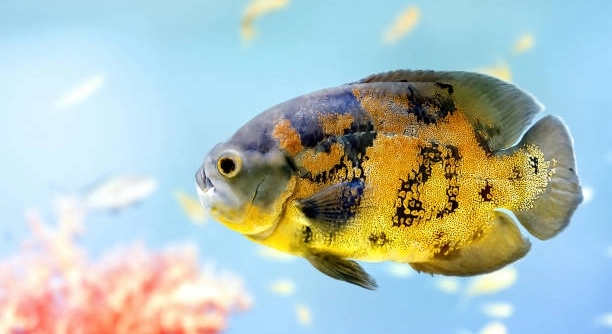
Moving Oscar fish can be tricky, especially due to their size and sensitivity. Ensuring their safety and comfort during the move requires proper planning. Here are seven best practices to make the process smoother for both you and your fish.
Properly preparing your Oscar fish for a move involves several key steps. Ensure you have a clean, secure transport container, maintain stable water conditions, and avoid exposing your fish to stress. Gradual acclimatization in the new environment is essential for their well-being.
Handling your Oscar fish with care during the move will reduce their stress and improve their chances of settling into their new home quickly.
Preparing the Transport Container
When moving your Oscar fish, selecting the right transport container is crucial. A sturdy, clean container is needed to ensure your fish stays safe throughout the move. A plastic bag, while common, isn’t ideal for larger fish. Instead, use a well-sized, secure container with a lid to minimize stress and keep the water stable. Fill the container with water from the tank to maintain consistency in water temperature and quality.
The water level should be sufficient to cover your fish but not too high to cause discomfort or spills. Avoid overcrowding the container to allow your Oscar to move freely. If possible, use an aerator or battery-powered air pump to ensure adequate oxygen during the move. Make sure to keep the container in a stable, quiet environment away from direct sunlight, which can alter water temperature. This step will go a long way in keeping your fish calm.
Choosing the right container helps your Oscar fish stay comfortable. Proper preparation is essential for a smooth transition to their new environment.
Maintaining Water Quality
Water quality is a key factor in ensuring your Oscar’s health. Make sure to test and adjust the water parameters before moving the fish to the new location. This will help to minimize shock once they are placed in their new tank. When moving, it’s important to minimize fluctuations in temperature and water chemistry. Adjust the new tank’s conditions to match the current water settings in the transport container. This will help ease the transition for your Oscar fish, reducing the chances of stress or health problems after relocation.
Once you arrive at the new location, monitor water quality closely for the first few days to ensure it’s stable. This includes checking temperature, pH levels, ammonia, and nitrate concentrations. Making the water conditions as similar as possible to their original environment will help your fish acclimate better.
Taking the time to test and balance the water ensures your Oscar fish experience minimal stress during the move.
Limiting Stress During the Move
Oscar fish are sensitive to stress, which can affect their health during transport. To minimize stress, try to keep the environment calm and quiet. Avoid sudden movements, loud noises, or excessive handling. If possible, cover the transport container with a cloth to limit external stimuli.
Transporting your Oscar fish in a calm, quiet space will help reduce the chances of stress. Ensure the container is placed on a flat surface, away from vibrations or disturbances, to keep the water stable and avoid any unnecessary movement.
Stress can weaken your Oscar’s immune system and may lead to illness. A smooth, uneventful move is important for their well-being.
Gradual Acclimatization to the New Tank
Once you arrive at the new tank, it’s essential to gradually acclimate your Oscar fish to their new environment. Start by floating the transport container in the tank for 15 to 20 minutes. This helps the water temperature in the container adjust to that of the new tank. After that, slowly add small amounts of tank water into the transport container every 10 minutes.
This process allows your Oscar fish to adjust to the new water chemistry and temperature without causing shock. The gradual introduction to the new tank conditions ensures that your fish won’t be overwhelmed by rapid changes. Avoid rushing this step, as slow acclimatization is the key to a successful move.
Taking time with acclimatization allows your Oscar fish to adjust without risking any sudden health issues.
Ensuring Proper Tank Setup
Before moving your Oscar fish, make sure the new tank is fully prepared. This means setting up the filter, heater, and decorations. Ensure the water is clean and the temperature is stable.
A properly set-up tank will create a smooth transition for your fish. Test the filter to make sure it’s working and the water is circulating correctly. The heater should be adjusted to the right temperature for your Oscar’s comfort.
Setting up the tank beforehand ensures your Oscar will have a healthy environment as soon as they are introduced. A stable, familiar setup will help them feel secure.
Handling the Fish Safely
When transferring your Oscar fish from the transport container to the new tank, handle them gently to avoid injury. Use a soft net or your hands, ensuring minimal contact with the fish’s sensitive skin. Avoid quick movements that could startle them.
Ensure that the transfer is smooth and that the water conditions in the new tank are stable. Gently release the Oscar into the tank, avoiding any abrupt motions. If you’re using a net, avoid placing too much pressure on the fish to prevent stress.
Handling your Oscar with care minimizes their stress and injury during the transfer.
FAQ
How long can I transport my Oscar fish?
Oscar fish should not be transported for more than 4 to 6 hours at a time. This ensures they aren’t exposed to conditions that could affect their health. If the trip is longer, make sure to take breaks to check on the water temperature and quality. If necessary, transport the fish in multiple containers to avoid overcrowding.
Can I move my Oscar fish without a tank?
Yes, but it’s important to use an appropriate temporary container. A large, clean plastic container with a secure lid and water from the original tank works well. The container should be large enough for the fish to move freely and have enough water to cover them comfortably.
Should I feed my Oscar fish before the move?
It’s best to avoid feeding your Oscar fish right before moving them. A full stomach could cause stress or complications during the transport process. You can feed them the day before the move but give them time to digest before the journey.
How can I prevent my Oscar fish from getting stressed during the move?
The key to reducing stress is minimizing sudden movements and keeping the environment calm. Use a cloth to cover the transport container, keeping external stimuli to a minimum. Transport the container in a quiet, stable space where it won’t be disturbed.
What water temperature should I aim for during the move?
Oscar fish thrive in water temperatures between 75°F and 80°F (24°C to 27°C). Try to maintain this range during transport by using a portable heater or a container with a lid to minimize heat loss. Always monitor the temperature to avoid sudden changes.
Do I need to add an air pump to the transport container?
Adding an air pump can be helpful, especially if the transport time is long. Oscars need oxygenated water, and an air pump ensures they have enough oxygen during the move. However, if the journey is short, you can skip this step.
What should I do once I arrive at the new location?
Once you arrive, float the transport container in the new tank for 15 to 20 minutes to allow the water temperature to adjust. Then, gradually add small amounts of tank water to the transport container to acclimate the fish to the new water chemistry.
Can I move my Oscar fish with other fish?
It’s not recommended to transport multiple fish with your Oscar unless they are already used to being together. Oscars can be aggressive, especially in unfamiliar situations, so it’s safer to transport them alone to avoid injury to other fish.
Should I clean the tank before moving my Oscar fish?
Yes, it’s a good idea to clean the new tank and ensure that it’s free of any dirt or chemicals that could harm your fish. Rinse the tank, filter, and decorations with water (no soap) to ensure a safe, clean environment.
How can I make my Oscar fish feel comfortable in their new tank?
Once your Oscar is in the new tank, keep the lighting low and avoid disturbing them for a few days. Gradually introduce them to their new environment without adding any new fish or changing their surroundings. This helps them settle in without added stress.
What should I do if my Oscar fish seems stressed after the move?
If your Oscar appears stressed after the move, monitor the water quality and temperature immediately. Stress can often be caused by poor water conditions. Give them some time to adjust, but if the stress persists, consider consulting a vet or an aquarium expert for further advice.
How can I prevent my Oscar fish from being harmed during the move?
To prevent injury, handle your Oscar fish with care using a soft net or your hands. Avoid squeezing or exerting pressure on the fish. Keep the water in the transport container stable and avoid abrupt movements that might startle the fish.
Can I use a bag for transporting my Oscar fish?
While bags can be used, they are typically better suited for smaller fish. For an Oscar, it’s safer to use a larger container with a secure lid. Bags can sometimes cause pressure changes that can stress larger fish, so a sturdy container is a better choice.
How do I know when my Oscar fish is fully acclimated?
Your Oscar is fully acclimated when it begins to behave normally in the new tank. It should swim around actively, not stay hidden, and display natural feeding behavior. If your fish is still hiding or seems lethargic after a few days, check the water conditions again.
Is it necessary to quarantine my Oscar fish after moving?
It’s always a good idea to quarantine your Oscar after moving, especially if it’s introduced into a tank with other fish. This prevents the spread of any potential diseases and allows the fish to recover from the stress of the move.
Final Thoughts
Moving your Oscar fish requires careful planning and attention to detail. The process can be stressful, but taking the right steps ensures that your fish will arrive safely and adjust well to their new environment. Preparing both the tank and the transport container before the move is crucial. Make sure the water quality and temperature are stable, and ensure the transport container provides enough space and security for the fish. Limiting external stress during the move and handling the fish gently can also help prevent unnecessary health issues.
Gradually acclimating your Oscar to the new tank is another important step. This helps them adjust to changes in water chemistry and temperature without experiencing shock. Acclimation should not be rushed; it’s important to allow your fish time to adapt. Once the Oscar is in the new tank, maintain a calm, stable environment and avoid making drastic changes. Keeping the lighting low and reducing disturbances in the tank will give your fish time to settle in without added stress.
With proper care and attention, your Oscar fish can thrive in its new home. Be patient and observant, as every fish adjusts at its own pace. By following the best practices for moving and acclimating, you will help ensure a smooth transition and long-term health for your Oscar fish. Moving can be a daunting experience, but with a little preparation, you can make it as stress-free as possible for both you and your fish.

Hello,
If you enjoy the content that we create, please consider saying a "Thank You!" by leaving a tip.
Every little bit helps us continue crafting quality advice that supports the health, happiness, and well-being of pets around the world, for pets of all shapes, sizes, and species.
We really appreciate the kindness and support that you show us!