
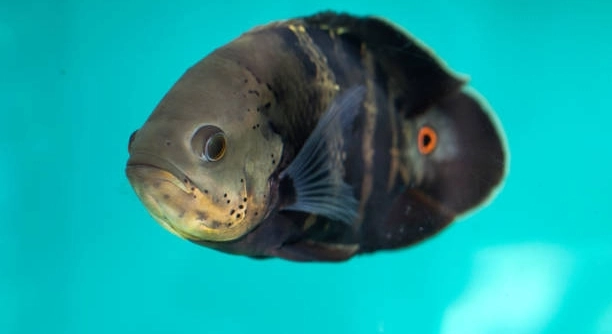
Do you ever find yourself struggling to find the right tank mates for your Oscars, only to see aggression and stress unfold? These vibrant cichlids are beautiful but can be surprisingly particular about their companions in an aquarium.
Oscars are territorial and aggressive fish that often clash with tank mates that are too small, overly aggressive, or occupy the same space. Choosing the wrong companions can lead to injuries, stress, and even the loss of other fish in the aquarium.
Understanding which fish tend to clash with Oscars will help you create a safer, more harmonious environment for your aquarium.
Angelfish
Angelfish may seem like a peaceful choice for an Oscar tank, but their flowing fins and gentle demeanor often make them targets. Oscars are naturally territorial and may become aggressive toward angelfish, seeing them as easy opponents. Even in a large tank, the stress caused by chasing and nipping can weaken angelfish over time. Their slow movements also put them at risk, as Oscars prefer tank mates that can handle themselves or at least keep out of their way. Housing these two species together usually results in ongoing tension, with angelfish bearing the brunt of it.
Angelfish struggle to defend themselves against Oscar aggression, leading to frequent injuries and significant stress.
It is better to keep angelfish in a separate tank with more compatible tank mates like tetras or peaceful cichlids. This keeps both species safe and allows them to thrive without constant harassment or the risk of serious injury.
Jack Dempsey Cichlids
Jack Dempsey cichlids are often recommended because of their size and toughness, but they do not always match well with Oscars.
These fish are just as territorial and aggressive as Oscars, leading to constant power struggles for dominance. In confined spaces, even tanks larger than 75 gallons, these battles can escalate quickly. Injuries, stress, and even death can occur if two dominant personalities are forced into close quarters. Unlike milder species, Jack Dempseys will not back down easily, resulting in aggressive stand-offs that create an unstable tank environment. It might seem like pairing two strong fish would work, but this often causes more harm than good. If you are looking for tank mates for your Oscar, it is smarter to choose fish that are sturdy but less confrontational. Peaceful large catfish, silver dollars, or larger plecos make much better companions, giving your Oscar space to establish its territory without facing a constant challenge.
Firemouth Cichlids
Firemouth cichlids are feisty and territorial, which does not sit well with Oscars. Their frequent displays and defensive behavior often provoke fights. Despite their smaller size, Firemouths will challenge Oscars, leading to ongoing tension and potential injuries on both sides.
Firemouth cichlids have a natural instinct to defend their space aggressively, flaring their gills and posturing whenever they feel threatened. While this is effective against smaller fish, it only escalates problems with Oscars. Oscars tend to respond to these displays with direct aggression, sparking territorial disputes that can stress both fish. Over time, repeated fights wear down both species, leading to health problems like infections and injuries. Even in a larger tank, the constant competition for territory makes it hard for either fish to relax and thrive, resulting in an unstable aquarium environment.
Choosing tank mates that do not display constant territorial behaviors is crucial when keeping Oscars. Firemouth cichlids, with their defensive nature, simply bring too much conflict into the tank. Instead, look for calm, sturdy fish that can coexist without constant challenges. A peaceful environment helps Oscars show their best behavior, and it reduces the risk of fighting that can harm both fish physically and mentally. Stability makes a noticeable difference in aquarium health.
Green Terrors
Green Terrors are beautiful but dangerously unpredictable when housed with Oscars. Their aggression levels can spike unexpectedly, often leading to serious conflicts that escalate fast.
Even if Green Terrors seem manageable at first, tensions usually rise as both fish mature. These cichlids are extremely territorial and can quickly become dominant, challenging Oscars for food, space, and hierarchy. Their aggressive strikes are powerful and relentless, often catching even a bold Oscar off guard. This level of violence can cause stress-related illnesses, open wounds, and even death if not addressed quickly. Keeping them together often forces one fish into a submissive role, which leads to even more stress and health decline. It may seem appealing to match two large, vibrant cichlids, but in practice, it rarely works out peacefully. Long-term success depends on pairing Oscars with non-aggressive species that respect boundaries, not with aggressive challengers like Green Terrors.
Convict Cichlids
Convict cichlids are small but extremely aggressive, often attacking larger fish like Oscars without hesitation. Their constant need to defend territory leads to endless chasing and stress, making them poor tank mates for Oscars in almost any aquarium setup.
Despite their size, Convict cichlids are bold and relentless. They pick fights over food, space, and attention, causing chaos in tanks shared with Oscars. This aggressive behavior leads to injuries, damaged fins, and weakened immune systems for both species.
Flowerhorn Cichlids
Flowerhorn cichlids are highly aggressive and territorial, traits that make them a bad match for Oscars. While their striking appearance is tempting, Flowerhorns often dominate the tank, bullying Oscars and other fish. They need significant space to thrive and are prone to unpredictable aggression as they mature. Keeping them with Oscars usually results in serious fights over dominance, with neither fish benefiting from the constant battles. Even if a large enough tank is available, their conflicting personalities create lasting tension. It is much safer to avoid pairing these two species to protect the health and well-being of your Oscar.
Red Devil Cichlids
Red Devil cichlids are notorious for their aggression, often overpowering Oscars in shared tanks. Their strong territorial instincts lead to frequent, violent confrontations that can cause serious harm or even death in a mixed cichlid setup.
FAQ
Can Oscars live with other cichlids?
Oscars can live with other cichlids, but it depends on the species. Peaceful cichlids, like discus or large, non-aggressive types, may be compatible. However, territorial or aggressive cichlids, such as Jack Dempsey or Green Terrors, can cause constant conflict and stress. When pairing Oscars with other cichlids, it’s important to choose those with similar temperaments and a capacity for coexisting peacefully in a shared space.
What tank size is ideal for an Oscar?
An Oscar needs at least a 75-gallon tank, but a 100-gallon or larger tank is even better. Oscars grow large and are territorial. Having a bigger tank gives them enough space to establish their territory and reduces the chances of aggression toward other fish. It also provides a better environment for the Oscar’s health and well-being. Proper filtration is crucial in a tank of this size, as Oscars produce a lot of waste.
What are the best tank mates for Oscars?
Large, non-aggressive fish make the best tank mates for Oscars. Fish like plecos, silver dollars, and large catfish (such as the plecostomus or a species of catfish like the Raphael) can coexist peacefully. These species tend to stay out of the Oscar’s way, which reduces the chance of aggression. Avoid small fish that could be seen as food or fish with similarly aggressive personalities.
Do Oscars eat smaller fish?
Yes, Oscars will eat smaller fish, especially if they are small enough to fit in their mouth. They are carnivores and will hunt smaller fish if given the opportunity. This is why it’s crucial to avoid housing Oscars with smaller or weaker fish that might get eaten. It’s better to choose tank mates that are similar in size and temperament to avoid predation.
Are Oscars hard to take care of?
Oscars are not particularly difficult to take care of, but they do require attention to water quality, space, and feeding. They are relatively hardy fish but need a stable environment. Regular water changes, good filtration, and proper tank maintenance are essential. Oscars also need a balanced diet of high-quality pellets, live food, or frozen food to stay healthy.
Can Oscars live with plants?
Oscars are notorious for uprooting plants and digging in the substrate. While they can live with plants, it is often challenging to keep live plants in their tank. If you want to add plants, it’s best to use hardy species like Java Fern or Anubias, which can tolerate some rough handling. Plastic plants can also be a good alternative, as they are less likely to be uprooted or damaged.
Do Oscars need a heater?
Yes, Oscars are tropical fish and require a heater to maintain a water temperature between 75°F and 80°F (24°C to 27°C). Cold temperatures can stress them out and make them more susceptible to illness. A reliable aquarium heater is essential for keeping the water temperature consistent. Ensure the heater is appropriately sized for your tank to avoid temperature fluctuations.
What is the lifespan of an Oscar?
Oscars can live for 10 to 15 years if cared for properly. Providing the right water conditions, a stable environment, and a balanced diet will help them reach their full lifespan. Some Oscars even live longer, especially if housed in large tanks with good filtration and low stress levels. Regular maintenance and care can extend their life expectancy.
Why are my Oscars fighting?
Oscars can become aggressive toward each other, especially when they are establishing their territory or during breeding season. This aggression is natural, but constant fighting can lead to stress and injury. To reduce fighting, it’s essential to provide enough space in the tank, avoid overcrowding, and offer hiding spots. If aggression persists, separating them into different tanks may be necessary to prevent harm.
Can Oscars live with other species of fish?
Oscars can live with other species of fish, but compatibility depends on the species. It’s best to choose peaceful, large fish that won’t challenge the Oscar’s dominance or get bullied. Larger catfish, plecos, and non-aggressive species are usually safe options. Avoid pairing Oscars with smaller or more aggressive fish, as they may end up being stressed or eaten.
How often should I feed my Oscar?
Oscars should be fed once or twice a day. Overfeeding can lead to water quality issues and obesity, so it’s important to stick to a regular feeding schedule. They thrive on a varied diet, including high-quality pellets, live or frozen foods like shrimp, or feeder fish (in moderation). Remove any uneaten food to prevent it from degrading water quality.
What water conditions do Oscars need?
Oscars prefer slightly acidic to neutral water with a pH of 6.5 to 7.5. The water temperature should be between 75°F and 80°F, with a hardness level of 5 to 20 dGH. Regular water changes and good filtration are crucial for keeping the water clean and healthy. Oscars are sensitive to poor water conditions, so maintaining a stable, clean environment is key to their health.
Can Oscars live with other aggressive fish?
While Oscars are aggressive, they can sometimes coexist with other aggressive fish if they are similar in size and temperament. However, even other aggressive fish like Jack Dempseys, Red Devils, or Flowerhorns can lead to territorial conflicts. If you choose to house Oscars with other aggressive fish, ensure that the tank is large enough to accommodate both species and provide plenty of hiding spaces. Monitor the situation closely to avoid excessive fighting.
Why is my Oscar turning black?
Oscars can turn black due to stress, poor water conditions, or illness. Stress can result from overcrowding, poor water quality, incompatible tank mates, or insufficient food. A sudden change in water temperature or environmental conditions can also cause this color change. Ensure that your tank is well-maintained and that the Oscar has a peaceful environment. If the black coloration persists, check for signs of illness and consult an aquarium expert.
Final Thoughts
When considering tank mates for Oscars, it’s essential to keep their aggressive nature and territorial instincts in mind. While they can live with other fish, choosing the right companions is key to avoiding stress and injury. Oscars are large, powerful fish that need ample space to thrive. Pairing them with similarly sized or slightly larger species that are peaceful can make a big difference. It’s also important to monitor their behavior and adjust the tank setup if conflicts arise.
Another consideration is the maintenance of water quality. Oscars are sensitive to poor water conditions, so a reliable filtration system and regular water changes are necessary for their health. Keeping the tank clean and stable will reduce the risk of illness and stress, ensuring that your Oscar remains happy and active. Proper tank size is also a critical factor. A tank of at least 75 gallons is recommended, but larger tanks provide more space and a more stable environment for both the Oscar and its tank mates.
Finally, while Oscars can be a bit challenging to care for due to their size and temperament, they can thrive in a well-maintained tank with the right companions. Understanding their behavior, dietary needs, and environmental preferences is key to ensuring their long-term health. If you take the time to create a suitable environment and select the right tank mates, your Oscar can live a long and healthy life, adding beauty and character to your aquarium.

Hello,
If you enjoy the content that we create, please consider saying a "Thank You!" by leaving a tip.
Every little bit helps us continue crafting quality advice that supports the health, happiness, and well-being of pets around the world, for pets of all shapes, sizes, and species.
We really appreciate the kindness and support that you show us!