
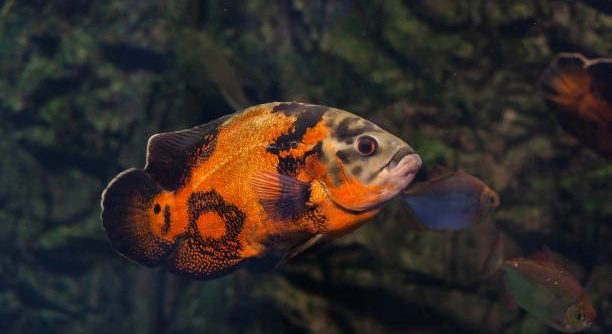
Oscar fish are known for their vibrant colors and energetic personalities, but when they’re not thriving, it could be a sign of malnutrition. If you’re an Oscar fish owner, it’s important to recognize the early warning signs.
Malnutrition in Oscar fish can be identified by various physical and behavioral changes. Common signs include faded colors, decreased appetite, lethargy, and abnormal swimming patterns. These symptoms indicate that the fish may not be getting the necessary nutrients for healthy growth.
Understanding these symptoms can help you address the issue before it becomes severe. Keep reading to learn how to spot malnutrition in your Oscar fish and what steps you can take to restore their health.
Lack of Appetite and Weight Loss
If your Oscar fish suddenly stops eating or reduces its food intake, it could be a sign of malnutrition. In some cases, a fish might even appear uninterested in food or refuse to eat altogether. Over time, this can lead to noticeable weight loss, making the fish look thinner and less healthy. When an Oscar is malnourished, their body lacks essential nutrients, which affects their energy levels and overall well-being.
An Oscar that refuses food may also appear sluggish or reluctant to move around the tank. This behavior can be linked to a weakened immune system and insufficient energy from a poor diet. When this happens, their growth is stunted, and they can easily become more susceptible to diseases.
If your Oscar fish isn’t eating, try switching up its diet with different types of food. Introduce a balanced mix of high-quality pellets, frozen foods, and live foods. This variety may encourage your Oscar to eat again and regain its strength.
Faded Colors and Dull Appearance
Oscars are known for their bright and striking colors. If their vibrant hues start to fade, it could be a clear sign of nutritional deficiencies. Poor nutrition affects the pigmentation in their scales and may cause their appearance to look dull or washed out.
A healthy Oscar fish typically maintains bold color patterns, which are a reflection of its well-being. However, malnourished Oscars may experience a decrease in their vibrant colors due to the lack of necessary nutrients, such as carotenoids and essential fatty acids. These nutrients are important for maintaining their natural beauty and energy.
Properly feeding your Oscar with a varied and nutrient-rich diet is essential for preserving their stunning colors. Ensuring your fish gets the right vitamins and minerals can restore their appearance, giving them back their glowing and lively look.
Lethargy and Reduced Activity
If your Oscar is swimming less or spending more time at the bottom of the tank, it’s often a sign of poor nutrition. Malnourished fish lack the energy to swim actively, which can lead to lethargic behavior. You may also notice them hiding more often, avoiding interaction with other fish or their surroundings.
Oscars are naturally active fish, so when they become lethargic, it’s concerning. A lack of essential nutrients can lead to weakness, affecting their energy levels. This can also impact their immune system, leaving them more vulnerable to diseases. If the condition continues, the Oscar’s health could worsen, leading to more severe issues.
Regular water changes and maintaining a stable environment can help, but the main focus should be on improving the diet. Make sure your Oscar is getting a varied and nutritious meal plan, including protein-rich foods, vitamins, and minerals. A balanced diet is key to restoring their energy.
Abnormal Swimming Patterns
Oscars typically swim confidently and with purpose. When they begin to show abnormal swimming patterns, such as erratic or slow movements, it could be a sign of malnutrition. Poor nutrition can cause weakness, making it difficult for the fish to swim properly.
When an Oscar fish is malnourished, the lack of essential nutrients affects its muscle development and overall movement. This results in uncoordinated swimming and a noticeable change in behavior. It may also indicate that the fish is struggling to maintain balance and navigate through the water, which is a clear indicator of distress.
A proper diet can help restore strength to the muscles and improve swimming behavior. Providing high-quality food with adequate protein, fat, and vitamins will help your Oscar regain its natural swimming ability and restore normal behavior in the tank.
Poor Water Quality and Malnutrition
Malnourished Oscars may also show signs of poor water quality due to weakened immune systems. Poor nutrition lowers their ability to handle changes in the water, making them more sensitive to toxins and bacteria. This can lead to additional stress on their health.
If you notice your Oscar struggling in an environment with cloudy water, ammonia spikes, or high nitrate levels, the fish’s malnutrition may be contributing. It’s important to monitor water quality regularly and keep the tank clean, as these stress factors can further compromise the fish’s health. A stable water environment combined with proper nutrition is key.
Inability to Fight Off Infections
A malnourished Oscar’s immune system becomes weak, leaving it unable to fight off common infections and diseases. A lack of nutrients makes the fish more susceptible to bacterial, fungal, and parasitic infections, which can quickly spread and worsen. Regular feeding of a balanced diet can help restore immune function.
Constipation and Digestive Issues
Malnutrition can lead to digestive problems, causing constipation or bloating in your Oscar. Poor feeding habits can upset their digestive system, making it harder for them to process food properly. If your Oscar shows signs of bloating or abnormal bowel movements, it’s a sign that their diet may need improvement.
FAQ
What is the best diet for an Oscar fish?
An Oscar fish requires a balanced diet to stay healthy. A variety of high-quality pellets, frozen or live food such as shrimp, worms, and fish fillets should make up the bulk of their diet. Offer a mix of protein-rich foods, along with some plant-based options like spinach or peas to ensure they get the necessary nutrients. Providing variety will prevent deficiencies and keep them from becoming bored with their food.
How often should I feed my Oscar fish?
Oscar fish should be fed once or twice a day, depending on their age and size. Younger Oscars may need more frequent meals due to their rapid growth, while adult Oscars can be fed once a day. Be careful not to overfeed, as uneaten food can lead to water quality issues. The amount of food should be small enough that they eat it within 5-10 minutes, reducing waste in the tank.
How can I tell if my Oscar is overfed?
Signs of overfeeding in Oscar fish include bloating, constipation, or a noticeably large belly. Overfed fish may also become lethargic or develop digestive issues. Excess food left in the tank will lead to water quality problems, creating an unhealthy environment for your fish. Stick to appropriate portions, and remove any uneaten food after feeding to maintain water quality.
What should I do if my Oscar is not eating?
If your Oscar refuses to eat, start by checking water conditions. Poor water quality or stress could be causing the lack of appetite. Make sure the water is clean, temperature is stable, and there are no signs of illness or injury. Try offering a variety of foods, including live or frozen options, to entice them. If the problem persists, consider consulting an aquarium specialist or veterinarian.
How can I help my Oscar regain its colors?
Oscars often lose their vibrant colors when malnourished, but with proper care, they can regain their beautiful hues. Ensure your fish is getting a diet rich in carotenoids, fatty acids, and other vitamins. Foods like brine shrimp, daphnia, and high-quality pellets can help restore their colors. Consistently feeding a well-rounded diet combined with stable water quality should bring their colors back to life.
What are some signs that my Oscar is stressed?
Stressed Oscars may display several signs, including hiding more often, reduced activity, or swimming erratically. They might also refuse to eat or appear lethargic. Environmental factors like poor water quality, overcrowding, or aggression from tankmates can cause stress. Try to create a calm environment with proper water filtration, stable temperatures, and enough space for your Oscar to move freely.
Is it normal for my Oscar to have a large appetite?
Yes, Oscar fish are known to have a large appetite and can eat a significant amount of food in a short time. They are voracious feeders, especially when they are young or growing. However, it’s important to manage the amount of food to prevent overfeeding and ensure a balanced diet. A healthy Oscar will maintain a good appetite, but moderation is key to avoid health problems.
How long can an Oscar live without food?
Oscar fish can survive without food for up to a week, but it’s not recommended to leave them unfed for extended periods. Going without food can cause stress and weaken their immune system, leaving them vulnerable to illness. Always ensure your Oscar is being fed regularly to maintain their health and vitality.
Can poor water quality affect my Oscar’s health?
Yes, poor water quality is one of the primary causes of illness and stress in Oscar fish. High levels of ammonia, nitrites, or nitrates can compromise their immune system and cause long-term health problems. Regular water changes, proper filtration, and testing water parameters are essential for maintaining a healthy environment for your Oscar.
Should I quarantine a new Oscar before adding it to my tank?
Quarantining a new Oscar is highly recommended to prevent the introduction of diseases into your main tank. Keeping the new fish in a separate tank for at least two weeks allows you to monitor for signs of illness. This reduces the risk of infecting your existing fish and ensures the new Oscar is healthy before introducing it to the main tank.
What water temperature is ideal for an Oscar?
Oscars thrive in water temperatures between 75°F and 80°F (24°C to 27°C). Keeping the temperature in this range helps maintain their metabolism and immune function. Make sure to monitor the water temperature regularly to avoid fluctuations, as temperatures outside of this range can stress your Oscar and lead to health issues.
Final Thoughts
Oscar fish are beautiful, energetic creatures that require careful attention to their diet and environment. If they are not receiving the proper nutrition, it can lead to several signs of malnutrition, such as faded colors, lethargy, and abnormal swimming patterns. Recognizing these signs early on can help you take action and prevent long-term health issues. The key to keeping your Oscar healthy and vibrant is to provide them with a varied, balanced diet that meets all their nutritional needs. This includes protein-rich foods like live or frozen shrimp, worms, and high-quality pellets, as well as some plant-based options like spinach or peas.
In addition to feeding your Oscar a proper diet, maintaining a clean and stable environment is crucial. Poor water quality can exacerbate malnutrition and cause further stress on your fish. Regular water changes, proper filtration, and monitoring water parameters like ammonia, nitrites, and nitrates are essential to ensuring a healthy habitat. Keeping the tank at the right temperature, ideally between 75°F and 80°F, will help your Oscar stay comfortable and reduce the risk of diseases. By addressing both their dietary and environmental needs, you can help your Oscar thrive for years to come.
If your Oscar shows signs of malnutrition or other health issues, it’s important to act quickly. Sometimes, changing their diet or improving water quality can make a big difference. However, if the problem persists, consulting with an aquarium professional or veterinarian may be necessary. In the end, understanding your Oscar’s specific needs and being attentive to changes in their behavior or appearance will help ensure they live a long, healthy life. Regular care and observation can go a long way in maintaining your Oscar’s well-being and vibrant appearance.

Hello,
If you enjoy the content that we create, please consider saying a "Thank You!" by leaving a tip.
Every little bit helps us continue crafting quality advice that supports the health, happiness, and well-being of pets around the world, for pets of all shapes, sizes, and species.
We really appreciate the kindness and support that you show us!