
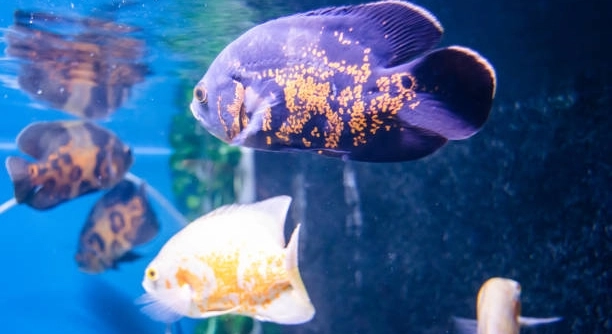
Oscar fish are known for their strong personalities, but sometimes their feeding habits may leave you puzzled. If your Oscar fish is spitting out food, it can be concerning for any fish owner.
This behavior can be caused by several factors, such as water quality, stress, or an issue with the food. Poor water conditions or an unbalanced diet may make your fish reluctant to eat.
Understanding the reasons behind this behavior will help improve your fish’s eating habits and overall health. Keep reading to discover possible solutions.
Water Quality and Its Effect on Eating Habits
The quality of the water in your Oscar fish’s tank is one of the most important factors affecting their eating habits. Oscar fish are sensitive to poor water conditions, and when the water quality deteriorates, they may stop eating or begin spitting out food. Ammonia, nitrites, and nitrates should be kept at safe levels. If the water is cloudy or has a strong odor, it can cause your fish stress, leading to abnormal behavior like refusing food. Regular water changes, proper filtration, and consistent monitoring are essential to maintaining a healthy tank environment.
The first step in improving water quality is to check the ammonia and nitrate levels. A simple water test kit can help. Keep your tank’s temperature and pH levels within the recommended range for Oscar fish. This will create a stable environment and encourage healthy eating habits.
Proper filtration is key to removing excess waste and debris. If water conditions improve, your Oscar fish should feel more comfortable and return to their normal eating patterns.
Stress and Its Impact on Feeding
Stress is another significant factor affecting your Oscar fish’s feeding behavior. Oscars are naturally territorial and may feel threatened by other fish or environmental changes. A stressed fish is more likely to spit out food rather than consume it.
Try reducing stress by ensuring the tank is the right size for your Oscar and providing adequate hiding spots. Keep other aggressive fish out of the tank to reduce territorial disputes. A quiet environment will allow your fish to relax, which can improve feeding behavior.
In addition to environmental changes, consider the lighting. Bright, harsh lights can contribute to stress. A dimmer setting or the use of natural light may create a more peaceful atmosphere, encouraging your fish to eat. Monitoring behavior for signs of stress, like hiding or erratic swimming, can help you address issues early.
Food Quality and Type
Oscar fish are selective eaters, and the type of food you’re offering can significantly impact their feeding behavior. They may refuse food or spit it out if it doesn’t meet their taste preferences or is of poor quality. Oscars generally prefer protein-rich foods such as live fish, shrimp, or pellets designed for carnivorous fish.
If you’re feeding them poor-quality pellets or over-processed foods, they may not find it appealing. It’s also essential to ensure the food is the right size and consistency for your fish. If the food is too large or too small, they may spit it out in frustration.
Rotting or expired food can also lead to a refusal to eat. Make sure to rotate the food types and introduce variety to keep your Oscar interested. Try offering fresh, live foods or high-quality frozen options to stimulate their appetite.
Overfeeding and Its Consequences
Overfeeding your Oscar fish can result in numerous issues, including spitting out food. When fish are given more food than they can consume, they might become overwhelmed and start rejecting meals. Overfeeding also leads to water quality issues, which, in turn, can stress the fish and reduce their appetite.
It’s essential to feed your Oscar the correct amount of food for its size and age. Feed small portions at regular intervals to avoid excess food accumulating in the tank. If leftover food is present, it will decompose and affect the water quality, leading to further discomfort for your fish.
Keep track of the amount of food you offer, and adjust accordingly based on your Oscar’s appetite. By managing feeding portions and maintaining water quality, your Oscar fish will have a better feeding experience.
Illness and Health Issues
If your Oscar fish is spitting out food, it could be a sign of an underlying health problem. Illnesses such as internal parasites or digestive issues can cause them to lose their appetite or reject food. Observing other signs, like lethargy or abnormal behavior, can help identify the issue.
A visit to an aquatic veterinarian or fish specialist may be necessary if health problems persist. Medications or special treatments may be required to address internal parasites or infections. Ensuring your Oscar is healthy and not suffering from an illness is crucial for improving their eating habits.
Environmental Changes
Oscar fish can be sensitive to changes in their environment. Even small alterations in water temperature, pH levels, or lighting can cause them to become stressed and stop eating. Sudden changes can disrupt their feeding behavior, making them spit out food.
Before making any changes, consider how they might affect your fish. Gradually adjust the environment to avoid causing unnecessary stress. Keeping the conditions stable is key to maintaining a healthy and active Oscar fish.
Tank Mates and Compatibility
Sometimes, Oscar fish will spit out food due to conflicts with tank mates. Oscars can be aggressive, and when they feel threatened by other fish, they may refuse to eat. Territorial behavior can also lead to food rejection.
When choosing tank mates, ensure compatibility. Avoid keeping aggressive fish that could stress your Oscar or steal their food. A peaceful, well-maintained tank environment will encourage better feeding behavior and less stress for your Oscar.
FAQ
Why is my Oscar fish spitting out food?
Oscar fish may spit out food for various reasons. Poor water quality, stress, food preferences, or even illness can contribute to this behavior. If the water is unclean or imbalanced, it can cause discomfort and loss of appetite. Stress from tank mates or sudden changes in the environment can also affect their feeding habits. Additionally, Oscar fish can be picky eaters, and offering the wrong type of food can lead them to reject it.
How can I improve the water quality for my Oscar fish?
Maintaining proper water quality is essential for your Oscar’s health. Regular water changes, at least 25% every week, will help keep ammonia and nitrate levels in check. Install a reliable filtration system and monitor water parameters like pH, temperature, and hardness. Keeping the tank clean and ensuring the filtration system is working properly will reduce toxins in the water, promoting healthy feeding habits.
What type of food should I feed my Oscar fish?
Oscar fish are carnivores and thrive on protein-rich diets. High-quality pellets designed for carnivorous fish, live or frozen foods like shrimp, worms, or small fish, and occasionally vegetables can be included. Avoid overfeeding and ensure the food is the right size and consistency to encourage eating. Offering variety can keep your Oscar interested in its meals.
Is it normal for an Oscar fish to be picky about food?
Yes, Oscar fish can be quite picky. They may refuse certain foods or spit them out if they don’t find them appealing. This is especially true if they’re used to live food or specific types of pellets. Experimenting with different food types, ensuring they’re fresh, and keeping meals varied can help stimulate your Oscar’s appetite.
How can I tell if my Oscar fish is stressed?
Stress in Oscar fish can manifest in behaviors like hiding, erratic swimming, aggression toward tank mates, or refusal to eat. Other signs include fading colors, clamped fins, and scratching against tank decorations. A stressed Oscar may also develop health issues. To reduce stress, keep the tank environment stable, and ensure your Oscar has enough space and hiding spots.
What are the most common health issues that cause my Oscar to stop eating?
Common health problems that affect feeding behavior include internal parasites, digestive issues, or infections. If your Oscar is vomiting, lethargic, or showing other signs of illness, it’s crucial to address the problem promptly. A visit to an aquatic veterinarian can help diagnose and treat the issue, possibly with medications or a specialized diet.
How often should I feed my Oscar fish?
Oscar fish should be fed once or twice a day, depending on their age and size. Juveniles may need more frequent feedings, while adults typically do well with one feeding per day. Avoid overfeeding, as uneaten food can pollute the tank. Feed only what your fish can consume in a few minutes to prevent waste.
Can tank mates cause my Oscar fish to spit out food?
Yes, aggressive or territorial tank mates can contribute to your Oscar fish’s food refusal. Oscars are known to be territorial, and if they feel threatened by other fish, they may reject food. It’s important to choose compatible tank mates that won’t stress your Oscar or compete for food.
What is the best temperature for an Oscar fish tank?
Oscar fish thrive in temperatures between 75°F and 80°F (24°C to 27°C). Keeping the water temperature within this range will help maintain your fish’s health and appetite. Extreme temperature fluctuations can cause stress and make your Oscar fish less likely to eat. Use a reliable aquarium heater to maintain stable water temperatures.
Can I feed my Oscar fish vegetables?
While Oscar fish are primarily carnivores, they can eat small amounts of vegetables. Offering vegetables like spinach, peas, or zucchini can provide essential nutrients. However, vegetables should only be given as an occasional treat and should be finely chopped or blanched to make them easier to consume.
How do I know if my Oscar fish is sick?
If your Oscar fish shows signs like lethargy, faded colors, swollen body, abnormal swimming patterns, or refusal to eat, it could be sick. Scratching against objects, labored breathing, and visible lesions or spots on the body are also signs of potential illness. If these symptoms appear, it’s best to consult a fish health expert.
Can poor water conditions cause my Oscar fish to stop eating?
Yes, poor water conditions are one of the primary reasons Oscars may refuse to eat. High levels of ammonia, nitrites, or nitrates, as well as inconsistent pH and temperature, can lead to stress and loss of appetite. Regular water testing and maintenance are crucial to keeping your Oscar healthy and encouraging normal eating behavior.
What are the signs that my Oscar fish is overfed?
Overfeeding can lead to bloating, lethargy, and even food rejection. If you notice uneaten food accumulating in the tank or your fish refusing to eat, it may be a sign of overfeeding. Overfed fish can also have poor water quality, which can lead to further feeding issues.
How do I prevent my Oscar fish from spitting out food?
To prevent your Oscar from spitting out food, ensure the food is fresh, properly sized, and of good quality. Provide a variety of foods and avoid overfeeding. Maintaining stable water quality and reducing stress by offering a suitable environment will also help encourage your fish to eat properly.
Final Thoughts
Oscar fish are unique and fascinating creatures, but when they start spitting out food, it can be frustrating for any fish owner. There are a variety of reasons this might happen, from water quality issues to stress, health problems, or food preferences. It’s important to observe your fish closely and consider all possible factors that could be influencing its feeding behavior. By identifying the root cause, you can work on improving the environment and making adjustments that will encourage your Oscar to eat properly.
Ensuring your Oscar fish’s tank is clean, stable, and well-maintained is crucial for its health and well-being. Regular water changes, proper filtration, and monitoring of water parameters like temperature, pH, and ammonia levels can make a big difference. Stress is another major factor to consider. Oscars are territorial and can be sensitive to changes in their surroundings, including the introduction of new tank mates or sudden shifts in their environment. Providing a peaceful and stable environment will help reduce stress and encourage normal feeding behavior.
If you’ve ruled out environmental and dietary issues, it’s important to pay attention to your fish’s health. Illnesses like parasites or digestive problems could be affecting your Oscar’s ability to eat properly. If necessary, consult a veterinarian specializing in fish to get a professional opinion. With proper care, attention to detail, and a bit of patience, you can help your Oscar fish return to its normal, healthy feeding routine.

Hello,
If you enjoy the content that we create, please consider saying a "Thank You!" by leaving a tip.
Every little bit helps us continue crafting quality advice that supports the health, happiness, and well-being of pets around the world, for pets of all shapes, sizes, and species.
We really appreciate the kindness and support that you show us!