
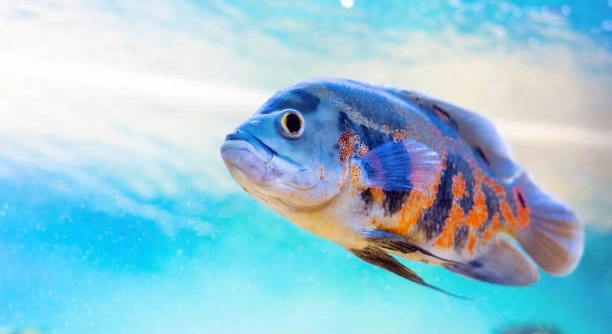
Oscar fish are popular pets known for their intelligence and distinct personalities. Many pet owners wonder about the possibility of house-training these fascinating creatures. While they are not as easily trained as other animals, they can still display learned behaviors.
Oscar fish are not house-trainable in the traditional sense. However, they can learn specific behaviors, such as responding to feeding times and recognizing their owners. Their ability to associate certain actions with rewards is a form of basic conditioning.
Understanding the nature of Oscar fish behavior will help you build a stronger bond with your pet. By setting expectations, you can appreciate the unique qualities of these fish.
Can Oscar Fish Learn to Recognize Their Owners?
Oscar fish are known for their intelligence, which can sometimes make it seem like they could be house-trained. While they can’t follow commands like dogs, they can certainly recognize their owners over time. This recognition comes from associating you with food or specific routines. Once they’ve built that connection, they may approach the tank when they see you, especially during feeding time. Their keen senses and curiosity play a big role in how they learn to recognize familiar faces.
They might also react to your presence by swimming to the front of the tank or following your movements. However, this is less about training and more about conditioned behavior, where they link your arrival with something positive, like food or attention.
If you’re looking to strengthen the bond with your Oscar fish, consistency is key. Spending time near the tank and maintaining regular feeding schedules can help them become more accustomed to your presence. While they won’t ever “come when called,” you’ll start to notice them becoming more interactive.
Understanding Oscar Fish Behavior
Oscar fish are naturally curious and intelligent. They can learn basic patterns, like when to expect food or when it’s time for a water change. However, training them to perform tricks or tasks is not realistic. Instead, focus on observing and nurturing their instinctive behaviors. This will allow you to better understand their moods and reactions.
Many pet owners enjoy watching their Oscars interact with their environment, as they can display complex behaviors like exploring their surroundings or interacting with tank mates. Understanding these behaviors will help you create a better environment for them, making their habitat more comfortable and engaging. Regular interaction with your Oscar will lead to mutual trust, which can enhance your bond.
Can Oscar Fish Be Trained to Perform Simple Tasks?
Oscar fish can learn simple behaviors through repetition and association. While they won’t perform tasks like dogs, they can respond to cues over time. For example, they might come to the front of the tank when they see you preparing their food. Repetition is essential in this process, but it’s more about conditioning than actual training.
It’s important to note that training an Oscar to do specific tricks is not realistic. They lack the cognitive ability to learn complex tasks. Instead, they focus on routines and behaviors that help them anticipate things like feeding or water changes. When they associate certain actions with rewards, they will react accordingly.
The key to enhancing your interaction with your Oscar fish is consistency. Feed them at regular times and keep the tank environment stable. While they can’t learn to sit or shake, they will start to recognize patterns in your behavior. This will make them more comfortable and engaged with their surroundings.
Creating a Comfortable Environment for Your Oscar Fish
Oscar fish thrive in stable environments, and the right conditions can help them feel more secure and active. They prefer a large tank with plenty of space to swim and explore. A well-maintained tank with good filtration ensures the water stays clean and oxygenated, creating a healthier habitat for your fish. Make sure the water temperature stays between 74-81°F, as Oscars are sensitive to temperature fluctuations.
Another crucial aspect is providing them with hiding spots. Oscars are naturally shy and may feel stressed if there’s nowhere to retreat. Adding caves or plants to their tank will give them a sense of security. Additionally, Oscars tend to be territorial, so keeping the tank to themselves can help reduce aggression and stress.
By paying attention to their needs and maintaining a stable environment, your Oscar fish will not only be more comfortable but also more likely to interact with you. This helps strengthen the bond you have with them.
Oscar Fish Feeding Habits and Training
Oscar fish quickly learn to associate feeding time with your presence. They can anticipate when food is coming, even recognizing the sound of you approaching the tank. This behavior can be used to help strengthen your bond with them. Consistency is key in reinforcing this association.
Feeding Oscars at the same time each day helps establish a routine. Over time, they will learn to expect food at specific intervals. Though they won’t follow commands, they can start to behave more actively when they recognize the signals of feeding time, making interactions more enjoyable.
Interacting with Your Oscar Fish
To improve interaction, you can try spending more time near their tank. They are curious and may respond to your movements by swimming to the front of the tank. You can also tap gently on the glass to grab their attention. However, keep these interactions brief to avoid stress.
Managing Oscar Fish Aggression
Oscar fish are known for their territorial nature. They can become aggressive, especially if there are other fish in the tank. To reduce aggression, it’s important to avoid overcrowding and provide plenty of space. A single Oscar fish in a larger tank is typically less stressed.
FAQ
Can Oscar fish live with other fish?
Oscar fish are territorial and can be aggressive toward other tank mates. While they can live with other fish, it’s best to choose species that are large enough to defend themselves. Avoid smaller fish, as Oscars may view them as food. It’s also important to provide enough space in the tank to reduce stress and territorial disputes. If you want to add other fish, make sure they are similar in size and temperament, such as larger cichlids. Always monitor the behavior and remove any fish if aggression becomes an issue.
What size tank do Oscar fish need?
Oscar fish require a large tank, especially as they grow. A minimum of 55 gallons is recommended for one Oscar, but a 75-gallon tank or larger is even better for long-term health. They grow quite large, reaching up to 12-14 inches, so providing enough space to swim freely is essential. A tank that’s too small can lead to stress, health problems, and aggression. Additionally, a larger tank provides more room for decorations and hiding places, helping to create a more comfortable environment for your Oscar.
How often should I feed my Oscar fish?
Oscar fish should be fed once or twice a day, depending on their size and age. Young Oscars tend to need more food and can be fed twice a day. Adults, however, typically do well with one feeding per day. Overfeeding can lead to obesity and water quality issues. It’s best to feed them only what they can consume in 5-10 minutes. A varied diet, including pellets, live food, and frozen options, will ensure they get the proper nutrition. Monitor their health and adjust feeding amounts as necessary.
What do Oscar fish eat?
Oscar fish are omnivores with a strong preference for meaty foods. Their diet should include high-quality pellets designed for carnivorous fish, along with live or frozen foods such as earthworms, shrimp, and small fish. Offering occasional plant matter like spinach or peas will provide a well-rounded diet. It’s also important to offer a variety of food types to mimic their natural diet and keep them engaged. Avoid overfeeding and ensure the food size is appropriate for their size to prevent choking.
Why is my Oscar fish hiding?
Oscars can be shy and will sometimes hide, especially if they feel stressed. They may hide if they are new to the tank, in a noisy environment, or if the tank mates are too aggressive. Changes in water parameters, like temperature or pH fluctuations, can also cause them to seek refuge. Give your Oscar time to adjust and ensure the environment is stable. Adding hiding spots in the tank can help your fish feel more secure. However, if hiding becomes a consistent behavior, it may be a sign of illness or stress that needs further investigation.
How do I prevent my Oscar fish from becoming sick?
Keeping your Oscar fish healthy involves maintaining stable water conditions. Regular water changes (about 20-30% weekly) are essential to prevent the buildup of toxins. Invest in a good filtration system and monitor water parameters regularly, including ammonia, nitrate, nitrite, and pH levels. Overfeeding and overcrowding should be avoided, as both can lead to water quality problems and stress. Additionally, ensure that any new fish added to the tank are quarantined first to prevent introducing disease. A balanced diet and consistent care will also help keep your Oscar in top condition.
Can Oscar fish be trained to do tricks?
Oscar fish are capable of recognizing their owners and learning basic routines, but they cannot be trained to perform specific tricks like dogs. They can, however, become familiar with feeding times and may respond by coming to the front of the tank when they see you approaching with food. Training Oscars is more about building a routine and reinforcing positive behaviors, like swimming to the front during feeding time. While they won’t fetch or jump through hoops, they can learn to anticipate certain actions through association.
How can I tell if my Oscar fish is stressed?
Signs of stress in Oscar fish include abnormal swimming patterns, like darting or hiding more than usual. They may also refuse to eat or display signs of aggression. If their colors appear faded or their fins are clamped, this can be a sign of discomfort. Stress can be caused by changes in water quality, overcrowding, aggression from other fish, or a lack of hiding spaces. It’s crucial to assess the environment and make any necessary adjustments, such as improving water conditions, removing aggressive tank mates, or adding more hiding spots.
Why is my Oscar fish shaking?
Shaking or twitching in an Oscar fish can indicate several things, including stress or discomfort. It may happen if they are in an environment where they feel threatened or overcrowded. It can also be a sign of illness, such as a parasitic infection, or even a reaction to changes in water parameters. If the shaking persists, closely monitor your Oscar for other signs of illness, like loss of appetite or abnormal behavior. Adjust the tank environment as needed and consider consulting an aquatic veterinarian for further diagnosis.
What type of filter is best for Oscar fish?
Oscar fish produce a lot of waste, so a powerful filtration system is necessary to keep the water clean and safe. A canister filter is often recommended for Oscar tanks because it offers strong filtration and can handle the high waste load. A filter with a high flow rate ensures that the water stays clean and properly oxygenated. It’s essential to choose a filter rated for a tank size larger than the one you currently have, as Oscars produce significant amounts of waste. Regular maintenance of the filter is also necessary to ensure it continues to work effectively.
Final Thoughts
Oscar fish can make fascinating pets for the right owner. They are intelligent and have unique personalities, often forming bonds with their caregivers. While they aren’t as trainable as other pets, they can learn to recognize feeding times and react to their environment. Over time, you might notice that your Oscar becomes more comfortable with you and may even swim to the front of the tank when it sees you. This bond can be a rewarding aspect of owning an Oscar fish, as they’re not only visually striking but also engage with you in their own way.
However, Oscars are not the easiest fish to care for, and their aggressive nature can sometimes be a challenge. They are territorial, so it’s important to provide them with enough space and ensure that tank mates are compatible. Overcrowding can lead to stress, and water quality is crucial for their health. Regular tank maintenance, including water changes and proper filtration, is essential to keeping your Oscar happy and healthy. While they don’t require constant attention, creating a stable environment is key to preventing stress and potential health issues.
If you’re considering adding an Oscar fish to your tank, be sure you have the space and time to care for them properly. They may not be suitable for beginners due to their size and specific care needs, but for those willing to put in the effort, they can thrive in the right environment. Keeping your Oscar fish stress-free and healthy will ensure that you have a happy and long-lasting pet. By providing a suitable tank, proper nutrition, and regular care, you’ll set the stage for a positive experience with your Oscar fish.

Hello,
If you enjoy the content that we create, please consider saying a "Thank You!" by leaving a tip.
Every little bit helps us continue crafting quality advice that supports the health, happiness, and well-being of pets around the world, for pets of all shapes, sizes, and species.
We really appreciate the kindness and support that you show us!