
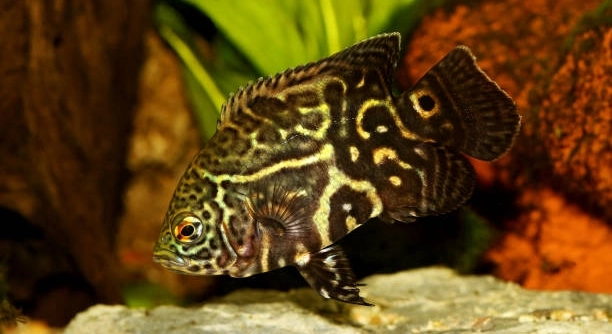
Oscar fish are popular among aquarium enthusiasts due to their vibrant colors and lively personalities. If you’re caring for one, understanding their dietary needs is essential to their health and happiness. Feeding schedules play a key role.
Oscar fish should be fed once or twice a day, depending on their age and size. Young fish may require more frequent feedings, while adult fish can manage with fewer. Always monitor their eating habits to avoid overfeeding.
By understanding how much and how often to feed your Oscar fish, you’ll be providing the best care for their well-being. This knowledge helps in maintaining a balanced, healthy aquarium environment for them to thrive.
The Right Amount of Food for Oscar Fish
Oscar fish are known for their big appetites, but it’s important to feed them the right amount to keep them healthy. Overfeeding can lead to water pollution, which can cause issues for your fish and make tank maintenance more difficult. As a rule, feed your Oscar fish only what they can consume in a few minutes. Offering them too much food at once can result in uneaten food, which can decay and harm the water quality. Be mindful of their size, as larger fish may eat more than smaller ones. In general, feeding them small portions multiple times a day is better than giving them one large meal.
When feeding your Oscar fish, remember that they are carnivores. Their diet should consist mostly of protein-rich food, such as pellets, frozen foods like shrimp, and even live food. The type of food should vary depending on their size and age, ensuring they get the proper nutrients they need. Pay attention to how much they eat and adjust their meals if necessary to avoid overfeeding.
Oscars are relatively easy to care for as long as you monitor their diet and feeding habits closely. Their health and the quality of the tank water are directly impacted by what and how often they are fed. Establishing a regular feeding schedule will help you avoid common issues like obesity or digestive problems. Remember, moderation is key.
Factors that Influence Feeding Frequency
The age and size of your Oscar fish are major factors in determining how often to feed them.
Young Oscar fish need to eat more frequently to support their rapid growth. They may require up to three small meals per day. As they mature, their metabolism slows down, and they may only need to be fed once or twice a day. It’s crucial to adjust the feeding schedule as your fish grows to prevent excess food from sitting in the tank and fouling the water.
Additionally, the water temperature affects how often Oscars should eat. In warmer water, their metabolism speeds up, so they may need more food. In cooler water, their metabolism slows, meaning they may not need to eat as often. Keep in mind that the quality of the food also impacts how often they should be fed. High-quality, protein-rich food can provide the necessary nutrients without overfeeding. Lastly, observe your fish’s behavior to gauge their appetite. If they’re eating well and staying active, you’re likely feeding them the right amount.
Overfeeding and Its Consequences
Overfeeding Oscar fish is a common mistake that can lead to multiple problems. It can cause obesity, stress, and water pollution. Oscars have a tendency to eat whatever is offered, making it easy to feed them too much.
When you overfeed your Oscar, the uneaten food decays in the tank, leading to poor water quality. This can harm your fish by increasing harmful toxins like ammonia. In the long term, overfeeding can also cause your fish to become overweight, which may lead to health issues like fatty liver disease or difficulty swimming. To avoid these problems, only feed them what they can consume within a few minutes. Monitoring their weight and appetite will help you stay on track.
By keeping an eye on how much food is left after feeding, you can adjust accordingly. If you find uneaten food at the bottom of the tank, reduce the portion size during the next feeding. Stick to smaller meals and feed them more frequently to ensure they get the right amount of nutrition without overdoing it.
Signs of Underfeeding
Underfeeding Oscar fish is another concern that can impact their health. If your fish appear lethargic or thin, they may not be getting enough food.
Oscar fish that are not fed enough can show signs of stunted growth, and their colors may become dull. You may also notice them begging for food more often, which is a sign they are hungry. If these signs are present, it’s time to increase the frequency or portion of food you provide. Keep in mind that their growth rate slows as they age, but their basic nutritional needs remain consistent.
A healthy Oscar should have a rounded body shape, with vibrant colors. If you’re unsure about whether your Oscar is getting enough to eat, try offering a slightly larger portion, or feed them an additional meal. If they eat it all quickly, then their appetite may need more food. However, make sure to gradually adjust their feeding schedule to avoid sudden changes that could stress them.
Types of Food for Oscar Fish
Oscar fish are carnivores, so their diet should focus mainly on protein. They enjoy a variety of foods, including pellets, frozen foods, and live prey. Choosing the right food helps support their health and vibrant colors.
Commercial pellets designed for carnivorous fish are an easy option. They provide all the nutrients your Oscar needs. Frozen foods like shrimp, bloodworms, or krill are also great additions to their diet. Offering live food occasionally can stimulate their natural hunting instincts and provide extra nutrition. Just make sure the food size is appropriate for your fish.
Keep their diet balanced by rotating between different food types. You can also supplement with occasional vegetables or plant matter, but protein should always be the focus. Adjust the types of food based on their age and size to ensure proper nutrition.
Feeding Frequency for Different Ages
Oscar fish need different feeding schedules at different stages of their life. Young fish require more frequent meals for growth, while adults need fewer meals.
Juvenile Oscars should be fed 2–3 times a day. This supports their rapid growth and energy needs. Once they reach adulthood, you can reduce feeding to once or twice a day. Be sure to adjust portion sizes according to their size and appetite to maintain their health.
Water Quality and Feeding
Feeding Oscars properly directly impacts the quality of their tank water. Overfeeding leads to excess food, which pollutes the water.
Maintaining clean water is essential for Oscar fish to thrive. Regular water changes, combined with proper feeding, will help prevent the buildup of harmful substances like ammonia. Always clean the tank and filter frequently to keep the water quality high. If you notice the water getting cloudy or dirty, reduce the amount of food given and perform a water change.
FAQ
How often should I feed my Oscar fish?
Oscar fish should generally be fed once or twice a day. Young fish may need more frequent feedings, up to three times daily, to support their rapid growth. Adults, however, require less frequent meals. It’s essential to adjust the frequency based on their age, size, and activity levels.
Can I feed my Oscar fish once a day?
Yes, adult Oscar fish can be fed once a day. However, you should make sure to provide a larger portion of food to ensure they receive enough nutrition. If your Oscar is very active, you may need to increase the frequency of feeding slightly.
What kind of food should I feed my Oscar fish?
Oscar fish are carnivorous and require a protein-rich diet. You can feed them high-quality pellets formulated for carnivorous fish. Additionally, frozen foods like shrimp, bloodworms, and krill are excellent choices. Live food like feeder fish can also be added occasionally to provide variety and stimulate natural hunting behavior.
Can I feed my Oscar fish vegetables?
While Oscar fish are mainly carnivores, they will occasionally nibble on vegetables. Some Oscars enjoy leafy greens, like spinach or lettuce. You can offer small portions of vegetables, but protein should always be the primary focus of their diet. Too much plant matter may not provide enough essential nutrients.
How do I know if my Oscar fish is getting enough food?
If your Oscar fish is eating all the food within a few minutes and maintaining a healthy weight, then they are likely getting the right amount of food. Signs of underfeeding include weight loss, lethargy, or a thin body. Overfeeding can cause excess food to decay in the tank, leading to poor water quality and potential health issues.
Is it okay to feed my Oscar fish live food?
Yes, live food can be offered to Oscars occasionally. It’s a great way to provide variety and stimulate their natural hunting instincts. However, be cautious about the source of live food. Make sure it’s free from parasites and diseases. Live food should be fed in moderation to prevent overfeeding.
What happens if I overfeed my Oscar fish?
Overfeeding Oscar fish can lead to obesity and water pollution. Leftover food will decay in the tank, increasing harmful toxins like ammonia. Overweight Oscars may also develop health issues like fatty liver disease or difficulty swimming. It’s important to feed them only what they can consume in a few minutes and avoid excess food.
How do I prevent overfeeding my Oscar fish?
To prevent overfeeding, offer small portions of food and monitor how much your Oscar eats. If they finish the food quickly, then it’s an appropriate amount. If there’s leftover food, reduce the portion size at the next feeding. You can also feed them smaller meals more frequently to prevent overeating.
Can I feed my Oscar fish frozen food?
Yes, frozen foods are a great addition to your Oscar’s diet. You can feed them frozen shrimp, bloodworms, or krill. Thaw the food before feeding it to your Oscar, and only give them a portion they can consume in a few minutes. Frozen food is rich in nutrients and helps maintain a balanced diet.
How much should I feed my Oscar fish?
Feed your Oscar fish only what they can consume in about 3-5 minutes. This portion size helps prevent overfeeding and ensures they get the right amount of food. The amount will vary depending on the size and age of the fish. Adjust the portions as your Oscar grows.
How can I tell if my Oscar fish is overfed?
Signs of overfeeding include uneaten food accumulating at the bottom of the tank and cloudy water. Overfed Oscars may become lethargic, and their body may appear swollen or obese. You may also notice more waste buildup, which is a direct result of excess food. To correct this, reduce the portion size and monitor their eating habits.
Should I feed my Oscar fish different types of food?
Yes, variety is important. Offering different types of food, such as pellets, frozen food, and occasional live food, will help provide a balanced diet and prevent nutritional deficiencies. You can rotate the food types each week to keep your Oscar’s diet interesting and healthy. However, protein should always be the primary component of their meals.
Can I feed my Oscar fish feeder fish?
Feeder fish can be fed to Oscar fish, but it’s essential to ensure they are healthy and disease-free. Some people worry about diseases that may come with feeder fish. To minimize risk, you can quarantine the feeder fish for a few days before offering them to your Oscar. Feeder fish should be offered in moderation to avoid overfeeding and ensure a balanced diet.
How do I adjust feeding if my Oscar fish stops eating?
If your Oscar fish stops eating, first check the water quality. Poor water conditions can lead to stress and loss of appetite. Also, try offering different types of food to see if your Oscar prefers something else. If the problem persists, consult a veterinarian to rule out any health issues.
What if my Oscar fish isn’t growing properly?
Slow or stunted growth can be a sign of underfeeding, poor water quality, or a lack of proper nutrients. Make sure your Oscar is getting a balanced diet and feed them at appropriate intervals. Also, ensure the water quality is optimal, as poor water conditions can affect their growth and overall health.
Final Thoughts
Feeding your Oscar fish properly is essential to their health and well-being. By offering them the right amount of food, at the right times, you can ensure they stay active, colorful, and healthy. Their diet should primarily consist of protein-rich foods, like high-quality pellets, frozen shrimp, and bloodworms, as they are carnivorous by nature. Offering variety, while sticking mostly to protein, will help meet their nutritional needs and keep them engaged. Monitoring their eating habits and adjusting the amount of food based on their size, age, and appetite will prevent overfeeding or underfeeding. Both extremes can lead to health problems that are easily avoidable with a consistent and balanced feeding routine.
One key to maintaining a healthy feeding schedule is to avoid overfeeding. Giving them too much food can pollute the water, cause health issues like obesity, and stress the fish. It is important to feed only as much as your Oscar can eat in a few minutes, and remove any uneaten food after feeding to avoid tank contamination. Overfeeding can also lead to a buildup of waste, affecting water quality and causing other problems like ammonia spikes. If you notice uneaten food left in the tank or a decrease in your Oscar’s activity, it’s time to reduce the portion size. Consistency is crucial for avoiding these issues.
Finally, always keep an eye on the water quality in your tank. Poor water quality can affect your Oscar’s appetite and overall health. Regular water changes and maintaining a clean tank go hand in hand with a good feeding routine. Proper filtration also plays a vital role in maintaining a healthy environment for your fish. By staying on top of their feeding habits and water conditions, you can provide a happy and healthy home for your Oscar fish. With the right care and attention to their needs, they can thrive and be a beautiful addition to your aquarium.

Hello,
If you enjoy the content that we create, please consider saying a "Thank You!" by leaving a tip.
Every little bit helps us continue crafting quality advice that supports the health, happiness, and well-being of pets around the world, for pets of all shapes, sizes, and species.
We really appreciate the kindness and support that you show us!