
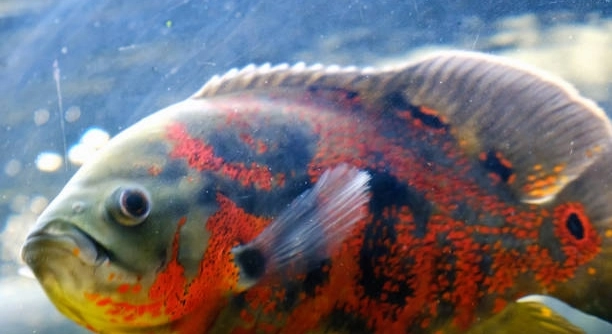
Oscar fish are popular pets, admired for their size, personality, and vibrant colors. However, there are common mistakes many owners make that can shorten their lifespan. It’s essential to understand these issues to give your fish a longer, healthier life.
Several factors can contribute to a shortened lifespan for Oscar fish. Poor water quality, an improper diet, overcrowded tanks, and incorrect tank mates are the most common mistakes owners make that negatively affect their health.
Taking the time to learn about these issues can greatly improve your Oscar fish’s quality of life. Knowing what to avoid ensures your fish live longer, happier lives. Let’s go through these key points and how you can address them.
Poor Water Quality
Water quality plays a huge role in the health of your Oscar fish. These fish need clean, well-maintained water to thrive. High levels of ammonia, nitrites, or nitrates can be harmful to them, causing stress, illness, and a shorter lifespan. A regular water change schedule and a good filtration system are key to maintaining a healthy environment. Oscars are sensitive to poor water conditions, so even small fluctuations can negatively impact their health.
A common mistake is not testing the water regularly. Without a water test kit, you may miss dangerous spikes in harmful substances that your fish can’t tolerate.
To keep your Oscar fish safe, monitor water temperature, pH, ammonia, nitrites, and nitrates. A filtration system designed for larger tanks is essential, as Oscars produce a lot of waste. Clean the filter regularly, change 20-30% of the water weekly, and ensure the tank has proper circulation. With consistent care, you’ll avoid water-related health problems that can drastically shorten their lifespan.
Overfeeding
Overfeeding is one of the most common mistakes Oscar owners make. Overfeeding can lead to obesity and poor water quality.
When you feed your Oscar too much, the leftover food decays and pollutes the water. This can result in poor water quality and health issues for the fish. A proper feeding schedule is vital to their wellbeing.
Feed your Oscar fish only what they can eat in 2-3 minutes, 2-3 times a day. If you’re unsure how much food to give, it’s better to start with smaller portions. Oscars can go without food for a day or two without any harm, so it’s important not to overfeed them. By doing this, you’ll maintain healthy water conditions and keep your fish in good shape.
Inappropriate Tank Size
Oscar fish grow large and require plenty of space. A small tank can lead to stress, which weakens their immune system and reduces their lifespan. A tank that is too small limits their movement and makes it harder to maintain water quality.
A minimum of 55 gallons is recommended for a single Oscar. As they grow, they need more space, so consider upgrading their tank. If they’re kept in cramped conditions, their growth can be stunted, and they may show signs of aggression or health problems.
Oscars are territorial and may also become stressed when they feel confined. In a small tank, this can lead to injuries or bullying from tank mates. Providing a spacious, well-maintained environment is crucial for their physical and mental well-being. Bigger tanks also allow you to maintain better water quality, which helps prevent many health issues that can shorten their lifespan.
Incorrect Tank Mates
Oscar fish are aggressive and territorial. Choosing the wrong tank mates can cause constant stress, leading to health issues. It’s important to carefully select species that can coexist with them.
Avoid small fish that may be seen as prey. Even other aggressive fish can pose a problem if there isn’t enough space to establish territories. Oscars may attack smaller fish or be harmed by more aggressive species.
To ensure a peaceful tank, choose large, fast-moving fish that can hold their own. Avoid keeping Oscars with species that are slower or have long, flowing fins, as they may become targets. Research compatible species and aim for a tank setup that provides enough space for all fish to thrive.
Poor Diet
Oscar fish require a varied and balanced diet. Feeding them only one type of food can lead to nutritional deficiencies, affecting their health and lifespan. A well-rounded diet includes pellets, live or frozen foods, and occasional vegetables.
A poor diet can lead to obesity, malnutrition, and other health issues. If your Oscar is fed low-quality food, they won’t get the proper nutrients needed to stay healthy. Over time, this can weaken their immune system and shorten their life.
Provide a mix of protein-rich foods, such as worms or shrimp, and vegetables like peas or spinach. This ensures your fish gets a balanced diet and avoids common health problems related to poor nutrition.
Stress
Stress can greatly impact your Oscar’s health. Too much stress leads to weakened immunity and makes them more susceptible to diseases. Stress often arises from poor water conditions, overcrowding, or aggression from tank mates.
Make sure to provide a quiet environment with stable water parameters. Regularly check for signs of stress like fin clamping or unusual behavior. Reducing stress is one of the easiest ways to prolong your Oscar’s life.
Lack of Proper Tank Maintenance
Neglecting regular tank maintenance can have serious consequences for your Oscar. Keeping the tank clean and monitoring water quality are essential to their wellbeing.
Regularly clean the tank, change the water, and check the filtration system to ensure everything is running smoothly. Failing to do so can lead to harmful bacteria and algae buildup, harming your fish. Maintaining proper tank care reduces the risk of water-related diseases and stress, helping your Oscar thrive.
FAQ
How long do Oscar fish live?
Oscar fish typically live 10 to 15 years when properly cared for, though some can live even longer in ideal conditions. A healthy tank with proper water quality, diet, and space can extend their lifespan. In contrast, poor care can lead to a shorter life.
What size tank does an Oscar fish need?
Oscar fish need a minimum of a 55-gallon tank, but the bigger, the better. They can grow up to 12-14 inches long, and they need space to swim comfortably. As they grow, upgrading their tank to 75 gallons or larger will give them plenty of room to thrive.
What do Oscar fish eat?
Oscar fish are carnivores and prefer a diet that includes a mix of protein-rich foods such as pellets, worms, shrimp, and live or frozen fish. They also benefit from occasional vegetables like peas and spinach. A balanced diet ensures they stay healthy and vibrant.
Can Oscar fish live with other fish?
Oscar fish are known for their aggression and territorial nature, which means they’re not the best choice for a community tank. If you do keep other fish with them, make sure they are large, fast swimmers and can hold their own. Avoid keeping small or slow-moving fish that may be seen as prey.
How often should I feed my Oscar fish?
You should feed your Oscar fish 2-3 times a day, offering only what they can eat in about 2-3 minutes. Overfeeding can lead to obesity and poor water quality, so it’s important to monitor their food intake. They can also go without food for a day or two without harm.
What is the best water temperature for Oscar fish?
Oscar fish prefer water temperatures between 74°F and 81°F (23°C to 27°C). Keeping the water in this range promotes optimal health and metabolism. Any drastic change in temperature can stress your fish, leading to illness or even death.
How do I know if my Oscar fish is stressed?
Signs of stress in Oscar fish include erratic swimming, loss of appetite, fin clamping, and darkening of the body. Stress can be caused by poor water conditions, overcrowding, or aggression from tank mates. Regularly monitor your fish for any unusual behavior.
Do Oscar fish need a filter?
Yes, Oscar fish require a high-quality filter. They are messy eaters and produce a lot of waste, so a powerful filter is essential to maintain water quality. A good filtration system will help keep ammonia, nitrites, and nitrates in check, which are harmful to your fish.
Can I keep an Oscar in a smaller tank if they are young?
While baby Oscars can live in smaller tanks, they will quickly outgrow them. A small tank may stunt their growth and cause stress. It’s important to upgrade to a larger tank as soon as they begin to grow. A 55-gallon tank is a minimum for a single adult Oscar.
Why is my Oscar fish not eating?
There are several reasons why an Oscar may stop eating. Stress, water quality issues, illness, or a change in environment can cause them to lose their appetite. Check the water parameters, look for signs of illness, and make sure they’re not being bullied by other fish.
How can I tell if my Oscar fish is sick?
Common signs of illness in Oscar fish include white spots on their body (Ich), faded color, abnormal swimming patterns, or visible wounds. If you notice any of these signs, check the water quality immediately and consider isolating the fish to treat the illness. It’s also important to observe their behavior for any drastic changes.
Is it safe to add new fish to my Oscar’s tank?
Adding new fish to an Oscar’s tank can be risky, especially if they are smaller or slower than the Oscar. Before introducing new fish, quarantine them for a few weeks to make sure they are disease-free. If adding new fish, ensure they are large enough to defend themselves and are compatible with the Oscar’s temperament.
How often should I change the water in my Oscar tank?
It’s recommended to change 20-30% of the water in your Oscar’s tank every week. This helps to maintain water quality by removing excess waste and harmful chemicals. Regular water changes also reduce the risk of diseases and keep your fish healthy. Make sure to use a water conditioner to treat tap water before adding it to the tank.
Can I use tap water for my Oscar fish tank?
Tap water is generally fine for Oscars, but it must be treated first. Most tap water contains chlorine or chloramine, which are harmful to fish. Always use a water conditioner to remove these chemicals before adding tap water to the tank. You should also test the water to ensure it’s within the proper pH range for your fish.
What’s the best way to clean an Oscar tank?
To clean an Oscar tank, first remove any uneaten food, debris, or waste from the substrate. Use a gravel vacuum to clean the bottom of the tank during water changes. Clean the filter regularly and wipe down the sides of the tank to prevent algae buildup. Make sure to never clean everything at once to avoid disturbing the beneficial bacteria in the tank.
Final Thoughts
Taking care of an Oscar fish requires understanding their needs and providing the right environment for them to thrive. These fish are known for their large size, vibrant colors, and strong personalities. However, keeping them healthy and happy isn’t just about feeding them; it involves proper tank care, regular water changes, and choosing the right tank mates. Ensuring they have the right space to swim and grow is also crucial for their overall well-being. A larger tank gives them the freedom to move around, reducing stress and the chance of aggression.
A balanced diet is another essential factor. Oscars are carnivores and need a variety of protein-rich foods. Pellets, worms, shrimp, and even some vegetables are all part of a healthy diet. Overfeeding or offering a poor-quality diet can lead to health problems, so it’s important to know how much food they need. Stick to a feeding schedule and avoid feeding them too much. This will also help prevent water quality issues caused by uneaten food, which can cause harmful bacteria to grow in the tank.
Lastly, paying attention to their water quality is critical. Oscars are sensitive to poor water conditions, and bad water quality can quickly lead to stress, illness, and even a shortened lifespan. Regular water changes, good filtration, and maintaining the right temperature and pH levels are necessary for keeping your Oscar in good health. Regularly check your water parameters and invest in a quality filtration system to keep everything in balance. By taking these simple steps, you can ensure that your Oscar fish live a long, happy life.

Hello,
If you enjoy the content that we create, please consider saying a "Thank You!" by leaving a tip.
Every little bit helps us continue crafting quality advice that supports the health, happiness, and well-being of pets around the world, for pets of all shapes, sizes, and species.
We really appreciate the kindness and support that you show us!