
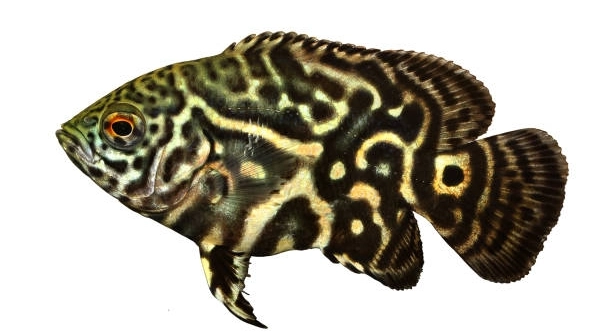
Oscar fish are popular in home aquariums for their size and vibrant colors. Many owners wonder whether these large fish experience loneliness in their tanks. Understanding their social needs can help ensure they live a happy life.
Oscar fish are solitary creatures, and while they can thrive in a large tank, they do not experience loneliness in the same way humans or more social animals might. They focus on territory and interaction with their environment instead.
It’s important to know what makes Oscar fish feel comfortable and how their behavior changes in different tank settings. Understanding their habits can improve their well-being and enhance your aquarium experience.
Social Needs of Oscar Fish
Oscar fish are not known for their need to interact with others in the way some other species are. They are territorial animals, more focused on their space and environment than on companionship. In a large tank, they can feel secure without needing constant interaction with other fish. However, they can become aggressive towards tankmates if they feel threatened or crowded, especially in smaller tanks.
Even though Oscars may tolerate other fish, they are more likely to do well alone or with similarly sized and peaceful species. It’s important to monitor their behavior closely to ensure they’re not stressed or displaying aggressive tendencies. This means that, while Oscars don’t feel lonely in the traditional sense, they do need a stable environment where they can thrive.
Ensuring an Oscar fish’s comfort goes beyond avoiding loneliness. These fish can become more active when provided with a varied and enriched environment. Items like rocks, plants, and hiding spots can reduce stress and provide a stimulating habitat. While they may not seek out companionship, they benefit from space and elements that mimic their natural environment. This allows them to exhibit their natural behaviors, making for a healthier and happier life.
Tank Size and Oscar Fish Behavior
A large tank is key to keeping your Oscar fish happy. It provides enough space for them to explore and establish their own territory, which is essential for reducing stress and aggression.
When Oscar fish are placed in a tank that’s too small, they can feel confined, leading to anxiety and sometimes even health issues. The larger the tank, the more opportunities they have to interact with their surroundings, which keeps them mentally stimulated. These fish can grow quite large, so their tank should reflect that. Generally, an Oscar fish requires at least a 75-gallon tank to live comfortably.
With enough room, Oscars can also develop more balanced behaviors. They may spend time exploring their environment, swimming freely, and occasionally interacting with other fish if compatible. However, it’s important to remember that Oscars will generally keep to themselves, maintaining a level of independence even in a spacious tank. A large, well-maintained aquarium offers them the freedom to thrive without feeling lonely.
Oscar Fish Tankmates
Oscar fish can coexist with certain tankmates, but not all species are ideal. They are generally more tolerant of large, peaceful fish that won’t invade their space.
Choosing compatible tankmates involves considering size, temperament, and the Oscar’s territorial nature. Larger fish like catfish or other robust species work best as they can defend themselves and won’t be intimidated by the Oscar’s assertive behavior. Smaller or more passive fish may become stressed or even eaten if the Oscar sees them as food.
It’s important to ensure that tankmates are not only physically compatible but also share similar water temperature and conditions. Oscars are sensitive to changes in water quality, so the right balance must be maintained for all the fish in the tank. Additionally, the Oscar will establish its territory, so providing ample space and hiding spots will reduce aggression. Regular monitoring is necessary to ensure that no tankmates are being harassed or stressed by the Oscar, keeping the entire tank environment peaceful.
Oscar Fish and Tank Maintenance
Tank maintenance is crucial for an Oscar fish’s health. Oscars are messy eaters and produce a significant amount of waste, which can quickly lead to poor water quality if not addressed.
Frequent water changes are essential to keep the environment clean and safe for the Oscar. Ideally, you should perform a 25-30% water change every week. A reliable filtration system is also a must. The filter should be powerful enough to handle the bio-load produced by an Oscar, as they require high filtration rates to maintain water quality.
In addition to water changes and filtration, regular checks on water parameters such as pH, ammonia, nitrate, and nitrite levels are important to ensure a stable environment. If these parameters are not within the right range, the fish can become stressed or sick. A well-maintained tank not only benefits the Oscar fish but also reduces the risk of tankmate conflicts and promotes a healthier ecosystem for all the fish.
Oscar Fish Personality
Oscar fish have distinct personalities that can vary from one fish to another. Some are more active, while others may be more laid-back.
These fish are often curious and show signs of recognition towards their owners, especially if you feed them regularly. Over time, they can become accustomed to your presence, swimming to the front of the tank when you approach.
However, their behavior can change based on the environment. Stressful conditions, like overcrowding or poor water quality, may cause them to become more withdrawn or aggressive. Monitoring their behavior helps you gauge their comfort level and ensure they’re in the best environment possible.
Oscar Fish Feeding
Oscar fish are omnivores, and they enjoy a varied diet, including pellets, live food, and occasional vegetables.
To keep your Oscar healthy, offering a balanced diet is important. They can eat both animal and plant-based food, so switching between different types of food helps prevent boredom and ensures they get the necessary nutrients. Be cautious of overfeeding, as they can become overweight.
Since Oscars can be aggressive eaters, it’s best to feed them separately from other tankmates to avoid competition for food. Proper feeding habits contribute to their overall well-being and happiness, keeping them active and healthy.
Oscar Fish Lifespan
Oscar fish typically live between 10 to 15 years in a well-maintained tank.
Their lifespan can be shortened by poor water conditions, inadequate diet, or stress. Proper tank care and attention to their environment will allow them to live a longer, healthier life. Keeping up with water changes, monitoring water parameters, and avoiding overfeeding are key.
FAQ
Can Oscar fish live alone?
Yes, Oscar fish can live alone. They are solitary creatures by nature and can thrive without other fish around. However, they can coexist with compatible tankmates as long as the space is large enough and the other fish are peaceful and similar in size. In fact, Oscars can sometimes show signs of stress or aggression when housed with more timid species.
Do Oscars get lonely in a tank?
Oscar fish do not experience loneliness in the same way humans or social animals do. They are territorial and enjoy having their space. As long as their environment is comfortable and their needs are met, they won’t feel the same social isolation that more social animals might.
How big does an Oscar fish get?
Oscar fish can grow quite large, typically reaching 12 to 18 inches in length, though some may grow even bigger with proper care. The size of the tank should be suitable to accommodate their full growth, with a minimum recommended size of 75 gallons for one Oscar fish.
What do Oscar fish eat?
Oscar fish are omnivores and can eat a variety of foods. Their diet should include high-quality pellets, live or frozen foods like worms, shrimp, and small fish, as well as occasional vegetables. Variety in their diet helps keep them healthy and satisfied.
How often should I feed my Oscar fish?
Oscar fish should be fed once or twice a day, depending on their size and age. Young Oscars may need more frequent feedings, while adults can be fed once a day. Be careful not to overfeed them, as they can quickly become overweight and suffer from health issues.
What size tank does an Oscar fish need?
An Oscar fish needs a large tank, with a minimum of 75 gallons for a single adult fish. This size tank allows them enough space to swim, explore, and establish a territory. Bigger is always better when it comes to Oscars, as they can grow large and require ample swimming space.
Can Oscars live with other fish?
Oscar fish can live with other fish, but compatibility is important. They are aggressive and territorial, so only large, peaceful fish should be kept with them. Species like plecos or large catfish can often be good tankmates, as long as there’s enough space. Avoid small or shy fish, as they might get stressed or eaten.
How long do Oscar fish live?
Oscar fish typically live between 10 to 15 years in a well-maintained tank. Their lifespan depends on factors such as water quality, diet, and overall care. Providing them with proper tank maintenance, a balanced diet, and a stable environment can help them live a long, healthy life.
What temperature should the tank be for an Oscar fish?
Oscar fish prefer warmer water, typically between 74-81°F (23-27°C). It’s essential to maintain a consistent water temperature, as drastic fluctuations can cause stress and health problems. A reliable heater and thermometer are important to keep the temperature stable for their well-being.
How can I tell if my Oscar fish is stressed?
Stressed Oscar fish may display behaviors such as rapid swimming, hiding, or not eating. They may also appear more aggressive or less active than usual. Stress can result from poor water quality, improper tankmates, or lack of space. Regular water changes and creating a comfortable environment can help reduce stress.
Do Oscars need a filter?
Yes, Oscars produce a lot of waste, so a strong filtration system is essential. Without a good filter, water quality can deteriorate quickly, leading to health issues for your fish. A high-quality filter will help maintain clean water, ensuring your Oscar remains healthy and comfortable.
How do I keep my Oscar fish tank clean?
To keep your Oscar fish tank clean, you should perform regular water changes (at least 25-30% weekly) and use a reliable filtration system. Removing uneaten food and vacuuming the substrate regularly will also help maintain cleanliness. Keeping the tank’s water parameters stable is key to preventing bacterial growth and disease.
What kind of decorations should I put in my Oscar fish tank?
Oscar fish enjoy having plenty of space to swim, but they also appreciate decorations like rocks, driftwood, and plants that provide hiding spots. However, make sure any decorations are securely placed, as Oscars can move objects around or damage fragile items. Large decorations that don’t crowd the tank are ideal.
Can I keep multiple Oscar fish together?
Keeping multiple Oscar fish together can work if the tank is large enough and there is enough space for each fish to establish its own territory. However, Oscars are territorial and can become aggressive towards each other, especially if there is not enough room or if they feel threatened. A 125-gallon tank or larger is recommended if you plan to keep more than one Oscar.
What should I do if my Oscar fish isn’t eating?
If your Oscar fish isn’t eating, check the water quality and temperature. Poor water conditions can cause a lack of appetite. Stress, illness, or a change in their environment can also affect their eating habits. If the problem persists for several days, consider consulting an aquarium specialist or veterinarian for further guidance.
Oscar fish are fascinating creatures with unique needs and behaviors that make them suitable for dedicated aquarium owners. They thrive in large, well-maintained tanks where they have the space to move freely and establish their own territory. While Oscar fish don’t require companionship to feel content, they do benefit from a stable environment and a varied diet. Their territorial nature means they are best suited to tanks with fewer, compatible tankmates and plenty of space to call their own. This makes them an ideal choice for owners who are looking for a single, large fish to care for.
Their temperament is a key factor to consider before deciding to keep an Oscar fish. While they are not social in the traditional sense, they are highly interactive with their environment and can form a bond with their owners over time. Their behavior might seem aggressive or dominant, especially if they feel their space is being invaded, but this is part of their natural instinct. With proper care, such as maintaining water quality, feeding them properly, and avoiding overcrowding, they can live a long, healthy life in your tank. Oscars also have a longer lifespan than many fish, often living 10 to 15 years, which makes them a long-term commitment.
In conclusion, Oscar fish can be a rewarding addition to your aquarium if you understand their needs and behavior. While they don’t experience loneliness like some other species, they still need an environment that supports their territorial instincts and physical needs. By providing the right conditions—such as a large tank, appropriate tankmates, and regular maintenance—you can ensure that your Oscar thrives. Their striking appearance and engaging personality make them a standout in any aquarium, and with proper care, they can become a centerpiece of your fishkeeping experience.

Hello,
If you enjoy the content that we create, please consider saying a "Thank You!" by leaving a tip.
Every little bit helps us continue crafting quality advice that supports the health, happiness, and well-being of pets around the world, for pets of all shapes, sizes, and species.
We really appreciate the kindness and support that you show us!