
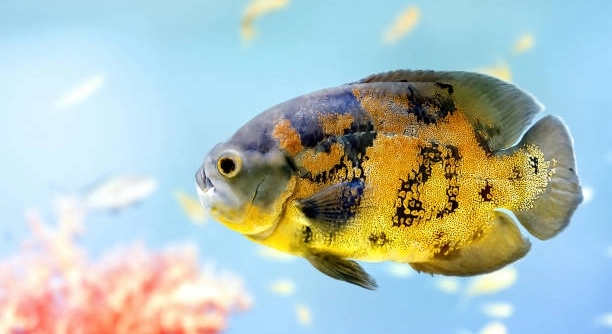
As your Oscar fish ages, it may show signs that indicate it’s nearing its senior years. Being aware of these changes can help you ensure its well-being and adapt its care routine accordingly.
Oscar fish typically show signs of aging through physical changes, behavior shifts, and adjustments in their eating habits. Common indicators include slower movements, fading color, reduced aggression, and more frequent resting. These signs reflect the natural aging process in fish.
Understanding these signs will help you take better care of your Oscar fish as it approaches old age, ensuring it remains comfortable and healthy.
Physical Changes in Aging Oscar Fish
As Oscar fish age, they may start to show physical changes. One noticeable sign is the fading of their vibrant colors. While younger Oscars are typically bright and colorful, an older fish’s colors may dull over time. You may also notice their skin losing its smooth texture, and their scales could become more pronounced.
Along with fading colors, an older Oscar fish might develop some noticeable changes in its size. It’s common for the fish to shrink a little as they age, especially if their diet has changed or if they are less active. They may also seem to lose some of their original shape, appearing thinner and less robust.
An important change to watch for is the condition of their fins. As your Oscar ages, the fins may appear ragged or torn. This can happen naturally, as the fish’s healing abilities slow down. In older Oscars, these types of changes are more common. You should also monitor their eyes. Any cloudiness or swelling could indicate health problems related to aging.
Behavioral Shifts in Older Oscars
Older Oscars can exhibit different behaviors compared to their younger selves. Their once active and curious nature may slow down, leading to less interaction with their environment. This change is often seen in their swimming patterns.
Aging Oscars tend to become less aggressive, particularly towards tank mates. They might even stop guarding their territory as much as they did when younger. In many cases, the fish will spend more time resting in one spot or swimming slowly around their tank. These behavioral shifts indicate the natural progression of their age, and they are often not a cause for concern unless accompanied by other health issues.
Decreased Appetite and Eating Habits
Another key indicator of aging in Oscar fish is a change in their appetite. As they grow older, their eating habits may change. Oscars are usually known for their hearty appetites, but they can begin to eat less as they approach old age.
An older Oscar may show less interest in food or may become more selective in their meals. This decrease in appetite can sometimes be attributed to a slower metabolism or health issues that become more common with age. However, it’s important to keep an eye on their eating habits. If your fish stops eating entirely or shows signs of malnutrition, it’s crucial to address the situation promptly. Offering a variety of foods might help encourage eating, but older fish may simply prefer smaller, more manageable portions.
Their food intake can also become irregular, with your Oscar sometimes going for days without eating. This can be due to a loss of energy or the natural slowing down of their bodily systems. While it’s normal for Oscars to eat less as they age, they still need to be monitored for any significant weight loss or lethargy.
Reduced Activity and Resting Habits
As Oscar fish age, their activity levels naturally decrease. You may notice that they swim less, spending more time resting near the bottom of the tank or in a favorite hiding spot. This is often due to reduced energy levels and slower metabolism.
Although a decrease in activity is normal for older Oscars, it’s essential to monitor them for any signs of illness, as inactivity can sometimes signal health issues. Oscars may also show less interest in exploring new areas of the tank. They prefer staying in familiar spots.
It’s important to ensure they have a comfortable environment with easy access to food and space to move. However, don’t be alarmed if your Oscar spends much of its time resting; this is a typical part of the aging process.
Changes in Social Behavior
Older Oscar fish tend to become less social. They may stop interacting with tank mates or showing interest in territorial disputes. Their aggressive nature, once prominent during their younger years, will typically diminish over time.
This change can affect their relationships with other fish in the tank. An Oscar that was once dominant may now prefer a more solitary existence. It’s not uncommon for older Oscars to become less active during feeding time, especially if they are housed with other fish. They might also show less territorial behavior, avoiding the aggressive posturing that younger Oscars often exhibit.
This shift in behavior is usually not a cause for concern, but you should ensure their tank mates are compatible and not stressing them out with constant interaction.
Slower Growth and Shrinking Size
As your Oscar fish ages, its growth rate will slow down. You may notice that it no longer grows as quickly as it did in its younger years. This is a natural part of aging, as their metabolism slows.
Over time, the fish may even begin to shrink slightly. While this is common for aging Oscars, it’s essential to monitor any sudden or drastic changes in size. If you notice significant weight loss or extreme shrinking, it could indicate health problems.
Ensuring that your Oscar is still getting enough nutrition will help slow down size reduction. However, some decrease in size is expected with age.
Health Monitoring and Care
With age, your Oscar’s immune system will naturally weaken. This makes it more susceptible to illnesses. Regular health monitoring becomes crucial to keep an eye out for potential health issues, such as fin rot or fungal infections.
It’s essential to maintain a clean and stable environment to support your fish’s health. Water quality plays a significant role, and keeping the tank clean will reduce the risk of infections. Additionally, providing a balanced diet with necessary vitamins and minerals can help your Oscar maintain strength.
Make sure to check the water parameters regularly and adjust them as needed to support your Oscar’s aging process.
Impact on Lifespan
As your Oscar fish ages, its overall lifespan can be affected by various factors. While Oscars can live anywhere from 10 to 15 years, their quality of life in old age is determined by care, diet, and environment.
Older Oscars may become more prone to health problems, but with proper care, they can live out their senior years comfortably. Regular checkups, consistent feeding, and maintaining water quality will help ensure their well-being during these years. Keep an eye on any signs of distress or sudden changes to address issues early on.
FAQ
What is the average lifespan of an Oscar fish?
Oscar fish typically live between 10 to 15 years, depending on the conditions they are kept in. With proper care, they can reach the higher end of this range, but their lifespan can be influenced by factors like diet, water quality, and overall tank conditions.
How can I tell if my Oscar fish is stressed?
Stressed Oscars may display unusual behaviors, such as swimming erratically, hiding more than usual, or displaying aggressive tendencies towards tank mates. Their color may also fade, and they might refuse food. Ensuring proper tank conditions and reducing stressors will help.
What water conditions are best for older Oscar fish?
Oscar fish require stable water conditions to thrive, especially as they age. The ideal water temperature should be between 74°F and 81°F, with a pH of 6.5 to 7.5. It’s crucial to keep ammonia and nitrite levels at zero and maintain a healthy nitrate level of less than 20 ppm.
Should I change my Oscar’s diet as it gets older?
As your Oscar ages, its dietary needs might change. You may notice that it becomes less interested in certain types of food or eats less overall. Offer smaller portions of high-quality food, including protein-rich pellets, live or frozen foods, and vegetables. Keeping their diet varied helps maintain their health.
How do I care for an Oscar fish with fading color?
Fading color in Oscar fish is often a sign of aging, but it can also result from poor water quality, stress, or an inadequate diet. If the color fading is due to aging, it’s not a major concern. However, if it’s sudden or accompanied by other symptoms, test the water quality and consider improving their diet.
What should I do if my Oscar fish stops eating?
If your Oscar fish stops eating, it’s important to check the water conditions first. Stress, illness, or old age can lead to a decreased appetite. Try offering different foods, and ensure the water temperature and cleanliness are optimal. If the lack of appetite persists, a visit to a vet may be necessary.
Can Oscar fish live with other fish as they age?
Older Oscars are often less aggressive than their younger counterparts, but compatibility with other fish depends on the individual fish’s temperament. Some may tolerate tank mates, while others may become more territorial. It’s important to ensure the tank mates are large enough and not too aggressive.
Is it normal for an older Oscar fish to sleep more?
Yes, it’s normal for older Oscar fish to sleep more or rest at the bottom of the tank. Their metabolism slows down, and they may become less active overall. However, ensure that the tank environment is still stimulating enough for them and check for any signs of illness or distress.
How often should I clean my Oscar’s tank?
Regular maintenance is important, especially for older Oscars. Clean the tank at least once a week by removing debris, vacuuming the substrate, and performing partial water changes. Also, check the filter regularly to ensure it’s working properly. Keeping the tank clean helps maintain a healthy environment for aging Oscars.
Why is my Oscar fish becoming less active?
As Oscar fish age, they naturally become less active. Reduced activity levels are part of the aging process. However, if the decrease in activity is sudden or accompanied by other symptoms, such as abnormal swimming or loss of appetite, it could indicate health issues, so monitor their condition carefully.
Should I be concerned if my Oscar fish gets thinner with age?
A slight decrease in body size can be normal as Oscars age, but rapid or significant weight loss is a concern. If your Oscar is eating well but still losing weight, check the water quality and make sure it’s not suffering from a disease or parasite. If the issue persists, consult a vet.
How can I help my Oscar fish live a longer, healthier life?
Providing the best care can help your Oscar fish live a long and healthy life. Focus on maintaining stable water conditions, offering a balanced diet, and ensuring the tank environment is clean and stress-free. Regular monitoring of the fish’s health and behavior is key to detecting any potential issues early.
What diseases are common in older Oscar fish?
Older Oscars are more susceptible to diseases like fin rot, dropsy, and swim bladder issues. Their immune system weakens with age, so it’s important to monitor them regularly for signs of illness. Keeping the water clean, offering a balanced diet, and providing a stress-free environment can help prevent many diseases.
Can my Oscar fish recover from an injury as it ages?
Oscar fish can still recover from injuries as they age, but healing may take longer. Their slower metabolism means they might not heal as quickly as younger fish. It’s essential to keep the tank clean to prevent infections and to monitor the injury site for signs of healing or worsening.
Should I reduce the number of tank mates as my Oscar ages?
As your Oscar ages, it may become less tolerant of tank mates. Older Oscars often prefer a quieter, less stressful environment, so reducing the number of tank mates can help. Make sure the remaining fish are compatible and not causing additional stress for your aging Oscar.
Final Thoughts
Oscar fish, like any pet, go through natural life stages as they age. Recognizing the signs of aging is crucial for providing them with the proper care they need to remain healthy and comfortable. Their activity levels will decrease, and they may become less social or aggressive. Understanding these changes will help you provide a better environment for your Oscar.
While aging Oscars may face health challenges, many of these can be managed with careful attention. Regular water quality checks, appropriate feeding, and maintaining a stress-free environment are key to ensuring that your Oscar fish continues to live a healthy life. Monitoring their health closely will allow you to address any issues early and prevent more serious conditions from developing.
The aging process is inevitable, but with the right care, your Oscar can continue to thrive well into its senior years. Paying attention to changes in behavior, diet, and physical condition will help you give your fish the best possible quality of life. Although they may not be as active or social as they once were, your Oscar will still need your attention and care. By staying proactive and maintaining a good tank environment, you can help your Oscar age gracefully.

Hello,
If you enjoy the content that we create, please consider saying a "Thank You!" by leaving a tip.
Every little bit helps us continue crafting quality advice that supports the health, happiness, and well-being of pets around the world, for pets of all shapes, sizes, and species.
We really appreciate the kindness and support that you show us!