
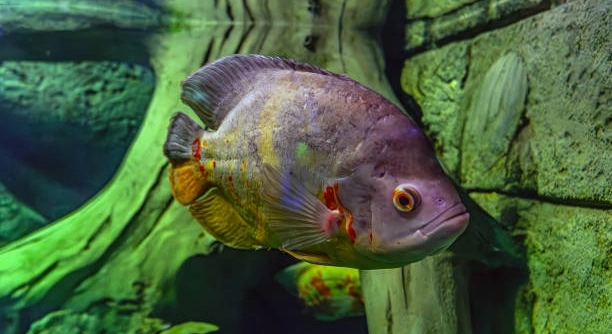
Oscar fish are known for their bright and vibrant colors. However, there are times when you may notice their hues fading or losing intensity. This change can happen due to various factors that affect their overall well-being.
The most common reasons for Oscar fish losing color include stress, poor water quality, improper diet, or health issues. Environmental factors such as temperature fluctuations or lack of stimulation can also contribute to the loss of their vibrant appearance.
Understanding these factors will help you restore your Oscar fish’s health and ensure they remain colorful and active.
Stress and Anxiety
Stress is a common reason for your Oscar fish losing its color. Like many fish, Oscars can experience stress due to a variety of reasons, such as overcrowding, aggressive tankmates, or constant changes in their environment. When stressed, they may retreat to darker corners of the tank, where their natural color becomes muted.
Stress can also occur if your fish is not comfortable with its surroundings. This includes factors like water temperature fluctuations, bright lights, or excessive noise. These disturbances create an environment where your Oscar feels unsafe, which leads to fading color. If the stress continues, it can affect the overall health of your fish.
To reduce stress, ensure your Oscar has enough space, a stable environment, and a peaceful tank with compatible fish. By providing these factors, you create a more relaxing atmosphere that encourages your fish to show its true colors.
Poor Water Quality
Water quality is directly tied to the health of your Oscar fish. If the water is not kept clean, harmful toxins like ammonia and nitrites can accumulate, causing stress. These chemicals not only irritate your fish but also lead to color loss. Poor filtration or overfeeding can worsen water conditions, leading to an unhealthy environment. Regular water changes and monitoring water parameters can help maintain a stable environment that supports your Oscar’s health.
To improve water quality, ensure proper filtration, avoid overfeeding, and monitor pH, ammonia, and nitrate levels regularly. Keeping these levels in check helps your fish thrive, which should restore its vibrant color over time.
Poor Diet
A poor diet can lead to color loss in your Oscar fish. Without proper nutrients, your fish won’t be able to maintain its vibrant color. A diet lacking in essential vitamins and minerals can cause the colors to fade, affecting the overall health of the fish.
Feeding your Oscar a variety of high-quality foods is important. Consider adding vitamin-rich pellets, fresh or frozen foods, and occasionally, live food to their diet. This will provide them with the nutrition they need to stay healthy and colorful. Fish that are not getting the proper nutrition may also become lethargic and lose their appetites.
To improve your Oscar’s diet, include a mix of protein and plant-based foods. Avoid overfeeding, as this can lead to other health issues. A balanced diet supports not only the health but also the beauty of your fish, keeping their colors rich and vibrant.
Temperature Fluctuations
Oscar fish are sensitive to temperature changes, and sudden fluctuations can cause stress and color fading. Ideally, Oscars thrive in water temperatures between 74-81°F (23-27°C). Anything outside this range can result in behavioral changes and fading colors.
If the water is too cold, your fish may become sluggish, and its colors may dull as a sign of discomfort. Similarly, if the water is too warm, your Oscar may feel stressed, leading to the same loss of color. Stability is key.
To maintain a stable environment, use a reliable aquarium heater and thermometer. Regularly check the temperature to ensure it stays within the optimal range. Consistent water temperature helps your Oscar fish stay active and colorful.
Lack of Stimulation
Oscar fish are active and curious creatures that require plenty of mental and physical stimulation. If they’re not provided with enough enrichment, they may lose their color as a sign of boredom or stress. A lack of stimulation can also lead to a decline in health.
Adding decorations, caves, and plants to your tank can encourage your Oscar to explore and engage with its environment. A few tankmates that are compatible can also provide some interaction, which can help reduce stress and boost color. Regular changes to the tank setup can also keep your Oscar’s environment interesting.
Create an engaging environment that gives your Oscar fish opportunities for exploration and play. This will not only help maintain its color but also keep it active and healthy.
Health Problems
If your Oscar is dealing with illness, it may show signs like color fading, lethargy, or loss of appetite. Common health issues such as parasites, fungal infections, or bacterial diseases can lead to fading colors.
It’s essential to closely monitor your Oscar for any signs of illness. If you notice any abnormal behavior, quarantine the fish and consult with a veterinarian or fish expert to diagnose the issue. Prompt treatment is crucial to prevent further health complications.
Ensuring that your Oscar fish receives regular health checks and addressing any health concerns promptly will help it regain its vibrant colors.
Overcrowding
Overcrowding can lead to stress and poor water quality, both of which affect your Oscar’s color. If the tank is too small or has too many fish, there may not be enough space for your Oscar to feel comfortable. This can cause anxiety, leading to color fading.
To avoid overcrowding, make sure your tank is large enough for your Oscar to swim freely. Ensure there’s plenty of space between tankmates. Reducing overcrowding allows your fish to thrive, lowering stress levels and encouraging healthy, vibrant colors.
FAQ
What causes Oscar fish to lose color?
Oscar fish can lose color due to a variety of factors, including stress, poor water quality, a lack of proper diet, temperature fluctuations, and health issues. Stress can come from aggressive tankmates or an unstable environment. Poor water quality, such as high ammonia or nitrite levels, can also lead to dull colors. Without a well-balanced diet, Oscars may not get the nutrients needed to maintain their vibrant hues. Temperature fluctuations can cause stress, while illnesses can lead to fading colors as the fish’s health declines.
How can I restore my Oscar fish’s color?
Restoring your Oscar’s color requires addressing the underlying issues. Start by ensuring the water quality is optimal with regular water changes and proper filtration. A balanced diet that includes high-quality pellets, protein-rich foods, and occasional live or frozen food is crucial. Reducing stress through peaceful tank conditions and stable water temperature will help, as well as treating any potential health issues promptly. Regular tank maintenance and providing enrichment can also bring back your fish’s vibrant colors.
Can Oscar fish change color naturally?
Yes, Oscar fish can change color naturally as they grow. Juvenile Oscars are typically darker in color, and as they mature, their hues can lighten or become more vibrant, depending on the species and their environment. These changes are often a normal part of development and are not a cause for concern.
How do I know if my Oscar is stressed?
Signs of stress in an Oscar fish include color fading, lethargy, hiding, and a lack of appetite. Stressed Oscars may also display erratic swimming patterns, such as darting around the tank or constantly rubbing against objects. If your fish is consistently acting unusual or seems more reclusive than normal, it’s likely experiencing stress.
Can Oscar fish live with other fish?
Yes, Oscar fish can live with other fish, but it’s important to choose tankmates carefully. Oscars are aggressive and territorial, so smaller or timid fish might get harassed. Good tankmates for Oscars include larger, more robust fish, like larger cichlids or fast-swimming species. Avoid keeping them with small or slow-moving fish.
What temperature is best for Oscar fish?
Oscar fish prefer water temperatures between 74-81°F (23-27°C). Temperatures outside this range can cause stress and health problems. It’s important to maintain a consistent temperature using a reliable heater, as sudden changes can lead to stress, which can contribute to color loss.
Can poor diet affect my Oscar’s color?
Yes, a poor diet can significantly affect your Oscar’s color. Oscars require a diet rich in protein, vitamins, and minerals to maintain their vibrant colors. A lack of essential nutrients can cause them to lose their brightness, and they may appear pale or dull. Providing a balanced diet of high-quality pellets, fresh or frozen food, and occasional live food will help keep your Oscar’s color vivid.
How often should I feed my Oscar fish?
Feed your Oscar fish once or twice a day, offering only as much food as they can consume in about 2-3 minutes. Overfeeding can lead to poor water quality, and underfeeding can result in malnutrition, both of which can affect your Oscar’s color. It’s important to adjust their food intake based on their size and activity level.
Is it okay to have only one Oscar fish?
Yes, Oscar fish can be kept alone. They are solitary creatures by nature, and some owners prefer to keep only one Oscar to avoid territorial disputes with tankmates. However, if you choose to keep more than one, ensure your tank is large enough to accommodate their size and provide plenty of space for each fish to establish its own territory.
What is the best filtration system for an Oscar tank?
Oscar fish produce a lot of waste, so it’s crucial to have a strong filtration system in place. A canister filter or a hang-on-back filter with a high flow rate is ideal. Ensure that the filter is large enough to handle the bio-load and keep the water clean and clear, preventing toxic build-ups.
Why is my Oscar fish swimming erratically?
Erratic swimming can be a sign of stress, illness, or poor water quality. If your Oscar is swimming in an unusual way, such as darting around or rubbing against objects, check the water parameters for any issues with ammonia, nitrites, or pH levels. Stress from an aggressive tankmate or sudden temperature changes can also cause this behavior.
How do I know if my Oscar has a health problem?
Signs of a health problem in Oscar fish include color fading, loss of appetite, unusual swimming patterns, lesions, white spots, or labored breathing. If you notice any of these symptoms, it’s important to quarantine the fish and consult with a veterinarian or an expert in fish diseases for proper diagnosis and treatment.
Can Oscar fish live in a small tank?
Oscar fish require a large tank due to their size and activity level. A minimum of 55 gallons is recommended for a single Oscar, with an additional 25 gallons for each additional fish. Smaller tanks do not provide enough space for Oscars to swim and can lead to stress and health issues, including color loss.
How long do Oscar fish live?
Oscar fish typically live between 10-15 years with proper care. Some can live even longer if they are kept in optimal conditions with a balanced diet, clean water, and a stress-free environment. Their lifespan can be shortened by poor tank conditions, disease, or improper care.
Can Oscar fish recover their color after illness?
Yes, Oscar fish can recover their color after an illness, as long as they receive the proper treatment and care. Once the illness is treated, the fish should begin to feel better and regain its color. However, prolonged illness or stress can have lasting effects on their vibrancy, so early intervention is key.
How often should I clean my Oscar tank?
You should clean your Oscar tank regularly to maintain water quality. Perform partial water changes of 25-30% every week, and clean the filter monthly. Additionally, remove any uneaten food or debris to prevent the build-up of harmful toxins that can affect your fish’s health and color.
Final Thoughts
Oscar fish are beautiful, vibrant creatures, but they require careful attention to maintain their color and overall health. A combination of proper water quality, diet, and a stable environment is key to ensuring your Oscar’s well-being. It’s important to regularly check water parameters, including pH, ammonia, nitrites, and nitrates, to avoid any negative impact on your fish’s appearance. A good filtration system, along with regular water changes, will help maintain a clean environment, allowing your Oscar to thrive. The right tank size and a few compatible tankmates can also prevent unnecessary stress, which can cause color fading.
Diet plays a significant role in maintaining your Oscar’s color. A balanced, nutrient-rich diet will ensure your fish gets the vitamins and proteins it needs for healthy skin and scales. While feeding, be mindful not to overfeed, as excess food can pollute the water and cause other health problems. Mixing up the types of food offered, such as high-quality pellets, live or frozen foods, and occasional treats, will provide variety and keep your Oscar excited and healthy. This not only supports a vibrant color but also contributes to a happy, active fish.
Lastly, always monitor your Oscar for signs of stress or illness. If you notice any changes in behavior or appearance, such as faded colors, lethargy, or erratic swimming, it’s important to address the issue quickly. Stress and health problems can often be treated if caught early. By keeping a clean tank, providing a healthy diet, and making sure your Oscar feels safe and comfortable, you’ll be able to enjoy the bright colors and lively nature of your fish for years to come.

Hello,
If you enjoy the content that we create, please consider saying a "Thank You!" by leaving a tip.
Every little bit helps us continue crafting quality advice that supports the health, happiness, and well-being of pets around the world, for pets of all shapes, sizes, and species.
We really appreciate the kindness and support that you show us!