
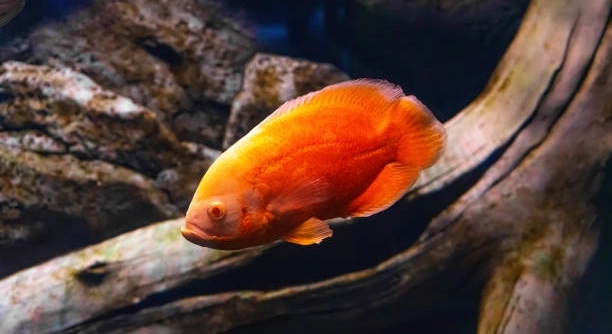
Oscar fish are popular pets, known for their bright colors and energetic personalities. However, like all animals, they can experience health issues, including digestive problems. One common concern is constipation, which can affect their overall well-being.
Oscar fish can indeed get constipated. This typically happens when they are fed an improper diet or overfed, leading to digestive blockages. Symptoms can include a lack of appetite, bloating, or difficulty passing waste. Addressing the issue quickly can prevent further complications.
If you suspect constipation in your Oscar fish, there are ways to treat it and improve their digestive health.
What Causes Constipation in Oscar Fish?
Constipation in Oscar fish can often be traced back to their diet. Overfeeding or offering food that isn’t easy to digest can cause blockages in the digestive system. Additionally, a lack of variety in their food can contribute to the problem. Oscars thrive on a balanced diet that includes a mix of high-quality pellets, live foods, and occasional vegetables. Poor water quality can also play a role, as it can lead to stress and digestive issues. To prevent constipation, it’s important to monitor their food intake and maintain clean water conditions. Keep an eye on your Oscar’s feeding habits, and make sure they’re not consuming too much at once.
Feeding them the wrong types of food, like those high in filler ingredients, may contribute to digestive problems. Stick to foods specifically designed for Oscars to avoid this issue.
Inadequate water filtration can lead to poor tank conditions that impact the fish’s health. Regular water changes and proper filtration will help reduce the chance of constipation. Ensure your Oscar’s habitat is optimal for their overall health.
How to Treat Constipation in Your Oscar Fish
If your Oscar shows signs of constipation, the first step is to adjust its diet. Offering food that is high in fiber can help loosen their stool. Peas, for instance, are often recommended as a natural remedy for constipation in many aquarium fish, including Oscars. Simply blanch the peas and remove the skins before offering them to your fish. This high-fiber food can aid in digestion and help get things moving. If your Oscar refuses peas, try other high-fiber foods such as zucchini or spinach. Ensure these vegetables are fresh and well-prepared to avoid any issues.
In addition to changing their diet, increasing water changes can help alleviate constipation. Poor water quality can stress your fish, worsening the problem. Make sure the water temperature and pH are optimal for their species. Clean water will promote a healthier digestive system and encourage more frequent waste elimination. Avoid overfeeding as well. Stick to feeding your fish small amounts of food once or twice a day, depending on their size.
If constipation persists despite changes to their diet and water, you may need to try a more direct approach, like fasting your fish for a few days. This will allow their digestive system to reset. If these methods don’t work, consulting an aquarium veterinarian is a good idea to ensure your Oscar stays healthy.
Preventing Constipation in Your Oscar Fish
The key to preventing constipation in Oscar fish is a balanced diet and clean water. Regular water changes and avoiding overfeeding can go a long way in ensuring your fish remains healthy. Offer a variety of foods and avoid sticking to the same diet every day.
Stick to feeding your Oscar fish high-quality pellets specifically designed for their species. These pellets are packed with the necessary nutrients for optimal digestion. Adding live foods like worms or feeder fish will further enhance their diet and keep things moving smoothly. You can also offer small amounts of blanched vegetables for added fiber. Avoid foods that are too rich or high in fillers, as these can cause digestive issues.
It’s also crucial to maintain a clean environment for your Oscar. Poor water quality can stress your fish, weakening their immune system and making them more prone to constipation. Regular water changes and a good filtration system will help keep the water clean and prevent the buildup of waste that could contribute to constipation. With the right care, your Oscar fish will thrive and avoid digestive problems.
When to Seek Help from a Veterinarian
If your Oscar continues to show signs of constipation despite your best efforts, it may be time to consult an aquarium veterinarian. Prolonged constipation could be a sign of a more serious issue, such as an internal blockage or illness. A vet can perform an examination and provide you with the proper diagnosis and treatment options.
Fish often hide symptoms of illness until the condition becomes severe, so it’s important to act quickly if your Oscar shows signs of distress. A veterinarian can also help you determine if the constipation is due to diet, water conditions, or an underlying medical issue. Don’t wait too long to seek professional help; your fish’s health depends on early intervention. Taking swift action can prevent the condition from worsening and ensure your Oscar remains healthy and happy.
Signs of Constipation in Oscar Fish
If your Oscar isn’t eating as much, appears bloated, or seems lethargic, these may be signs of constipation. Other indicators include difficulty passing waste or a noticeable change in their usual behavior. Keeping an eye on these symptoms is important for early intervention.
A lack of waste in the tank or abnormal swimming patterns can also signal constipation. Oscars typically have regular bowel movements, so any changes should not be ignored. If your fish is staying at the bottom of the tank or refusing to eat, it’s best to assess their diet and tank conditions.
How to Adjust Your Oscar’s Diet
Changing your Oscar’s diet can help with constipation. Introduce high-fiber foods like peas, zucchini, or spinach. These foods can promote digestion and help relieve blockages. Offer them in small amounts to avoid overfeeding, which can worsen constipation.
Ensure that your Oscar receives a balanced diet with a mix of pellets and live or frozen foods. Avoid feeding your fish too much processed food, as this can lead to digestive issues. Providing variety will not only keep them interested in their food but will also support a healthy digestive system.
The Role of Water Quality in Digestive Health
Good water quality plays a crucial role in preventing and treating constipation. Poor water conditions can stress your Oscar fish, weakening their immune system and affecting their digestion. Clean water helps to maintain a healthy environment, supporting your fish’s overall well-being.
Regular water changes and proper filtration are essential to ensure your Oscar thrives. Check water parameters like pH, temperature, and ammonia levels regularly. Stress from poor water quality can worsen constipation and other health issues. Providing a stable, clean environment helps your Oscar stay happy and healthy.
FAQ
Can Oscar fish get constipated from overfeeding?
Yes, overfeeding is one of the main causes of constipation in Oscar fish. When they consume too much food, their digestive system becomes overwhelmed, leading to blockages. It’s important to feed them small portions once or twice a day, ensuring they eat only what they can consume in a few minutes. Overfeeding can also result in poor water quality, which can further contribute to digestive problems. Monitoring the amount of food you provide is key to preventing constipation.
How do I know if my Oscar fish is constipated?
If your Oscar fish is constipated, you may notice several signs, including bloating, lethargy, and a lack of appetite. They might also struggle to pass waste, and their feces may appear stringy or non-existent. Your Oscar may also swim slowly or stay at the bottom of the tank. These symptoms are often the result of poor digestion or blockages. If you see any of these signs, it’s best to check the water quality and adjust their diet accordingly.
What foods can help with Oscar fish constipation?
Foods high in fiber are the best way to help relieve constipation in Oscar fish. Peas are a popular choice, as they are easy to digest and contain high amounts of fiber. Zucchini and spinach can also be good options. These vegetables should be blanched and peeled before offering them to your fish. Live foods like worms can also encourage digestion. Avoid feeding too much processed food, as it can worsen constipation and cause other health issues. Offering variety in their diet can keep things running smoothly in your fish’s digestive system.
Can I treat constipation in my Oscar fish with fasting?
Yes, fasting can be an effective way to treat constipation in Oscar fish. Fasting allows their digestive system to reset, and it can help clear up blockages. You can try fasting your fish for 2-3 days, ensuring they have access to clean water and a stable environment during this time. After fasting, offer small amounts of high-fiber food to get their digestive system moving again. However, if the constipation persists after fasting, further treatment or a visit to the vet may be necessary.
How often should I feed my Oscar fish to prevent constipation?
Feeding your Oscar fish once or twice a day is typically sufficient. Overfeeding can lead to constipation, so it’s important to give them only as much food as they can consume within a few minutes. Oscars are opportunistic feeders, so they’ll often eat whatever is given to them. However, portion control is important. If you’re unsure about how much to feed, start with smaller portions and adjust based on your fish’s needs.
Can water quality affect my Oscar’s digestion?
Yes, poor water quality can significantly affect your Oscar fish’s digestion. Oscars are sensitive to changes in water conditions, and poor water can lead to stress, which in turn can cause digestive problems. High ammonia, nitrite, or nitrate levels can compromise your fish’s health, making them more prone to constipation and other issues. Regular water changes, proper filtration, and monitoring water parameters such as pH, temperature, and hardness will help keep your fish healthy and prevent digestive problems.
What should I do if my Oscar fish doesn’t eat?
If your Oscar refuses to eat, it could be a sign of constipation, stress, or another health issue. First, check the water quality to ensure it is within the ideal range for Oscars. Poor water conditions can cause stress, which might lead to a loss of appetite. Next, consider adjusting the diet. Offer high-fiber foods like peas or try live foods like worms to entice your Oscar to eat. If your fish continues to refuse food for several days, it may be time to consult a veterinarian to rule out any underlying health problems.
Can constipation in Oscar fish be caused by stress?
Yes, stress can contribute to constipation in Oscar fish. Factors like poor water quality, inadequate tank mates, and sudden changes in their environment can all cause stress. When stressed, Oscar fish may stop eating or have trouble digesting food properly, leading to constipation. Ensuring a stable environment with clean water and appropriate tank conditions can help reduce stress and prevent constipation. Providing them with plenty of space, hiding spots, and proper water filtration is essential for their overall health.
How long can constipation last in an Oscar fish?
The length of constipation in an Oscar fish depends on the cause and the actions you take to treat it. If the constipation is mild, it may clear up within a few days with dietary adjustments and fasting. However, if the constipation persists for a week or longer, it could indicate a more serious problem, such as an internal blockage or illness. In such cases, seeking professional advice from a veterinarian is recommended. Keeping the water clean and maintaining a healthy diet can prevent long-term constipation issues.
Can constipation in Oscar fish lead to other health problems?
Yes, if constipation in Oscar fish is left untreated, it can lead to further health issues. Prolonged constipation can cause bloating, discomfort, and a weakened immune system. Additionally, if the constipation is caused by an internal blockage, it can lead to more serious problems such as organ damage or infections. Addressing constipation early with dietary changes, proper water conditions, and occasional fasting can prevent these complications. Regularly monitoring your fish’s health will ensure any problems are caught early before they become more severe.
Final Thoughts
Constipation in Oscar fish can be a common issue, but with the right care, it is usually manageable. The key is to maintain a balanced diet, focusing on high-fiber foods like peas and vegetables, and avoiding overfeeding. Monitoring your fish’s feeding habits is crucial. If you notice that your Oscar is not eating, seems lethargic, or appears bloated, these may be signs that something is wrong. Recognizing these early symptoms and adjusting their diet and environment can help prevent more serious issues down the road. Taking small steps to improve their routine can go a long way in ensuring your Oscar stays healthy.
Water quality is another important factor to keep in mind. Oscars are sensitive to their environment, and poor water conditions can stress them out, leading to digestive problems like constipation. Regular water changes and checking for ammonia or nitrate spikes are essential. Proper filtration and maintaining the right water parameters can prevent a lot of health issues, including constipation. A clean tank is not only essential for your fish’s comfort but also supports their overall digestive health. A well-maintained environment reduces the risk of constipation and helps keep your Oscar happy and thriving.
In summary, managing constipation in Oscar fish is about balancing their diet, providing a stress-free environment, and making adjustments when necessary. Fasting, offering fiber-rich foods, and ensuring optimal water quality can significantly improve your fish’s digestion. Regular observation and quick action can prevent further health issues, allowing your Oscar fish to live a long and healthy life. If constipation persists despite your efforts, seeking professional advice is always a good idea. A healthy Oscar is an active Oscar, so keeping their digestive system in check will ensure they stay vibrant and energetic.

Hello,
If you enjoy the content that we create, please consider saying a "Thank You!" by leaving a tip.
Every little bit helps us continue crafting quality advice that supports the health, happiness, and well-being of pets around the world, for pets of all shapes, sizes, and species.
We really appreciate the kindness and support that you show us!