
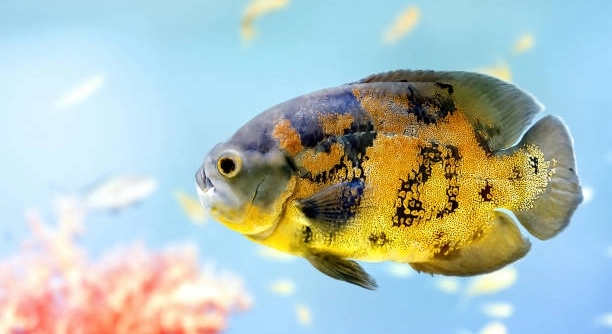
Oscar fish are known for their energetic behavior, but sometimes they can act skittish or nervous. This change in behavior can be surprising for owners. Understanding the cause can help you address the issue and improve your fish’s well-being.
Oscar fish may act skittish due to stress caused by factors such as water quality, temperature fluctuations, tank mates, or changes in their environment. Ensuring a stable and healthy environment is crucial for maintaining their calm and comfort.
With a better understanding of what affects your Oscar fish, you can take steps to provide a healthier and calmer environment for them.
Common Causes of Skittish Behavior in Oscar Fish
Oscar fish can display skittish behavior when their environment is not ideal. Poor water quality is often one of the main reasons. High levels of ammonia, nitrites, or nitrates can cause stress, making your fish more agitated. Additionally, changes in water temperature can upset their equilibrium, leading to erratic behavior. It’s essential to maintain a consistent water temperature, ideally between 75°F and 80°F. Poor water filtration or infrequent water changes can exacerbate these problems. Regularly testing water parameters is crucial for ensuring your Oscar fish remains healthy and calm. Even small changes in water chemistry can lead to noticeable stress.
Water quality is often the first place to check if your Oscar fish becomes skittish. If the parameters are off, this may be the main cause of their anxiety. Ensure that your filtration system is working properly and that you’re changing the water regularly.
In addition to water quality, tank size and overcrowding can also lead to stressed behavior. Oscars are territorial fish and require a spacious tank to thrive. A cramped space can make them feel unsafe, prompting them to act nervously or even aggressively. Aim for a tank size of at least 55 gallons for a single Oscar, and make sure there is enough space for them to move around freely. Overcrowding can create tension with tank mates and lead to further stress. If there are other fish in the tank, ensure they are compatible with your Oscar’s temperament and that no fish are bullying or intimidating them.
Tank Mates and Compatibility
Choosing the right tank mates is vital for a peaceful environment. Oscars are large, aggressive fish and may not get along with smaller, timid species. Having incompatible tank mates can result in territorial behavior or fights, which can cause your Oscar to become more skittish. It’s important to avoid fish that may be perceived as threats.
Some species that can live peacefully with Oscar fish include larger, hardy fish like certain types of catfish or plecos. However, always monitor the interactions between tank mates closely. Oscars can also become stressed if there’s constant movement in the tank, such as other fish swimming erratically or smaller fish darting around. Maintaining a peaceful, stable community can help keep your Oscar calm and reduce any signs of anxiety or skittishness.
Water Temperature Fluctuations
Oscars are sensitive to temperature changes. A sudden drop or rise in temperature can cause them to become stressed and skittish. Keeping the tank at a stable temperature between 75°F and 80°F is key to their well-being. Invest in a reliable heater and thermometer to avoid fluctuations.
Temperature fluctuations can occur from drafty areas, faulty heaters, or even when doing water changes. When the water cools down too quickly, it can shock your fish, leading to rapid movements or hiding behavior. To prevent this, make gradual adjustments when changing the water and avoid placing your tank in areas with temperature extremes.
Oscars may also show skittishness if the water temperature is too high. This can lead to oxygen depletion, causing them to swim erratically or appear out of breath. To maintain proper water temperature, ensure your heater is functioning efficiently and keep a steady check on your tank’s temperature with a reliable thermometer.
Stress from Frequent Changes
Oscars do not adapt well to constant changes in their environment. Moving their tank or rearranging decorations can disrupt their comfort zone and cause stress. Keeping the setup consistent helps them feel secure. Always make sure any changes are made slowly and carefully.
Constant rearrangement of the tank or introduction of new objects can unsettle an Oscar fish. They are naturally territorial and sensitive to changes in their environment. Even minor changes like adding new plants or decorations can cause them to act skittish. When you need to make alterations, try to limit the disruption and allow time for your fish to adjust before making further changes.
It’s also important to avoid moving the tank location frequently. The vibrations and shifts in lighting can disturb your Oscar’s sense of security. Providing a stable environment with minimal disruptions will help your fish settle and reduce any nervous behavior.
Overcrowding in the Tank
Overcrowding is another common cause of skittish behavior. Oscar fish need plenty of space to swim comfortably. If the tank is too crowded, they may feel threatened, leading to anxiety and erratic movements. Always ensure your Oscar has room to roam.
Crowded tanks can lead to increased competition for space and oxygen, which can make your Oscar feel uneasy. It’s essential to avoid putting too many fish in the same tank, especially with larger species like Oscars. This ensures they have enough territory to establish and feel secure in their environment.
Tank Size and Oscar Fish
Providing the right tank size is crucial for your Oscar’s comfort. A tank that is too small can lead to stress, causing skittish behavior. Aim for a minimum of 55 gallons for a single Oscar to provide ample space for movement.
In a cramped tank, Oscars are more likely to feel confined, which can lead to anxiety. A spacious environment reduces stress, allowing them to swim freely and establish their territory. The more room your Oscar has, the less likely it is to feel threatened, improving its overall behavior and health.
FAQ
Why is my Oscar fish hiding?
Oscar fish tend to hide when they are feeling stressed, uncomfortable, or unwell. It could be due to poor water conditions, sudden changes in their environment, or even aggressive tank mates. If your Oscar is hiding frequently, check the water quality and temperature to ensure it’s stable. Additionally, consider whether any new fish or changes in the tank layout could be making your Oscar feel threatened.
How can I tell if my Oscar fish is stressed?
Stressed Oscars may exhibit behaviors such as erratic swimming, rapid gill movement, or frequent hiding. They may also stop eating or show discolored skin. If you notice these signs, it’s important to check the water quality, temperature, and any potential issues with tank mates. Providing a peaceful, stable environment will help reduce stress.
What should I do if my Oscar fish is acting aggressively?
Aggression in Oscar fish is often a sign of territorial behavior. Oscars are naturally territorial, and introducing new fish into the tank can cause them to become defensive. If aggression becomes excessive, ensure your tank is large enough to accommodate all fish and consider rearranging decorations to break up their territory. If necessary, you can separate the aggressive Oscar temporarily.
Can poor water quality make my Oscar fish skittish?
Yes, poor water quality is a common cause of skittish behavior in Oscar fish. High levels of ammonia, nitrites, or nitrates can stress them out, making them more likely to act nervously. Ensure your tank is properly filtered, and change the water regularly to maintain clean and stable conditions. Regular water testing will help you stay on top of any imbalances.
How often should I change the water in my Oscar fish tank?
Oscar fish require regular water changes to stay healthy. A good rule of thumb is to change 20-30% of the water every week. This helps to maintain proper water conditions and remove waste buildup. More frequent changes may be necessary if you have multiple fish or if water parameters are out of balance.
What size tank does my Oscar fish need?
Oscar fish need a large tank to thrive. A single Oscar should be kept in a tank of at least 55 gallons. As they grow, they can reach up to 14-15 inches, so they need space to swim and establish their territory. If you plan to keep more than one Oscar, the tank size should be even larger to accommodate them comfortably.
Can I keep other fish with my Oscar?
It’s possible to keep other fish with your Oscar, but compatibility is key. Oscars are large and territorial, and they may become aggressive toward smaller or more timid fish. Tank mates should be large enough to defend themselves and ideally have similar temperament. Good options include larger catfish or plecos.
What temperature should the water be for my Oscar fish?
Oscar fish prefer warm water, with an ideal temperature range between 75°F and 80°F. Fluctuations outside of this range can stress them out and affect their health. Make sure to monitor the water temperature regularly and use a reliable heater to maintain consistency.
Is it normal for my Oscar fish to swim erratically?
Erratic swimming can indicate stress, discomfort, or poor water quality. If your Oscar is swimming aimlessly or rapidly darting around the tank, check the water conditions and ensure the tank is not overcrowded. It may also be a sign that the fish is feeling threatened by tank mates or environmental changes.
Why is my Oscar fish not eating?
If your Oscar is not eating, it could be a sign of stress, poor water quality, or illness. Check the water parameters and ensure the environment is stable. If the issue persists, observe your fish for signs of disease, such as swollen areas, lesions, or abnormal swimming behavior. If needed, consult with a vet or aquarium specialist.
Final Thoughts
Oscar fish can be wonderful pets, but they require careful attention to their environment. Their skittish behavior can be a sign of various factors, from water quality to tank size and even tank mates. Addressing these issues can help ease their anxiety and make them feel more comfortable in their home. Regularly checking water conditions and ensuring the tank is appropriately sized are crucial steps for their well-being. By providing a stable, peaceful environment, your Oscar will be less likely to exhibit nervous or erratic behavior.
Stress is often the primary cause behind a skittish Oscar. Poor water conditions, sudden changes in the environment, or overcrowding can all lead to stress. It’s important to avoid introducing any drastic changes to the tank, as Oscars are creatures of habit and prefer consistency. The addition of new fish, changes in the tank’s layout, or even moving the tank location can cause them to feel unsettled. Make sure that their living conditions remain stable and that they have enough space to establish their territory.
Being attentive to your Oscar’s behavior can help you understand their needs better. If you notice your Oscar hiding frequently, swimming erratically, or showing signs of aggression, these could all be indicators that something is wrong. Whether it’s water quality, stress, or incompatible tank mates, these signs should not be ignored. By responding to these signals and making necessary adjustments, you can ensure that your Oscar remains healthy and happy in its environment. Remember, every fish is different, and getting to know your Oscar’s personality is key to providing the best care.

Hello,
If you enjoy the content that we create, please consider saying a "Thank You!" by leaving a tip.
Every little bit helps us continue crafting quality advice that supports the health, happiness, and well-being of pets around the world, for pets of all shapes, sizes, and species.
We really appreciate the kindness and support that you show us!