
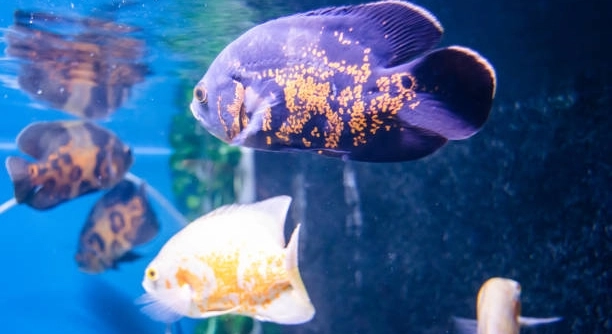
Oscar fish are popular freshwater aquarium fish that captivate with their personalities and vibrant colors. They are commonly kept in home tanks but often raise questions about their care, especially when it comes to their habitat needs.
Oscar fish cannot live in saltwater environments. They are strictly freshwater fish and require water conditions with low salinity to survive. Saltwater environments can cause them severe stress and may ultimately lead to their death.
Understanding the unique care requirements of Oscar fish ensures their health and well-being. Their specific needs include water temperature, pH levels, and tank mates. Keeping these factors in mind helps create an optimal environment for these fascinating fish.
Why Oscar Fish Cannot Live in Saltwater
Oscar fish thrive in freshwater environments. They are adapted to soft, warm waters with little to no salt content. Saltwater contains minerals that can disrupt their internal balance, causing severe health problems. While some fish species can live in both freshwater and saltwater, Oscar fish are not one of them. These fish need specific conditions, and placing them in saltwater could quickly lead to their demise. Salt causes their cells to dehydrate, resulting in stress and eventually organ failure. It’s crucial to keep them in the right environment for their survival and well-being.
Oscar fish are freshwater species, and saltwater can be harmful to them. The salt would affect their gills and organs, leading to dehydration and death if exposed for too long. Their bodies are simply not built to handle saltwater conditions.
To properly care for Oscar fish, a freshwater tank with a well-maintained filtration system is needed. They prefer slightly acidic to neutral water and require stable temperatures between 75°F and 80°F. They can live in tanks with other peaceful freshwater fish, but it’s important to monitor their interactions. Keeping their environment as natural as possible is key to their health. Saltwater would not only affect their physical health but also cause unnecessary stress. Knowing the right conditions for your Oscar fish ensures that they stay vibrant and lively for years.
How Saltwater Affects Oscar Fish
Saltwater has a detrimental effect on Oscar fish. Since they are freshwater dwellers, exposure to saltwater creates a hostile environment for them. Salt can lead to osmotic imbalance, causing dehydration and stressing their immune systems. Over time, this stress leads to infections and other health complications.
Exposure to saltwater triggers immediate stress, affecting the fish’s gills and reducing their ability to breathe properly. This can result in suffocation if prolonged. In a saltwater environment, they cannot maintain the necessary fluid balance, causing their cells to lose water and eventually leading to organ failure. Even short exposure can cause lasting damage.
Oscar fish are hardy in freshwater but require specific water conditions to thrive. The delicate balance in their natural habitat helps support healthy biological functions. Saltwater disrupts this balance, causing major issues. In addition to physical harm, saltwater exposure weakens the fish’s resistance to diseases, making them more vulnerable to infections. To prevent serious health risks, avoid putting Oscar fish in a saltwater tank. Instead, maintain stable freshwater conditions to ensure your fish live a long and healthy life.
The Importance of Proper Water Conditions for Oscar Fish
Oscar fish need stable water conditions to thrive. Fluctuating temperatures or poor water quality can stress them out and lead to health problems. Regular water changes are necessary to keep the tank clean and prevent toxic build-up.
Keeping the water clean is vital for Oscar fish. Ammonia and nitrate levels should be regularly tested, and filtration should be strong enough to maintain water quality. The tank should be monitored for any signs of pollution, like cloudy water or a noticeable odor. Proper filtration is key to maintaining a healthy environment.
Temperature and pH levels should also be stable. If the temperature drops too low or rises too high, it could cause the fish unnecessary stress. Ideally, the water should be between 75°F and 80°F. Maintaining this stable environment ensures your fish are comfortable and less prone to diseases.
Tank Setup and Size for Oscar Fish
Oscar fish require a large tank to grow and move freely. A 55-gallon tank is the minimum recommended size for one Oscar fish. They grow quickly and need enough space to swim and explore.
Oscar fish are active and can get quite large, often reaching lengths of 12 to 14 inches. A tank that’s too small can lead to stress, which can affect their health. Larger tanks give them room to swim and help reduce aggression. If you plan to keep more than one, ensure the tank is large enough to accommodate them without overcrowding.
Adding hiding spots and decorations can also help create a more natural environment. While Oscar fish are relatively hardy, they still appreciate an environment that resembles their natural habitat. This includes places where they can retreat if they feel threatened or stressed. By providing enough space and security, you help ensure your Oscar fish stay healthy and happy.
Oscar Fish Diet
Oscar fish are omnivores, meaning they need a balanced diet of both meat and plant-based foods. Their diet should include high-quality pellets, frozen or live food like worms, and vegetables for variety.
They are not picky eaters and will happily consume a wide range of foods, but it’s important to avoid overfeeding them. This can lead to water quality issues and health problems. Feeding them a mix of protein and vegetables helps keep them strong and healthy. Be sure to feed them in moderation, offering them small amounts several times a day.
Tank Mates for Oscar Fish
Oscar fish can be aggressive, especially as they grow. It’s best to keep them with larger, robust fish that can handle their temperament. Avoid small, delicate species that may get bullied or eaten.
Some good tank mates include other cichlids, large catfish, and certain species of large tetras. Keeping peaceful, similarly-sized fish helps reduce aggression. However, it’s essential to closely monitor their behavior when introducing new fish, as Oscars can sometimes become territorial or fight. Maintaining a balance of personalities ensures a more peaceful tank environment.
Common Health Issues
Oscar fish are generally hardy, but they can be prone to diseases like ich or fin rot, especially if conditions aren’t ideal. Regular water changes and monitoring tank parameters can help prevent these issues.
If your Oscar shows signs of stress, like fading colors or lethargy, check water quality immediately. Poor water conditions can weaken their immune system, making them more susceptible to illness. Keeping their environment stable is the best way to ensure they stay healthy. Regular checks on water quality, temperature, and tank cleanliness help prevent most health issues.
FAQ
Can Oscar fish live with other types of fish?
Oscar fish can live with other fish, but they can be aggressive, especially as they grow. They do best with other large, strong fish that can hold their own. Smaller fish, or peaceful species, may be bullied or eaten. It’s important to choose tank mates carefully. Other cichlids, large catfish, and robust tetras are good options. Always monitor their interactions to make sure the tank remains peaceful.
What is the best food for Oscar fish?
Oscar fish are omnivores, so they need a mix of protein and plant-based foods. High-quality pellets designed for carnivorous fish are a good base. You can supplement their diet with live or frozen foods, like worms, shrimp, or crickets. Vegetables, such as spinach or peas, can also be offered occasionally. Variety in their diet helps keep them healthy and strong.
How often should I feed my Oscar fish?
You should feed your Oscar fish once or twice a day, giving them only as much food as they can eat in 2-3 minutes. Overfeeding can lead to water quality issues and health problems, so be sure not to feed them too much. Small, frequent meals are better than large, infrequent ones. It’s also a good idea to fast your Oscar once a week to allow their digestive system to reset.
What size tank do Oscar fish need?
Oscar fish need a large tank due to their size and active nature. The minimum recommended size is a 55-gallon tank for one fish. If you’re keeping more than one, you’ll need a bigger tank to avoid overcrowding. The larger the tank, the better it is for the fish’s well-being, as it gives them room to swim and helps maintain stable water conditions.
Do Oscar fish need a filter?
Yes, Oscar fish need a strong filter to keep the water clean. They produce a lot of waste, so the filter is essential for maintaining water quality. A good filtration system will help remove debris, excess food, and harmful toxins like ammonia and nitrites. Make sure to clean the filter regularly and change the filter media as needed to keep the water healthy for your Oscar.
What temperature should the water be for Oscar fish?
Oscar fish prefer water temperatures between 75°F and 80°F (24°C to 27°C). They can tolerate slight fluctuations, but it’s essential to keep the temperature within this range to avoid stress. Water that is too cold or too warm can weaken their immune system and make them more susceptible to diseases. A reliable aquarium heater is a good investment to maintain stable temperatures.
How can I tell if my Oscar fish is stressed?
Stressed Oscar fish may show signs like faded colors, lethargy, or erratic swimming patterns. They might also stop eating or start hiding. Stress can be caused by poor water conditions, aggressive tank mates, or sudden changes in their environment. If your Oscar is showing signs of stress, check the water quality and ensure the tank conditions are appropriate. Reducing stress will help improve your fish’s health and behavior.
Can Oscar fish live with other cichlids?
Yes, Oscar fish can live with other cichlids, but it’s important to consider their temperament. Some cichlids can be aggressive, so choose species that can handle their personality. Large, non-aggressive cichlids are a good option. Avoid pairing Oscars with smaller or more peaceful cichlids, as they may be intimidated or even eaten. Always keep an eye on the tank dynamics to ensure all fish are safe and healthy.
Why is my Oscar fish swimming at the top of the tank?
Oscars may swim at the top of the tank if they’re looking for food or oxygen. If your Oscar is constantly swimming at the top, it could be a sign of low oxygen levels, poor water quality, or stress. Make sure the water is well-oxygenated and that the filtration system is functioning properly. If the issue persists, check for signs of illness or poor tank conditions.
Can Oscar fish change their color?
Yes, Oscar fish can change color depending on their mood, health, and environment. Stress, illness, or water quality issues can cause them to lose their vibrant colors. When they’re happy and healthy, their colors will be bright and vivid. It’s a good idea to monitor their behavior and environment if you notice any changes in color, as it could indicate an underlying issue.
How long do Oscar fish live?
Oscar fish typically live for 10 to 15 years when properly cared for. Some may live even longer if kept in the right conditions. Providing a stable environment, proper nutrition, and regular water changes can help ensure your Oscar lives a long and healthy life. The better the care, the more likely they are to live out their full lifespan.
Final Thoughts
Oscar fish are unique and vibrant creatures that can make an exciting addition to any freshwater tank. However, they do have specific care needs that must be met for them to thrive. From the size of the tank to the water conditions, providing the right environment is essential. Oscar fish are not suited for saltwater environments, and placing them in such conditions will only lead to stress and health problems. It’s important to remember that their natural habitat is freshwater, and they should be kept in a well-maintained tank with the right water parameters.
Their diet, tank size, and tank mates all play a role in keeping them happy and healthy. A 55-gallon tank is the minimum recommended size for one Oscar fish, and larger tanks are always better. The tank should also be well-filtered to maintain water quality, as Oscar fish are known to produce a lot of waste. As for their diet, offering a balanced mix of protein-rich foods, like pellets and live or frozen foods, as well as some vegetables, ensures they get all the nutrients they need. Overfeeding should be avoided to prevent water quality issues and health problems.
Keeping Oscar fish also means being mindful of their temperament. They can be aggressive, especially as they grow, so choosing compatible tank mates is important. Larger, more robust fish that can hold their own are the best options. Despite their aggressive nature, Oscars are also intelligent and interesting to observe. They form unique bonds with their owners and are known for their curious and interactive behavior. By following the proper care guidelines, you can enjoy a healthy, thriving Oscar fish for many years to come.

Hello,
If you enjoy the content that we create, please consider saying a "Thank You!" by leaving a tip.
Every little bit helps us continue crafting quality advice that supports the health, happiness, and well-being of pets around the world, for pets of all shapes, sizes, and species.
We really appreciate the kindness and support that you show us!