
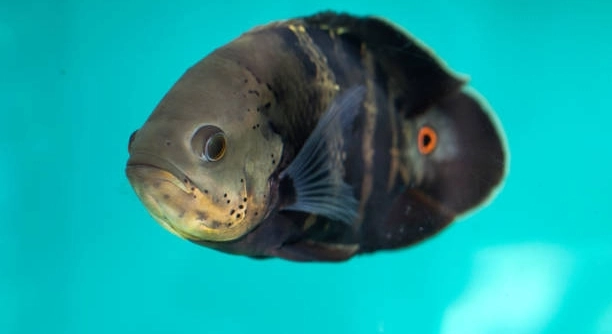
Oscar fish are known for their vibrant colors and active nature. As they grow, they require more space to thrive. Understanding the signs that indicate they need a larger tank is essential for their well-being.
If your Oscar fish exhibits behaviors such as excessive aggression, reduced swimming space, or continuous signs of stress, these are strong indicators that it may require a bigger tank. Larger tanks provide a more stable environment for growth and behavior.
These signs help maintain a healthy and comfortable space for your Oscar fish. Understanding these factors can significantly improve their living conditions.
Limited Swimming Space
Oscar fish need room to move freely. If your tank is too small, they may exhibit signs of stress or even aggression. These fish are active and require ample space to swim around, explore their environment, and maintain their natural behaviors. When confined to a smaller tank, their movements become restricted, which can lead to health issues over time.
A cramped space can also cause territorial disputes. Oscars, being territorial creatures, often fight over space with tankmates. This behavior is more likely to occur in a tank that doesn’t provide enough room for each fish to establish its own territory. As a result, aggression may increase, and your Oscar’s overall health can suffer.
Providing a larger tank will allow your Oscar to move more freely and establish a healthier environment. It can also lead to more stable water conditions, reducing the stress caused by fluctuating levels of ammonia and nitrate. A spacious tank ensures that your Oscar has the space it needs to thrive, resulting in better overall health.
Aggression Towards Tankmates
Aggressive behaviors towards tankmates often arise when the Oscar feels confined. With more space, aggression can be minimized. Providing larger tanks helps balance fish dynamics.
Stress and Health Issues
Stress in Oscar fish is often caused by inadequate living space. A small tank can lead to fluctuating water conditions, which stress the fish. Poor water quality can further compromise their immune system, leaving them vulnerable to diseases. Stress can be subtle at first but may eventually lead to more noticeable health problems like loss of appetite or faded colors.
Without enough space, Oscar fish may feel threatened or anxious. This chronic stress weakens their immune system, causing them to become more susceptible to diseases like fin rot or fungal infections. Furthermore, high ammonia and nitrate levels often build up faster in smaller tanks, contributing to poor water quality. Stress often manifests as erratic swimming patterns, constant hiding, or even aggression toward other tankmates. To maintain a healthy Oscar, it’s crucial to provide a larger tank with stable water conditions.
By upgrading to a larger tank, you reduce stress factors significantly. Stable water quality and enough space for your fish to roam help in preventing the onset of illness. It also contributes to healthier, happier Oscars who are better able to handle environmental changes.
Inadequate Filtration
Larger tanks typically come with more powerful filtration systems. A better filtration system ensures that the water remains clean and oxygenated. Poor filtration in a small tank can lead to rapid waste buildup, which is detrimental to your Oscar’s health.
Rapid Growth
Oscar fish grow quickly, especially in a healthy environment. As they increase in size, their space needs also grow. A tank that initially seemed sufficient may soon become too small. If your Oscar is rapidly growing, it’s time to consider upgrading its tank to accommodate its increasing size.
An Oscar can grow up to 12-14 inches long, and this growth requires more space. If the tank is too small, the fish may struggle to swim properly, which can result in poor health. It’s essential to monitor the fish’s growth and adjust the tank size accordingly to ensure they remain comfortable.
Uneven Swimming Patterns
Oscars may develop abnormal swimming behaviors if they feel cramped. A larger tank encourages natural movement patterns, leading to healthier behavior. Ensuring enough space reduces stress and enhances your fish’s activity levels.
FAQ
How big of a tank does an Oscar fish need?
Oscar fish require a minimum tank size of 55 gallons. However, as they grow, they need even more space. A 75-gallon tank is ideal for a fully grown adult Oscar, as it provides ample room for swimming and ensures better water quality. The bigger the tank, the better the water conditions, reducing stress and improving overall health.
Can Oscars live with other fish in a smaller tank?
Oscar fish can live with other fish, but the size of the tank plays a significant role in how well they interact. In a smaller tank, Oscars may become territorial and aggressive. A larger tank provides enough space for Oscar fish to share the environment with other tankmates without too much aggression. However, it’s important to choose tankmates that can handle the Oscar’s behavior and size.
What happens if an Oscar fish is kept in a tank that’s too small?
Keeping an Oscar in a tank that’s too small can lead to multiple issues, including stress, stunted growth, and aggression. In confined spaces, Oscars may feel threatened or uncomfortable, leading to health problems. Poor water quality in small tanks can also increase the risk of diseases. To ensure your Oscar thrives, provide them with a large tank that allows for proper swimming and growth.
How can I tell if my Oscar needs a larger tank?
Signs that your Oscar needs a larger tank include visible stress, increased aggression, and poor water quality. If your Oscar has trouble swimming freely or constantly seems restless, these are indications that the tank is too small. A cramped tank can also cause the fish to exhibit abnormal behaviors, like hiding or excessive swimming along the tank’s walls.
Do Oscars need a lot of maintenance?
Oscar fish require regular maintenance to stay healthy, especially if kept in smaller tanks. The larger the tank, the easier it is to maintain water quality. Regular water changes, proper filtration, and tank cleaning are crucial to keep the environment clean. Keeping the water in good condition is the best way to prevent health issues.
Is it necessary to have a filter in the tank for an Oscar?
Yes, a filter is essential for an Oscar tank. Oscars are messy eaters, and their waste contributes to the rapid buildup of toxins like ammonia and nitrites. A good filtration system helps maintain clean water, reduces harmful chemicals, and keeps the Oscar healthy. Without proper filtration, the water quality will deteriorate, leading to stress and potential disease.
How often should I feed my Oscar fish?
Oscar fish should be fed once or twice a day. It’s important not to overfeed them, as uneaten food can pollute the water. Offer a balanced diet of pellets, live foods, and occasional frozen treats. Overfeeding can lead to obesity and poor water quality, so it’s important to feed them in moderation.
Can I keep multiple Oscars in the same tank?
Keeping multiple Oscars together is possible, but it requires a large tank. Oscars are territorial, especially as they grow, and they may fight over space or food. A tank of at least 100 gallons is necessary to keep multiple Oscars. Even then, there is still a chance of aggression, so it’s essential to monitor their behavior closely.
What is the best way to acclimate an Oscar to a new tank?
When introducing an Oscar to a new tank, it’s important to acclimate them slowly. Use the drip method to gradually introduce the fish to the new water conditions. Avoid rushing the process, as sudden changes in water temperature or chemistry can stress the fish. Allow the Oscar to settle into the new environment before feeding or disturbing the tank.
Can I keep Oscars with smaller fish?
While Oscars can coexist with smaller fish in a large tank, there is a risk of them seeing smaller fish as prey. Oscars are carnivorous and may attempt to eat smaller tankmates, especially if they are hungry. It’s best to keep Oscars with similarly sized fish that can hold their own. Always monitor the tank for signs of aggression.
How long can Oscars live in captivity?
Oscar fish can live for up to 15 years in captivity, provided they are given the proper care, diet, and tank conditions. They require a stable environment, clean water, and plenty of space to thrive. With the right setup, your Oscar can live a long, healthy life.
How fast do Oscar fish grow?
Oscar fish grow rapidly during their first few years of life. They can grow up to 1 inch per month in ideal conditions. However, growth slows down as they approach full maturity, which can take around 2-3 years. It’s important to adjust their tank size as they grow to ensure they have enough room.
What should I do if my Oscar becomes sick?
If your Oscar appears sick, it’s important to first assess the water quality. Poor water conditions are often the cause of health issues. If the water is clean, observe the fish for symptoms like faded colors, loss of appetite, or abnormal swimming behavior. If the problem persists, consider consulting a vet who specializes in fish or treating the tank with appropriate medication.
Is it better to have a bare-bottom tank for an Oscar?
A bare-bottom tank is often recommended for Oscar fish. This setup makes cleaning easier and prevents debris buildup, which is important for maintaining good water quality. However, it can make the tank look less natural. You can add decorations or hiding spots to create a comfortable environment for your Oscar.
Do Oscars need a heater in their tank?
Yes, Oscar fish require a heater to maintain a stable water temperature between 74°F and 81°F (23°C – 27°C). They are tropical fish, and maintaining the right temperature is essential for their health. A reliable heater helps keep the water at a consistent temperature, preventing stress or temperature shock.
What size tank is best for an Oscar fish long-term?
For long-term care, a 75 to 100-gallon tank is best for an Oscar fish. This size allows them to grow to their full potential and provides enough space for swimming and territorial behavior. A larger tank also helps maintain stable water parameters, ensuring a healthy and stress-free environment for your fish.
Final Thoughts
Ensuring that your Oscar fish has a suitable tank size is crucial for its health and well-being. Oscars grow quickly and can reach significant sizes, making it important to provide them with enough space to swim freely. A cramped tank can lead to stress, health issues, and even aggression, which can affect their overall quality of life. A 75-gallon tank is often considered the minimum for an adult Oscar, though a larger tank will always be better. By maintaining a proper tank size, you can ensure that your fish has room to thrive and grow without feeling confined or stressed.
In addition to the tank size, other factors like water quality, filtration, and tank maintenance play an essential role in the health of your Oscar. Oscars are messy eaters, and their waste can quickly degrade the water quality in a small tank. This can lead to the buildup of harmful toxins, which can cause illness or stress. A good filtration system is necessary to keep the water clean, as well as regular water changes to remove excess waste. Keeping the tank environment stable will allow your Oscar to stay healthy and happy for many years to come.
Remember, owning an Oscar fish requires commitment and responsibility. These fish can live for over a decade, and during that time, their care needs will change as they grow. A larger tank is a long-term investment in their health and well-being. If you’re able to provide the right environment, your Oscar will reward you with its unique personality and vibrant colors. Whether you’re a beginner or experienced fish keeper, understanding the needs of your Oscar will help create a better, more comfortable home for your fish.

Hello,
If you enjoy the content that we create, please consider saying a "Thank You!" by leaving a tip.
Every little bit helps us continue crafting quality advice that supports the health, happiness, and well-being of pets around the world, for pets of all shapes, sizes, and species.
We really appreciate the kindness and support that you show us!