
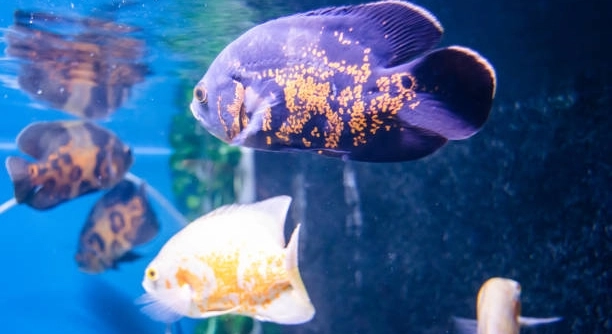
Oscar fish are known for their unique behaviors and strong personalities. One common yet puzzling habit is their tendency to bite the glass of their aquarium. This action can seem odd to many fish owners, but it has several explanations.
Oscar fish often bite the glass due to a mix of natural instincts and environmental factors. They may do this to express aggression, boredom, or hunger, or as a response to the glass reflection, which they mistake for another fish.
Understanding why Oscar fish display this behavior can help improve your aquarium setup and fish care routine. Exploring the reasons behind their actions can lead to a more peaceful and enriched environment for both the fish and the owner.
Why Oscar Fish Bite the Glass: A Sign of Aggression
Oscar fish are naturally territorial creatures, and one way they display aggression is by biting the glass of their tank. They may see their reflection as another fish invading their space. This can be especially noticeable when they feel threatened or are trying to assert dominance. It’s their way of defending their territory, even if the “intruder” is just their reflection.
The aggression they show can sometimes be linked to stress or frustration. When Oscar fish feel confined or are dealing with unfavorable tank conditions, such as poor water quality, they may resort to this behavior. It’s a way for them to release that pent-up tension.
Creating a larger tank or improving tank conditions can reduce this behavior. Ensuring that they have enough space and a calm environment helps keep them from feeling like they need to defend their space constantly. Proper care is key to calming these natural instincts.
Oscar Fish and Hunger: A Possible Reason for Glass Biting
When Oscar fish are hungry, they may exhibit glass-biting behavior.
Oscar fish are opportunistic feeders and will often “beg” for food when they are hungry. This includes any interaction with the tank glass, even if they can’t see you. The glass might be mistaken for food, leading them to bite it as a way of signaling their hunger.
If you’re noticing your Oscar fish consistently biting the glass, check their feeding schedule and ensure they are being given enough food. Sometimes, this behavior can be alleviated with a proper and regular feeding routine, along with variety in their diet to keep them satisfied and engaged.
Oscar Fish Biting Glass Due to Boredom
Oscar fish are intelligent and curious, so they need stimulation to stay mentally and physically healthy. If they aren’t given enough enrichment, they might start biting the glass as a way to pass the time. Boredom is often overlooked, but it’s a key factor in many aquarium behaviors. Without enough space, hiding places, or interaction, they might resort to repetitive actions like glass biting.
Offering your Oscar fish more objects to interact with, such as rocks, plants, or even aquarium decorations, can help them feel less confined and more entertained. Another option is to increase their interaction with you. Training your fish, offering new foods, and even rearranging the tank can provide enough novelty to prevent the glass-biting habit from developing into a routine.
Reflections in the Glass: A Mistaken Identity
Oscar fish may bite the glass because they mistake their reflection for another fish.
When they see their own reflection, they often don’t recognize it as themselves. Instead, they perceive it as a rival or an intruder. This confusion can lead to aggressive behaviors, like glass biting. Oscars have strong instincts, and when they feel threatened, they will react accordingly.
To reduce this type of behavior, consider placing background paper or films on the tank to obscure the reflection. Avoid tank lights that cause reflections or give the fish too much of a view of themselves. Additionally, adding tank mates or enriching their environment can reduce the likelihood that they will fixate on their reflection and begin biting the glass regularly.
Tank Size and Space: The Impact on Glass Biting
Oscar fish need a large tank to thrive. A cramped environment can cause them to feel stressed and trigger behaviors like biting the glass. Smaller tanks limit their movement and make them more likely to see their own reflection or feel territorial.
If your Oscar fish is in a tank that’s too small, consider upgrading to something larger. A tank size of at least 55 gallons is ideal for one Oscar, with more space needed for each additional fish. A bigger tank provides room for them to swim freely and reduces the likelihood of glass biting caused by stress.
In a larger space, your Oscar can also establish a territory, which reduces aggressive interactions. Make sure to maintain the water quality and create hiding spaces with decorations. The more comfortable and secure they feel, the less likely they are to bite at the glass in an attempt to defend their space.
Water Quality: Stress and Glass Biting
Poor water quality can stress Oscar fish, leading to unwanted behaviors. High levels of ammonia, nitrites, or nitrates in the tank can make them uncomfortable. As a result, they might start biting the glass as a response to this discomfort.
To avoid this, regularly test the water to ensure it’s clean and within the correct parameters. Oscar fish thrive in water that’s kept between 75°F and 80°F, with a pH of 6.5 to 7.5. Regular water changes and proper filtration help maintain optimal conditions. If the water is cloudy or contains too many toxins, they may feel stressed and take out their frustration by biting the tank.
By keeping water conditions stable and clean, you reduce stress factors that can cause glass biting. Healthy water leads to a healthier fish, and less time spent fighting with their reflections.
Overcrowding: Too Many Fish in One Tank
Overcrowding in an aquarium leads to increased aggression. When too many fish are in the tank, Oscars feel crowded and may act aggressively, sometimes biting the glass. The competition for space and food is intense, increasing tension among tank mates.
It’s essential to maintain the right fish-to-water ratio. One Oscar fish requires at least 55 gallons, and this increases with each additional fish. When overcrowded, Oscars will often show their aggression by biting at the glass, attempting to mark their territory. Keeping the tank lightly stocked not only reduces aggression but also promotes better health for all the fish.
In an overcrowded tank, Oscars may become more territorial or anxious, which leads to more biting. If you want to keep multiple Oscars together, ensure the tank is large enough and well-equipped to handle their space and needs. Otherwise, consider limiting the number of fish in the tank to prevent stress.
Light Levels: The Effect of Lighting on Glass Biting
Lighting can play a significant role in glass biting. Oscars may bite the glass when there’s too much reflection or glare caused by strong lighting. This is especially true if the tank is near a window or has bright overhead lights.
To reduce this behavior, use low to medium lighting and avoid placing the tank in direct sunlight. Adjusting the light fixtures or adding background decorations can also minimize reflections. Proper lighting helps keep the Oscars comfortable while preventing the temptation to attack the glass in response to confusing reflections.
Lack of Tank Enrichment: A Factor in Glass Biting
Oscar fish need enrichment in their environment to prevent boredom. Without enough things to do, they may begin biting the glass out of frustration.
Adding plants, rocks, or hiding spots provides your Oscars with something to explore. This keeps their minds occupied and can reduce repetitive behaviors. Giving them different textures and objects to interact with makes a big difference in their overall well-being.
Aggression Toward Other Fish: Tank Dynamics
Oscar fish are known for being aggressive toward tank mates, especially in smaller or overcrowded tanks.
In such conditions, they may bite the glass due to frustration with other fish. They might be trying to assert dominance or defend their space, leading to increased glass-biting behavior. When aggression becomes a pattern, it is often a sign of a tank that isn’t well-balanced for all its inhabitants. Adjusting the tank setup or removing aggressive tank mates can help prevent this behavior.
FAQ
Why is my Oscar fish constantly biting the glass?
Oscar fish may bite the glass for several reasons, including aggression, boredom, hunger, or frustration. If your Oscar feels threatened by its reflection, it may think there is another fish in its territory, which leads to glass biting. Similarly, if they are hungry or bored, they may try to grab your attention or express dissatisfaction by biting the tank. It’s important to assess the tank’s size, water quality, and whether your fish has enough stimulation to prevent this behavior.
Can Oscar fish hurt themselves by biting the glass?
Yes, Oscar fish can potentially harm themselves by repeatedly biting the glass. Their mouths can develop stress from continuous contact with the glass, and it may cause injury to their lips or teeth over time. Although this is not common, if your fish is repeatedly engaging in this behavior, it can cause some physical damage. In severe cases, it may also increase the likelihood of stress, which can weaken their immune system, leading to other health problems.
How can I stop my Oscar fish from biting the glass?
To stop your Oscar from biting the glass, focus on improving its environment. First, ensure the tank is large enough. Oscars need space to swim freely, and overcrowding or small tanks can increase their stress. Consider providing better water quality with regular maintenance, as poor water conditions can lead to frustration. Lastly, introduce enrichment like rocks, plants, and hiding spots to keep your Oscar occupied. Adding another fish (only if the tank is big enough) or changing the tank’s lighting can also help reduce glass-biting behavior.
Do Oscar fish need to be kept alone?
Oscar fish are territorial and can be aggressive toward other tank mates, especially in smaller tanks. However, they can coexist with other large, robust fish in a larger tank with enough space. The key is to monitor their interactions and make sure there is enough room for each fish to establish its territory. Some Oscar fish will tolerate certain tank mates, but be cautious about the species you choose to avoid conflicts. If you’re unsure, it’s often safest to keep your Oscar fish alone, especially in smaller tanks.
How often should I feed my Oscar fish?
Oscar fish are relatively easy to feed, but overfeeding can lead to health problems. It’s best to feed them once or twice a day, offering only as much food as they can consume in 2-3 minutes. Overfeeding may cause obesity or deteriorate water quality. Oscars are opportunistic feeders and will eat almost anything, but it’s important to provide a balanced diet. This includes high-quality pellets, live or frozen foods like shrimp, and the occasional vegetable. Keeping to a regular feeding schedule helps manage both their health and behavior.
Is my Oscar fish biting the glass because it’s stressed?
Stress is a common cause of glass biting in Oscar fish. Stress can stem from poor water quality, overcrowding, aggressive tank mates, or inadequate tank conditions. When an Oscar feels stressed, it may display behaviors such as glass biting, swimming erratically, or even excessive hiding. To reduce stress, make sure the tank is properly sized, the water is clean, and there are plenty of hiding spots or decorations. Monitoring the overall health and environment of the fish is essential for reducing stress-induced behaviors.
Do Oscar fish get along with other species?
Oscar fish can get along with other species, but they are generally not the best choice for a community tank. Their aggression and territorial nature often make it challenging to house them with smaller or more peaceful fish. Larger, more robust fish that can hold their own may coexist with Oscars in a properly sized tank. Some compatible tank mates include larger cichlids or fast-swimming species. Avoid keeping them with fish that are slow-moving or have long fins, as these can trigger aggressive behaviors. Always keep a close eye on your fish’s interactions to ensure peaceful coexistence.
Why does my Oscar fish bite the glass when I approach the tank?
When you approach the tank, your Oscar fish may associate your presence with feeding time or anticipate interaction. This could lead to glass-biting as a way to grab your attention, especially if it’s used to being fed at certain times. Oscars are also known for being curious and may bite the glass out of excitement. If this behavior becomes excessive, ensure that you’re feeding it on a consistent schedule and try to provide enrichment activities to distract it from just looking to you for food.
What type of tank decorations are best for Oscar fish?
Oscar fish enjoy a tank with plenty of hiding spots and space to swim. Large rocks, caves, and driftwood are great options to create hiding spots and territories within the tank. It’s essential that decorations are smooth and without sharp edges to prevent injury. The decorations should also be sturdy enough to avoid being moved around by the Oscar, as these fish can be quite strong. Live or artificial plants are also an option but should be securely placed since Oscars have a tendency to uproot or destroy them.
How do I know if my Oscar fish is healthy?
A healthy Oscar fish has clear eyes, vibrant coloring, and a healthy appetite. It should swim actively, display good posture, and interact with its environment. If your Oscar is lethargic, has faded colors, or is not eating, it could be a sign of illness. Additionally, any abnormal behavior, such as constant glass biting, aggression, or excessive hiding, may signal that something is wrong. Regular water changes, proper tank conditions, and monitoring the fish for signs of disease are all crucial for maintaining a healthy Oscar.
Final Thoughts
Oscar fish are fascinating creatures, known for their intelligence, aggression, and unique behaviors. One of the more common and puzzling behaviors is their tendency to bite the glass of their aquarium. While it can be frustrating for aquarium owners, it’s important to understand that this behavior is natural and typically a response to various factors. Oscar fish bite the glass for reasons like aggression, boredom, hunger, or frustration, and each cause can be addressed with some adjustments to their environment. Recognizing the root cause is essential for ensuring both the health of the fish and the well-being of your aquarium setup.
Creating a healthy and stimulating environment for your Oscar fish is key to reducing glass-biting behavior. A properly sized tank with ample space for swimming and territorial defense will go a long way in minimizing stress and aggression. In addition, maintaining clean water conditions and offering a varied diet can reduce hunger and boredom, both of which can trigger glass biting. Enriching the tank with decorations, plants, and hiding spots not only makes the tank more aesthetically pleasing but also provides the fish with stimulation and a sense of security. When Oscar fish are provided with a well-balanced environment, they are less likely to engage in repetitive or harmful behaviors like biting the glass.
While glass biting may not be entirely avoidable, understanding the reasons behind it can help aquarium owners take the necessary steps to improve the fish’s living conditions. By addressing factors such as tank size, water quality, lighting, and enrichment, you can reduce the likelihood of glass biting and ensure your Oscar fish stays healthy and happy. Ultimately, the goal is to create a habitat that meets their natural instincts and provides them with the best possible care. With a little attention and adjustment, you can make your Oscar’s environment more enjoyable, leading to a more peaceful and active fish.

Hello,
If you enjoy the content that we create, please consider saying a "Thank You!" by leaving a tip.
Every little bit helps us continue crafting quality advice that supports the health, happiness, and well-being of pets around the world, for pets of all shapes, sizes, and species.
We really appreciate the kindness and support that you show us!