
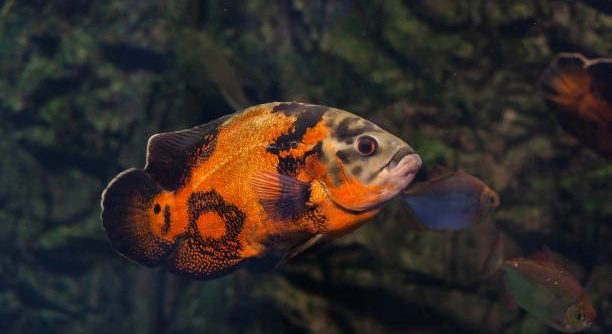
Oscar fish are known for their vibrant personalities and stunning looks, but like all pets, they can experience mood changes. Observing their behavior closely can help you recognize when something might be wrong.
Oscar fish, like many animals, can experience depression due to various factors such as poor water conditions, isolation, or environmental changes. Signs of depression may include lethargy, lack of appetite, or abnormal swimming patterns, all of which can be indicators.
Understanding the causes and symptoms of depression in your Oscar fish can make a big difference. Addressing these issues early will help ensure your fish stays healthy and happy. Let’s explore the signs and what you can do to help your fish.
Poor Water Quality
Water quality is one of the most common reasons for Oscar fish becoming stressed or depressed. Oscars are sensitive to changes in their environment, and poor water conditions can cause them to feel unwell. High levels of ammonia, nitrites, or nitrates can harm their health and mood. If the water isn’t kept clean, your Oscar may exhibit signs of depression such as lethargy or lack of interest in food.
Keeping the water parameters within safe limits will help maintain your fish’s well-being. Regular water changes are important for reducing harmful chemicals. You should also test the water often to check for any imbalances that could affect your Oscar.
In addition to keeping the water clean, make sure that the temperature is stable. Oscars thrive in warmer waters, typically between 75°F and 80°F (24°C-27°C). If the water becomes too cold or too hot, your Oscar may become stressed, leading to behavioral changes.
Lack of Mental Stimulation
Oscar fish are naturally curious and intelligent creatures. When they do not have enough stimulation or enrichment in their tank, they can become bored or depressed. A dull environment can lead to repetitive behavior or a decrease in activity.
Adding decorations, hiding spots, or other objects in the tank can help provide mental stimulation. This allows the Oscar to explore, swim around, and interact with its surroundings. Having a few plants or safe items for them to hide behind helps replicate their natural environment.
Oscars are also more likely to engage in social interactions if they have a tank mate. However, introducing another fish must be done carefully to avoid aggression. This balance can be tricky but rewarding when done correctly. Keeping the tank environment lively helps your Oscar stay active and healthy.
Insufficient Space
Oscar fish are large, active swimmers. When they don’t have enough space to move freely, it can lead to stress and depression. A small tank will make your fish feel cramped, affecting its overall health.
A tank that is too small limits your Oscar’s ability to swim and explore, leading to frustration. A common recommendation is a tank of at least 75 gallons for a single Oscar fish. This allows the fish enough room to move around, reducing stress and promoting a healthier environment.
When your Oscar has enough space, it’s more likely to remain active, curious, and engaged. A larger tank will also help maintain better water quality, as there is more room for filtration to handle waste. Your fish will feel safer and less confined, leading to better overall well-being.
Aggressive Behavior
Oscar fish are known for their territorial nature and can sometimes become aggressive toward other fish. Constant aggression or stress from other tankmates can lead to depression.
If your Oscar is showing signs of aggression, it may be necessary to separate it from other fish. Sometimes, Oscars can be peaceful if housed alone or with fish that match their size and temperament. Ensure there are plenty of hiding spots in the tank to give your Oscar some privacy and a safe space.
Constant stress from bullying can cause your Oscar to lose its appetite, become lethargic, and hide more frequently. Providing a calm, less aggressive tank environment will help your fish feel more secure. If aggression persists, you might want to reconsider tankmates or reduce the number of fish.
Inadequate Diet
Oscar fish need a balanced diet to stay healthy. If they’re not getting the right nutrients, it can affect their mood and overall health. A poor diet may lead to weakness, lethargy, and depression.
Feeding your Oscar a variety of foods, such as pellets, live food, and occasional frozen items, is essential. Avoid overfeeding and ensure that the food is high in quality to meet their nutritional needs. A proper diet helps to maintain their energy levels and vitality, preventing depression caused by malnutrition.
Environmental Changes
Oscar fish are sensitive to changes in their environment, including temperature shifts, water level changes, and new additions to the tank. These changes can stress your fish and lead to depression.
Avoid making sudden changes in your Oscar’s environment. If you need to adjust the water temperature, do it gradually. Adding new tankmates or decorations should be done slowly to give your Oscar time to adjust. Consistency is key to maintaining your fish’s happiness and health.
Illness or Injury
If your Oscar is sick or injured, it can affect its behavior. Fish often hide signs of pain, but a lack of appetite, strange swimming patterns, or unusual behavior can signal an underlying issue.
Monitoring your fish closely will help you identify if something is wrong. If you notice any symptoms, it’s important to act quickly and address the issue. Sometimes, a simple water change or improving tank conditions can help, but severe issues may require professional treatment or medication.
FAQ
What are the signs of depression in an Oscar fish?
Depression in an Oscar fish can manifest in several ways. Common signs include lack of appetite, lethargy, abnormal swimming behavior, and hiding more than usual. The fish may seem disinterested in its environment, appear less active, or stop interacting with tankmates. It is also important to watch for changes in color or physical appearance, which can sometimes indicate stress or illness.
How can I help my Oscar fish if it seems depressed?
First, ensure that the water quality is optimal. Regular water changes, proper filtration, and maintaining the right water parameters (like temperature and pH) can help your Oscar feel more comfortable. Next, check for any potential stress factors such as aggressive tankmates or lack of space. Adding enriching objects, hiding spots, or a larger tank can also improve its mental well-being. Offering a balanced diet will ensure your Oscar has the energy and nutrients it needs.
Is it normal for an Oscar fish to be lethargic?
Occasional lethargy may be normal, especially if the fish is adjusting to changes in its environment or undergoing a brief period of rest. However, prolonged lethargy is a sign that something may be wrong. If your Oscar is not swimming, eating, or interacting, it’s a good idea to check the water quality, ensure the tank is not overcrowded, and look for any health issues that could be affecting its behavior.
Can stress cause my Oscar fish to stop eating?
Yes, stress is one of the most common causes of loss of appetite in Oscar fish. Poor water quality, aggressive tankmates, or even environmental changes can lead to stress. When Oscars are stressed, they may refuse food, become withdrawn, or swim erratically. Identifying the cause of stress and addressing it quickly can help return your Oscar to its normal eating habits.
How do I know if my Oscar has a health problem?
Health problems in Oscar fish can sometimes be difficult to spot, as they tend to hide symptoms. However, if you notice unusual behavior, such as abnormal swimming patterns, discoloration, bloating, or open sores, your Oscar may have a health issue. A lack of appetite, visible lesions, or labored breathing are also signs that the fish is unwell. If you suspect your Oscar is sick, it’s important to act quickly and seek proper treatment.
Can my Oscar fish be depressed due to poor tank conditions?
Yes, poor tank conditions can significantly contribute to your Oscar’s depression. If the water is too dirty or the temperature is unstable, your Oscar may feel stressed or unsafe. Additionally, overcrowding, lack of hiding places, or inadequate filtration can lead to depression-like symptoms. Regularly check the water parameters, clean the tank, and ensure the setup is suited to the needs of your Oscar.
How much space does an Oscar fish need?
Oscar fish need a large tank due to their size and active nature. A minimum of 75 gallons is recommended for one Oscar fish. This provides enough space for swimming, reduces stress, and helps maintain stable water quality. In smaller tanks, Oscars can become agitated and stressed, which may lead to depression.
Can Oscar fish live with other fish?
Oscar fish can live with other fish, but it’s important to choose tankmates carefully. Oscars are territorial and can be aggressive, especially toward smaller or slower-moving fish. Tankmates should be similar in size and temperament, and there should be enough space in the tank for everyone to have their own territory. Always monitor interactions closely, and separate any fish that become targets of aggression.
Do Oscar fish need a filter?
Yes, Oscar fish need a good filtration system. They produce a lot of waste, so a filter is essential for keeping the water clean and maintaining healthy water parameters. Without proper filtration, harmful toxins like ammonia and nitrites can build up, leading to stress and potential health issues. A powerful filter is important for any Oscar tank, and regular water changes should still be performed to ensure a healthy environment.
Is it safe to add plants to an Oscar’s tank?
While adding plants to an Oscar fish’s tank can help provide hiding spots and visual enrichment, you need to choose hardy plants. Oscars are known to dig, uproot, or eat plants, so it’s important to select plants that can withstand their activity. Hardier plants like Anubias, Java fern, or Amazon sword can work well. Avoid delicate plants that may get damaged or destroyed.
Can my Oscar get lonely?
Oscar fish are territorial and generally prefer having space to themselves, but they are social creatures by nature. Some Oscars may show signs of loneliness if they do not have enough interaction or stimulation. While they can live alone without issues, introducing another compatible tankmate might help alleviate boredom and promote a more active lifestyle. However, ensure the tank is large enough to accommodate multiple fish without causing stress or aggression.
How can I tell if my Oscar is stressed?
Stressed Oscar fish may exhibit a variety of behaviors. These include swimming erratically, frequent hiding, loss of appetite, or becoming overly aggressive toward other tankmates. Stress can be caused by several factors, including poor water quality, environmental changes, overcrowding, or aggressive tankmates. Reducing stressors and providing a stable, comfortable environment can help your Oscar feel secure.
Why is my Oscar changing color?
Oscars can change color as a natural response to stress, illness, or changes in their environment. Stressful situations, such as water changes, aggressive tankmates, or poor water quality, may cause a temporary color change. If the color change persists, it may be a sign of illness or injury, and you should check the water quality and observe for any other symptoms.
Can overfeeding cause depression in my Oscar fish?
Overfeeding can lead to several problems for your Oscar, including poor water quality, digestive issues, and obesity. When Oscars are overfed, excess food decomposes in the water, increasing ammonia levels, which can cause stress. Additionally, overfeeding can contribute to lethargy or a loss of interest in food, mimicking signs of depression. Always feed your Oscar the appropriate amount of food based on its size and needs.
Final Thoughts
Oscar fish, like all pets, require attention to their environment and care to ensure they remain healthy and happy. If your Oscar fish is showing signs of depression, it’s important to take a close look at its surroundings. Stress can come from various factors, including poor water quality, an inadequate diet, or even the presence of aggressive tankmates. Addressing these issues can significantly improve your Oscar’s behavior and overall health. By making sure the tank is properly maintained, the water is clean, and your fish has enough space, you can prevent or correct many problems that lead to depression.
Mental stimulation and a varied diet are also crucial. Oscars are intelligent creatures that need stimulation and enrichment in their environment to stay active and engaged. Adding decorations, hiding spots, and maybe even some tankmates that are compatible with their temperament can give your Oscar something to explore and interact with. Offering a balanced and nutritious diet will also keep your Oscar’s energy levels high and its mood stable. Providing the right amount of attention and care can go a long way in ensuring that your Oscar fish stays happy.
Finally, be mindful of any health issues your Oscar may face. Illness or injury can cause significant changes in behavior, including signs of depression. If you notice anything unusual, such as loss of appetite, changes in swimming patterns, or physical signs of injury, it’s important to address them right away. Taking care of your Oscar’s basic needs, as well as keeping an eye out for any health problems, will help you maintain a peaceful and healthy tank environment. With proper care, your Oscar fish can live a long, happy life.

Hello,
If you enjoy the content that we create, please consider saying a "Thank You!" by leaving a tip.
Every little bit helps us continue crafting quality advice that supports the health, happiness, and well-being of pets around the world, for pets of all shapes, sizes, and species.
We really appreciate the kindness and support that you show us!