
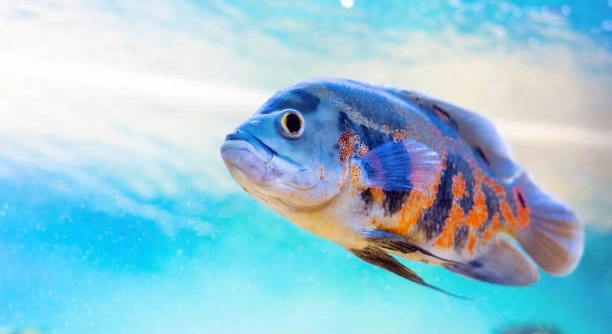
Oscar fish are fascinating creatures with unique care needs, but misconceptions about their care often cause confusion. Misunderstandings about their diet, tank size, and behavior are common among new fish owners, making it harder to provide proper care.
Several myths about Oscar fish care persist, such as the idea that they require extremely large tanks or are difficult to maintain. While they do need ample space and a balanced diet, these fish are relatively easy to care for with the right knowledge and routine.
Understanding the truth behind these myths will help you create a better environment for your Oscar fish. By knowing the facts, you can ensure they thrive in your aquarium.
Myth 1: Oscar Fish Need Huge Tanks to Thrive
A common myth is that Oscar fish need incredibly large tanks to survive. While it’s true that these fish grow significantly, a tank size of 55 gallons is often enough for a single Oscar. Overestimating their space requirements can lead to unnecessary costs and setup complications. Keeping a large tank may not always be necessary if the space is well maintained.
It’s important to focus on the water quality, temperature, and filtration. A well-kept 55-gallon tank will allow the Oscar to grow comfortably. It’s more about consistency in care than simply increasing tank size.
Also, keep in mind that Oscar fish can be territorial. They will often claim areas in the tank as their own. This doesn’t mean they need an excessive amount of space, but they do need room to swim and feel secure. By setting up your tank with adequate filtration and hiding spots, you can ensure the fish stays happy without needing an overly large tank.
Myth 2: Oscars Are Aggressive and Can’t Live With Other Fish
Many people believe Oscars are overly aggressive and should never be kept with other fish. While they can be territorial and aggressive at times, it’s possible for them to coexist peacefully with other species, especially if they are raised together from a young age.
Oscar fish are often misunderstood because of their size and potential for aggression. However, with the right tank setup and careful selection of tankmates, they can live harmoniously with certain species. Choosing fish that are similarly sized and not overly aggressive is key to preventing conflicts.
For example, large catfish or other robust fish species can usually handle themselves around Oscars. Additionally, having plenty of hiding spaces and decorations in the tank helps reduce territorial behavior. Monitoring their interactions during the first few weeks is important to ensure compatibility. With careful planning, your Oscar can share its space with other fish, avoiding unnecessary aggression.
Myth 3: Oscar Fish Only Eat Live Food
Oscar fish are often thought to need live food to thrive. While they do enjoy live food like worms and small fish, they can thrive on a balanced diet of high-quality pellets and frozen foods. In fact, feeding them only live food can be risky due to potential parasites and imbalances in nutrients.
Offering a varied diet of pellets, frozen foods like shrimp, and the occasional live food ensures they get the nutrients they need. You can also supplement their diet with vegetables, like peas, to aid digestion. It’s important to provide them with a well-rounded diet rather than relying solely on live food.
Live food can be a fun treat for your Oscar, but it should not be the staple of their diet. Providing a mix of foods will help your fish stay healthy and grow at a steady pace. A balanced diet also reduces the likelihood of health issues caused by poor nutrition.
Myth 4: Oscar Fish Are Difficult to Care For
Another myth surrounding Oscar fish is that they are difficult to care for. While they do require specific conditions, they are generally hardy fish. Oscar fish thrive in stable environments, and their needs are manageable once you understand what they require.
The most important aspects of their care are water quality, temperature, and regular feeding. Maintaining a consistent water temperature of 75-80°F and using a high-quality filter to keep the water clean is crucial. Oscars are relatively low-maintenance once you get the hang of these basics. With proper care, they can live for many years.
Regular water changes, ensuring they are fed a proper diet, and avoiding overstocking the tank are all essential for healthy Oscar fish. These steps make Oscar fish as easy to care for as any other aquarium species. Once you’ve set up a proper tank, keeping an Oscar is straightforward.
Myth 5: Oscar Fish Don’t Need Much Maintenance
Some believe Oscar fish are low-maintenance, but this is a misunderstanding. They still require regular tank maintenance, such as water changes, filter cleaning, and monitoring water quality. Neglecting these tasks can lead to health issues for your fish.
Keeping the water clean is crucial for Oscar fish. Their tank should be equipped with a reliable filtration system, as they produce a lot of waste. Regular water changes, typically around 25-30% every two weeks, will help maintain water quality and prevent harmful toxins from building up. Additionally, monitoring ammonia, nitrite, and nitrate levels is key.
The health of your Oscar depends on maintaining a balanced, clean environment. Without proper maintenance, your fish will suffer, and the aquarium ecosystem will become unstable. Routine care and water testing are essential for ensuring a long, healthy life for your Oscar.
Myth 6: Oscar Fish Don’t Require Hiding Spaces
Oscar fish may not always appear shy, but they still need hiding spots to feel secure. These fish can become stressed without places to retreat, especially if they’re feeling threatened or overwhelmed by the tank’s environment.
Providing hiding spaces, such as caves or decorations, helps create a more natural habitat. This reduces stress, which can otherwise lead to illness or aggression. Adding plants or structures can also help them establish territories within the tank, making them feel safe and comfortable.
A stressed Oscar fish is more likely to display undesirable behaviors, including aggression or poor eating habits. By offering hiding spots, you support their well-being and ensure they remain healthy and content.
FAQ
How often should I feed my Oscar fish?
Oscar fish should be fed once or twice a day, depending on their size and age. Young Oscars may require more frequent feedings, while adult Oscars only need one meal a day. It’s important to feed them only as much as they can eat in a few minutes to prevent overfeeding and water quality issues.
Offer a variety of foods, including high-quality pellets, frozen or freeze-dried foods, and the occasional live food. A balanced diet is key for keeping them healthy. Feed your Oscar in a routine to prevent stress, and remove any uneaten food after 5-10 minutes to avoid water contamination.
What size tank is best for an Oscar fish?
An Oscar fish requires at least a 55-gallon tank for one fish. However, a 75-gallon tank or larger is ideal, especially if you plan on keeping multiple Oscars or other fish. The bigger the tank, the more space your Oscar will have to swim and feel secure.
Remember, Oscar fish can grow large, up to 12-14 inches in length, so they need ample space to thrive. A larger tank will also help maintain better water quality, as it can accommodate a stronger filtration system. It’s also important to provide hiding spots and decorations to create a more natural environment.
Can I keep other fish with my Oscar?
Yes, you can keep other fish with your Oscar, but it requires careful consideration of tank mates. Oscars are territorial and can be aggressive, especially when they feel their space is threatened. It’s best to choose fish that are similar in size and temperament.
Large, peaceful fish like catfish or other cichlids can coexist with Oscars. Avoid small or slow-moving fish, as they are more likely to become targets for aggression. Make sure your tank has plenty of hiding places to help minimize any conflicts. Monitoring their interactions early on can help prevent issues later.
What should I do if my Oscar is showing signs of illness?
If your Oscar shows signs of illness, such as lethargy, abnormal swimming behavior, or visible lesions, it’s important to address the problem quickly. First, check the water quality, as poor water conditions are often the cause of stress and illness in fish.
If the water is fine, consider isolating the sick fish in a quarantine tank to prevent the spread of illness to others. You can treat the specific disease based on the symptoms (e.g., external parasites, fungal infections). If the problem persists, consider seeking advice from a veterinarian experienced with fish.
Do Oscar fish need a heater?
Yes, Oscar fish need a heater to maintain a consistent water temperature between 75-80°F (24-27°C). These fish are tropical and require warm water to stay healthy. Without a heater, the water temperature can fluctuate, leading to stress and potential health problems.
Using a reliable aquarium heater will help maintain a stable environment. Make sure the heater is properly sized for your tank to ensure even temperature distribution. It’s also essential to have a thermometer in the tank to monitor the water temperature regularly.
Why is my Oscar fish acting aggressively?
Oscar fish can display aggression for several reasons. It may be related to territorial behavior, especially if they feel their space is being invaded by other fish. Overcrowding, lack of hiding spaces, or improper tank setup can also contribute to stress and aggression.
If your Oscar is acting aggressively, make sure the tank is large enough and well-structured, with plenty of hiding spots. It may also help to reduce the number of tank mates or change the layout to give your Oscar more space. Sometimes, aggression is simply part of their natural behavior, especially during breeding season.
How do I know if my Oscar fish is stressed?
Signs of stress in Oscar fish include erratic swimming, hiding more than usual, refusing food, and color fading. Stress can be caused by poor water quality, inappropriate tank mates, overcrowding, or sudden changes in the environment.
To reduce stress, check the water parameters, such as pH, ammonia, nitrites, and nitrates. Make sure your Oscar has enough space and hiding spots to feel secure. Maintaining a consistent and stable environment will help minimize stress and promote a healthy, thriving fish.
Final Thoughts
Oscar fish are fascinating and resilient creatures that make great additions to any aquarium when cared for properly. They are known for their intelligence and distinctive personalities, which make them stand out in the fishkeeping community. However, keeping Oscars requires some effort, and it’s important to understand their needs. From tank size to diet, there are several factors to consider in ensuring they thrive in their environment.
While myths about Oscar fish care may discourage some from keeping them, it is clear that with the right setup and knowledge, Oscars are relatively easy to care for. Proper tank maintenance, a balanced diet, and regular monitoring of water quality are essential to their well-being. By dispelling the myths and following these basic guidelines, anyone can provide a healthy and enriching life for their Oscar fish.
Taking the time to learn about Oscar fish behavior and health is rewarding. These fish have the potential to live for many years, and with the proper care, they will become a fascinating part of your aquarium. Whether you are a new fish keeper or someone with years of experience, providing the right environment for an Oscar fish is a satisfying experience that can lead to a long-lasting bond with these incredible creatures.

Hello,
If you enjoy the content that we create, please consider saying a "Thank You!" by leaving a tip.
Every little bit helps us continue crafting quality advice that supports the health, happiness, and well-being of pets around the world, for pets of all shapes, sizes, and species.
We really appreciate the kindness and support that you show us!