
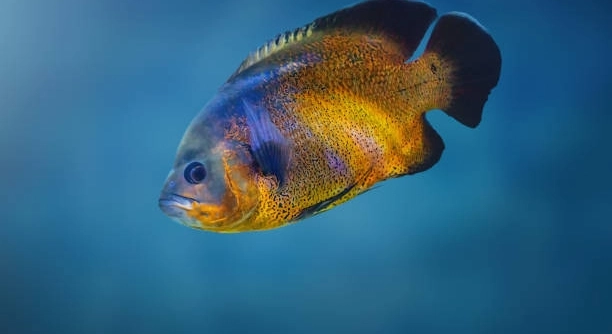
Oscar fish are beautiful, but maintaining their tank can sometimes feel like a challenge. One of the most common tasks is managing the waste they produce. Keeping their environment clean is essential for both their health and your enjoyment.
The most effective way to clean Oscar fish waste involves regular water changes, the use of a high-quality filter, and removing debris manually with a siphon or net. This ensures that the tank stays clean without harming the fish’s ecosystem.
With these tips, you’ll be able to manage the waste efficiently, ensuring that your Oscar fish remain healthy and their tank stays sparkling clean.
Regular Water Changes
One of the most important tasks for keeping your Oscar fish’s tank clean is performing regular water changes. Water changes help remove waste, excess food, and harmful chemicals that can accumulate in the tank. For Oscar fish, changing 25-30% of the water every week is typically sufficient to keep the water quality high. You can use a siphon or gravel vacuum to remove waste from the substrate while replacing the water with fresh, dechlorinated water. Skipping water changes too frequently can lead to harmful ammonia or nitrate buildup, which can negatively impact your fish’s health. Over time, this buildup can lead to stress, illness, and even death. Regular water changes are a simple yet effective way to maintain a healthy tank environment.
It’s essential to maintain this routine to support your fish’s well-being. Consistent water changes will also improve your filtration system’s performance and make it easier to control other tank parameters, such as pH levels and hardness.
The key to maintaining a clean tank is not just about removing waste but also ensuring that the overall water quality remains stable. Stable water conditions are vital for your Oscar fish’s health and vitality. By sticking to a weekly water change schedule, you’ll be able to prevent problems before they become serious issues. With clean, fresh water, your fish will be able to thrive in their environment.
Effective Filtration
A good filtration system is vital for reducing waste in your tank. Choose a filter that is suitable for the size of your aquarium and can handle the waste produced by your Oscar fish. A filter that provides both mechanical and biological filtration is the best choice. Mechanical filtration removes physical debris, while biological filtration supports beneficial bacteria that break down harmful toxins.
An appropriate filter will keep the water clearer, reduce algae growth, and maintain the overall cleanliness of the tank. Consider using a filter with a high flow rate, as Oscars produce a lot of waste. However, make sure the current isn’t too strong, as it may stress your fish.
Oscars are known for their large appetites and high waste production, so using a filter that can handle these needs is crucial. Regular maintenance of the filter is also necessary to ensure its efficiency. Clean the filter media as needed, and replace it when it shows signs of wear. Keeping your filter in good condition will help minimize waste buildup and maintain a stable environment for your fish.
Manual Waste Removal
Manually removing visible waste is another simple yet effective way to keep your Oscar fish tank clean. Use a net or a siphon to remove uneaten food, fish droppings, and any other debris that settles at the bottom. This is especially important in tanks with large fish like Oscars, as their waste can accumulate quickly.
It’s a good idea to do this daily or every other day to maintain clean water. The more frequently you clean, the less build-up there will be, making it easier to maintain the tank’s cleanliness. Focus on areas where debris tends to collect, such as in corners and around plants.
While water changes and filtration are essential, manual removal ensures that the tank stays free from visible waste and excess food. Regularly cleaning the substrate also prevents waste from breaking down into toxic substances that can harm your fish. A clean tank helps create a more stable and healthy environment.
Proper Feeding Practices
Feeding your Oscar fish properly is key to reducing waste. Overfeeding is a common mistake that leads to excess food accumulating in the tank, which in turn contributes to water pollution. It’s better to feed your fish smaller amounts of food more frequently than large amounts once a day.
You can also monitor your fish’s eating habits to ensure they consume everything within a few minutes. Remove any uneaten food after feeding to prevent it from decaying in the tank. This not only helps maintain water quality but also reduces the workload when it comes to cleaning the tank.
Remember that Oscars are omnivores and will eat a variety of foods. Offering a balanced diet will prevent overfeeding and keep your fish healthy. Some fish may also benefit from occasional fasting, giving their digestive system a break and preventing uneaten food from spoiling the water.
Maintain Tank Temperature
Oscar fish thrive in warmer water, so maintaining the right temperature helps with their overall health. Aim for a temperature between 75°F and 80°F. A reliable heater is essential to maintain consistent warmth. Temperatures that fluctuate too much can stress the fish and lead to higher waste production.
Using a thermometer in your tank ensures that the water remains within the ideal range. If the temperature drops too low, it can slow down biological filtration, allowing waste to accumulate more quickly. Keeping the temperature steady reduces stress and helps manage waste levels efficiently, creating a better environment for your fish.
Use Live Plants for Filtration
Adding live plants to your tank is an excellent natural way to help reduce waste. Plants absorb excess nutrients like nitrates from the water, which helps control algae growth and keeps the tank cleaner. Plants also provide a more natural environment for your Oscar fish.
However, keep in mind that some plants may require extra care or specific light conditions. Hardy plants like Java fern, Anubias, or Amazon swords are great options for Oscar fish tanks. Proper plant care, such as trimming and removing decaying leaves, helps prevent unwanted waste build-up.
Control Algae Growth
Algae can quickly take over a tank if not controlled. Regularly scrub the walls of your tank to remove algae build-up. Reducing light exposure can also help keep algae in check. Too much light leads to faster algae growth, making it harder to manage waste.
Another effective way to control algae is by using algae-eating fish or snails. They help to naturally reduce algae, taking some of the cleaning pressure off you. Just ensure the algae-eaters are compatible with your Oscar fish and won’t become prey.
FAQ
How often should I clean my Oscar fish tank?
You should clean your Oscar fish tank at least once a week. This includes performing a partial water change, cleaning the substrate, and removing any visible debris. If the tank is heavily stocked or has more waste, consider cleaning more frequently. Regular cleaning ensures that waste doesn’t build up, which can lead to poor water quality and health problems for your fish.
Can I use a sponge filter for an Oscar fish tank?
While sponge filters can work for smaller tanks or fish, they may not be powerful enough for larger fish like Oscars. Oscars produce a lot of waste, so a more powerful filter, such as a canister or hang-on-back filter, is recommended to properly handle the load. If you choose a sponge filter, make sure it is paired with a strong water circulation system.
What type of filter is best for Oscar fish?
Canister filters are the best option for Oscar fish tanks. They provide excellent mechanical, biological, and chemical filtration, ensuring the tank stays clean and the water stays clear. The size of the filter should match the size of your tank and the number of Oscars you have. A filter that can handle at least 2-3 times the tank volume per hour is recommended.
How do I reduce ammonia levels in my Oscar fish tank?
Ammonia is harmful to fish and can quickly build up in an Oscar fish tank. To reduce ammonia levels, perform regular water changes, ensure proper filtration, and avoid overfeeding. Adding live plants can also help absorb excess nutrients. Keep an eye on ammonia levels using water test kits to address any spikes immediately.
Why is my Oscar fish tank so dirty?
Your Oscar fish tank may appear dirty due to overfeeding, insufficient filtration, or irregular maintenance. Oscars are messy eaters and produce a lot of waste, which can quickly cloud the water and lead to debris build-up. Regular water changes, proper feeding, and an effective filter system can help keep the tank clean.
What size tank do Oscar fish need?
Oscar fish need a large tank to thrive. A minimum tank size of 55 gallons is recommended for a single Oscar fish. For each additional Oscar, you should increase the tank size by at least 30 gallons. Larger tanks provide more stable water conditions and enough space for your fish to swim and grow comfortably.
Can I use a gravel substrate for my Oscar fish tank?
Gravel can be used in an Oscar fish tank, but it should be cleaned regularly to prevent waste from accumulating in the substrate. A bare-bottom tank is often easier to clean, but gravel can offer a more natural aesthetic. If you use gravel, vacuum the substrate during water changes to remove any trapped waste.
Do Oscar fish need a filter with high flow?
Yes, Oscar fish need a filter with strong water flow. Oscars produce a lot of waste, and a powerful filter helps to remove debris and maintain water quality. However, it’s important that the flow isn’t too strong, as Oscars prefer calm water. You can adjust the flow rate on most filters to keep the tank’s current manageable.
What temperature is best for Oscar fish?
Oscar fish thrive in water temperatures between 75°F and 80°F (24°C – 27°C). Keeping the water at this temperature range helps maintain their immune system and promotes healthy growth. It’s important to use a reliable heater to keep the temperature consistent. Avoid letting the temperature fluctuate, as this can cause stress for the fish.
What kind of food is best for Oscar fish?
Oscar fish are omnivores and need a balanced diet to stay healthy. They should be fed a variety of foods, including high-quality pellets, frozen or live foods like bloodworms, and occasional vegetables. Avoid overfeeding, as this can lead to waste accumulation and water quality issues. Feed smaller portions multiple times a day to reduce uneaten food.
Why is my Oscar fish swimming near the surface?
Oscar fish may swim near the surface for several reasons. It could be a sign of low oxygen levels in the water, or they may be seeking food. Ensure the water is well-oxygenated and that the tank is clean. If the behavior persists, it might indicate stress, poor water quality, or a health issue, so it’s important to investigate further.
How do I clean the glass of my Oscar fish tank?
To clean the glass of your Oscar fish tank, use an algae scraper or magnet cleaner designed for aquarium glass. Gently scrub the inside glass to remove algae and debris. Avoid using harsh chemicals or products not designed for aquarium use, as they can harm your fish. Regular cleaning of the glass helps maintain visibility and water quality.
Can Oscar fish live with other fish?
Oscar fish can live with other fish, but they are territorial and can be aggressive, especially as they grow larger. It’s important to choose tank mates carefully. Larger, more robust fish like cichlids or catfish may be suitable. Avoid smaller fish that might become prey for your Oscar. Always monitor interactions to ensure compatibility.
How can I improve water quality in my Oscar fish tank?
Improving water quality starts with regular water changes, proper filtration, and reducing excess nutrients from uneaten food. Testing water parameters like pH, ammonia, nitrites, and nitrates is essential for maintaining balance. Adding live plants, reducing feeding frequency, and keeping the tank clean also contribute to better water quality.
Final Thoughts
Maintaining a clean Oscar fish tank is crucial for the health and well-being of your fish. Oscars produce a significant amount of waste, which can quickly affect water quality if not managed properly. Regular tank maintenance, such as performing water changes and removing visible debris, is essential for keeping the environment healthy. In addition, using proper filtration ensures that the tank remains free from harmful toxins, like ammonia and nitrites, which can build up in an unclean tank. Keeping your tank clean not only benefits your fish but also helps keep your tank looking clear and inviting.
Feeding your Oscar fish appropriately is another key aspect of maintaining a clean tank. Overfeeding is a common mistake that leads to excess food, which contributes to poor water quality. By feeding your fish smaller portions and removing any uneaten food, you can help minimize waste and prevent unnecessary cleaning. Monitoring your Oscar’s eating habits and adjusting the feeding schedule accordingly ensures that they receive the proper nutrients without overloading the system with food that will eventually decompose. Balanced feeding practices play a significant role in controlling waste levels and improving the overall tank environment.
Finally, choosing the right tank size and equipment is crucial for reducing maintenance efforts. A properly sized tank allows for better water stability, which makes it easier to manage waste. Along with a reliable filtration system, adding live plants can help absorb excess nutrients and reduce algae growth, contributing to a cleaner tank. Regularly checking water parameters and adjusting as needed will also help you maintain optimal conditions. By staying consistent with maintenance and making small adjustments as needed, you can provide a healthy and comfortable environment for your Oscar fish.

Hello,
If you enjoy the content that we create, please consider saying a "Thank You!" by leaving a tip.
Every little bit helps us continue crafting quality advice that supports the health, happiness, and well-being of pets around the world, for pets of all shapes, sizes, and species.
We really appreciate the kindness and support that you show us!