
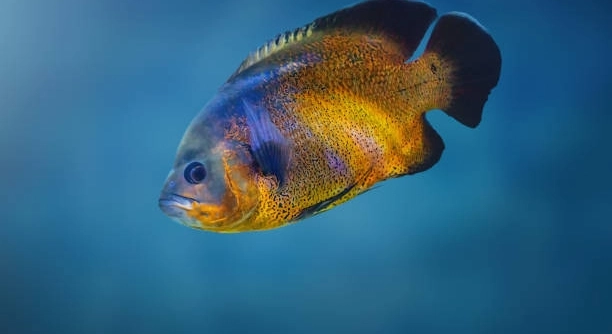
Oscar fish are popular aquarium pets, known for their intelligence and distinct personalities. Their ability to navigate their environment has sparked curiosity, especially when it comes to their vision in low light. Let’s explore this fascinating trait.
Oscar fish, like many other species, have limited vision in the dark. They rely on their acute sense of smell and vibration detection to navigate in low-light conditions. While they may not see clearly in total darkness, they adapt well to dim environments.
Understanding how Oscar fish interact with their surroundings can help improve their care. This insight will allow you to better accommodate their needs and keep them happy in their aquarium environment.
How Oscar Fish See in Low Light
Oscar fish are known for their ability to thrive in a variety of environments, but their vision in low light is quite limited. While they have decent eyesight in normal lighting, they don’t possess night vision. Instead, they rely on their other senses to find food or navigate the tank when it gets dark. Their keen sense of smell and ability to detect vibrations help them detect movement around them, especially during feeding times. This ability makes them highly adaptive to dimly lit spaces, though not completely reliant on sight. In the wild, these fish are often in murky waters, where visibility is low, so their other senses are developed for survival.
Oscar fish are not equipped to see in the complete dark, which can make them feel disoriented.
While their vision is limited in darkness, they can still adjust by using their other senses. In a tank, it is important to provide adequate lighting to help them feel more secure and at ease. This can also help you monitor their behavior more effectively. The more natural the environment, the better they adapt.
How Oscar Fish Navigate in Their Habitat
In their natural habitat, Oscar fish rely on their ability to detect vibrations and smells. They are not exclusively sight-driven.
This is especially crucial when they are in darker waters or during low light conditions. They use their lateral line system to sense vibrations in the water, allowing them to detect movement from potential prey or threats. This ability helps them navigate even in murky or low-visibility environments, ensuring that they can thrive despite their limited vision. The lateral line system consists of sensory organs that run along the fish’s body, picking up subtle changes in water movement. Combined with their heightened sense of smell, these fish can find food and avoid danger without needing to see clearly.
Having an understanding of their sensory abilities can be incredibly beneficial for tank owners. By providing an environment that appeals to these senses, you can keep your Oscar fish healthy and stress-free. It’s important to replicate the conditions they are accustomed to for their well-being.
The Importance of Proper Lighting for Oscar Fish
Adequate lighting is crucial for Oscar fish, as it helps them feel more secure. Poor lighting can lead to stress and disorientation.
Lighting also affects their feeding habits and general activity levels. Oscar fish tend to become more active during daylight hours when the lighting is sufficient. Without enough light, they may become sluggish and hide more often, leading to a lack of interaction. Setting up your tank with proper lighting not only promotes healthier behaviors but also makes it easier for you to monitor your fish’s health and interactions.
While they can adapt to dimmer environments, Oscar fish prefer moderate light levels. Too much light can cause stress, so it’s important to find the right balance. If your tank is too dark, consider using a light that mimics natural daylight patterns to keep your fish happy and active.
Tank Setup for Oscar Fish
When setting up a tank for Oscar fish, creating a comfortable and stimulating environment is essential.
Oscar fish are territorial and need enough space to roam. A larger tank with hiding spots and open swimming areas is ideal for them. Rocks, plants, and other decorations should be arranged to allow your fish to navigate freely. The lighting should be adjustable, so you can control the tank’s brightness based on the time of day and the fish’s needs. It’s also important to maintain good water quality, as Oscar fish are sensitive to pollutants and changes in their environment.
Ensure that your tank is large enough to support their size, as these fish can grow significantly. A well-maintained tank setup provides an environment where your Oscar fish can thrive, feel safe, and exhibit natural behaviors. Proper tank care contributes to their long-term health.
Feeding Oscar Fish in Low Light
Oscar fish do not rely on sight when feeding in low light. They depend on their sense of smell and the vibrations in the water to detect food.
Their hunting and foraging behavior will continue even in dim conditions. Providing food in varied locations encourages natural feeding habits. A well-lit feeding time ensures they stay active and engaged. However, it’s important to avoid overfeeding, as this can lead to water pollution and health issues.
The Role of Water Quality
Water quality is critical for Oscar fish, as poor conditions can stress them, especially in dimly lit tanks.
Maintaining clean water helps Oscar fish thrive in their environment. Regular water changes, along with proper filtration, ensure that toxins don’t build up. Oscars are sensitive to changes in water parameters, so it’s important to monitor pH, ammonia, and nitrate levels. Stress from poor water quality can weaken their immune system, making them more susceptible to disease. Ensuring proper water conditions will keep your fish healthier and happier.
Tank Maintenance and Observation
Regular tank maintenance is necessary for Oscar fish to feel secure and thrive.
Observing their behavior helps catch any signs of illness early.
FAQ
Can Oscar fish live in complete darkness?
Oscar fish cannot live in complete darkness for extended periods. They rely on other senses, like smell and vibrations, to navigate their surroundings, but light is still important for their well-being. In total darkness, they would feel disoriented and stressed. While they may adjust to low-light environments, it’s crucial to provide them with some form of lighting to ensure they stay healthy and active.
How do Oscar fish navigate in low light?
Oscar fish navigate in low light using their sense of smell and their lateral line system. This system detects vibrations in the water, allowing them to sense movement and changes in their surroundings. In dimly lit or murky waters, these abilities help them locate food and avoid predators. Their eyesight may not be effective in darkness, but their other senses compensate for this limitation.
Do Oscar fish need bright lighting in their tank?
Oscar fish do not require overly bright lighting. They prefer moderate light, which mimics natural daylight. Too much light can stress them, while too little light may cause them to feel insecure. The best lighting for an Oscar fish tank is one that provides visibility without overwhelming the fish. A consistent light-dark cycle is ideal for their health.
How often should I feed my Oscar fish?
Oscar fish should be fed once or twice a day, depending on their age and size. Young fish may need more frequent meals, while adults do well with one feeding per day. It’s important to provide a varied diet that includes high-quality pellets, frozen or live foods like shrimp, and vegetables. Overfeeding can lead to water quality issues, so be mindful of the amount of food you give them.
Can Oscar fish eat in low light conditions?
Yes, Oscar fish can still eat in low light conditions. They use their keen sense of smell and ability to detect vibrations to find food. However, a well-lit environment can help them feel more comfortable and engaged during feeding times. It’s important to keep feeding times consistent, so they don’t get stressed by the environment.
Are Oscar fish good tank mates for other fish?
Oscar fish can be aggressive, especially as they grow larger. They may not always be suitable tank mates for smaller or more passive fish. However, they can live peacefully with other large, robust species that can handle the Oscar’s temperament. It’s important to consider the size and behavior of potential tank mates before introducing them to an Oscar’s tank.
How large should my tank be for Oscar fish?
Oscar fish require a large tank to thrive. A minimum of 55 gallons is recommended for a single Oscar fish, but larger tanks are preferable. As they grow, they need ample space to swim and explore. Providing enough room helps reduce stress and ensures that the fish can exhibit natural behaviors.
What temperature is best for Oscar fish?
Oscar fish thrive in warmer water, typically between 74°F and 81°F (23°C to 27°C). It’s important to maintain a consistent temperature, as fluctuations can stress the fish and impact their health. A reliable aquarium heater is essential to keep the water at the correct temperature, especially in colder climates.
How can I tell if my Oscar fish is stressed?
Signs of stress in Oscar fish include unusual hiding, lack of appetite, rapid gill movement, or aggressive behavior. Changes in their swimming patterns or discoloration of their skin can also indicate stress. Poor water quality, incompatible tank mates, or sudden changes in their environment are common stressors for Oscar fish.
Do Oscar fish need a filter?
Yes, Oscar fish produce a significant amount of waste, making a powerful filtration system essential. A high-quality filter helps maintain water quality by removing toxins and debris. Without proper filtration, the water can become polluted quickly, leading to health problems for your fish. Regular maintenance of the filter is also crucial to ensure it functions properly.
Can Oscar fish see in the dark?
Oscar fish have limited vision in complete darkness. They rely on their ability to detect vibrations and sense smells to navigate when the light is low. While they don’t see well in total darkness, they can adapt to low-light conditions and continue to find food and move around by using other sensory methods.
What type of food should I feed my Oscar fish?
Oscar fish are omnivores and should have a varied diet. High-quality pellets designed for large carnivorous fish should be their primary food source. You can also offer them frozen or live foods, such as worms, shrimp, or small fish. Adding some vegetables, like peas or spinach, helps balance their diet and keeps them healthy.
How long do Oscar fish live?
Oscar fish typically live for 10 to 15 years, but with proper care, some can live even longer. Providing a stable environment, balanced diet, and regular tank maintenance can extend their lifespan. Be mindful of water quality and tank size to ensure your Oscar fish lives a long, healthy life.
Do Oscar fish like plants in their tank?
Oscar fish may not be the best tank mates for delicate plants. They are known for being somewhat destructive, and they may uproot or eat plants in their tank. Hardier plants, such as Anubias or Java Fern, may survive better in an Oscar tank, but be prepared for occasional damage.
Can Oscar fish recognize their owner?
Oscar fish are intelligent and can recognize their owners. They often associate feeding time with the presence of their caretaker and may approach the tank when they see you. While they may not form the same bond as a dog, they can show signs of familiarity and may interact with you in their own way.
What is the ideal pH level for Oscar fish?
Oscar fish prefer slightly acidic to neutral water, with a pH level ranging from 6.5 to 7.5. Maintaining stable pH levels is crucial, as drastic changes can stress the fish. Regular water testing and adjustments will help keep the water conditions ideal for your Oscar fish.
Final Thoughts
Oscar fish are fascinating creatures with unique characteristics. They are hardy fish that can adapt to a variety of conditions, but they do require attention and care to thrive. Their ability to detect food through their sense of smell and vibrations is one of the many reasons they can survive in low-light conditions. However, this doesn’t mean they can live in complete darkness. A well-lit tank is essential for their health, ensuring they feel secure and active.
Maintaining a proper environment for Oscar fish is crucial for their long-term health. Water quality is perhaps the most important factor in their care. Oscars are sensitive to changes in their surroundings, and poor water conditions can lead to stress or illness. A reliable filtration system, regular water changes, and monitoring of water parameters such as pH and temperature are necessary. By providing a stable and clean environment, your Oscar fish will have the best chance of thriving for many years.
Finally, while Oscar fish can live with other species, it’s important to choose tank mates carefully. Their aggressive tendencies can lead to conflicts with smaller or more peaceful fish. However, with the right companions and a large enough tank, Oscar fish can coexist peacefully. Keeping them well-fed and stress-free will also help prevent aggressive behavior. With proper care and attention, Oscar fish can make a rewarding and long-lasting addition to your aquarium.

Hello,
If you enjoy the content that we create, please consider saying a "Thank You!" by leaving a tip.
Every little bit helps us continue crafting quality advice that supports the health, happiness, and well-being of pets around the world, for pets of all shapes, sizes, and species.
We really appreciate the kindness and support that you show us!