
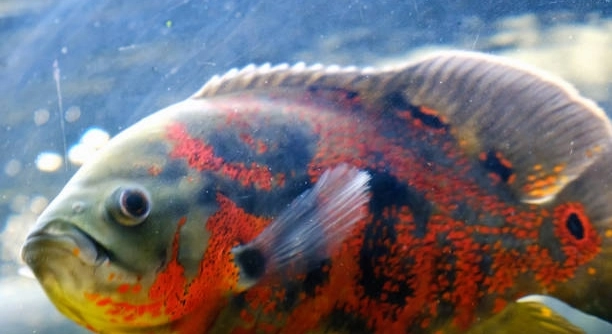
Transporting Oscar fish can be a delicate task. They are sensitive to changes in their environment, and even minor disturbances can cause stress. It’s important to handle them carefully and plan ahead for a smooth journey.
To transport Oscar fish safely, the key is minimizing stress and ensuring their environment remains stable. Use a secure, insulated container filled with water from their tank. Avoid overcrowding, and keep the temperature steady to reduce the risk of health issues.
Following these tips will ensure your Oscar fish travels safely and comfortably. Keep reading to discover more on how to create the best environment for them during transport.
Choosing the Right Transport Container for Your Oscar Fish
When transporting Oscar fish, the right container is crucial for their safety. A sturdy, clear plastic or Styrofoam container works best. Make sure it is large enough to give the fish room to swim, but not too large to cause water instability. Using a container that allows the fish to stay submerged in water will reduce stress levels. Avoid using a net to transport the fish as it can cause injury or stress. Fill the container with water from their tank to maintain the familiar environment.
You should also ensure that the lid or cover of the container is securely fastened. If the container is too loose, the fish might jump out, leading to injury or distress. Be cautious of the container’s ventilation, as too much airflow can cool the water too quickly, which can harm your fish.
Once you have the right container, fill it with water from the Oscar’s tank. This helps the fish feel more comfortable by minimizing environmental changes. Consider using a battery-operated air pump to ensure proper oxygen levels during transport.
Maintaining Stable Water Temperature
Oscar fish are sensitive to temperature changes. The temperature of the water should remain stable throughout transport to prevent stress. Ideally, the water should be kept between 75-80°F (24-27°C). Use a portable aquarium heater or heat packs to help regulate the temperature.
If you’re transporting your Oscar fish over a long distance, monitor the temperature closely. Pack extra supplies, like heat packs, if you’re unsure of the weather or the distance. An unstable temperature can lead to health problems for your fish, so try to keep it as consistent as possible during the entire process.
Transporting Oscar fish safely involves several steps. Preparing in advance and paying attention to their needs will ensure they arrive at their destination stress-free and healthy.
Protecting Your Oscar Fish from Stress
Stress can severely affect an Oscar fish’s health, so it’s essential to keep them calm during transport. Avoid sudden movements or loud noises around the container. It’s best to keep the environment quiet and stable to help the fish stay relaxed. If the fish feels threatened, it may become stressed or aggressive.
To reduce stress, you can cover the container with a cloth. This creates a dark, quiet environment, which may help calm the fish. Be careful not to block ventilation, as they still need adequate oxygen. The goal is to limit external stimuli while maintaining their comfort.
Handling the fish minimally is key. While transporting, don’t open the container or try to interact with the fish. Unnecessary contact can increase stress. Keep the container stable during the trip, avoiding sharp turns or rapid acceleration, which can disturb the water and the fish.
Ensuring Proper Oxygen Levels
Proper oxygenation is vital for Oscar fish during transport. When the container is sealed, the water’s oxygen levels will gradually deplete. For short trips, this may not be a problem. However, for longer transports, you must ensure there is a continuous flow of oxygen.
Using a battery-operated air pump is a great solution. These pumps keep the water oxygenated, ensuring the fish won’t suffocate. If an air pump isn’t available, another option is to fill the container with water at a higher level. This helps increase the oxygen exchange rate.
While it’s essential to ensure the water stays oxygenated, it’s equally important not to overfill the container. Overfilling may cause the water to spill out when the container is moved, which disrupts the environment. Keep a balance between air circulation and water volume.
Handling the Fish During Transport
When moving your Oscar fish, it’s important to be gentle. Handle the container carefully to avoid shaking or jostling the fish too much. Sudden movements can cause unnecessary stress and potential harm. Make sure to keep the container upright and stable throughout the transport.
If you need to lift or move the container, do so slowly and steadily. Holding it from the bottom ensures the weight is distributed evenly, preventing the water from spilling. Avoid placing the container on uneven surfaces where it could tip over, leading to stress or injury for your fish.
Avoiding Overcrowding
Oscar fish need space, even in transport. Overcrowding the container can lead to stress, oxygen depletion, and water quality issues. Ensure that the container is appropriately sized for the fish. A container too small can cause stress and restrict the fish’s movement.
Avoid placing multiple fish in a single container, especially if they are territorial. Oscars can be aggressive, and confinement in a cramped space may trigger hostile behavior. It’s safer to transport them individually if possible, ensuring each fish has enough room to swim comfortably.
Monitoring the Fish
Once the Oscar fish is in the container, monitor their condition during the transport. Keep an eye on their behavior to ensure they aren’t showing signs of distress. If they seem overly active or are scraping against the sides, it may indicate they are uncomfortable.
Watch the water closely as well. If it starts to get cloudy, this could be a sign of stress or poor water quality. Regularly checking on the fish during the trip allows you to take action if any issues arise.
FAQ
How long can I transport my Oscar fish?
Transporting an Oscar fish should generally not exceed 6 hours. The longer the trip, the more likely the fish will become stressed or suffer from poor water quality. If the transport takes longer, consider adding an air pump or heat pack to maintain stable conditions. For trips over 12 hours, make sure to prepare water in advance and possibly stop for breaks to monitor the fish’s health.
What temperature should the water be during transport?
Oscar fish prefer water temperatures between 75-80°F (24-27°C). During transport, try to keep the temperature within this range. Sudden drops in temperature can cause stress or illness. Use a portable aquarium heater or insulated container to maintain temperature stability. If traveling in colder conditions, heat packs can help prevent the water from cooling too quickly.
Can I use tap water to transport my Oscar fish?
It’s best to use water from the Oscar fish’s tank for transport. Tap water often contains chlorine or chloramine, which can be harmful to fish. If you have no choice but to use tap water, make sure to treat it with a water conditioner before placing the fish inside. This will neutralize harmful chemicals and make it safer for the fish during transport.
Should I feed my Oscar fish before transport?
Feeding your Oscar fish right before transport is not recommended. Fish tend to be less active after eating, and it can lead to water quality issues as waste will accumulate more quickly. It’s best to feed them a few hours before you plan to move them. This gives the fish time to digest, reducing the risk of stress or water pollution.
How do I reduce the risk of my Oscar fish jumping out of the container?
Oscar fish can jump, especially if they are feeling stressed. To prevent this, ensure the container has a secure, tight-fitting lid or cover. A breathable cloth cover works well because it blocks light and noise, which can also help calm the fish. Make sure the cover allows for some airflow to maintain oxygen levels in the water.
Can I transport multiple Oscar fish in the same container?
It’s best not to transport multiple Oscar fish in the same container. Oscars are territorial and can become aggressive towards one another, especially when confined in a small space. To avoid fighting, it’s safer to transport them individually. If you must transport more than one, make sure the container is large enough for them to swim comfortably and there’s minimal risk of physical contact.
What if my Oscar fish seems stressed during transport?
Stress during transport is not uncommon, but it’s important to take action quickly. First, ensure that the water conditions are optimal. Check the water temperature, oxygen levels, and clarity. If the fish seems overly active or is scraping against the container, try to stabilize the container and reduce disturbances. Avoid opening the container, as it can further stress the fish. If necessary, stop for a break to check on the fish’s condition.
How can I transport my Oscar fish safely for a long distance?
For long-distance transport, preparation is key. Ensure the container is large enough for the fish to move around comfortably. Consider using a battery-operated air pump to keep oxygen levels stable and a portable aquarium heater or heat packs to maintain the water temperature. For very long trips, schedule breaks to monitor the fish and replace any deteriorating water.
What should I do if the water starts getting cloudy during transport?
Cloudy water can be a sign of poor water quality or stress. If the water becomes cloudy, it’s important to keep an eye on the fish’s behavior. Try to keep the container steady and avoid feeding them during the trip. If the journey is long, consider changing a portion of the water to keep it fresh, if possible. However, be careful not to disturb the fish too much.
Can I transport my Oscar fish in a plastic bag?
While plastic bags are commonly used for fish transport, they are not ideal for Oscar fish due to their size and territorial nature. A plastic bag can stress them, especially over a long distance. It’s better to use a more stable container, such as a sturdy plastic or Styrofoam box, to ensure comfort and safety during the trip.
What can I do if my Oscar fish is sick or injured before transport?
If your Oscar fish is sick or injured, it’s best to avoid transporting them unless absolutely necessary. Transport can stress a sick or injured fish, potentially making their condition worse. If you must transport a sick fish, ensure the water conditions are perfect, and consider consulting a vet for advice before making the trip.
Final Thoughts
Transporting an Oscar fish can be a delicate process, but with the right preparation, you can ensure their safety and minimize stress. The key is to keep the environment stable. This includes monitoring the temperature, oxygen levels, and water quality. Choosing an appropriate container is also essential. It should be spacious enough to accommodate the fish comfortably but secure enough to prevent them from jumping out. Avoid overcrowding, as Oscars are territorial and can become stressed or aggressive when placed in close quarters with other fish.
When moving your Oscar, always aim for minimal handling. Sudden movements or excessive interaction can cause stress and even injury. It’s important to keep the transport container upright and stable. Make sure to secure it properly during the journey, so the water stays in place and the fish feel secure. Even minor disturbances can unsettle an Oscar fish, so avoid opening the container unnecessarily. Keep noise and light levels to a minimum to help your fish remain calm during transport.
Finally, always keep a close eye on the fish throughout the trip. Monitoring their behavior will give you clues about their well-being. If the water becomes cloudy or if they seem overly active or stressed, it may be a sign that something needs adjusting. For long trips, be prepared with backup equipment like a portable air pump or heat packs to ensure a stable environment. With careful attention, transporting an Oscar fish doesn’t have to be a stressful experience for either you or the fish.

Hello,
If you enjoy the content that we create, please consider saying a "Thank You!" by leaving a tip.
Every little bit helps us continue crafting quality advice that supports the health, happiness, and well-being of pets around the world, for pets of all shapes, sizes, and species.
We really appreciate the kindness and support that you show us!