
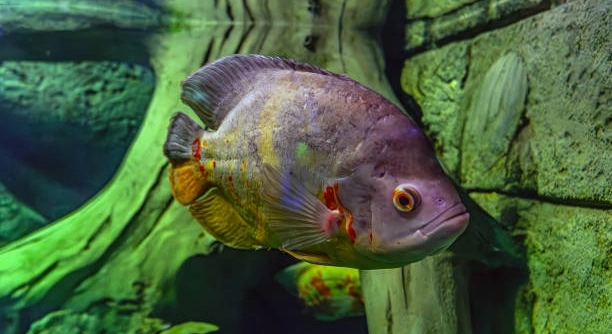
Oscar fish are known for their hearty appetite, but sometimes they refuse to eat pellets. This can be puzzling, especially when you’ve tried different types of food. Understanding why they do this is important for their health.
The main reason Oscar fish may refuse pellets is due to environmental stress or changes. Factors such as water quality, temperature, or tank mates can affect their eating habits. Additionally, they may simply prefer live or frozen foods over pellets.
Understanding these behaviors can help you address your Oscar fish’s needs and improve their eating habits.
Environmental Factors Impacting Eating Habits
Oscar fish can be very sensitive to their environment. Changes in water quality, temperature, and tank mates can all lead to a loss of appetite. For example, if the water is too cold or too warm, your Oscar may become stressed and refuse to eat. Water chemistry, such as pH and ammonia levels, can also play a significant role. If these factors are off, your fish may not feel comfortable enough to eat pellets, even if they are hungry.
In addition to water quality, tank mates can have an effect. Oscar fish are known for being territorial and may not feel secure enough to eat if there are other fish in the tank that they perceive as a threat.
To ensure your Oscar eats well, maintain a stable tank environment. Regularly monitor water conditions and temperature to keep them in the optimal range.
Diet Preferences and Behavior
Oscar fish are natural predators and have a strong preference for live or frozen foods over pellets. This is due to their hunting instincts, which make them more inclined to go after food that moves. They may find pellets less stimulating, especially if they are used to eating live foods like worms or smaller fish.
Offering a variety of food types, including live or frozen options, can help encourage your Oscar fish to eat. Consider mixing pellets with these other foods to gradually transition them to a more balanced diet.
Overfeeding or Undernourishing
Overfeeding your Oscar can lead to refusal of pellets. If your fish is consistently full from too much food, it may lose interest in pellets. On the other hand, underfeeding can also cause stress, making them less likely to eat. Finding a balance is key.
Oscar fish should be fed a consistent amount to avoid overfeeding. Offer food only once or twice a day, and only as much as they can eat in a few minutes. If they don’t finish within that time, remove the uneaten pellets. This helps establish a healthy routine and encourages eating habits.
Underfeeding can also cause issues. If your Oscar is not getting enough nutrients, it may refuse food out of hunger stress. Ensure that the amount of food you provide is appropriate for their size and age. You can adjust portions by observing their eating habits, making sure they are neither overeating nor underfed.
Tank Size and Space
The size of your Oscar’s tank can impact its eating habits. If your fish feels cramped or stressed in a tank that is too small, it might refuse to eat. A larger tank gives them space to feel comfortable and explore their environment.
Oscar fish need plenty of room to swim and establish their territory. A tank of at least 75 gallons is recommended for a single Oscar, and larger tanks are needed for multiple fish. A spacious tank helps reduce stress, encouraging your fish to eat more regularly.
A cramped tank may cause your Oscar to become defensive and less focused on food. Territorial stress can make them more aggressive or withdrawn, disrupting feeding behavior. Adding plants or decorations can also give them hiding spots, reducing stress and making them feel safer.
Water Temperature and Quality
Oscar fish are sensitive to temperature changes. If the water is too cold or too hot, they may stop eating. Maintaining a stable temperature between 74°F and 81°F is essential for their health and appetite. Fluctuations can stress them out and disrupt feeding.
Along with temperature, water quality is just as important. High levels of ammonia, nitrites, or nitrates can lead to stress and poor eating habits. Regularly checking water parameters and performing water changes can help maintain a healthy environment. Clean water encourages healthy fish and supports their feeding behavior.
Tank Mates and Aggression
Oscar fish are known for their aggressive behavior, especially towards smaller fish. If your Oscar feels threatened by tank mates, it might stop eating. Territorial disputes and aggression can lead to stress, causing the fish to lose interest in food.
Ensure that the other fish in the tank are compatible with your Oscar. If aggression is high, consider separating aggressive tank mates or providing hiding spots to reduce tension. This can make your Oscar feel more secure and encourage better feeding habits.
Illness or Injury
Health problems can also cause a loss of appetite. If your Oscar is sick or injured, it may not want to eat pellets. Common issues include parasites, infections, or swim bladder problems. If the fish is lethargic or showing unusual behavior, it’s important to take action.
Visit an aquarium veterinarian to check for underlying health issues. Treating any illnesses promptly can help restore your Oscar’s appetite. Keep the water quality high to prevent further health complications. Maintaining a proper diet can also help boost their immune system and overall well-being.
FAQ
Why isn’t my Oscar fish eating pellets?
Oscar fish may refuse pellets due to several reasons. They can be picky eaters, preferring live or frozen foods over pellets. Stress from changes in water quality, temperature, or tank mates can also reduce their appetite. If your fish feels threatened or uncomfortable, it may avoid eating. It’s important to check the water quality, tank size, and make sure there’s no aggression in the tank. Overfeeding or underfeeding can also cause appetite issues, so be sure to maintain a balanced feeding routine.
How can I get my Oscar fish to eat pellets again?
To get your Oscar fish to eat pellets again, try mixing pellets with live or frozen food. This can encourage your fish to get used to the taste and texture of pellets. Gradually reduce the amount of live food as your Oscar starts eating pellets. Also, make sure the water conditions are optimal and there are no stress factors in the tank. If necessary, use a feeding stick to encourage your fish to eat the pellets.
Can Oscar fish eat too many pellets?
Yes, Oscar fish can overeat if you’re not careful. Overfeeding can lead to obesity and water quality issues, as uneaten pellets will decompose and affect the tank. Always provide only as much food as your Oscar can eat in a few minutes. This will help maintain a healthy weight and prevent uneaten food from harming the tank’s environment.
How do I know if my Oscar fish is not eating because it’s sick?
If your Oscar fish stops eating, it might be a sign of illness. Look for other symptoms like lethargy, abnormal swimming, bloating, or discoloration. If your Oscar has any of these signs, it could have an infection, parasite, or other health issues. Testing the water quality and ensuring it’s within the correct parameters can also help rule out environmental factors. If you’re concerned, it’s best to consult a vet for diagnosis and treatment.
What is the best food for my Oscar fish?
Oscar fish thrive on a varied diet. While pellets are a convenient choice, they also enjoy live or frozen foods like worms, shrimp, and small fish. Offering a mix of high-quality pellets, frozen foods, and occasional live food will ensure your fish gets all the necessary nutrients. Also, occasionally providing vegetables like peas can help with digestion and improve overall health.
Can I feed my Oscar fish feeder fish?
Feeder fish can be offered as an occasional treat but shouldn’t be a regular part of their diet. Live feeder fish can introduce parasites or diseases to your Oscar. It’s best to quarantine feeder fish before introducing them to your tank to ensure they’re free of illness. Always ensure that the feeder fish are an appropriate size for your Oscar to avoid choking or injury.
How often should I feed my Oscar fish?
Oscar fish should be fed once or twice a day, with only as much food as they can eat in a few minutes. Overfeeding can lead to water quality issues, so be sure to remove any uneaten food promptly. Younger Oscars may need more frequent feedings, while adults can typically be fed once a day.
Why is my Oscar fish ignoring its food?
If your Oscar fish is ignoring its food, there could be several causes. Stress, water quality issues, or a recent change in their environment can lead to a loss of appetite. Additionally, if your fish is not feeling well, it may not want to eat. Check the water parameters, remove any potential stressors, and ensure your fish is in a comfortable and secure environment.
How long can an Oscar fish go without eating?
An Oscar fish can typically go without food for several days, but it is not ideal for their health. If your fish has been refusing food for an extended period, it’s important to investigate potential causes, such as water quality issues, tank mates, or health problems. Oscars are hearty eaters and should resume feeding once their environment is stabilized.
Can Oscar fish eat only pellets?
While Oscar fish can survive on pellets alone, it’s not the most optimal diet for them. Oscars are omnivores and require a varied diet to stay healthy. Pellets are convenient but should be supplemented with live or frozen foods to provide a broader range of nutrients. A varied diet will mimic their natural feeding habits and promote better health.
Why does my Oscar fish eat pellets but spit them out?
If your Oscar fish eats pellets but spits them out, it could be due to the texture or size of the pellets. Some Oscars prefer softer foods, so soaking the pellets in water before feeding can help. Also, check the size of the pellets – too large or too small may cause issues. It might take some time for your Oscar to adjust to different types of food.
How can I tell if my Oscar is eating enough?
To tell if your Oscar is eating enough, observe their body condition. A healthy Oscar will have a round, firm body without signs of ribcage showing. If your fish is growing steadily, it’s likely eating enough. If your Oscar seems thin or lethargic, consider adjusting the feeding routine and checking for health issues.
Final Thoughts
If your Oscar fish is refusing to eat pellets, there are several factors that could be contributing to the issue. It could be a simple preference for live or frozen food, or it might be due to stress caused by water quality or tank conditions. Oscars can be sensitive to changes in their environment, and even minor shifts in water temperature, tank mates, or feeding routines can affect their appetite. Ensuring a stable environment with the right water parameters is crucial for encouraging your fish to eat regularly. Sometimes, mixing pellets with foods your Oscar already enjoys, such as worms or shrimp, can help ease the transition.
Health problems can also play a major role in a loss of appetite. If your Oscar is sick or injured, it may refuse to eat. Look out for signs such as lethargy, abnormal swimming behavior, or changes in the appearance of your fish. In these cases, it’s important to take action quickly and seek professional help if necessary. A veterinarian experienced with aquarium fish can provide guidance on how to treat any potential illnesses. Additionally, you should always check the water quality, as poor conditions can lead to a lack of appetite. Regular water changes and monitoring the ammonia, nitrate, and nitrite levels are essential steps in maintaining your Oscar’s health.
In conclusion, getting your Oscar fish back on track to eating pellets may take some patience and adjustments. Ensuring that the tank environment is stable and free from stress is the first step in resolving feeding issues. A balanced diet of pellets, live foods, and occasional treats will ensure that your Oscar remains healthy and active. If problems persist, seek professional advice to rule out health concerns. With the right approach, your Oscar will soon return to its regular feeding routine and continue to thrive in its tank.

Hello,
If you enjoy the content that we create, please consider saying a "Thank You!" by leaving a tip.
Every little bit helps us continue crafting quality advice that supports the health, happiness, and well-being of pets around the world, for pets of all shapes, sizes, and species.
We really appreciate the kindness and support that you show us!