
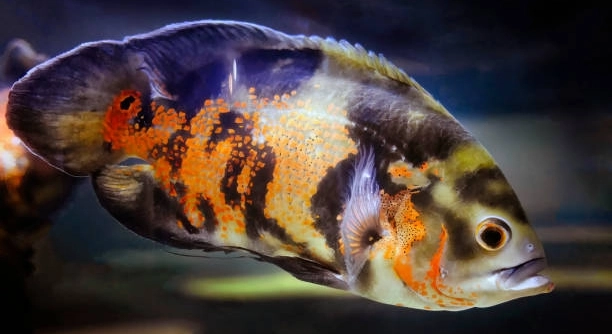
Oscar fish are known for their bold and active behavior, but if they are chasing other fish in your tank, it can be concerning. Understanding their behavior can help you address the situation effectively and maintain a balanced aquarium.
Oscar fish often chase others due to territorial instincts, mating behaviors, or aggression. These fish are naturally territorial and may act aggressively towards others, especially when they feel their space is being invaded or during breeding periods.
Recognizing the underlying causes will help manage your Oscar fish’s behavior and maintain a peaceful tank environment.
Why Is My Oscar Fish Acting Aggressive?
Oscar fish can show aggression for various reasons. Most commonly, it is due to their territorial nature. They are known to be dominant fish, especially in confined spaces. If your tank is too small or overcrowded, this could trigger aggressive behavior. This type of behavior is often seen when an Oscar is attempting to establish dominance over other fish. Additionally, these fish may become more aggressive during breeding season. When they feel the need to protect their eggs or territory, they can chase other fish away to create a safer environment.
Oscar fish are also known to act out of stress or fear. If they are in an environment that doesn’t meet their needs, such as improper water conditions or a lack of hiding spots, they may lash out. It’s essential to keep their tank clean and ensure the water quality is optimal to avoid these stress-related behaviors.
Making sure your Oscar has enough space and the right environment will reduce the chances of aggression. Avoid keeping small or non-aggressive fish with Oscars, as they might become targets for bullying.
Managing Oscar Fish Behavior
Proper care and tank setup are crucial in preventing aggressive behavior. When introducing new fish to the tank, ensure that the Oscar has plenty of space. Aggression can increase in cramped environments, as the fish feel threatened by the presence of others.
You can also try adding hiding spots like plants, rocks, and decorations to your tank. These provide the Oscar with a sense of security. It’s also recommended to monitor the water conditions carefully, as changes in temperature, pH, or ammonia levels can cause stress, leading to aggression. By maintaining optimal conditions, you can help reduce their aggressive tendencies.
Remember that Oscars are social but territorial. Understanding their natural instincts and providing the right environment will go a long way in ensuring a peaceful tank.
Territorial Behavior in Oscar Fish
Oscar fish are known for being territorial, especially when they are given a limited space in the tank. They naturally defend areas they consider their own. This can lead to aggressive behavior if another fish enters their space. Territorial disputes can also arise if there are other fish with similar sizes or patterns, which the Oscar may see as competition.
Providing enough space is crucial to preventing territorial aggression. When setting up your tank, ensure the Oscar has room to establish its own territory. A larger tank with plenty of hiding spots will help reduce the chances of aggressive encounters. Oscars can also become more territorial during breeding seasons, making space even more important during these times.
If you find that your Oscar’s territorial behavior is still problematic, rearrange the tank. Changing the layout can confuse the fish and disrupt its claim over the space. It’s an easy way to help minimize territorial aggression without adding new fish.
Breeding Behavior and Aggression
Oscar fish may also show aggression when they are breeding. During this time, they become highly protective of their eggs and may chase other fish to keep them away. This is a natural instinct that helps ensure their offspring are safe. If you have more than one Oscar, aggression can increase during the breeding season as they try to establish dominance over each other.
Breeding behavior can be intense, and your Oscar may even become more aggressive towards its tank mates. It’s important to keep this in mind if you plan on breeding your fish. You can reduce aggression during breeding by separating the fish temporarily or creating more hiding spaces to allow other fish to stay out of sight. The more space you provide, the less likely it is that the Oscar will feel threatened.
Keep in mind that this aggression usually subsides after the eggs hatch. Once the breeding season is over, the fish often return to their normal behavior, but you may need to rearrange the tank to avoid future territorial conflicts.
Tank Size and Aggression
A small tank often leads to increased aggression. When Oscars don’t have enough space, they feel confined and threatened, which can trigger territorial disputes. Inadequate space can also prevent them from avoiding other fish, leading to more aggressive behaviors.
For a peaceful environment, ensure your Oscar has ample space to swim freely. A minimum tank size of 75 gallons is recommended for one Oscar, and larger tanks are even better for multiple fish. This space allows the Oscar to establish its territory and reduces the stress that can lead to aggression.
Tank Mates and Compatibility
Choosing the right tank mates is essential. Oscars can be aggressive towards smaller, more peaceful fish. This can result in chasing, bullying, or even the death of smaller tank mates. It’s best to avoid placing Oscars with species that can’t defend themselves.
Look for larger, more robust fish that can hold their own and aren’t easily intimidated. Fish like catfish or other large cichlids work well with Oscars, as they tend to be less aggressive. Always observe how the fish interact when introducing new tank mates to avoid unnecessary conflict.
Stress and Water Quality
Poor water conditions can make Oscars stressed, and stress can lead to aggression. They are sensitive to changes in water temperature, pH, and ammonia levels. When water quality is poor, your Oscar may become more territorial and reactive toward other fish.
Regular water changes and careful monitoring of water parameters will help keep your Oscar comfortable and less likely to act aggressively. Keeping a stable, clean environment is key to maintaining your fish’s health and peaceful behavior. Adding a good filtration system can also ensure water stays clean and clear.
FAQ
Why is my Oscar fish chasing its tank mates?
Oscar fish are naturally territorial and may chase other fish to establish dominance. This behavior is particularly common when they feel their space is being invaded. Oscars may also chase smaller fish out of curiosity, aggression, or to protect their territory. Additionally, this behavior can be heightened during the breeding season when Oscars become highly protective of their eggs and their mating area.
How can I stop my Oscar fish from chasing other fish?
The key to reducing chasing behavior is providing enough space. Oscars need room to swim and establish their own territory. A larger tank with hiding spots and decorations can give your fish the feeling of security. If the aggression persists, you might consider separating the aggressive Oscar or rearranging the tank to disrupt territorial claims.
Can Oscar fish live with other fish?
Oscar fish can live with other fish, but compatibility depends on the other species. It’s best to house Oscars with larger, similarly sized fish that are not easily intimidated. Avoid keeping Oscars with small or peaceful species, as they are likely to become targets of aggression. Fish like catfish or other cichlids tend to do well with Oscars.
Do Oscars get more aggressive as they grow?
Yes, Oscars can become more aggressive as they grow, especially when they reach sexual maturity. Larger Oscars are more confident in defending their territory, which can lead to increased aggression towards other fish. In some cases, the aggression can become a constant issue if not addressed with the right tank setup.
How often should I feed my Oscar to prevent aggression?
Feeding your Oscar the right amount can help prevent aggression. Overfeeding can lead to water quality issues, which in turn can cause stress and aggression. It’s best to feed your Oscar once or twice a day, offering only as much food as it can consume in a few minutes. A proper feeding routine will also help maintain their health and reduce stress.
Is aggression always related to breeding?
While aggression often increases during breeding, it’s not the only cause. Oscar fish are naturally territorial, and they may display aggressive behavior year-round, especially in smaller or overcrowded tanks. However, during breeding, their territorial instincts are heightened, and they may act more aggressively to protect their eggs and young.
Can I reduce aggression by adding more Oscars to the tank?
Adding more Oscars to the tank might reduce aggression in some cases, but it’s not guaranteed. Oscars are territorial and may compete for space, leading to more aggression instead of less. It’s important to ensure there is enough space in the tank for multiple Oscars and to monitor their behavior closely.
Do Oscars need a special tank setup to reduce aggression?
Yes, Oscars benefit from a tank setup that provides enough space, hiding spots, and decorations. A well-arranged tank with plants, rocks, and other hiding spots can reduce stress and provide each fish with a sense of security. The more space and stimulation you provide, the less likely it is that aggression will become a constant issue.
How can I tell if my Oscar is stressed or just being territorial?
Stressed Oscars may exhibit signs like erratic swimming, hiding, or rubbing against tank decorations. If your Oscar is constantly chasing other fish or becomes aggressive without any clear territorial cause, it may be stressed. Poor water quality, temperature fluctuations, or overcrowding are common stressors for Oscars. A territorial Oscar, however, will usually exhibit aggression when other fish enter a specific area of the tank.
Can Oscar fish live alone, or do they need tank mates?
Oscar fish can live alone, especially if they are the only fish in the tank. They are solitary in the wild and do not require the company of other fish. However, if you prefer to have tank mates, it’s essential to choose species that are large enough to coexist with the Oscar without being bullied. An Oscar can live happily in a tank by itself if it has enough space and stimulation.
What is the best tank size for an Oscar fish?
The minimum tank size for one Oscar fish is 75 gallons. This gives the fish enough space to swim freely and establish its territory. If you plan to keep more than one Oscar, a 100-gallon tank or larger is recommended to avoid territorial disputes. A larger tank also allows for better water quality management.
How do I handle an Oscar that attacks its own reflection?
Oscar fish may become aggressive towards their own reflection, especially if they feel threatened or territorial. This behavior is often seen when the Oscar sees its reflection in the glass. To prevent this, reduce the frequency of tank cleaning, and consider adding background decorations to obscure the glass and block reflections.
Can water quality cause Oscar fish to act aggressively?
Yes, poor water quality can cause stress and lead to aggression in Oscar fish. Water temperature, pH levels, and ammonia levels should be closely monitored. A sudden change in water conditions can make an Oscar feel threatened, prompting it to become more territorial or aggressive. Regular water changes and filtration are essential for keeping your Oscar healthy and calm.
What should I do if my Oscar keeps attacking other fish?
If your Oscar is persistently attacking other fish, it may be time to rearrange the tank. Changing the layout can disrupt territorial claims and reduce aggression. If the behavior continues, consider removing the aggressive Oscar or providing it with more space. Avoid adding smaller, peaceful fish that can’t defend themselves.
Why is my Oscar constantly hiding?
Hiding could be a sign of stress or illness. If an Oscar is constantly hiding, check the water quality and ensure that the tank is not overcrowded. A sudden change in its environment can cause stress. If the hiding behavior persists, consider observing the Oscar for other signs of illness, such as lethargy or abnormal swimming.
Final Thoughts
Understanding why your Oscar fish is chasing other fish is essential for creating a peaceful tank environment. Oscars are territorial by nature, and aggression is often a part of their behavior, especially in smaller or overcrowded tanks. Ensuring that your Oscar has enough space, proper tank mates, and a well-maintained environment will significantly reduce aggressive tendencies. It’s important to closely monitor the interactions between your Oscar and its tank mates, as early intervention can prevent conflicts that could harm other fish or stress your Oscar.
While aggression is a common issue for Oscar owners, it’s often manageable with the right approach. Providing a large tank with hiding spots and plenty of room to swim will give your Oscar the space it needs to establish its territory. Introducing the right tank mates is equally important, as Oscars tend to get along best with other large, robust fish. Ensuring good water quality and a consistent feeding routine will also help reduce stress and, in turn, aggression. Remember that regular tank maintenance, such as water changes and filtration, plays a significant role in maintaining a peaceful environment for all your fish.
In the end, understanding your Oscar’s behavior and making necessary adjustments to its tank setup can prevent aggression and create a more harmonious environment. It’s crucial to remain observant and take proactive steps if aggression becomes a problem. By offering your Oscar the right space, environment, and care, you can reduce territorial behaviors and help your fish thrive. With proper attention and a suitable tank setup, your Oscar fish can live happily alongside other fish without constant chasing or aggression.

Hello,
If you enjoy the content that we create, please consider saying a "Thank You!" by leaving a tip.
Every little bit helps us continue crafting quality advice that supports the health, happiness, and well-being of pets around the world, for pets of all shapes, sizes, and species.
We really appreciate the kindness and support that you show us!