
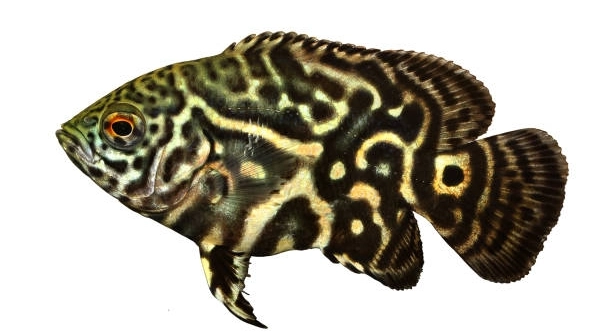
Oscar fish are fascinating creatures known for their playful nature and strong personalities. Ensuring their happiness involves providing the right environment and care. This article will highlight key factors that contribute to their well-being.
To keep Oscar fish happy, it is essential to provide a suitable tank environment, maintain proper water conditions, and offer a balanced diet. Social interaction, appropriate tank mates, and regular cleaning also play crucial roles in enhancing their happiness.
With the right care, your Oscar fish can thrive and showcase their natural behavior. Understanding their needs can help create a fulfilling and vibrant aquatic environment.
The Right Tank Size for Your Oscar Fish
Oscar fish grow large and require plenty of space to swim. A 75-gallon tank is the minimum recommended size to ensure they have room to thrive. Keeping them in a tank that is too small can lead to stress, territorial aggression, and health issues. It’s important to also provide a strong filtration system to handle the waste produced by such a large fish. Without adequate space and filtration, your Oscar fish’s well-being will be compromised.
If you are keeping more than one Oscar, consider a larger tank. Oscar fish are territorial and may become aggressive toward each other in cramped conditions. Ensure there are plenty of hiding spots and structures within the tank to break up sightlines. This will help reduce stress and prevent fighting.
The tank size affects more than just their physical space. It impacts water quality, oxygen levels, and overall fish health. A properly sized tank allows for easier maintenance and promotes a stable, healthy environment for your Oscar fish to grow and feel secure.
Water Conditions and Temperature
Maintaining the right water parameters is essential. Oscar fish thrive in water temperatures between 74°F and 81°F. They also prefer slightly acidic to neutral pH levels.
Regular water changes are vital to maintain water quality. Poor water conditions can lead to stress, weakening your fish’s immune system and increasing the risk of diseases.
Tank Mates for Oscar Fish
Oscar fish are known for their territorial nature. While they can coexist with some fish, it’s crucial to choose tank mates that can handle their aggressive behavior. Avoid small or timid fish, as they may become targets.
Larger, robust fish such as silver dollars, catfish, and large cichlids are often ideal tank mates for Oscars. They can hold their own against an Oscar’s aggression and prevent unnecessary stress. It’s also important to introduce tank mates gradually to avoid conflict. Always observe interactions to ensure peace is maintained.
Oscar fish tend to be aggressive, especially during feeding times. It’s essential to provide hiding spots and places for tank mates to escape if needed. Regular monitoring of their behavior will ensure that no fish is constantly harassed or stressed, creating a peaceful environment for all inhabitants.
Proper Feeding Habits
Oscar fish are carnivorous and thrive on a diet rich in protein. Offer a variety of foods like pellets, live or frozen worms, shrimp, and fish fillets to meet their nutritional needs.
While Oscar fish are often not picky eaters, overfeeding can lead to water quality issues and health problems. Feed them only what they can consume in a few minutes, 1-2 times per day. A varied diet is key to their happiness, but balance is necessary to avoid overfeeding.
Tank Decor and Hiding Spots
Oscar fish need places to hide, especially when they feel threatened or stressed. Incorporate rocks, caves, and plants into their tank. These additions will make them feel secure and reduce territorial aggression.
Opt for sturdy decorations that won’t easily move or get damaged. Oscars are strong and may rearrange or destroy delicate pieces. Always ensure the decor doesn’t leave sharp edges that could injure them. A well-decorated tank can mimic their natural environment, providing both physical and psychological comfort.
Regular Tank Maintenance
Oscar fish require consistent tank maintenance to stay healthy. Regular water changes help maintain water quality and prevent harmful buildups of waste.
Clean the filter regularly, as it’s crucial for keeping the tank’s ecosystem stable. A good rule of thumb is to change 25-30% of the water every week, especially in a tank with an Oscar. Keep track of water parameters and check for algae growth to ensure a thriving environment.
Social Interaction and Stimulation
Oscar fish are intelligent and can benefit from social interaction and stimulation. They enjoy observing their surroundings and can even recognize their owners over time.
Add objects that can engage their attention, such as floating toys or moving plants. Stimulating their minds helps keep them active and prevents boredom. It’s also crucial to ensure they feel comfortable enough to express natural behaviors.
FAQ
How often should I feed my Oscar fish?
Oscar fish should be fed once or twice a day, depending on their age and size. For adults, feed them once a day, offering enough food that they can consume within a few minutes. Overfeeding can lead to water quality issues and obesity. Ensure that food is varied to provide all necessary nutrients, including high-protein options like pellets, shrimp, and fish.
What is the best tank size for an Oscar fish?
The best tank size for an Oscar fish is at least 75 gallons. Oscars grow large and need space to swim and explore. A smaller tank can cause stress and lead to aggression. If you plan on having multiple Oscars or other tank mates, a larger tank, such as 100 gallons or more, is ideal to avoid territorial issues.
Can Oscar fish live with other species?
Yes, Oscar fish can live with other species, but it’s important to choose compatible tank mates. Opt for larger, robust fish that can handle the Oscar’s sometimes aggressive nature. Suitable options include silver dollars, catfish, and larger cichlids. Avoid small or slow-moving fish, as they may become prey.
What should I do if my Oscar fish is showing aggression?
Aggression is normal for Oscar fish, especially in small tanks or during feeding. If the aggression is extreme, try rearranging the tank’s decor to disrupt territorial behavior. Adding more hiding spots and tank mates that can hold their ground may help diffuse aggression. Ensure that the tank is large enough for them to establish their own territories.
How do I know if my Oscar fish is stressed?
Signs of stress in Oscar fish include changes in behavior, such as hiding more often, not eating, or darting around the tank. Stress can also cause color fading, rapid gill movement, and erratic swimming. Poor water quality, a small tank, and aggressive tank mates can all be stress factors.
What is the best water temperature for an Oscar fish?
Oscar fish thrive in water temperatures between 74°F and 81°F. A consistent temperature within this range helps maintain their health. Use a reliable aquarium heater to regulate the temperature and avoid sudden fluctuations, as this can cause stress and weaken their immune system.
Can Oscar fish be kept in a tank with plants?
Oscar fish can live with plants, but they may uproot or destroy delicate ones due to their active nature. Hardy plants like java ferns, anubias, and elodea can withstand Oscar fish’s movements better than more fragile species. Plant placement should also allow Oscars plenty of open swimming space.
What type of food is best for an Oscar fish?
Oscar fish are carnivores, and their diet should primarily consist of protein-rich foods. High-quality pellets, live or frozen shrimp, worms, and fish fillets are excellent choices. Occasionally offering them small amounts of vegetables can also provide some variety, though protein should remain the main focus of their diet.
Why is my Oscar fish not eating?
If your Oscar fish stops eating, several factors could be at play. It may be stressed due to poor water conditions, aggression from tank mates, or environmental changes. Ensure the water parameters are optimal and that there are no signs of illness. If the issue persists, consider consulting a vet or aquarium expert.
How can I tell if my Oscar fish is healthy?
A healthy Oscar fish will have bright colors, swim actively, and eat regularly. Look for clear eyes, smooth scales, and normal gill movement. Healthy Oscars also exhibit natural behavior, such as exploring the tank and interacting with their environment. Changes in behavior, eating habits, or physical appearance can indicate a health issue.
Final Thoughts
Oscar fish are rewarding pets, known for their vibrant personalities and unique behaviors. They thrive in large, well-maintained tanks with the right water conditions, plenty of space, and proper feeding habits. When properly cared for, Oscars can live a long and healthy life, providing their owners with years of enjoyment. Understanding their needs and making adjustments to their environment can significantly enhance their quality of life.
While Oscar fish can be relatively easy to care for, they require a commitment to tank maintenance, water changes, and attention to their feeding habits. Their aggressive nature can be managed with the right tank mates and environment. It’s essential to provide a suitable living space, especially as they grow, and to be prepared for their large size. Keeping an Oscar fish is not just about feeding and cleaning; it’s about creating a balanced, stress-free environment for them to flourish.
Ensuring your Oscar fish remains happy and healthy requires regular monitoring of water quality, tank size, and interactions with other fish. By understanding their behavior, preferences, and dietary needs, you can create an environment where your Oscar thrives. Keeping these factors in mind will help prevent common issues and allow your fish to live a fulfilling, active life. Taking the time to understand your Oscar’s needs ensures a happy, thriving fish in your care.

Hello,
If you enjoy the content that we create, please consider saying a "Thank You!" by leaving a tip.
Every little bit helps us continue crafting quality advice that supports the health, happiness, and well-being of pets around the world, for pets of all shapes, sizes, and species.
We really appreciate the kindness and support that you show us!