
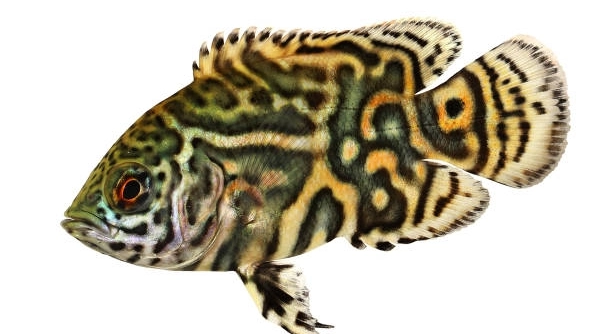
Oscar fish are known for their vibrant personalities, but when they start hiding, it can be concerning. Understanding why this happens is key to addressing the issue and ensuring their well-being.
The primary reason your Oscar fish may be hiding is stress, often triggered by changes in their environment, inadequate tank conditions, or conflicts with other tank mates. These factors can make them seek refuge in hiding spots.
Several factors can influence your Oscar fish’s behavior. Identifying and addressing these will help you better care for your fish and create a more comfortable environment for them.
Stress from Environmental Changes
Oscar fish are highly sensitive to changes in their environment. Even small adjustments, like water temperature fluctuations or changes in tank decoration, can cause stress. They may hide to feel more secure, as a reaction to feeling threatened or unsettled. This behavior can also happen after a move to a new tank or after introducing new fish. Oscars often seek out secluded spots when they feel stressed, making it essential to keep their environment stable.
Maintaining consistent water parameters is crucial to prevent this behavior. If the water temperature or pH level shifts too drastically, it could result in stress. Oscars thrive in stable environments and feel more comfortable when their conditions remain constant. Monitoring the water quality regularly helps avoid the stress that leads to hiding.
Creating a calm and predictable environment for your Oscar fish helps reduce stress. This includes maintaining clean water, avoiding sudden changes, and making sure their tank mates are compatible. By doing so, you create a more comfortable and secure space for your Oscar to thrive.
Tank Size and Space Issues
Space is another critical factor in why Oscar fish may seek shelter. If your Oscar fish doesn’t have enough room to swim, they can become stressed. A tank that’s too small can make them feel trapped, prompting them to hide. Oscars require a spacious environment to feel secure, especially as they grow.
The minimum recommended tank size for an adult Oscar is 55 gallons, with even larger tanks being ideal. If the fish feels confined, it may look for places to hide in an attempt to avoid the discomfort caused by overcrowding. Providing a bigger tank ensures your Oscar has enough room to swim freely and stay healthy.
Overcrowding can also lead to territorial disputes. Oscar fish may hide as a way of avoiding conflict with other tank mates. In these cases, it’s essential to assess tank conditions, consider tank mates, and determine whether more space is needed.
Poor Tank Conditions
Oscar fish are sensitive to water quality. Poor water conditions can cause stress, leading to hiding. Ammonia, nitrites, or high nitrate levels can irritate their skin and gills, making them uncomfortable. It’s essential to maintain proper filtration and perform regular water changes to keep the water clean and safe.
Maintaining good water quality requires consistent monitoring of pH, temperature, and hardness. Regular water changes, combined with a quality filter, can significantly reduce harmful toxins that affect your Oscar’s health. Ensure the water temperature stays within the ideal range for Oscars, which is between 75°F and 81°F.
Filtration should be adequate for the size of your tank. Overcrowded tanks or insufficient filtration can cause a buildup of waste, making the water unsafe. Oscars are also prone to skin infections if exposed to dirty water. By keeping their environment clean, you’ll reduce the stress that can cause them to hide.
Aggressive Tank Mates
Oscar fish are territorial and may hide to avoid conflict with aggressive tank mates. Even peaceful fish can trigger aggression in an Oscar, leading to fights or stress. In cases where other fish are too aggressive or too large, an Oscar might retreat to a hiding spot to escape.
Selecting compatible tank mates for your Oscar fish is key to preventing aggression. It’s best to choose other large, peaceful fish that won’t threaten your Oscar. Avoid housing them with smaller fish that might provoke them or become prey. Oscars do best in a low-stress environment.
If your Oscar is consistently hiding, it may be a sign that the other fish in the tank are stressing it out. In such cases, removing aggressive or incompatible tank mates can help restore peace and encourage your Oscar to feel secure enough to swim freely.
Health Problems
Oscar fish may hide if they are not feeling well. Illnesses such as parasites, infections, or swim bladder problems can cause discomfort, prompting them to retreat to secluded spots. Observing changes in their behavior, like loss of appetite or lethargy, can help identify health issues early.
A sick Oscar may also display signs such as clamped fins, abnormal swimming, or discoloration. If these symptoms appear, it’s crucial to quarantine the fish and treat it promptly. Providing a stable environment and proper nutrition helps prevent many common health issues that lead to hiding behavior.
Feeding Issues
Oscar fish may hide if they are not getting enough food. They can also become anxious if they are not fed regularly or are stressed by competition for food in the tank. A lack of food may cause them to seek shelter, avoiding interaction with other fish.
Feeding Oscar fish a balanced diet of high-quality pellets, live foods, or frozen options can help keep them healthy and satisfied. If other fish in the tank are competing for food, it may result in stress and hiding. Ensure every fish gets enough food to prevent this behavior.
Poor Lighting
Oscar fish tend to hide when the lighting in their tank is too bright or too dim. Overly bright lights can make them feel exposed and stressed, while insufficient light can disrupt their natural day-night cycle, leading to hiding. Proper lighting is essential for their well-being.
FAQ
Why is my Oscar fish hiding all the time?
Oscars are naturally curious and active, but if they are hiding often, it may be due to stress. Stress can be caused by various factors, such as sudden changes in their environment, poor water quality, aggressive tank mates, or even health problems. If you notice your Oscar hiding more than usual, it’s important to check the water conditions, ensure the tank is large enough, and confirm that their tank mates are compatible. Additionally, monitor for signs of illness, like loss of appetite or abnormal swimming behavior.
How do I reduce stress in my Oscar fish?
To reduce stress, ensure the water quality is optimal. Regular water changes and a good filtration system help maintain clean water, which is crucial for their health. Keep the tank at a stable temperature and avoid drastic changes. You should also avoid overcrowding and provide hiding spots to help them feel secure. If tank mates are causing stress, consider removing them or adding larger, more peaceful fish to the tank. Additionally, a consistent feeding schedule will help your Oscar feel more comfortable.
Can Oscars live with other fish?
Yes, Oscars can live with other fish, but only if they are the right size and temperament. They are aggressive by nature and may attack smaller or weaker fish. The best tank mates for an Oscar are large, robust fish that can hold their own, such as large cichlids or catfish. Avoid small, delicate species that may become prey. It’s important to ensure the tank is large enough to accommodate multiple fish without overcrowding, which can lead to stress and hiding.
How often should I feed my Oscar fish?
Oscars should be fed once or twice a day. The amount of food should be enough for them to eat in about 3 to 5 minutes. Overfeeding can lead to poor water quality and health problems, while underfeeding can result in stress and weight loss. A varied diet of high-quality pellets, live foods, and occasional frozen or freeze-dried options will help maintain a balanced diet. Ensure the food is the right size for their mouth to avoid choking or digestive issues.
What is the ideal tank size for an Oscar fish?
The minimum tank size for an adult Oscar is 55 gallons, but larger tanks are recommended as they grow. Oscars can reach up to 14-18 inches in length, so they need ample space to swim freely. A larger tank also helps reduce territorial behavior and stress, which can lead to hiding. Providing sufficient space allows your Oscar to thrive and feel secure in their environment. A 75-gallon tank or larger is ideal if you plan to keep more than one Oscar or additional tank mates.
How can I tell if my Oscar fish is sick?
Signs of illness in Oscar fish include a lack of appetite, clamped fins, abnormal swimming patterns, and changes in color or appearance, such as faded or darkened skin. If your Oscar starts hiding more than usual and shows any of these symptoms, it could be a sign of an underlying health issue, such as a bacterial or fungal infection, parasites, or swim bladder disorder. If you suspect your Oscar is sick, quarantine them and consult a vet who specializes in fish.
What type of water should I keep my Oscar fish in?
Oscar fish prefer slightly acidic to neutral water, with a pH between 6.5 and 7.5. They thrive in warm water, typically between 75°F and 81°F. The hardness of the water should be moderate, around 10-18 dGH. Maintaining stable water conditions is crucial for their health. Regular water changes, proper filtration, and testing water parameters regularly will ensure your Oscar remains comfortable and stress-free.
Do Oscars like to hide?
Oscar fish do seek hiding spots, especially when they feel stressed or unwell. While they are not naturally shy, they may hide if the tank is too bright, if there are aggressive tank mates, or if they are feeling ill. Providing caves, plants, or other hiding places can help your Oscar feel secure. However, excessive hiding may be a sign of stress or poor water conditions, and it’s essential to address the underlying cause to ensure your Oscar stays healthy.
How do I know if my Oscar fish is happy?
A happy Oscar will swim actively, interact with its environment, and have a healthy appetite. They should be curious, exploring the tank and engaging with tank mates without excessive hiding. Healthy Oscars are often quite bold and will approach the surface when they are hungry. Observing their behavior closely can help you identify if they are happy or if something is wrong. Consistent eating, normal swimming, and an active response to their environment are good indicators of a healthy Oscar.
What should I do if my Oscar fish is hiding because of aggression?
If your Oscar is hiding due to aggression from other fish, it’s important to separate the aggressive tank mates. Oscars are territorial and can become aggressive toward smaller or weaker fish. Consider moving the aggressive fish to a different tank or adding larger, more peaceful fish. Additionally, providing plenty of hiding places and ensuring the tank is large enough can help reduce stress and minimize aggression. If aggression continues, it may be best to keep Oscars in a species-only tank.
Can Oscars survive without a filter?
While Oscars can technically survive without a filter, it is not recommended. Oscars produce a lot of waste, which can quickly degrade water quality. Without proper filtration, harmful toxins like ammonia and nitrites can build up, leading to stress and health issues. A good filtration system helps maintain clean water, removing waste and toxins. It also provides oxygenated water, which is vital for your Oscar’s health. Regular water changes and a reliable filter are essential for keeping your Oscar fish healthy and stress-free.
Final Thoughts
Oscar fish are fascinating creatures, but their tendency to hide can be a cause for concern. Understanding the reasons behind this behavior is essential for addressing the underlying issues and ensuring their well-being. Whether it’s stress, poor water conditions, or health problems, each factor plays a role in how an Oscar interacts with its environment. Observing your Oscar closely and addressing any signs of distress early can help prevent more serious issues later on. With proper care, an Oscar can be a bold, active addition to your tank.
To create the ideal environment for your Oscar, focus on maintaining stable water conditions, providing enough space, and ensuring their tank mates are compatible. The right tank setup will encourage your Oscar to feel secure and reduce the likelihood of hiding. Remember that Oscars are naturally curious and active fish, so when they do retreat into hiding, it’s often a sign that something is wrong. By making necessary adjustments, you can help them return to their normal, playful behavior.
While Oscars can sometimes be challenging to care for, they are resilient and adaptable when given the right environment. Regular water testing, good filtration, and appropriate tank mates are key to keeping your Oscar healthy and happy. With the proper care and attention, you can minimize hiding and help your Oscar live a long, healthy life in your aquarium.

Hello,
If you enjoy the content that we create, please consider saying a "Thank You!" by leaving a tip.
Every little bit helps us continue crafting quality advice that supports the health, happiness, and well-being of pets around the world, for pets of all shapes, sizes, and species.
We really appreciate the kindness and support that you show us!