
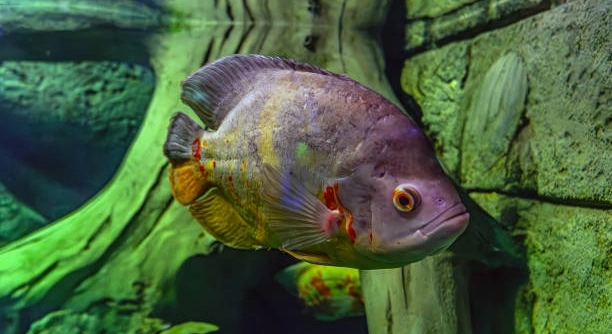
Oscar fish are known for their vibrant colors and lively behavior, but ensuring their optimal health requires a stable and suitable water environment. Water parameters play a key role in their well-being. Knowing these is essential.
The ideal water parameters for Oscar fish include a temperature range of 74–81°F, a pH level of 6.5–7.5, a water hardness of 5–12 dGH, and an ammonia and nitrite level of 0 ppm. These factors ensure a thriving, healthy environment.
Understanding these key factors will help you provide the best conditions for your Oscar fish, leading to a happier and healthier life in your aquarium.
Water Temperature
Maintaining the correct water temperature is essential for the health of Oscar fish. These fish are native to warmer waters and thrive in a temperature range of 74–81°F (23–27°C). If the water is too cold, Oscars can become sluggish, prone to diseases, and may even die. On the other hand, water that is too hot can cause stress and lead to oxygen depletion, which harms their overall well-being. To ensure the water stays within this range, a reliable aquarium heater is recommended. Always check the temperature regularly with a thermometer.
A stable temperature is crucial for keeping your Oscar fish healthy. Consistent fluctuations in water temperature can cause stress and weaken their immune system.
The key to success is to use a high-quality aquarium heater. Ensure the heater is appropriate for the size of your tank and can maintain the desired temperature range consistently. Also, keep in mind that sudden changes in temperature, even by a few degrees, can be harmful. Always aim to provide a steady, warm environment for your fish.
pH Level
Maintaining a balanced pH level helps ensure your Oscar fish’s health.
Oscar fish do best in a pH range of 6.5–7.5. Keeping the pH within this range promotes healthy growth and behavior.
Oscars are quite sensitive to pH fluctuations. Low or high pH levels can stress them and weaken their immune system, making them more susceptible to illness. To maintain the correct pH, you can use a pH testing kit to monitor the water regularly. If necessary, adjust the pH using products designed for aquarium use.
Ammonia and Nitrite Levels
Maintaining ammonia and nitrite levels at zero is crucial for your Oscar fish’s health. High levels of either can quickly lead to stress, disease, or death.
Ammonia builds up from fish waste, uneaten food, and decaying plants. Similarly, nitrites are a byproduct of ammonia being processed by bacteria. Both compounds are toxic in high amounts. Regular water changes, along with proper filtration, can help manage these levels. A reliable filtration system with biological media ensures that the good bacteria needed to break down toxins are always present.
Testing water regularly for ammonia and nitrite levels is necessary. If either is detected, water changes should be performed immediately. In some cases, adding a water conditioner can help neutralize these toxins temporarily, but it’s essential to address the root cause.
Water Hardness
Oscar fish thrive in moderately hard water, with a range of 5–12 dGH. Too soft or too hard water can cause health problems.
Water hardness affects the fish’s ability to absorb minerals and maintain proper body function. Soft water lacks essential minerals, leading to weakness and poor growth. Hard water, on the other hand, can cause problems with osmoregulation and stress the fish.
To achieve the right hardness level, you can adjust the water using specific products designed for aquariums. Testing the hardness regularly with a reliable kit will ensure your water remains within the ideal range. Adjustments can be made gradually to avoid shocking your fish.
Filtration
A good filtration system is vital to maintaining water quality. It helps remove waste, excess food, and harmful substances like ammonia and nitrites.
Choose a filter rated for your tank size. Ensure it has both mechanical and biological filtration. Mechanical filtration removes visible debris, while biological filtration helps process harmful chemicals.
A filter should be cleaned regularly to maintain efficiency. Be sure not to over-clean it, as this can disrupt the beneficial bacteria. Also, check the filter’s flow rate to ensure it’s not too strong for your Oscar fish.
Tank Size
Oscar fish need plenty of space to thrive.
A minimum tank size of 55 gallons is required for one Oscar. As they grow, they need more space to swim and maintain their health.
A larger tank helps reduce the concentration of toxins and makes it easier to maintain stable water parameters. It also gives your Oscar fish room to exhibit natural behaviors, leading to better well-being.
Regular Water Changes
Frequent water changes keep your Oscar fish healthy.
Performing regular water changes helps reduce waste buildup and maintains water quality. Aim for changing 25-30% of the water every week.
Removing waste, excess food, and toxins regularly ensures that your fish live in a clean environment. Over time, this routine helps prevent water quality issues from developing.
FAQ
What is the ideal water temperature for Oscar fish?
Oscar fish prefer a water temperature between 74–81°F (23–27°C). Consistent temperature is key for their health. Temperatures outside this range can stress your fish, making them more prone to illness. A reliable aquarium heater helps maintain this range.
How do I keep the pH level stable for my Oscar fish?
The ideal pH range for Oscar fish is between 6.5 and 7.5. To maintain this, you can use a pH testing kit to monitor water regularly. If needed, you can adjust the pH with specialized aquarium products. Sudden changes in pH should be avoided, as they can cause stress.
Can I keep multiple Oscar fish in the same tank?
Oscar fish are territorial and can become aggressive toward one another. While it’s possible to keep more than one Oscar, you’ll need a large tank (at least 75 gallons for two) and plenty of hiding spots to reduce aggression. Always monitor their behavior for signs of stress or fighting.
How often should I feed my Oscar fish?
Oscar fish should be fed once or twice a day. They are carnivorous and prefer a diet of high-quality pellets, frozen foods, or live prey. Be careful not to overfeed, as leftover food can cause water quality issues. It’s also important to vary their diet for proper nutrition.
What should I do if the water quality in my tank gets poor?
If the water quality deteriorates, immediately perform a water change of 25-30%. Check the ammonia, nitrite, and nitrate levels using test kits. Clean the filter and remove any debris from the tank. Regular water changes, along with proper filtration, will help restore water quality.
How long do Oscar fish live in captivity?
Oscar fish can live for 10–15 years with proper care. Their lifespan depends on factors like water quality, diet, and tank conditions. A stable environment and routine maintenance contribute to a long, healthy life for your fish.
Are Oscar fish hard to care for?
Oscar fish are relatively hardy but require specific water conditions to thrive. Maintaining the right temperature, pH level, and filtration system is essential for their health. Regular water changes and a balanced diet will also help keep your Oscar fish in good condition.
Do Oscar fish need a lot of space?
Yes, Oscar fish require a large tank, as they can grow quite large (up to 14 inches). A minimum of 55 gallons is recommended for one fish. Larger tanks are better to accommodate their active swimming behavior and to maintain stable water parameters.
Can I keep an Oscar fish with other types of fish?
Oscar fish can be kept with other large, non-aggressive species. However, they are known for being territorial and may bully smaller fish. Avoid keeping Oscars with delicate or slow-moving fish, as they may become targets for aggression. Always consider the compatibility of tank mates before introducing new fish.
How do I know if my Oscar fish is stressed?
Signs of stress in Oscar fish include hiding, refusal to eat, erratic swimming, and discoloration. Stress can be caused by poor water quality, incorrect water parameters, or aggressive tank mates. Monitor their behavior and address any potential issues to reduce stress.
What are common diseases in Oscar fish?
Oscar fish can be prone to diseases like ich (white spot disease), fin rot, and velvet disease. Regular water changes, maintaining optimal water conditions, and quarantining new fish can help prevent outbreaks. If your fish shows symptoms of illness, treat it promptly with the appropriate medication.
How do I handle aggressive behavior in my Oscar fish?
Oscar fish are naturally territorial, and aggression can occur, especially if they feel their space is threatened. Provide plenty of hiding spots, decorations, and visual barriers to reduce conflicts. If aggression becomes severe, you may need to separate them from other fish. Ensure the tank is large enough to accommodate multiple Oscars if necessary.
How can I breed Oscar fish?
Breeding Oscar fish requires a well-maintained tank with stable water conditions. Provide a pair of healthy Oscars, and make sure the tank has a flat surface for spawning. Oscars will lay eggs on these surfaces, and the male will guard them. Once the fry hatch, feed them small live foods until they’re large enough to eat pellets.
Do Oscar fish require a lot of maintenance?
Oscar fish tanks require regular maintenance to keep water conditions stable. This includes weekly water changes, cleaning the tank and filter, and monitoring water parameters. With proper care, your tank should stay in good condition, but it does require attention and effort to ensure the health of your fish.
Can I keep Oscar fish in a community tank?
Oscar fish are not ideal for community tanks due to their territorial and aggressive nature. However, if you want to keep them with other fish, choose large, robust species that can handle the Oscar’s aggression. Even then, monitor their interactions closely to prevent fights.
What’s the best substrate for Oscar fish tanks?
A smooth, sandy substrate is ideal for Oscar fish. Avoid gravel with sharp edges, as it can damage their sensitive barbels. A soft, sandy substrate allows your Oscar to dig and explore without risk of injury. It also makes cleaning easier, as waste can be vacuumed more effectively.
How can I tell if my Oscar fish is pregnant?
Oscar fish do not carry live young, as they lay eggs. However, female Oscars may show signs of pregnancy when they are ready to lay eggs. The female will develop a slightly swollen abdomen, and both males and females will start preparing a breeding site. Look for increased activity and aggression during this time.
Can I keep Oscar fish with live plants?
Oscar fish may uproot or damage live plants due to their digging behavior. If you want to add plants to the tank, choose hardy species like Anubias or Java fern, which can withstand some disturbance. However, it’s important to note that Oscar fish might still uproot or eat the plants if they are not properly secured.
Final Thoughts
Maintaining the proper water parameters for your Oscar fish is crucial to their health and well-being. These fish are hardy but require stable conditions to thrive. Temperature, pH, and filtration are the key factors to keep in mind. When these elements are balanced, your Oscar fish will have a better chance of living a long, healthy life. Regular monitoring and maintenance are essential to prevent water quality issues from becoming serious problems.
An appropriate tank size and consistent care can make all the difference in your fish’s happiness. While Oscars are not as delicate as some other species, they do need ample space to swim and grow. A minimum of 55 gallons for one Oscar is recommended, with additional space for any tank mates. Make sure you invest in a reliable filtration system, as Oscars are messy eaters. A good filter will help keep the water clean and the fish healthy. Routine water changes and careful feeding practices will also support a healthy environment.
By understanding the needs of Oscar fish and maintaining the right conditions, you can ensure they live comfortably in your aquarium. Their vibrant personalities and unique behaviors make them fascinating pets to care for. However, they require commitment and attention. Regularly check water parameters, provide a balanced diet, and offer plenty of space for them to thrive. With these efforts, your Oscar fish can be a rewarding and long-lasting addition to your home.

Hello,
If you enjoy the content that we create, please consider saying a "Thank You!" by leaving a tip.
Every little bit helps us continue crafting quality advice that supports the health, happiness, and well-being of pets around the world, for pets of all shapes, sizes, and species.
We really appreciate the kindness and support that you show us!