
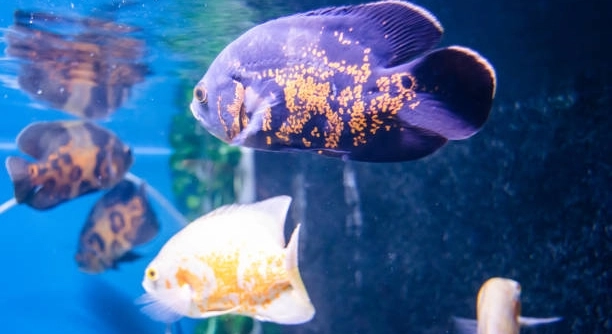
Oscar fish are known for their vibrant personalities, but sudden aggression can be surprising. This behavior often stems from environmental or health-related factors that trigger a change in temperament.
The most common cause of sudden aggression in Oscar fish is stress. Factors such as overcrowding, changes in water quality, or illness can lead to heightened aggression. It is crucial to identify the stressors and address them promptly.
Understanding the underlying reasons behind your Oscar fish’s aggression can help create a more peaceful aquarium environment.
Common Causes of Aggression in Oscar Fish
Oscar fish can become aggressive due to several factors. Overcrowding in the tank is one of the most frequent triggers. When there isn’t enough space for the fish, they may become territorial and fight with others. Another significant cause is poor water quality. Oscars are sensitive to changes in their environment, and an increase in toxins like ammonia or nitrites can stress them out, making them more aggressive. Furthermore, they may act aggressively if they are not receiving enough food or if their diet lacks essential nutrients. Environmental changes, like introducing new tank mates, can also spark aggression. The fish may feel threatened by the presence of unfamiliar species, leading to defensive behavior.
Oscar fish are also prone to aggression during breeding seasons. When they feel the need to protect their territory or offspring, they may become more territorial and hostile towards other fish in the tank.
Maintaining a stable environment and avoiding overcrowding can help minimize these stressors. Regularly checking water quality is essential for ensuring your Oscar fish’s comfort.
Stress and Illness Can Increase Aggression
Stress is a major factor in Oscar fish aggression.
Health issues can also play a role. Diseases and parasites can cause discomfort, making your fish more irritable and prone to aggression. When an Oscar fish feels physically unwell, it may lash out at other tank mates, as a way of protecting itself. Another common stressor is sudden temperature fluctuations. Oscars thrive in stable environments, and even small changes in temperature can affect their behavior.
One way to address this issue is by keeping track of water parameters such as pH levels, temperature, and filtration. Using a reliable water testing kit is crucial to ensure all conditions are optimal for your Oscar fish. Regular health checks can also help detect any early signs of illness, allowing for prompt treatment. A calm, stable environment will go a long way in maintaining your fish’s well-being.
Aggression During Breeding Season
During breeding season, Oscar fish can display more aggressive behavior. The drive to protect eggs and territory intensifies their territorial instincts. If they feel that their space or eggs are threatened, they will often chase or attack tank mates. It’s crucial to monitor their tank and adjust the environment to reduce conflicts.
Creating a breeding-friendly environment can help manage aggression. During breeding, place rocks, plants, or other structures in the tank to provide a clear territorial boundary. Removing other fish from the tank can also alleviate stress. Breeding Oscars should be isolated from other fish, ensuring both safety and a more peaceful setting.
Keeping the water temperature consistent is important during this time as well. Oscars prefer temperatures between 75-80°F during breeding. Maintaining stable conditions will help ensure your fish aren’t under unnecessary stress, which could exacerbate their aggression. Furthermore, ensure that the tank is well-maintained, and clean it regularly to avoid water quality issues that could trigger aggression.
Water Quality and Filtration Impact Aggression
Oscar fish are sensitive to poor water quality.
High levels of ammonia, nitrites, and nitrates can increase stress levels, making your fish more aggressive. Regularly test the water to ensure that it’s free from these toxins. Good filtration is essential, as it helps maintain water clarity and removes harmful chemicals. A powerful filter is necessary for Oscars, as they produce a lot of waste.
A water change schedule should be followed to prevent any buildup of harmful substances. The tank should receive a 25-30% water change every 2-3 weeks to keep the environment clean and balanced. Additionally, ensure that the filter is suitable for the tank size and that it’s running efficiently. A reliable filter, combined with good water maintenance, can significantly reduce stress and aggression in Oscar fish.
Overcrowding and Tank Size
Overcrowding can lead to increased aggression in Oscar fish. When too many fish are in a tank, Oscar fish may feel the need to defend their space. This stress can cause them to act aggressively toward tank mates, especially if they feel their territory is being invaded.
To prevent overcrowding, ensure that your tank has enough space for your Oscar fish to swim comfortably. Oscars grow large and require a minimum of 55 gallons of water. If you have other fish in the tank, make sure to adjust the number of tank mates to avoid stress.
Tank Mates and Compatibility
When adding other fish to your Oscar’s tank, it’s important to choose compatible species. Oscars are naturally territorial and may attack smaller or more passive fish. Cichlids or other robust species are typically better tank mates as they can handle Oscars’ aggressive behavior.
Be cautious with fish like goldfish, as their slower movements may trigger aggression. Similarly, small or delicate species will likely be harassed or even eaten. If possible, allow your Oscar fish to get used to its environment before adding new fish to avoid unnecessary stress. It’s also a good idea to monitor their behavior closely after introducing new tank mates.
Handling Stress and Aggression
Stress can be minimized by making environmental adjustments.
If you notice increased aggression in your Oscar, consider giving them a break from other fish. A separate quarantine tank can help them recover without the added stress of defending their territory. Keeping the tank clean and ensuring that water parameters are stable will also reduce aggression in the long run.
FAQ
Why is my Oscar fish attacking its tank mates?
Oscar fish often become aggressive due to territorial behavior, especially when they feel their space is being invaded. This is more common when the fish are in smaller tanks or during the breeding season. Poor water quality or overcrowding can also contribute to this aggression. Ensuring that your tank is large enough and that the water conditions are optimal can help reduce territorial disputes.
Can Oscar fish live with other species?
Yes, but only with other large, robust fish that can handle their aggression. Oscars are known for being territorial, so tank mates should be chosen carefully. Avoid smaller fish that might be seen as prey or vulnerable. Species like other cichlids or large catfish are better suited for cohabitation.
What is the best tank size for an Oscar fish?
Oscar fish require a minimum tank size of 55 gallons for one fish. However, a larger tank, such as 75 gallons or more, is ideal, especially if you plan to add tank mates. The fish need space to swim and establish territory. A larger tank also helps maintain stable water parameters.
How do I reduce aggression in my Oscar fish?
The first step is to ensure that the tank is appropriately sized, as overcrowding often leads to aggression. Regular water changes are essential to maintain good water quality. Also, ensure that your Oscar has enough space to swim freely and establish its territory. If aggression persists, separate the fish temporarily.
Can Oscar fish live in a community tank?
Oscar fish can live in a community tank, but only if the tank mates are large enough to withstand their aggressive behavior. Oscars are territorial, and they often don’t get along well with smaller or peaceful species. Cichlids, large catfish, or other sturdy species are more likely to thrive with an Oscar.
How often should I clean the tank for my Oscar fish?
Oscar fish produce a significant amount of waste, so it’s important to clean the tank regularly. Perform a 25-30% water change every 2-3 weeks, depending on the tank size and the number of fish. Regular cleaning of the substrate, filter, and decorations will help maintain water quality and prevent stress.
Why is my Oscar fish not eating?
There are several potential reasons for an Oscar fish to stop eating, including stress, poor water quality, illness, or a change in diet. Make sure the water parameters are stable and clean, as poor water quality can lead to loss of appetite. If the problem persists, check for signs of illness and consult a vet if necessary.
Is my Oscar fish sick or just stressed?
Stress can mimic signs of illness, such as loss of appetite, aggression, or abnormal swimming. The main difference is that stress is usually caused by environmental factors, like overcrowding or poor water quality. If your Oscar’s symptoms are persistent, check for illness by observing other signs like spots, swelling, or rapid breathing.
Can Oscar fish get along with other Oscars?
Oscar fish can live together, but they are territorial, and conflicts may arise. If two Oscars are kept together, it’s best to ensure the tank is large enough to give each fish its own territory. You may also want to monitor their behavior closely to prevent fighting, particularly during breeding seasons.
How can I tell if my Oscar is stressed?
A stressed Oscar may display erratic swimming, loss of appetite, or increased aggression. It might also hide more than usual or scrape its body against objects in the tank. If your fish shows these signs, it could be a sign of poor water quality, overcrowding, or incompatible tank mates.
What should I feed my Oscar fish?
Oscar fish are carnivores and should be fed a diet high in protein. Pellet foods specifically designed for carnivorous fish are a good choice. They can also eat live or frozen foods like shrimp, worms, and fish. A varied diet helps ensure they receive all the necessary nutrients for health and growth.
Why is my Oscar fish losing its color?
Loss of color in an Oscar fish can be due to stress, illness, or poor water quality. If the water is too dirty or the temperature fluctuates, it can cause your Oscar to lose its vibrant colors. Maintaining a clean, stable environment with proper filtration can help restore your fish’s color.
How can I improve my Oscar fish’s health?
To improve your Oscar’s health, maintain a consistent water temperature between 75-80°F and keep the tank clean. Regular water changes, appropriate feeding, and compatible tank mates will also contribute to its well-being. Regularly monitor the fish for any signs of illness and address any issues as soon as they arise.
Do Oscar fish need to be in pairs?
No, Oscar fish do not need to be kept in pairs. While they can live with a mate during breeding, they are solitary creatures and often prefer having their own space. It’s important to keep an eye on their behavior when they are housed with another Oscar, as territorial disputes may occur.
Can I use tap water for my Oscar fish tank?
Tap water can be used, but it’s essential to treat it before adding it to the tank. Tap water often contains chlorine or chloramine, which can be harmful to fish. Use a water conditioner to remove these chemicals, and always check the water parameters, such as pH and hardness, before adding it to the tank.
Final Thoughts
Oscar fish are fascinating creatures with unique personalities, but their sudden aggression can be concerning. Understanding the causes behind this behavior is essential for managing their aggression effectively. Whether it’s territorial instincts, stress, or environmental factors, recognizing the root of the issue is the first step in addressing it. Taking proactive measures such as maintaining a clean and spacious tank, choosing compatible tank mates, and providing a stable environment will go a long way in ensuring your Oscar fish remains healthy and content.
One of the most important factors in reducing aggression is giving your Oscar enough space. A larger tank provides them with room to establish their territory, which reduces stress. Overcrowding is a common cause of aggression, and a tank that is too small can make an Oscar feel cornered or threatened. Additionally, water quality is another critical factor. Poor water conditions, such as high levels of ammonia or incorrect pH, can contribute to a stressed and aggressive Oscar. Regular water changes and the use of a good filtration system can help maintain a healthy environment.
Lastly, it is important to be mindful of the fish you place in the same tank. Oscars are territorial and tend to get aggressive with smaller or more passive species. Choosing the right tank mates, such as other robust cichlids, can prevent unnecessary stress and reduce the likelihood of aggression. In some cases, separating your Oscar from other fish temporarily may be the best solution to help them recover from stress and regain their calm. Understanding your Oscar’s needs and environment will lead to a more peaceful and healthy aquarium for both you and your fish.

Hello,
If you enjoy the content that we create, please consider saying a "Thank You!" by leaving a tip.
Every little bit helps us continue crafting quality advice that supports the health, happiness, and well-being of pets around the world, for pets of all shapes, sizes, and species.
We really appreciate the kindness and support that you show us!