
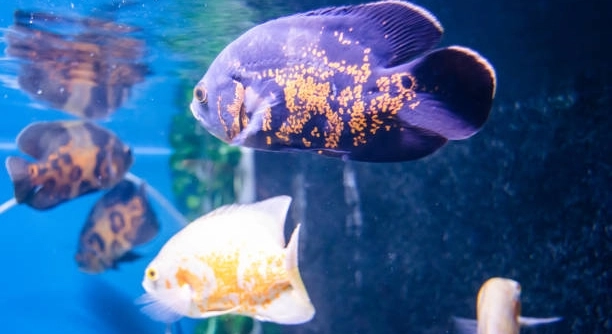
Oscar fish are known for their intelligence and bold personalities. If you’re considering keeping two together, it’s important to understand how they interact with each other. Keeping them in harmony is possible with the right setup.
Oscar fish can be kept together, but it requires careful consideration of their personalities and the tank environment. Aggression between two Oscar fish is common, so providing a large tank with enough space is crucial to reduce territorial conflicts.
With proper tank setup, you can increase the chances of a peaceful cohabitation. Understanding their behavior and making necessary adjustments will help in maintaining a balanced and healthy environment for your Oscars.
Understanding Oscar Fish Behavior
Oscar fish are known for being territorial and aggressive, especially as they mature. They have strong personalities, which can make keeping two together a challenge. You may notice one of them establishing dominance over the other, and this can lead to bullying or fighting. This is why it’s important to monitor them closely, especially when introducing them to the tank. Make sure to choose Oscar fish of similar size and temperament to reduce the chances of conflict. A lack of space or hiding spots can make things worse.
It’s vital to observe your Oscars closely when first adding them to the same tank. They may take some time to adjust to each other.
In many cases, Oscars can coexist peacefully with enough space and the right tank setup. Providing hiding spots or decorations can help break up territories and reduce aggression. A larger tank, at least 75 gallons, is recommended to give them room to move around. Proper filtration is also essential, as Oscar fish produce a lot of waste. Without these factors, keeping them together may not work out. Ensuring their environment is comfortable can help them get along better.
Tank Size and Setup
For two Oscar fish to live together peacefully, the tank size is crucial. A 75-gallon tank is the minimum for two adult Oscars. A larger tank will offer them more space to establish their territories. Without enough room, Oscar fish will feel stressed and may fight.
When setting up the tank, ensure you have sturdy decorations or hiding places. This will allow your Oscars to escape each other if needed.
Choosing Compatible Oscars
Selecting two Oscars with similar sizes and temperaments is essential. It’s better to choose fish that are about the same size to avoid dominance issues. Oscars with different personalities may struggle to coexist, leading to aggression. Keeping their personalities in mind can help you find the right pair.
If possible, try introducing them when they are still relatively young. This can give them time to adjust to each other and prevent established territorial behaviors. Even then, always monitor them during the first few weeks together. Some Oscars may take longer to accept each other, while others might hit it off right away.
Fish with similar energy levels will do better together. A very active Oscar might bully a calmer one, causing stress. Watch out for signs of aggression like chasing or nipping, as they can escalate quickly. By carefully selecting compatible Oscars, you can create a more peaceful tank environment for both fish.
Feeding and Diet Needs
Feeding two Oscars can be tricky, as they both need a well-balanced diet. Oscars are carnivores, so their diet should include live food, pellets, or frozen fish. Keep their feeding schedules regular to avoid one fish hogging the food.
When feeding Oscars together, you should be cautious to avoid competition for food. If they feel threatened during feeding, aggression can easily arise. You can spread the food around the tank to give them both equal access. Offering a varied diet can keep them healthy and less stressed. Remember, the quality of food can impact their overall health and behavior. Make sure both Oscars get enough nutrition to thrive and avoid issues in the tank.
Monitoring Aggression
Aggression is one of the main challenges when keeping two Oscars together. Even with enough space, they may fight for dominance or territory. Keep a close eye on their behavior, especially in the early stages of cohabitation.
Signs of aggression can include chasing, fin nipping, or mouth fighting. It’s essential to address this early to prevent harm. If aggression persists, consider rearranging the tank decor or adding more hiding spots. This can help reduce tension and give both Oscars room to retreat from each other. If necessary, separating them temporarily may be the best option.
Tank Maintenance
Maintaining a clean tank is critical when keeping two Oscars. They produce a lot of waste, which can quickly lead to poor water quality. Regular water changes, along with a strong filtration system, are necessary.
Keep the water temperature between 75 and 80°F to keep the Oscars comfortable. A consistent water environment can help reduce stress and aggression between the two. Check water parameters weekly and adjust as needed to ensure the health of both fish. This consistent maintenance can also prevent diseases and promote long-term happiness for your Oscars.
FAQ
Can two Oscars live together in a 50-gallon tank?
A 50-gallon tank is too small for two Oscars. Oscars are large fish and need space to swim freely. A 75-gallon tank is the minimum size recommended for two adult Oscars. Without enough space, aggression and stress are more likely to occur. If you plan on keeping two Oscars together, it’s important to provide them with enough room to thrive and avoid territorial issues. A larger tank gives them more freedom to establish their own territories, reducing conflicts.
What should I do if my Oscars fight?
If your Oscars fight, first assess the tank setup. Ensure they have enough hiding spots or decorations to create boundaries. You might need to rearrange the tank to break up their territories. If the fighting continues, consider separating them temporarily or permanently. Oscars are territorial, and sometimes, despite all precautions, they may not get along. In extreme cases, removing one Oscar from the tank can be the best solution.
Can I keep other fish with my Oscars?
Oscar fish are aggressive and will often bully smaller or slower fish. It’s best to keep them with other large, robust species that can hold their own. Fish like large catfish, plecos, or other cichlids can work, but avoid small or peaceful fish. Oscars may see them as prey or as easy targets for bullying. Always observe the behavior of any tankmates closely to ensure the Oscars are not stressing or harming them. A good rule of thumb is to ensure any tankmates are similar in size or have similar temperaments to your Oscars.
How can I tell if my Oscars are stressed?
Stressed Oscars may display signs like loss of appetite, hiding more than usual, or unusual swimming patterns. You may notice them darting around or rubbing against objects in the tank. If they start to swim erratically or stay at the surface or bottom of the tank, it could be a sign of stress. Check the water quality to ensure it’s within the right parameters, as poor water quality is a common cause of stress in Oscars. Also, look for any signs of illness, like white spots or swollen body parts.
Do Oscars need to be kept in pairs?
Oscars do not necessarily need to be kept in pairs. They can live alone and often do well on their own if provided with enough space and enrichment. However, if you decide to keep two Oscars together, ensure they are compatible in size and temperament. A single Oscar may be more relaxed and less territorial than when kept with another Oscar, but many owners enjoy keeping them together as long as the environment is suited to their needs.
How often should I feed my Oscars?
Oscars should be fed once or twice a day, depending on their age and size. Juvenile Oscars need more frequent feeding, while adult Oscars can be fed once a day. Make sure to provide them with a balanced diet that includes high-quality pellets, live food, and frozen options like shrimp or fish. Overfeeding can lead to water quality issues, so it’s important to feed only what they can consume in a few minutes. Adjust the feeding amount as they grow to ensure they stay healthy.
What are the signs that my Oscars are ready to breed?
When Oscars are ready to breed, they may become more aggressive and territorial. You might see them cleaning a flat surface or rearranging rocks and decorations in the tank. The female Oscar will often display a more rounded belly when full of eggs, while the male will have more vibrant coloration. Breeding pairs will often guard their territory fiercely. If you see these behaviors, it’s a good sign that your Oscars are preparing to spawn. Ensure the tank setup is ideal for breeding, with plenty of hiding spots and clean water conditions.
Can I breed two Oscars in a community tank?
Breeding two Oscars in a community tank is not recommended. During breeding, Oscars become highly territorial and may attack other fish, including their own tankmates. The pair will aggressively guard their eggs and fry. It’s best to set up a separate breeding tank or remove other fish during the breeding process to prevent stress and harm to other tank residents. If you are interested in breeding Oscars, creating a peaceful and controlled environment is essential for the success of the process.
What water conditions do Oscars prefer?
Oscars thrive in slightly acidic to neutral water, with a pH range of 6.5 to 7.5. The water temperature should be between 75°F and 80°F. Oscars also prefer well-filtered water, as they produce a lot of waste. Regular water changes are necessary to keep the tank clean and prevent disease. Check water parameters like ammonia, nitrites, and nitrates regularly to ensure the water quality remains stable. If the water conditions are off, Oscars can become stressed, leading to health problems or aggression.
How big do Oscars grow?
Oscars can grow quite large, typically reaching lengths of 12 to 14 inches in captivity, though some may grow even bigger. Due to their size, they require a large tank. A 75-gallon tank is the minimum size for an adult Oscar, and the tank should be larger if you plan on keeping more than one. As Oscars grow, they will need more space to move around and establish their territories. It’s important to plan ahead for their size and ensure their environment accommodates their growth.
Can Oscars live with other types of cichlids?
Oscars can live with other cichlids, but compatibility depends on the size and temperament of the other cichlids. Some larger or more aggressive cichlid species may be able to coexist with Oscars, but others may be bullied or stressed. Always introduce new tankmates slowly and monitor interactions. A good rule of thumb is to pair Oscars with similarly-sized cichlids that are not overly aggressive or territorial. If aggression becomes an issue, consider separating the Oscars from the other cichlids.
Final Thoughts
Keeping two Oscar fish together can be a rewarding experience if you understand their needs and behavior. Oscars are intelligent and dynamic creatures, but they also come with their own set of challenges. They are territorial and can become aggressive, so careful attention is required when introducing them to each other. While it’s possible for two Oscars to coexist, they need enough space, proper tank conditions, and a compatible environment to thrive together. Ensuring that your tank setup is appropriate for two Oscars will reduce the likelihood of stress and fighting.
Tank size is one of the most important factors to consider. A 75-gallon tank is the minimum recommended for two Oscars, with more space needed if you want to add any other fish or decorations. Providing hiding spots, decorations, and territories within the tank can help prevent aggression and give each Oscar space to claim as their own. Additionally, it’s important to monitor their behavior closely, especially when they are first introduced. If one of the fish seems to be overly aggressive, it might be necessary to adjust the tank setup or separate them for a period of time.
Feeding and maintaining a clean tank are other essential aspects to consider. Oscars produce a lot of waste, so regular water changes and proper filtration are crucial. Feeding them a balanced diet with appropriate amounts of food is important for their health and well-being. Understanding the dynamics of keeping two Oscars together comes down to being prepared to handle challenges that may arise and adjusting the tank setup as needed. With patience and careful monitoring, two Oscars can live harmoniously in the same tank.

Hello,
If you enjoy the content that we create, please consider saying a "Thank You!" by leaving a tip.
Every little bit helps us continue crafting quality advice that supports the health, happiness, and well-being of pets around the world, for pets of all shapes, sizes, and species.
We really appreciate the kindness and support that you show us!