
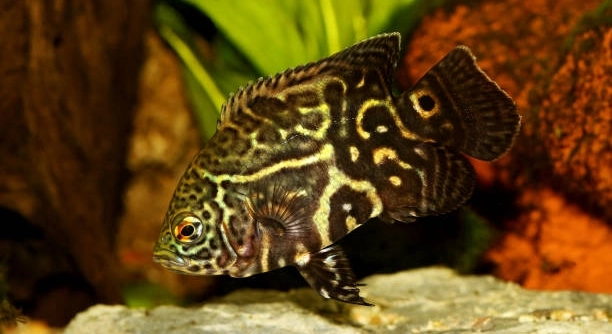
Oscar fish are popular in aquariums, but sometimes they show signs of distress, such as gasping at the surface. If you’ve noticed your Oscar fish doing this, you may wonder what’s going on.
Oscar fish gasping at the surface is often a sign of oxygen deficiency or poor water quality. Factors like high water temperature, overcrowding, or a malfunctioning filter can contribute to this behavior.
Understanding why your Oscar fish is gasping can help you improve their living conditions. We will explore some potential causes and solutions to keep your fish healthy and comfortable.
Poor Water Quality
Oscar fish, like all fish, depend on clean water to thrive. When the water becomes polluted or contains high levels of ammonia or nitrites, it can lead to poor health and behavior changes, like gasping at the surface. Water quality is often the most important factor to consider when troubleshooting this issue. Keeping the water parameters stable and within the ideal range for Oscar fish will help prevent such behaviors.
To maintain water quality, you need to regularly test the water for ammonia, nitrites, nitrates, and pH. You should also ensure that your filtration system is strong enough to handle the size of the tank and the number of fish.
Routine water changes (about 25-30% every week) are essential to keep the tank environment clean. If your Oscar fish are gasping at the surface, it may be due to poor filtration or a build-up of waste. Addressing these issues promptly will help restore balance to the tank.
Lack of Oxygen
Oscar fish need plenty of oxygen in the water to remain healthy. Low oxygen levels can cause them to gasp for air at the surface. This problem is especially common in tanks that are overcrowded or have insufficient aeration.
If the water is too warm or the filtration system isn’t working properly, oxygen levels can drop significantly. You can solve this issue by adding an air pump or increasing water movement to improve oxygenation. Consider adding additional aerators to increase the oxygen levels in the tank. This will not only help your Oscar fish breathe easier but also contribute to the overall health of your aquarium.
Overcrowding
Overcrowding in an aquarium can cause stress for Oscar fish, leading them to gasp at the surface. When there are too many fish in the tank, the oxygen levels drop, and waste builds up faster than the filter can handle. This creates an unhealthy environment.
Oscar fish are large and need plenty of space to swim and thrive. Overcrowding can also make it difficult for the filter to maintain clean water, which can affect the overall quality of the tank. When too many fish are present, oxygen levels decrease, making it harder for your fish to breathe.
To prevent overcrowding, make sure the tank size is adequate for the number of fish you have. Typically, each adult Oscar fish requires a minimum of 75 gallons of water. Reducing the number of fish in your tank and upgrading your filtration system will improve water quality and oxygen levels, helping your Oscar fish feel better.
High Water Temperature
Oscar fish are sensitive to high water temperatures, which can lead to reduced oxygen levels and cause them to gasp for air. If the water temperature rises above their ideal range (76-80°F), your fish may struggle to get enough oxygen.
A high water temperature reduces the solubility of oxygen in the water. This makes it harder for the fish to breathe, especially if the tank is already overcrowded or has poor circulation. To regulate the temperature, consider using a reliable aquarium heater with a thermostat to maintain the ideal range for your Oscar fish. If the water is getting too warm, adjust the heater and make sure there’s proper airflow in the tank.
In hot weather or with strong aquarium lights, the water can quickly heat up. Be mindful of how much light your tank gets throughout the day and try to avoid placing the aquarium near windows or heat sources. Monitoring the temperature regularly and making adjustments as needed will help prevent temperature-induced stress in your fish.
Poor Filtration
A weak or malfunctioning filter is one of the main reasons for Oscar fish gasping at the surface. Poor filtration leads to waste build-up and low oxygen levels, which makes it harder for your fish to breathe. Ensuring your filter works properly is essential.
Oscar fish produce a lot of waste, so you need a powerful filtration system that can handle the load. If your filter isn’t providing enough water circulation or if it’s clogged, it won’t properly remove toxins and debris. This can lead to poor water quality and oxygen deprivation.
Regularly check and clean the filter to ensure it’s operating efficiently. If needed, upgrade to a stronger filter that matches the size of your tank. This will help maintain cleaner water and provide a healthier environment for your Oscar fish.
Stress
Stress can cause Oscar fish to gasp at the surface. Fish that are constantly agitated, either by aggressive tank mates or sudden environmental changes, may show this sign.
Stress lowers your fish’s immune system and makes them more vulnerable to diseases. Minimize stress by maintaining stable water conditions and providing plenty of hiding spaces. If the tank is too noisy or constantly disturbed, consider relocating it to a quieter area. Reducing stress will improve your fish’s behavior and overall health.
Tank Maintenance
Regular tank maintenance is crucial for your fish’s well-being. Poor water changes and neglecting equipment can lead to issues like low oxygen levels, which cause Oscar fish to gasp at the surface.
Make it a habit to clean the tank, check water quality, and inspect the filter frequently. If you haven’t been staying on top of your tank maintenance, addressing it now can make a big difference. Regular care ensures a healthier, more comfortable environment for your Oscar fish.
FAQ
Why is my Oscar fish gasping at the surface?
Oscar fish gasping at the surface usually signals a problem with oxygen levels or water quality. If the water is not properly filtered or if the oxygen levels are low due to overcrowding or high water temperature, your fish may resort to gasping for air at the surface. Regular water changes, proper filtration, and ensuring a well-oxygenated tank can help solve this issue.
How can I tell if my Oscar fish is stressed?
Stress in Oscar fish can manifest in several ways, such as erratic swimming, loss of appetite, hiding, or constant gasping at the surface. Stress can be caused by poor water conditions, aggressive tank mates, or sudden changes in the environment. Monitoring water quality and ensuring a peaceful tank environment can reduce stress.
What water conditions do Oscar fish need?
Oscar fish require stable water conditions, typically with a temperature between 76-80°F, a pH range of 6.5-7.5, and low ammonia and nitrite levels. Regular water testing and maintenance are crucial. Keeping the tank clean and performing regular water changes will help ensure optimal conditions for your fish.
How do I improve oxygen levels in my tank?
To increase oxygen levels in your tank, you can add an air pump or aerator, use a sponge filter, or ensure proper water movement. Increasing the surface area of the water by adding decorations or plants can also help oxygen exchange. Keeping your tank well-maintained and not overcrowded will also prevent oxygen depletion.
How often should I clean my tank for my Oscar fish?
Cleaning your tank should be done regularly, about once a week. You should perform partial water changes of about 25-30% and vacuum the substrate to remove excess waste. Cleaning the filter is also important to ensure it works efficiently. A clean tank helps prevent poor water quality, which can lead to your Oscar fish gasping at the surface.
What should I do if the water temperature is too high?
If the water temperature is too high, use a reliable aquarium heater with a built-in thermostat to maintain a stable temperature between 76-80°F. Ensure the tank is not placed near heat sources like windows or radiators, as they can increase the temperature. You can also add a fan or increase surface agitation to help cool the water down.
Can Oscar fish live with other fish?
Oscar fish can live with other fish, but they are known to be territorial and may show aggression, especially toward smaller or slower-moving fish. It’s important to choose tank mates that are similarly sized and can handle the Oscar’s dominant behavior. Avoid overcrowding to reduce stress and ensure a peaceful environment.
Why is my Oscar fish not eating?
A loss of appetite in Oscar fish can be caused by stress, poor water quality, illness, or a change in diet. If your Oscar fish stops eating, check the water parameters and make sure they are within the ideal range. If the problem persists, examine the fish for any signs of illness or injury and consider consulting a veterinarian.
What should I feed my Oscar fish?
Oscar fish are carnivores and require a diet rich in protein. High-quality pellets, frozen or live foods such as worms, shrimp, and small fish are all great options. It’s essential to provide variety in their diet to keep them healthy and prevent nutritional deficiencies. Feeding once or twice a day is sufficient for adult Oscar fish.
How do I know if my Oscar fish is healthy?
Healthy Oscar fish have clear eyes, vibrant colors, and active behavior. They should swim steadily and show an interest in food. If your Oscar fish is gasping at the surface, has cloudy eyes, or appears lethargic, it may indicate illness or poor water quality. Regularly monitor their behavior and the tank environment to spot any changes.
Final Thoughts
Oscar fish are known for their vibrant personalities and stunning appearance, but they do require attention to maintain their health and well-being. If you notice your Oscar fish gasping at the surface, it’s important to address the underlying causes right away. Issues like poor water quality, lack of oxygen, high water temperature, or overcrowding can stress your fish and lead to this behavior. Ensuring that your tank is well-maintained, with the right filtration system and temperature, will help keep your fish healthy and comfortable.
Proper care involves regular water changes, monitoring oxygen levels, and avoiding overcrowding. An important factor is making sure your Oscar fish have enough space to swim and thrive. A larger tank and a stronger filtration system will help maintain cleaner water, improving oxygenation and reducing stress. Pay attention to any signs of stress, such as lethargy, lack of appetite, or erratic swimming, as they may indicate that something in the environment isn’t right. Stress can make your Oscar fish more vulnerable to illness and can negatively affect their overall health.
Taking a proactive approach to tank care and making adjustments when necessary will help ensure your Oscar fish live a long, happy life. If the gasping behavior persists despite improving water conditions, it’s worth considering a visit to an aquarium specialist to rule out other possible issues. By staying on top of water quality, filtration, and temperature, you’ll help your fish thrive and enjoy their time in your aquarium.

Hello,
If you enjoy the content that we create, please consider saying a "Thank You!" by leaving a tip.
Every little bit helps us continue crafting quality advice that supports the health, happiness, and well-being of pets around the world, for pets of all shapes, sizes, and species.
We really appreciate the kindness and support that you show us!