
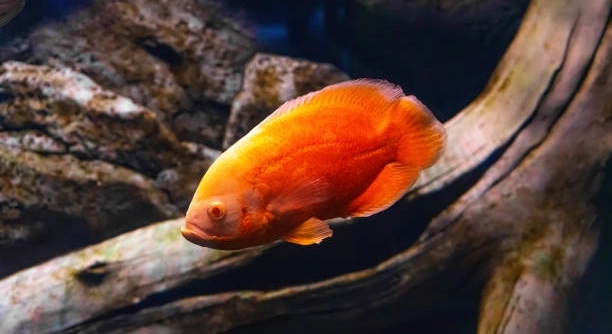
Oscar fish are popular for their beauty and bold personalities. However, it’s not uncommon for their colors to change over time. This change can be puzzling and worrying for many owners, especially when it happens suddenly.
Oscar fish change color due to a variety of factors, such as stress, diet, water quality, and age. These changes can range from slight shifts in hue to more drastic transformations, which are often signs of underlying issues or natural processes.
Understanding why your Oscar fish’s color changes can help you ensure its well-being. There are several factors that may contribute to these shifts, and addressing them can prevent further changes.
Reasons Behind Color Changes in Oscar Fish
Oscar fish may experience color changes for various reasons, and it’s essential to recognize what could be causing it. One common reason is stress, which can trigger dramatic color shifts. Fish are highly sensitive to changes in their environment, and stressors like loud noises, new tankmates, or overcrowding may lead to a change in their vibrant appearance. Additionally, fluctuations in water temperature or poor water quality can make Oscars feel uneasy, impacting their natural coloration. Age also plays a role, as older Oscars may not have the same bright colors they had as juveniles. Lastly, diet can have an impact; a poor or unbalanced diet can cause Oscar fish to lose their color.
Poor water conditions and stress are frequent causes of Oscar fish losing their color. It’s essential to maintain consistent water parameters and a peaceful tank environment to keep them healthy.
Incorporating more variety in your Oscar’s diet is another way to help maintain its color. High-quality food rich in nutrients, such as carotenoids, can promote vibrant coloring. Proper water temperature, pH levels, and tank cleanliness all contribute to a healthy, stress-free environment, which can help maintain your Oscar’s appearance.
Impact of Stress on Oscar Fish’s Color
Stress is one of the leading causes of changes in an Oscar’s color. Oscars are known for their reactive nature, and anything that disrupts their environment can trigger color changes. They are highly sensitive to tank conditions, so maintaining a calm environment is key.
Oscars often show signs of stress when they feel threatened or uncomfortable. Factors like sudden changes in water temperature, overcrowding, or aggression from other fish can cause them to darken or fade. Stress can also affect their immune system, leading to health problems. Keeping your Oscar in a calm and stable environment with regular water changes can help reduce stress, ensuring they stay healthy and colorful.
Diet and Nutrition’s Role in Color Changes
The food your Oscar fish eats can greatly affect its color. A balanced, nutrient-rich diet helps maintain vibrant colors. Poor nutrition, on the other hand, can cause dullness or fading. Adding foods high in carotenoids, like shrimp and red-colored pellets, can enhance their natural coloring.
Oscars need a variety of high-quality foods to maintain their health and appearance. Offering a mix of live food, pellets, and occasional frozen options helps ensure they get the nutrients necessary for vibrant colors. Additionally, the right food boosts the fish’s immune system, reducing stress-related color fading. A lack of essential nutrients, such as protein, can also contribute to color loss. If you want your Oscar to thrive, it’s important to focus on both its diet and overall health.
Ensuring your Oscar fish receives foods that support their coloring is crucial. Supplementing their diet with items like spirulina, krill, and other high-quality foods rich in natural pigments will help bring out the full range of colors. Proper feeding can prevent color fading and keep your fish in peak condition.
Water Quality and Temperature
Water quality is essential to the health of your Oscar. Poor water conditions, including high levels of ammonia or nitrites, can cause stress and dull the fish’s appearance. Keeping the water clean and filtered ensures your Oscar stays healthy and colorful.
Maintaining a stable and clean environment is crucial for your Oscar fish’s health. Regular water changes, proper filtration, and monitoring of pH levels can prevent potential problems. The water temperature should stay between 74°F and 81°F (23°C – 27°C) for optimal conditions. If the temperature fluctuates, your fish may experience stress, which affects its color. Oscars are sensitive to their environment, so consistency is key to keeping them happy and vibrant.
Aging and Color Changes
As Oscar fish age, their colors may naturally fade or change. Younger Oscars tend to have brighter, more vibrant hues, while older ones may lose some of their intensity. This is a natural part of their life cycle.
Age affects many aspects of an Oscar’s appearance. Over time, their skin can become paler, and they may not display the same vivid colors they once had. This change is not a cause for concern, but it is essential to be aware of it. If their overall health is stable, aging Oscars are still beautiful.
Health Issues and Color Fading
Health problems can cause Oscars to lose their color. Illnesses, parasites, or infections can stress the fish, leading to fading. Keeping an eye on their behavior and appearance is crucial in preventing these issues.
If you notice your Oscar’s color fading along with other signs like loss of appetite, abnormal swimming, or clamped fins, it could indicate a health issue. Treating the underlying condition promptly will help restore their color. Regular checkups and clean water can prevent many health-related problems. A healthy Oscar is typically more colorful and lively.
FAQ
Why is my Oscar fish turning black?
Oscar fish turning black could be a sign of stress, illness, or poor water conditions. Stress from overcrowding, aggressive tankmates, or sudden changes in the environment can cause your fish to darken. Infections or health issues can also result in black spots or discoloration. If you notice this change, check the water quality immediately and ensure there are no aggressive behaviors or environmental changes causing stress. If the problem persists, consider consulting a vet to rule out any illnesses.
Can poor water quality cause color changes in Oscar fish?
Yes, poor water quality can significantly impact the color of your Oscar fish. High levels of ammonia, nitrites, or nitrates in the water can stress the fish, causing them to darken or lose their vibrancy. Regular water changes, proper filtration, and maintaining the right pH levels can prevent this issue. Oscars are sensitive to water quality, so always monitor and adjust as needed. Clean water helps them thrive and maintain their bright colors.
How do I improve my Oscar’s color?
To improve your Oscar’s color, provide a balanced diet rich in nutrients, particularly carotenoids. Foods like shrimp, krill, and high-quality pellets can help bring out their natural hues. Ensuring stable water conditions, including the right temperature and proper filtration, is essential. Keeping stress levels low by providing enough space and compatible tankmates also plays a key role in maintaining vibrant colors.
Can age cause my Oscar to lose its color?
Yes, as Oscars age, it’s normal for their color to fade slightly. Young Oscars are usually brighter and more vibrant, while older fish may lose some of their intensity. This change is a natural part of the aging process and is not usually a cause for concern unless accompanied by other signs of illness. Maintaining good water quality and diet can help slow down the fading process and keep them looking healthy.
Why is my Oscar fish not eating and losing color?
A loss of appetite and color could indicate that your Oscar is stressed, ill, or suffering from poor water quality. Stress factors like changes in tankmates, water conditions, or overcrowding can cause both a decrease in appetite and color fading. It could also be a sign of an underlying illness, such as a parasite or bacterial infection. If this happens, perform a water test to ensure it’s within the right parameters, and consider observing the fish closely for any other symptoms that may indicate health problems.
Is it normal for my Oscar fish to change color frequently?
It’s normal for an Oscar fish to change color slightly due to factors like stress, water quality, and diet. However, frequent or drastic color changes can indicate an issue. If your Oscar is constantly changing colors, it might be a sign of stress, poor tank conditions, or an underlying health problem. Consistent care, regular water changes, and maintaining a calm environment can help stabilize their color over time.
Can Oscar fish color change due to tank mates?
Yes, the presence of other fish can affect your Oscar’s color. If your Oscar feels threatened or stressed by tankmates, it may darken or lose its vibrant hues. Aggressive fish, overly active species, or incompatible tankmates can cause stress, which affects their health and appearance. It’s important to choose tankmates that are peaceful and not too small or large to avoid territorial aggression.
How often should I feed my Oscar fish for the best color?
Feeding your Oscar fish a balanced diet 2-3 times a day is typically ideal for maintaining healthy color. Overfeeding can lead to poor water quality, which might cause stress and color fading. A variety of high-quality foods, such as pellets, live food, and frozen shrimp, should be included in their diet. This ensures they receive all the necessary nutrients to keep their colors vibrant.
Can overfeeding cause color changes in my Oscar fish?
Yes, overfeeding can lead to poor water quality, which may stress your Oscar and cause it to lose its color. Leftover food decomposes in the tank, increasing the ammonia and nitrate levels. This affects the fish’s health and can lead to a dull appearance. Be sure to feed only what your Oscar can consume within a few minutes and remove any uneaten food to keep the water clean and clear.
What should I do if my Oscar fish’s color doesn’t improve?
If your Oscar’s color doesn’t improve despite adjusting its diet, water quality, and tank environment, it may be time to consult a veterinarian. Persistent color changes could signal an underlying health issue, such as an infection, parasite, or a more serious condition. A vet can help diagnose and treat the problem, ensuring your Oscar fish gets the care it needs.
Final Thoughts
Oscar fish are beautiful and fascinating creatures, but their color changes can be puzzling for many fish owners. It’s important to remember that there are several factors that can influence the way they look. From stress and poor water conditions to diet and age, these elements can all play a role in your Oscar’s appearance. While it can be concerning to see your Oscar’s colors change, understanding the causes can help you address the situation and keep your fish happy and healthy. Regular monitoring of water quality, temperature, and diet are essential in maintaining a vibrant and thriving environment for your Oscar.
When your Oscar fish changes color, it is often a natural response to its environment. Stress and poor water quality are some of the most common reasons for color changes. Keeping the water clean, providing a stable environment, and ensuring your Oscar isn’t stressed by other tankmates or tank conditions can go a long way in maintaining its health. Additionally, offering a balanced diet with high-quality food can help enhance and maintain vibrant colors. Foods rich in carotenoids, like shrimp or specially formulated pellets, can make a noticeable difference in your fish’s appearance.
Lastly, age is an inevitable factor in color changes for Oscars. As your fish matures, its colors may fade or shift. This is part of the natural life cycle and typically does not signal any serious health issues. However, keeping an eye on their overall health and addressing any sudden or extreme changes can help ensure your Oscar remains as healthy as possible. By addressing factors like water quality, stress, diet, and health, you can enjoy the beauty of your Oscar fish for many years.

Hello,
If you enjoy the content that we create, please consider saying a "Thank You!" by leaving a tip.
Every little bit helps us continue crafting quality advice that supports the health, happiness, and well-being of pets around the world, for pets of all shapes, sizes, and species.
We really appreciate the kindness and support that you show us!