
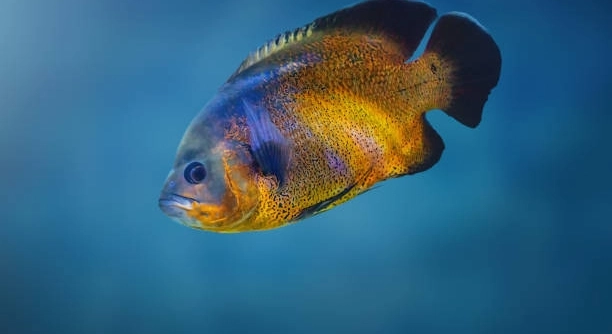
Oscar fish are known for their vibrant personalities and unique behavior, but keeping them as pets raises questions about their social needs. As these fish grow, so do the considerations for their well-being and environment.
Oscar fish can experience loneliness, especially in captivity. As territorial animals, they often benefit from the companionship of other fish. However, each fish’s behavior varies, and some may adjust better to solitude, depending on their environment and care.
By understanding the social dynamics of Oscar fish, you can create a more fulfilling and comfortable environment for them, ensuring they thrive in your care.
Why Do Oscar Fish Feel Lonely?
Oscar fish are naturally social creatures, but their behavior varies. In the wild, they often live in groups or pairs, which can help them feel secure. When kept alone, they may become stressed or exhibit odd behaviors like excessive swimming or hiding. In smaller tanks, the lack of other fish can lead to isolation. This isolation might result in your Oscar showing signs of loneliness, such as a decrease in appetite or a lack of energy.
A single Oscar in a tank can be quite content, but this depends on their environment. If their surroundings are enriched with hiding spots and adequate space, they may adapt better. It’s important to consider their need for stimulation and social interaction.
Having other tank mates can reduce loneliness and create a more natural setting. However, not all fish are compatible with Oscars, so it’s crucial to choose the right companions. Maintaining a balance between space, activity, and tank mates can ensure your Oscar thrives.
How to Avoid Oscar Fish Loneliness
Oscar fish thrive in larger tanks with proper care. Offering hiding places and decorations that encourage exploration can help keep them engaged.
In addition to tank size, the overall tank environment plays a huge role. A well-maintained environment with water quality control and occasional changes can provide the stimulation Oscars need. Offering varied feeding schedules and interacting with them regularly can also help combat loneliness. Keeping them healthy and happy involves understanding their needs and providing the right setting for them to feel at ease.
Consider adding another Oscar fish or similar species, but only if the tank size and conditions are suitable for both. Overcrowding or introducing incompatible species could cause more harm than good. Regular observation and understanding your Oscar’s behavior will guide you in keeping them content.
Signs of Loneliness in Oscar Fish
Lonely Oscars might display behavior changes like reduced activity or hiding more often. They may also stop eating or appear less interested in their surroundings. These signs are not always linked to loneliness, but if they persist, it’s something to watch closely.
Another sign of loneliness can be a lack of interaction with their tank mates. Oscar fish are often curious and enjoy exploring. If they become withdrawn and inactive, they might be experiencing some form of emotional stress due to the lack of social engagement. The water temperature, quality, and environment also play a role, so ensure these are optimal.
Sometimes, Oscars can show signs of aggression or frustration, particularly if they are housed alone. If your fish is overly territorial, it might be compensating for the lack of companionship. This behavior can also signal that they need a more engaging tank setup.
The Best Tank Setup for an Oscar Fish
A well-decorated tank with hiding spots can make all the difference in how comfortable your Oscar feels. Use plants, rocks, or caves to give them places to explore and claim as their own. Space is key, as Oscars grow large and need room to swim freely without feeling trapped.
Keeping the water clean and properly filtered will prevent stress and keep your Oscar fish healthy. They prefer slightly warmer water, typically between 74°F and 81°F. A stable water environment prevents health issues and adds to their comfort. Regular water changes and checking the pH levels ensure they stay in a safe, comfortable setting.
Tank mates also influence the atmosphere of the tank. While some fish are compatible with Oscars, it’s important to choose species that won’t cause further stress or conflict. Proper tank management, including monitoring their behavior and interactions, is essential for maintaining a happy and secure environment.
Can Oscar Fish Live Alone?
Yes, Oscar fish can live alone, but it depends on their environment and the care they receive. They are solitary by nature but need enough space and stimulation to prevent boredom. If they are kept in a spacious tank with proper care, they can adapt to solitary living.
However, if kept alone for extended periods in a small or barren tank, they may experience stress or show signs of loneliness. It’s essential to maintain a well-maintained tank with enriching activities to support their well-being. Interaction with their owner can also help keep them mentally stimulated.
How to Create a Comfortable Solo Environment
A solo Oscar fish needs a tank that mimics its natural habitat as much as possible. Use decorations like rocks, caves, and plants to provide hiding spots and areas to explore. This will reduce the feeling of isolation and help them feel more secure.
You should also include a filtration system to maintain water quality and temperature. Oscars are sensitive to poor water conditions, and this can affect their overall health and mood. Regular water changes, maintaining a stable temperature, and ensuring oxygen levels are adequate are important for their comfort.
Best Tank Mates for an Oscar Fish
Oscar fish are territorial and can be aggressive towards smaller or weaker fish. It’s best to choose tank mates that are similar in size and strength. Some good options include large cichlids, catfish, and certain types of plecos. These fish are better equipped to handle the Oscar’s dominant nature.
However, avoid species that might challenge the Oscar too much or that could become stressed by its behavior. It’s important to always monitor interactions when adding new fish to ensure compatibility and prevent bullying. With the right companions, Oscars can live harmoniously.
FAQ
Can Oscar fish live with other fish?
Oscar fish can live with other fish, but it’s crucial to choose compatible tank mates. They are territorial and can be aggressive, especially towards smaller or weaker fish. Larger fish like other cichlids, plecos, and catfish tend to be better companions. When selecting tank mates, make sure they’re of similar size and temperament to avoid issues. Oscars may not tolerate fish that invade their space or challenge their dominance. It’s essential to keep an eye on the interactions, as they can sometimes become aggressive, especially if they feel threatened.
Do Oscar fish get along with each other?
Oscar fish can get along with each other if there is enough space in the tank. They can be territorial and might fight over territory or dominance, particularly if they are housed in a smaller space. Keeping Oscars together in a large tank with plenty of hiding spots can reduce territorial aggression. It’s also a good idea to introduce them at the same time to minimize established dominance. In pairs or groups, Oscars might form bonds, but aggression is still possible, especially during breeding periods.
How long can an Oscar fish live?
Oscar fish can live up to 10-15 years with proper care. Their lifespan depends on factors like tank size, water quality, and diet. If they’re kept in a smaller tank with poor water conditions, their life expectancy can be reduced. Ensuring a healthy environment, providing proper nutrition, and regularly maintaining the tank will help them live longer, healthier lives. The better the living conditions, the longer your Oscar will thrive. Additionally, regular vet check-ups and prompt attention to health issues can extend their lifespan.
What do Oscar fish eat?
Oscar fish are carnivores, so they need a diet that includes protein. They will eat a variety of live, frozen, and pellet foods such as worms, shrimp, and small fish. Offering a balanced diet that contains vitamins and minerals will keep them healthy. While Oscars enjoy live food, it’s important not to overfeed them, as obesity can lead to health problems. You can also give them high-quality pellets or flakes designed for carnivorous fish. It’s essential to offer a variety of foods to ensure they get all the nutrients they need.
Why is my Oscar fish not eating?
If your Oscar fish isn’t eating, it could be due to various reasons. Stress from changes in the tank environment, poor water conditions, or tank mate aggression are common causes. It could also be sick or recovering from a recent change or injury. Make sure to check the water parameters, such as temperature, pH, and ammonia levels, to ensure they are optimal. If the issue persists, a visit to the vet may be necessary to rule out illness or parasites. Sometimes, simply offering a variety of food or feeding them at a different time can help.
How big do Oscar fish get?
Oscar fish typically grow to be around 12-18 inches long, though some may grow even larger depending on their environment. They need a large tank to accommodate their size, and the bigger the tank, the more comfortable they will feel. When fully grown, Oscars can become quite hefty, so plan for a tank that’s at least 75 gallons or larger to give them the space they need. Proper space is essential for their health and well-being, as overcrowded tanks can lead to stress and aggression.
Do Oscar fish need a heater?
Yes, Oscar fish do need a heater to maintain a stable water temperature. They thrive in water temperatures between 74°F and 81°F. Without a heater, the water temperature can fluctuate, which can cause stress or even illness. A reliable aquarium heater is essential for keeping the water within the ideal range. Make sure to regularly check the temperature with a thermometer to avoid sudden changes. A consistent temperature also helps prevent the growth of harmful bacteria and parasites that can affect the fish’s health.
Why is my Oscar fish swimming upside down?
If your Oscar fish is swimming upside down, it might be a sign of a health issue. Swim bladder disorder is one of the common causes of this behavior. The swim bladder helps fish maintain buoyancy, and if it’s not functioning properly, the fish can lose its ability to swim upright. This can be caused by overfeeding, constipation, or an infection. If this behavior persists, it’s important to address the issue. Adjusting the diet, ensuring proper water conditions, and consulting a vet can help in treating swim bladder disorder.
How do I know if my Oscar fish is happy?
A happy Oscar fish will display active swimming patterns, show curiosity towards its environment, and maintain a healthy appetite. It will interact with its surroundings, explore the tank, and have good posture, swimming upright. Healthy Oscars also exhibit vibrant colors. If your Oscar is hiding constantly, has a dull appearance, or stops eating, it might be stressed or unwell. Pay attention to its behavior and make sure the tank conditions are suitable. A happy Oscar will seem alert and engaged with its environment, without showing signs of stress or aggression.
How often should I feed my Oscar fish?
Oscar fish should be fed once or twice a day, depending on their age and activity level. It’s important not to overfeed, as Oscars can easily become obese, leading to health issues. Adult Oscars typically require larger meals but should not be fed more than they can consume in 2-3 minutes. A good practice is to feed them enough to ensure they get the nutrients they need without leaving leftover food that can pollute the water. Feeding smaller, frequent meals is better than one large meal, as it helps with digestion.
Final Thoughts
Oscar fish are fascinating creatures that require careful attention to their environment and care. Whether kept alone or with other fish, they need a spacious tank that mimics their natural habitat. Their territorial nature means they thrive in larger aquariums, with plenty of hiding spots and areas to explore. Without these, they can become stressed, leading to potential health issues. It is essential to ensure your Oscar has the space, the right water conditions, and the proper diet to live a long, healthy life.
Providing the right tank mates is also crucial for an Oscar fish. While they can live with other fish, the key is choosing species that are compatible in size and temperament. Smaller or weaker fish may become targets for aggression, so selecting larger, more robust fish will ensure better compatibility. Always observe the interactions between the fish and make adjustments as needed. The right tank mates can offer a more stimulating environment for your Oscar, but it’s important to know when to separate them if aggression becomes a concern.
Lastly, consistent care and monitoring of your Oscar’s health are vital. Regular water changes, proper feeding schedules, and attention to tank maintenance can prevent many common problems. If your Oscar is showing signs of stress or illness, prompt action will help prevent further complications. Understanding their needs and behavior is the key to a successful fish-keeping experience. By providing the proper environment and ensuring their well-being, you can enjoy a happy, healthy Oscar fish for many years to come.

Hello,
If you enjoy the content that we create, please consider saying a "Thank You!" by leaving a tip.
Every little bit helps us continue crafting quality advice that supports the health, happiness, and well-being of pets around the world, for pets of all shapes, sizes, and species.
We really appreciate the kindness and support that you show us!