
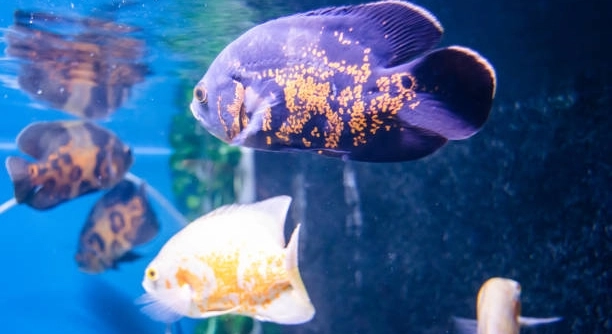
Oscar fish are popular aquarium pets known for their intelligence and personality. Many fishkeepers wonder about breeding these fascinating creatures. Understanding their breeding habits and environment requirements is crucial to encourage successful reproduction in your tank.
Oscar fish can breed successfully if conditions are right. They require a stable, mature environment with the right water conditions, a breeding pair, and proper tank space. Providing a suitable substrate for egg-laying and maintaining consistent water quality are essential.
Knowing these factors can help you provide the best environment for your Oscars to breed and thrive.
Understanding the Right Environment for Oscar Fish to Breed
For Oscar fish to breed successfully, they need a stable, well-maintained environment. The tank should be large enough, with plenty of space for the fish to move around. Oscars are territorial, so ensuring that they have their own space and are not stressed is important. A minimum of 55 gallons is recommended for breeding pairs. It’s essential to keep the water temperature between 75-80°F (24-27°C), with a slightly acidic to neutral pH. Regular water changes are crucial to maintain healthy conditions, especially as they are sensitive to poor water quality.
The presence of hiding spots, such as rocks or driftwood, can help make the fish feel secure. Oscars will often use these spots to lay eggs, usually on a flat surface, like a rock. Keeping the tank well-lit also encourages breeding behavior, as Oscars are known to breed in brighter conditions.
The right water parameters, along with a stable tank setup, will ensure that your Oscars feel comfortable and ready to breed.
Selecting a Breeding Pair
Choosing a compatible breeding pair is key. It’s important to ensure both fish are mature and healthy. Oscars tend to breed once they reach about 1-2 years of age, with both sexes displaying different behaviors during mating rituals.
A breeding pair will often start to form a bond, swimming closely together and defending their territory. The female will lay eggs, and the male will fertilize them. This bond can last for a long period, ensuring the pair stays together to care for their eggs and fry. Keeping a close eye on their behavior helps you gauge when they’re ready to breed.
Water Quality and Its Impact on Breeding
Water quality plays a significant role in the breeding success of Oscar fish. These fish are particularly sensitive to changes in water parameters, and poor water quality can lead to unsuccessful breeding or even illness. A well-maintained filtration system is crucial for keeping the water clean and free of toxins. In addition to regular water changes, using a high-quality filter helps maintain water clarity and oxygen levels, which are essential for the health of the fish and their eggs.
Test the water regularly for ammonia, nitrite, and nitrate levels to ensure they remain in safe ranges. Additionally, providing proper aeration and avoiding overfeeding can help keep the water clean. The right conditions not only encourage breeding but also ensure the survival of the eggs and young fry. A stable and clean environment will increase the chances of successfully raising Oscar fish from egg to juvenile.
What to Expect During Breeding
When Oscar fish are ready to breed, their behavior will change noticeably. The female will typically begin by laying eggs on a flat surface, and the male will fertilize them. The pair works together to guard the eggs from potential threats, such as other fish in the tank. It’s important to leave them undisturbed during this time, as stress can cause the pair to abandon their eggs.
The eggs will hatch in about 3-5 days, depending on the water temperature. The fry are small and fragile, requiring careful attention. As the fry grow, they will rely on their parents for protection. The parents may move the fry to different areas of the tank to keep them safe. Providing the right food, like baby brine shrimp, will ensure the fry develop properly and reach maturity.
Feeding Your Oscar Fish During Breeding
During breeding, Oscar fish require proper nutrition to support their energy needs. High-quality food, like live or frozen foods, will ensure they stay healthy and strong. Offer a variety of options like bloodworms, shrimp, and pellets to provide essential nutrients for both the parents and the fry.
It’s important to feed Oscars a balanced diet to maintain their health during this time. The female will need extra nutrients for egg production, while the male must stay strong to help protect the eggs. Both fish may show increased aggression toward tank mates during this period, so keeping their diet in check helps minimize stress and improves breeding conditions.
Feed them small portions multiple times a day, but be careful not to overfeed. Excess food will pollute the tank and negatively affect water quality. Maintaining a clean environment with good water filtration is just as important as their diet.
Tank Setup for Oscar Fish Breeding
Providing the right tank setup is key to breeding success. Along with the correct water temperature and filtration, creating a proper space for the fish to lay eggs is crucial. Oscars prefer flat surfaces, so rocks or tiles are ideal for egg-laying.
Install a substrate of sand or fine gravel at the bottom of the tank. Make sure there are areas with no decorations to allow the Oscars to create their own space. The tank should be dimly lit to give the fish privacy, as Oscars can become stressed with too much light. Avoid placing any other fish in the tank during breeding to reduce the chances of aggression.
Setting up a breeding area that is quiet and stable will help encourage your Oscars to breed successfully. Properly placing objects for hiding will allow them to feel secure and less threatened during this vulnerable time.
Signs That Your Oscar Fish Are Ready to Breed
Oscar fish show clear signs when they are ready to breed. The female will become rounder, as she fills with eggs. The male will display more aggressive behavior, guarding the territory. These changes indicate that the fish are preparing for reproduction.
You’ll also notice that the pair will start cleaning the surface where they plan to lay their eggs. They may even start to chase away other fish to protect their space. These behaviors are normal, and it’s best to leave the fish undisturbed during this time to prevent stress or interruption.
Caring for the Fry
Once the eggs hatch, Oscar parents will care for their fry. The fry are initially free-swimming and very small. The parents will protect them by keeping them in a safe area, usually near the substrate or plants. The fry will begin feeding on their yolk sacs until they are large enough to accept small live foods like brine shrimp.
Parents will continue to defend their young from other fish in the tank, showing aggression if necessary. It’s important not to remove the fry too early, as they depend on their parents for protection and care.
Water Changes During Breeding
During breeding, it’s essential to perform regular water changes to maintain the quality. Water changes help remove waste and keep ammonia levels low. However, be mindful not to disturb the breeding pair too much while doing so.
Changing 10-20% of the water every week is ideal, as this prevents any buildup of toxins while keeping the environment stable. It’s also crucial to maintain the same water temperature to avoid causing stress to the fish.
FAQ
What is the best tank size for breeding Oscar fish?
For breeding Oscar fish, a tank of at least 55 gallons is recommended. Oscars are large fish and need plenty of space to move around. A larger tank will also provide enough room for a breeding pair and help reduce territorial aggression. A bigger tank is also less likely to have sudden fluctuations in water parameters, which is essential for their breeding success.
How can I tell if my Oscar fish are ready to breed?
You can tell if your Oscars are ready to breed by observing their behavior. The female will become noticeably rounder, and the male will show more territorial aggression. They may start cleaning a flat surface like a rock or tile, where they plan to lay eggs. When they start defending their territory, it’s a sign that they are preparing to breed.
Do Oscar fish need a mate to breed?
Yes, Oscar fish need a mate to breed. They are typically monogamous and form strong bonds with their mate. These bonds can last a long time, and both fish work together to care for their eggs and fry. You’ll need at least one male and one female to breed them successfully.
Can I breed Oscar fish with other species?
It’s not recommended to breed Oscar fish with other species. Oscars are territorial and aggressive, especially when they are breeding. Mixing them with other species can lead to stress and aggression, potentially harming both the Oscars and the other fish. It’s best to breed them in a tank where they are the only species.
How long does it take for Oscar fish to breed?
The entire breeding process can take several weeks. Once the female lays eggs, it usually takes 3-5 days for them to hatch. After the fry hatch, they are still very fragile and depend on the parents for protection. The time it takes for the fry to grow large enough to fend for themselves varies but can be up to a few weeks.
What do I do if my Oscar fish aren’t breeding?
If your Oscars aren’t breeding, check if the conditions in the tank are suitable. Make sure the water temperature is between 75-80°F (24-27°C) and the pH is neutral. Stress from poor water quality or aggressive tankmates can hinder breeding. Ensure they have a proper environment with enough space, and make sure they are healthy and well-fed.
How do I care for Oscar fish fry?
Oscar fry require a lot of attention. Once hatched, they will initially rely on their yolk sacs for nourishment. After that, you can feed them small foods like baby brine shrimp or finely crushed pellets. Keep the water clean by performing small, regular water changes, and be sure to protect the fry from any potential threats in the tank. The parents will likely continue to guard them during this stage.
What should I feed my Oscar fish during breeding?
During breeding, Oscar fish need a high-protein diet to support their energy needs. Offer them a variety of live or frozen foods like bloodworms, shrimp, and earthworms. Pellet foods can also be used, but live foods are generally more nutritious and can encourage natural breeding behaviors. Feed them multiple small meals throughout the day to ensure they remain healthy.
Do I need a separate tank for breeding Oscars?
It’s not always necessary to have a separate tank for breeding Oscars, but it can help. If you have other fish in the tank, separating them during breeding can reduce stress and aggression. A breeding tank provides a controlled environment for the pair to focus on breeding without any disturbances from other fish. Make sure the tank is large enough and equipped with hiding spots to reduce stress.
Can Oscars eat their own eggs?
Yes, Oscars are known to eat their own eggs if they feel threatened or stressed. To prevent this, provide a stable environment and avoid disturbing them while they are guarding their eggs. In some cases, one of the parents may consume the eggs if they sense danger, but typically, both parents work together to protect them.
How long do Oscar fish live?
Oscar fish can live for up to 15 years or more with proper care. They require a well-maintained environment and a balanced diet to reach their full lifespan. Regular water changes, high-quality food, and a stress-free environment will help them live longer, healthier lives.
What should I do if my Oscar fish are eating too much?
Overfeeding can lead to poor water quality and obesity, which can affect your Oscar’s health. If your Oscar is eating too much, try feeding smaller portions multiple times a day instead of one large meal. Be sure to remove any uneaten food to prevent it from polluting the tank. Monitoring their weight and behavior is essential to ensure they are not overfed.
Can Oscar fish breed in a community tank?
It’s possible for Oscar fish to breed in a community tank, but it’s not ideal. Oscars are territorial and may become aggressive during breeding. Having other fish in the tank can cause stress and interfere with the breeding process. If you want to breed Oscars, it’s better to house them in a tank dedicated to them, at least temporarily during the breeding period.
How do I prevent disease in breeding Oscar fish?
Keeping your Oscar fish healthy during breeding is crucial. Maintain excellent water quality by performing regular water changes and testing for ammonia, nitrite, and nitrate levels. Keep the tank clean and avoid overfeeding to prevent food waste buildup. Providing a balanced diet and avoiding overcrowding will help prevent disease during breeding. If you notice any signs of illness, take action immediately by quarantining the affected fish and treating the tank.
Final Thoughts
Breeding Oscar fish can be a rewarding experience, but it requires preparation and commitment. These fish are known for their intelligence and personalities, and watching them go through the breeding process can be fascinating. However, it’s important to ensure that the tank environment is suitable for both the breeding pair and the fry. A proper tank setup with ample space, clean water, and the right temperature is essential for breeding success. Providing the right conditions will reduce stress and help the Oscars feel safe enough to breed.
While breeding Oscars, patience is key. It may take time for your fish to reach the point where they are ready to breed. Their health is vital, so maintaining a balanced diet and keeping an eye on the water quality is crucial. If breeding doesn’t happen right away, don’t get discouraged. Sometimes the fish may need more time to adjust to their environment before they are ready to reproduce. It’s important to be aware of any changes in behavior and to take action quickly if something seems off.
Lastly, raising the fry can be challenging but rewarding. The fry need careful attention, and you must ensure they are fed properly and kept safe from any potential dangers. Once they grow large enough, they can be moved to a separate tank, but in the early stages, they depend heavily on their parents for protection. With proper care, your Oscar fish can thrive, and you will have the opportunity to witness the full cycle of life for these fascinating creatures.

Hello,
If you enjoy the content that we create, please consider saying a "Thank You!" by leaving a tip.
Every little bit helps us continue crafting quality advice that supports the health, happiness, and well-being of pets around the world, for pets of all shapes, sizes, and species.
We really appreciate the kindness and support that you show us!