
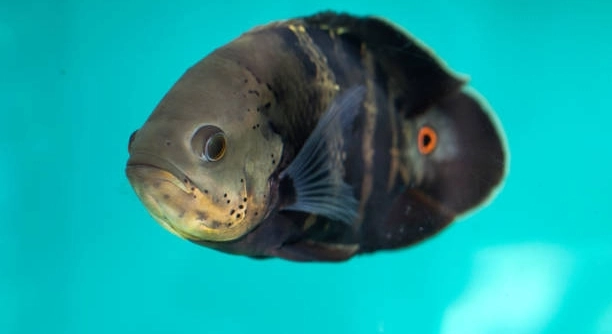
Oscar fish are known for their bold personalities, making them a popular choice for aquarium enthusiasts. They are not just decorative; their behaviors can show various emotions. Some pet owners wonder if Oscar fish can express affection toward their owners.
While Oscar fish do not show affection in the same way mammals do, they may exhibit behaviors that suggest trust and attachment. These fish may recognize their owners and respond positively to feeding or interaction, but this should not be confused with true emotional bonding.
These behaviors may provide insight into their unique way of relating to humans. Understanding how Oscar fish communicate can help you better care for your pet and recognize the signals they send.
How Oscar Fish Recognize Their Owners
Oscar fish are known to have sharp memory and keen vision, which helps them recognize their owners. Over time, they may begin to associate the person who feeds them with positive experiences. If you feed your Oscar regularly, it may start to approach the tank when it sees you. This behavior suggests recognition and familiarity, although it’s not the same as affection.
It’s common to see Oscar fish responding to their owners’ presence with enthusiasm. They might swim around the tank, follow your finger, or even beg for food. These actions, while not necessarily emotional bonding, reflect their ability to distinguish you from others.
Oscar fish can also show signs of trust. They may swim near the surface of the tank when they feel comfortable, or allow you to get closer without darting away. While their recognition of you is based more on routine than affection, it’s still a sign of their connection to their environment and the people who care for them.
Can Oscar Fish Form Bonds?
Oscar fish do not form emotional bonds like some other pets, but they do develop a sense of security. Their behavior around their owners can reflect a comfort level that builds over time. Understanding this pattern is key to interpreting their actions.
While Oscars may not show affection in a traditional sense, they will often associate you with feeding times. This repeated interaction can create a sense of routine that brings the fish closer to you. In many cases, Oscars will begin to recognize the person who feeds them and may respond positively when that person approaches the tank.
Some Oscar owners report their fish displaying curious behaviors. For example, they may swim to the tank’s front when they see a familiar face. This kind of recognition shows that the fish understand who provides for them, and though it’s not the same as affection, it does indicate that they notice their owners and feel comfortable around them.
Oscar Fish and Their Social Behavior
Oscar fish are territorial, and their behavior can be a mix of both aggressive and passive depending on the situation. When they are comfortable in their environment, they may interact with other fish or their owners, but this is often influenced by the layout of their tank and their level of comfort.
In a tank with multiple Oscar fish, you may notice occasional disputes, especially over territory. This is a natural instinct and not a sign of affection. However, Oscars can learn to coexist peacefully if they have enough space. They also tend to exhibit behaviors like swimming together or following each other, indicating a level of comfort in their surroundings. While it’s not the same as forming a bond, these actions show that they are at ease with their environment.
Oscar fish also respond to changes in their environment. A familiar owner can provide a sense of security, but if the tank setup changes, such as adding new décor or other fish, Oscars might become stressed. Over time, they may become accustomed to the changes and feel more secure again. This behavior suggests a level of attachment to their environment, which can extend to their owners in the form of recognition and routine.
Do Oscar Fish Enjoy Interaction?
Oscar fish are curious creatures and may respond positively to interactions with their owners. They can be drawn to the movement of a person near the tank and often follow fingers or faces. This type of behavior shows that they are aware of their surroundings and can recognize individuals, but it’s not based on affection.
The amount of interaction Oscar fish enjoy can vary based on their personality and the level of trust they’ve built with their owners. Some Oscars may actively engage, swimming to the front of the tank when they sense someone approaching. Others may prefer to keep their distance, displaying more reserved behavior. This variability in interaction can also be influenced by factors like water quality, tank size, and whether the fish are kept alone or with other tank mates.
In some cases, Oscars have been observed responding to their owners’ voices or actions outside of feeding times. While this may appear as affectionate behavior, it’s typically a form of recognition and curiosity. Oscars may not seek interaction like a dog or cat, but their responses to humans suggest that they can form familiar associations with the people who care for them.
How Oscar Fish Show Trust
Oscar fish can display trust through their behavior, especially when they allow you to approach or interact with them without becoming scared. When they feel safe, they are less likely to dart away when you get close to the tank.
Their comfort level is often a result of regular interaction and a stable environment. As they become familiar with their owners, they may exhibit less defensive behavior. This can be a sign of trust, even though it’s different from the emotional bonds seen in mammals. Oscars may also trust their owners enough to let them feed them directly from their hands.
In addition to feeding, Oscar fish may swim near the front of the tank when they sense your presence. This suggests that they are comfortable in their surroundings and can distinguish between different people. Over time, Oscars may begin to associate certain actions or routines with their owners, which is a sign of trust. Although it’s not affectionate behavior, it shows their comfort level in their environment.
Recognizing Routine
Oscar fish are creatures of habit. They quickly learn the routine of feeding and other interactions with their owners. Once they get used to these patterns, they may show anticipation when it’s time for feeding.
Oscars often respond positively to a consistent feeding schedule. When they know it’s time to eat, they may swim to the front of the tank or exhibit excitement. This recognition is a sign that they are aware of their environment and have become familiar with the daily routines. It’s not affection but a form of positive reinforcement that encourages further interaction.
Physical Signs of Oscar Fish Comfort
Oscar fish will often show physical signs of comfort by relaxing their body posture. When they feel secure, they may stop swimming erratically and instead move slowly around the tank. They might also stay near the top or middle of the tank, where they feel safer.
FAQ
Do Oscar fish bond with their owners?
Oscar fish do not bond with their owners in the same way as dogs or cats. However, they can recognize their owners over time. This recognition comes from their ability to associate feeding times and interactions with familiar people. Although they may approach their owner when they see them, this is more about routine and familiarity rather than emotional bonding. Oscars are intelligent and can form habits, which is why they may seem to “remember” the person who feeds them. This behavior suggests a form of comfort, not affection.
How do Oscar fish show affection?
Oscar fish do not show affection the way mammals do, but they can exhibit behaviors that might seem affectionate. For example, they may follow their owner’s finger along the tank or swim toward the front when they see someone approaching. These actions are more about recognition than a true emotional connection. Oscars are naturally curious and may approach their owners out of interest or the expectation of food. They can show comfort by not fleeing from their owners, but it’s important to remember this is based on their environment and routine.
Can Oscar fish get attached to their tank?
Yes, Oscar fish can become attached to their tank environment. They may form preferences for certain spots in the tank where they feel safe. A comfortable and stable tank setup can encourage Oscars to settle into familiar patterns, and they may return to specific areas when they feel secure. While this attachment is not emotional, it does show that the fish feel more at ease in their familiar space. Changes to the tank, like moving decorations or adding new fish, can cause stress until they adjust to the new setup.
How can I tell if my Oscar fish trusts me?
Oscar fish show trust through their behavior. When they allow you to approach their tank without darting away, it’s a sign of trust. If they follow your finger around the tank or swim toward you when they recognize your presence, that shows familiarity. They may even accept food directly from your hand, which indicates a level of comfort and trust. However, it’s important to note that their trust is not the same as affection; it’s more about the fish feeling safe and secure in its environment.
Do Oscar fish enjoy being petted?
Oscar fish do not enjoy being petted in the way that some pets do, like cats or dogs. While they may tolerate a hand near the tank, they do not have the same sensory responses as mammals. Their behavior towards hands in the tank often revolves around curiosity or the expectation of food. Some Oscar owners may gently pet their fish, but it’s not something that they actively seek out. It’s crucial to handle Oscar fish with care if you attempt to touch them, as they can become stressed by such interactions.
Why does my Oscar fish stare at me?
Oscar fish may stare at their owners as a sign of curiosity or recognition. This behavior is often linked to their association of a person with feeding time or other interactions. The stare is not an act of affection, but rather an acknowledgment of your presence. Oscars are intelligent and can remember their owners. When they stare, they might be waiting for food, wondering if something is coming their way, or simply observing you. This can also be a sign that the fish is comfortable in its environment.
How do I know if my Oscar fish is stressed?
Oscar fish show signs of stress through changes in behavior or physical appearance. If your fish is constantly hiding, swimming erratically, or refusing to eat, it could be stressed. Stress can also cause them to lose their appetite or develop dull coloring. Changes in tank conditions, like water quality or temperature, can be sources of stress. If you notice these signs, it’s important to check the tank’s conditions and ensure the environment is suitable for the Oscar. Stress can also cause Oscars to become more aggressive or withdrawn, affecting their overall health.
Do Oscar fish need to interact with other fish?
Oscar fish do not need to interact with other fish to thrive, but they can live with other fish if their tank conditions are suitable. Oscars are known to be territorial and can be aggressive, especially in smaller tanks or when competing for food. It’s essential to carefully consider tank mates if you want to keep them with other fish. Compatible fish should be large enough to handle the Oscar’s aggression and should not be overly passive. However, Oscars are perfectly capable of living alone, and some owners prefer to keep them in single-species tanks.
What should I do if my Oscar fish isn’t eating?
If your Oscar fish is not eating, the first thing to check is the water quality. Poor water conditions can cause loss of appetite and stress. Make sure the tank is clean, the temperature is correct, and the pH levels are appropriate. Additionally, examine the type of food you’re offering. Oscars can be picky eaters, so it might help to try offering different types of food, such as live or frozen food. If the lack of eating persists, it could indicate a health issue, and consulting a vet or fish expert might be necessary.
Can I train my Oscar fish?
While you can’t train your Oscar fish like a dog, they can learn certain behaviors over time. Oscars are intelligent and can be taught to recognize feeding times or respond to certain cues, like the appearance of your hand near the tank. They may also associate certain actions with rewards, like food. This type of training is more about creating a routine and positive reinforcement rather than teaching them commands. They won’t perform tricks, but with patience, they can learn to anticipate feeding and interact with their environment in predictable ways.
Do Oscar fish need a lot of space?
Yes, Oscar fish need plenty of space to thrive. They grow large, reaching up to 12-14 inches in length, and require a tank that can accommodate their size and behavior. A minimum of a 75-gallon tank is recommended for one Oscar fish. Without enough space, Oscars can become stressed, which can lead to aggression or other health issues. A larger tank also provides room for decorations, hiding spots, and other elements that help reduce stress. Ensuring your Oscar has adequate space is crucial for its well-being.
How can I keep my Oscar fish healthy?
Keeping your Oscar fish healthy involves maintaining optimal water conditions and a balanced diet. Regular water changes, proper filtration, and monitoring the tank’s temperature and pH levels are essential. Oscars need a varied diet, including high-quality pellets, live, or frozen food to stay healthy. It’s also important to avoid overcrowding the tank and ensure it has enough space for the Oscar to swim comfortably. Regularly check for any signs of illness, such as changes in behavior, loss of appetite, or unusual spots on the skin.
Final Thoughts
Oscar fish are fascinating creatures, known for their intelligence and striking appearance. While they may not show affection in the same way as traditional pets, they can form familiar routines with their owners. They may recognize their caregivers, swim toward them, or even wait at the front of the tank during feeding time. These behaviors often reflect their comfort and familiarity with their environment, not emotional attachment. Understanding this distinction is key to managing expectations when caring for an Oscar fish.
It’s also important to keep in mind the needs of an Oscar fish. They require a large tank to thrive, as they grow quite big. A 75-gallon tank is the minimum recommended size for one fish. The tank should be kept clean, with stable water conditions, including the proper temperature and pH. Regular maintenance is necessary to ensure their health. A varied diet, including high-quality pellets and occasional live or frozen food, will help keep your Oscar fish healthy and active. If you notice any behavioral changes, like refusing to eat or becoming unusually aggressive, it could indicate stress or illness.
While Oscars can live alone or with carefully chosen tank mates, they are not as interactive or affectionate as pets like dogs or cats. However, their fascinating behaviors and ability to recognize their owners make them unique additions to any home aquarium. With proper care and attention, Oscar fish can live long, healthy lives. Understanding their needs and behavior will ensure that you provide the best environment for them. Their independence and intriguing nature can make them a rewarding species to keep, even if they don’t offer the same kind of affection we expect from other animals.

Hello,
If you enjoy the content that we create, please consider saying a "Thank You!" by leaving a tip.
Every little bit helps us continue crafting quality advice that supports the health, happiness, and well-being of pets around the world, for pets of all shapes, sizes, and species.
We really appreciate the kindness and support that you show us!