
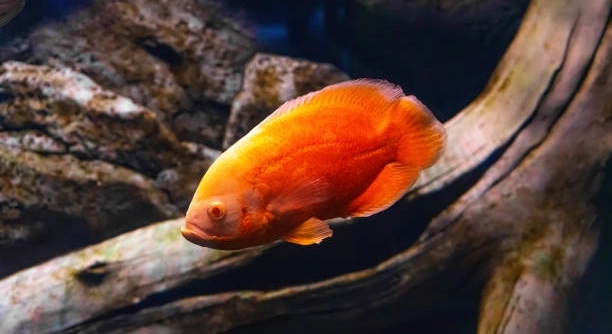
Oscar fish are fascinating creatures, known for their striking colors and personalities. When properly cared for, they can thrive in your aquarium and show signs of happiness. These indicators can help ensure your fish is content and healthy.
A happy Oscar fish will exhibit active swimming, healthy eating habits, and engaging behavior such as approaching its owner. Clear, bright eyes and vibrant coloration are also strong indicators of a well-maintained environment and good health.
Recognizing these signs can help you ensure your Oscar fish remains healthy and content in its tank. Keep reading to learn more!
Active Swimming and Exploration
A happy Oscar fish is usually active, swimming around the tank with ease. You’ll notice it moving with purpose rather than floating aimlessly. Oscars enjoy exploring their environment, darting between decorations, plants, and open spaces. This kind of movement shows that your fish is comfortable and feels safe in its habitat.
Fish that swim actively are also likely to have a higher level of energy, which is a good indicator of health. If your Oscar appears lethargic, hiding in corners or at the bottom of the tank, it might be stressed or unwell. Providing ample space and stimulation, like toys or different tank layouts, can help your Oscar stay active.
Watching your Oscar swim energetically can be very rewarding, especially when you see it zooming around with confidence. If your Oscar is swimming around more than resting, it’s a sign it’s in a good mood. Ensuring there are plenty of places to explore will keep your Oscar happy and engaged.
Healthy Eating Habits
Your Oscar’s eating habits are another key sign of happiness. A healthy Oscar will readily accept food and eat enthusiastically. Oscars are known for their hearty appetites, so if your fish is eager at feeding time, it’s a good sign.
Healthy eating habits mean your Oscar is well-adjusted to its environment. If it suddenly loses interest in food or only eats sparingly, it could indicate stress, illness, or improper water conditions. It’s essential to maintain a consistent feeding schedule and offer a variety of food. This not only keeps your fish happy but also promotes good health.
A balanced diet for your Oscar is important for its overall well-being. If you notice any changes in eating behavior, it’s worth investigating. Healthy, active fish will have a strong appetite and show visible excitement during feeding times.
Bright Eyes and Vibrant Coloration
Oscar fish are known for their vibrant colors, and a happy Oscar will show them off proudly. Bright, clear eyes and colorful scales indicate that your fish is healthy and content. Dull or cloudy eyes, on the other hand, might signal that your fish is feeling stressed or unwell.
Maintaining clean water and a well-kept tank will help your Oscar retain its vibrant colors. If the water is too dirty or not properly filtered, your Oscar may show signs of irritation and its colors may fade. This is why it’s essential to monitor water quality and ensure that your tank is properly maintained. In turn, your Oscar’s appearance will reflect the quality of its environment.
Color changes may also occur as your Oscar matures. However, it’s important to note that drastic color fading or dullness can be a sign of an underlying issue. Always keep an eye out for changes in color to ensure your Oscar stays in top shape.
Engaging Behavior
A happy Oscar fish is interactive and shows interest in its surroundings, especially when it sees its owner. If your Oscar approaches you when you’re near the tank or follows your finger with its eyes, it’s a good sign of trust and affection. Engaging behavior is often seen when Oscars feel secure in their environment.
This type of interaction is an indicator of a well-adjusted fish. If your Oscar regularly engages with you and other fish, it’s likely that it’s living in a stable and comfortable tank. Engaging behavior shows that your Oscar feels safe and isn’t stressed by changes in its environment.
When Oscars are happy, they display playful and curious behaviors like exploring new objects in the tank or interacting with tank mates. Ensuring your Oscar’s environment is stimulating will encourage these positive behaviors. If your fish seems disinterested or afraid of its surroundings, it might be an indication that something needs adjustment.
Clear Water and Healthy Tank Environment
Clear water is essential for keeping your Oscar fish happy. A well-maintained tank with proper filtration ensures the water stays clean and free of harmful toxins. Dirty water can cause stress, leading to health issues.
Oscar fish are highly sensitive to poor water conditions, which can result in faded colors, lethargy, or even illness. Regular water changes, along with proper filtration, will help keep your tank in top shape. Make sure to check the water parameters, including pH, temperature, and ammonia levels, to ensure they meet the needs of your fish.
A happy Oscar requires a healthy environment, free from debris or chemicals that could affect its well-being. Providing a stable tank environment will help your fish feel safe and content, reducing stress and promoting active behavior. Regular tank maintenance is key to keeping your Oscar in good health.
Tankmates and Social Interactions
Oscar fish are known for their territorial nature, but they can also thrive with certain tankmates. When your Oscar is happy, it will interact positively with compatible fish, showing minimal aggression. The right tankmates can contribute to a peaceful environment.
However, not all fish are suitable for sharing a tank with an Oscar. Oscars can become territorial or aggressive toward smaller, less active fish, especially during feeding times. It’s important to choose tankmates that are strong enough to withstand any aggression and provide enough space for each fish to establish its territory. Monitor their interactions to ensure they don’t become overly aggressive toward each other.
When choosing tankmates, consider the size and temperament of potential fish. Larger, more robust species tend to coexist better with Oscars. Always introduce new tankmates carefully and watch for signs of stress or aggression to maintain a balanced tank environment.
Proper Feeding Schedule
Maintaining a consistent feeding schedule is important for your Oscar’s happiness. Regular feeding times help your fish feel secure and expect food at certain times each day. Overfeeding or irregular feeding can lead to stress.
Oscar fish thrive on a varied diet, which includes a mix of pellets, live food, and occasional treats. Offering food at the same time each day creates a routine that helps your Oscar feel at ease. However, avoid overfeeding, as it can cause health problems like bloating or water quality issues.
A stable feeding routine will also help you keep track of your fish’s appetite. If it suddenly stops eating or shows disinterest, it could be a sign of stress or illness.
Proper Tank Size
A spacious tank is crucial for your Oscar’s happiness. Oscars are large, active fish that need plenty of room to swim. A cramped tank will stress your fish, impacting its health and behavior.
The minimum recommended tank size for an Oscar fish is 55 gallons, but a larger tank will be even better. Providing extra space allows your fish to move freely, explore its environment, and engage in natural behaviors. It also helps maintain stable water conditions, which is important for your fish’s well-being.
Tank Decoration and Hiding Spots
Adding decorations and hiding spots to your Oscar’s tank provides it with a sense of security. Oscars appreciate having places to retreat when they feel stressed or need a break from other fish.
Including rocks, plants, or caves in the tank can create a more stimulating environment. These additions encourage natural behaviors, such as exploring and hiding. It’s important to ensure these decorations are smooth and free from sharp edges to avoid injury to your fish.
FAQ
How do I know if my Oscar fish is stressed?
Stress in an Oscar fish can show in several ways. Common signs include lethargy, loss of appetite, hiding in corners, or sudden aggression. If your Oscar is unusually aggressive or constantly pacing along the tank, it could be stressed due to water quality, tankmates, or lack of space. Other signs include faded colors, unresponsiveness, or excessive rubbing against objects in the tank. Monitoring water conditions and ensuring the tank environment is calm can help prevent stress.
Why is my Oscar fish hiding all the time?
Oscars may hide when they feel threatened or stressed. If your fish is hiding more than usual, it could be reacting to a change in its environment, like new tankmates or poor water quality. Hiding can also occur if the Oscar is sick or not feeling well. Ensure the tank has enough hiding spots for your fish to retreat to when it needs space. However, if hiding becomes excessive or sudden, it might indicate an issue that needs attention.
Can Oscars live with other fish?
Oscars can live with other fish, but they are territorial and can be aggressive. It’s essential to choose compatible tankmates. Larger, robust fish that can handle aggression, like other large cichlids or certain catfish species, are better suited for sharing a tank with an Oscar. Smaller, peaceful fish are likely to get stressed or even become prey to the Oscar. Keep an eye on the behavior of your fish to prevent conflicts. The tank should also be large enough to give each fish its own space.
What should I feed my Oscar fish?
Oscar fish are omnivores and require a varied diet. A healthy mix of high-quality pellets, live food (like worms or shrimp), and occasional treats like freeze-dried foods will keep your fish healthy. It’s important to feed them a balanced diet that includes both protein and vegetable matter. Be careful not to overfeed, as Oscars are prone to overeating, which can lead to health issues. A good rule of thumb is to feed them once or twice a day, offering only as much food as they can eat in a few minutes.
How often should I clean my Oscar’s tank?
Oscars produce a lot of waste, so regular tank maintenance is necessary to keep the water quality high. It’s recommended to do partial water changes of 25-30% every week. Additionally, make sure to clean the substrate, filter, and decorations regularly. Monitoring water parameters like ammonia, nitrites, and nitrates can help ensure the tank stays in good condition. A clean tank promotes a healthy environment for your Oscar, reducing stress and preventing illness.
What is the best temperature for my Oscar fish?
Oscar fish thrive in water temperatures between 75°F and 80°F (24°C to 27°C). Keeping the tank within this range will help your fish stay comfortable and active. Water that is too cold can cause the fish to become sluggish, while water that’s too warm may stress them. Use a reliable aquarium heater and thermometer to maintain a consistent temperature. Regularly check the water to ensure it stays within the ideal range.
Why is my Oscar fish losing its color?
Loss of color in an Oscar fish can be a sign of stress, illness, or poor water quality. Oscars are known for their bright, vibrant colors, so any dullness or fading is a red flag. Stress, such as territorial disputes or changes in the environment, can cause your fish to lose its color. Poor water conditions, like high ammonia levels or fluctuating temperatures, can also impact pigmentation. Make sure the tank is well-maintained, with clean water and a stable environment.
How big do Oscar fish get?
Oscar fish can grow quite large, typically reaching 12-14 inches (30-35 cm) in length, though some may grow even bigger. This makes them a significant fish to care for, requiring a large tank to accommodate their size. When they are young, Oscars may seem manageable, but as they mature, they need plenty of swimming space and room to grow. Providing a spacious tank, ideally 55 gallons or more, will ensure your Oscar stays healthy and comfortable.
Can Oscar fish live in a small tank?
While young Oscar fish can be kept in a smaller tank, they will outgrow it quickly. Oscars are large fish that need plenty of space to thrive. A minimum tank size of 55 gallons is required for one Oscar, with larger tanks recommended if you plan to keep more than one. A cramped tank can lead to stress and health problems for your Oscar. It’s important to provide them with a proper-sized tank to allow for natural swimming behaviors and a more stable environment.
How do I tell if my Oscar fish is sick?
Sick Oscar fish may display several symptoms, including unusual swimming patterns, loss of appetite, faded colors, or visible lesions. If your Oscar is rubbing against objects in the tank, has cloudy eyes, or is lethargic, it may be unwell. Pay close attention to changes in behavior, as early detection of illness is key to proper treatment. If you suspect your fish is sick, check the water quality and consider isolating the affected fish to prevent the spread of disease.
Why is my Oscar fish swimming at the top of the tank?
If your Oscar is constantly swimming at the top of the tank, it could be a sign of several issues. It may be searching for food or oxygen, or it could be a response to poor water quality. A lack of oxygen in the tank can cause Oscars to swim at the surface, gasping for air. Ensure your tank has adequate aeration and filtration. If the issue persists, test the water for harmful toxins like ammonia or nitrites, as high levels of these can affect your fish’s behavior.
How long do Oscar fish live?
Oscar fish typically live between 10-15 years when properly cared for. Some may live even longer with optimal conditions. To ensure your Oscar reaches its full lifespan, maintain a clean tank, provide a proper diet, and monitor water quality regularly. Oscars are hardy fish, but consistent care is essential to their longevity.
Final Thoughts
Caring for an Oscar fish can be both rewarding and challenging. These fish are known for their intelligence and personality, but they also require specific conditions to thrive. By providing them with a spacious tank, proper water conditions, and a balanced diet, you can help ensure they live a long and healthy life. Regular tank maintenance is key to keeping them happy, as Oscars are sensitive to poor water quality. It’s important to keep an eye on their behavior and environment to prevent stress or illness.
Understanding your Oscar’s behavior is crucial. They can be very interactive and even form bonds with their owners, but they can also be territorial and aggressive. It’s important to create a tank setup that gives your fish enough space and hiding spots. This can help prevent aggression, especially when you have multiple fish in the same tank. Additionally, knowing the signs of stress or illness can help you address any issues early, ensuring your Oscar remains healthy. Regular water changes, monitoring water parameters, and keeping the tank clean are all important steps in maintaining a stress-free environment for your Oscar.
Overall, keeping an Oscar fish can be a great experience for those willing to commit to their care. They’re hardy and long-lived fish, but they do require attention to their environment, diet, and health. If you’re new to keeping Oscars, take the time to learn about their needs and behaviors. With the right care and attention, your Oscar can become a beloved part of your aquarium for many years to come.

Hello,
If you enjoy the content that we create, please consider saying a "Thank You!" by leaving a tip.
Every little bit helps us continue crafting quality advice that supports the health, happiness, and well-being of pets around the world, for pets of all shapes, sizes, and species.
We really appreciate the kindness and support that you show us!