
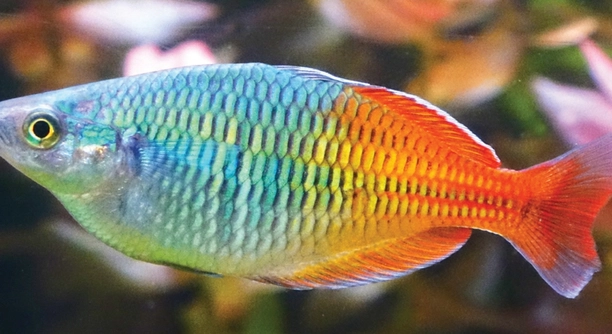
Rainbow fish are known for their vibrant colors and lively movements, but sometimes they may display behavior that seems out of the ordinary. Understanding these moments can help ensure your fish remain healthy and happy in their environment.
Rainbow fish may appear disoriented due to several factors, including water quality issues, temperature fluctuations, overcrowding, or inadequate lighting. Stress from changes in the tank environment can also cause disorientation, leading to erratic swimming patterns or lethargy.
These key factors contribute to the well-being of your rainbow fish, and understanding them will help you maintain a stable and comfortable aquarium for them.
Water Quality and Its Impact
Poor water quality is one of the most common reasons for disorientation in rainbow fish. High levels of ammonia, nitrites, or nitrates can cause stress and disorientation. Even minor imbalances in the water can affect their behavior. To maintain healthy water conditions, regularly test for these harmful substances. The pH level and hardness should also be monitored, as drastic shifts can overwhelm your fish.
Frequent water changes and the use of a reliable filtration system will help create a stable environment. Ensuring the water remains clear and clean is crucial for your rainbow fish’s well-being. Without clean water, even the hardiest fish may struggle to stay healthy.
Rainbow fish are particularly sensitive to poor water quality because they are native to regions with specific water conditions. When the water parameters are off, it can disrupt their normal activity, causing erratic swimming patterns or even lethargy. To avoid this, make water changes regularly and monitor levels closely. Healthy fish thrive in clean, stable environments, leading to less stress and more consistent behavior.
Tank Size and Overcrowding
Rainbow fish can become disoriented if their tank is too small or overcrowded. Fish need enough space to swim freely and establish territory.
A larger tank helps maintain good water quality and provides your rainbow fish with ample room to swim without stress. Overcrowding can lead to territorial disputes, further stressing the fish.
Temperature Fluctuations
Sudden changes in water temperature can cause rainbow fish to become disoriented. These fish are sensitive to temperature shifts, and even slight variations can affect their behavior.
Maintaining a consistent water temperature is vital. It is recommended to keep the tank at a steady range between 72°F and 78°F (22°C to 25°C). Use a reliable aquarium heater and thermometer to monitor and adjust the water as needed. When the temperature fluctuates too much, rainbow fish may swim erratically or appear lethargic.
If your tank’s temperature is unstable, it can cause stress and weaken your fish’s immune system. This increases their vulnerability to illness, leading to further behavioral issues. Ensuring a stable and suitable temperature helps maintain their health and reduces the chances of disorientation.
Lighting and its Role
Rainbow fish can also become confused or disoriented due to improper lighting. Too much light or too little can negatively affect their behavior.
It’s essential to provide your fish with a consistent light cycle. Typically, rainbow fish thrive with 10 to 12 hours of light each day, followed by a period of darkness. This simulates natural day-night cycles and helps them maintain a sense of normalcy. Excessive light can stress fish and lead to erratic behavior. Too little light can result in lethargy and poor feeding habits.
Adding a light timer can help regulate their day and night cycle, giving them the best conditions for healthy, natural behaviors. A stable lighting system promotes their well-being and reduces disorientation caused by irregular light conditions.
Tank Mates and Social Stress
Aggressive or overly dominant tank mates can cause stress for rainbow fish, leading to disorientation. Rainbow fish are peaceful and can become unsettled if constantly harassed.
Choosing compatible tank mates is important. Avoid aggressive species that may bully or chase your rainbow fish. Keep the fish in groups of six or more to reduce stress and give them a sense of security.
Diet and Feeding
A poor or imbalanced diet can cause disorientation in rainbow fish. Feeding them a varied diet of high-quality flakes, pellets, and live or frozen foods promotes health and prevents malnutrition.
When their nutritional needs are not met, rainbow fish may show signs of weakness, lethargy, or erratic swimming. Regularly feed them small portions to avoid overfeeding, which can pollute the water and lead to further issues.
FAQ
Why do rainbow fish swim in circles?
Rainbow fish may swim in circles due to stress or disorientation. This can happen if their environment isn’t ideal, such as poor water quality, fluctuating temperatures, or overcrowding. They might also swim in circles when they are anxious or feel threatened by aggressive tank mates. Ensuring a stable environment, proper water conditions, and peace in the tank can help resolve this behavior.
How can I prevent my rainbow fish from getting stressed?
To prevent stress, focus on maintaining optimal water quality, a consistent temperature, and proper tank size. Avoid overcrowding and choose peaceful tank mates. Feed them a balanced diet and provide them with hiding spots to make them feel secure. Keeping the aquarium clean and free from toxins will also help.
What can cause my rainbow fish to lose color?
Changes in water parameters, poor diet, and stress can cause rainbow fish to lose their vibrant colors. If the water quality is off or the temperature is unstable, the fish may become stressed and their colors may fade. A lack of nutrients, especially carotenoids and other essential vitamins, can also result in a loss of color. Regular water changes, a balanced diet, and stable tank conditions are key to maintaining their bright appearance.
How do I know if my rainbow fish is sick?
Signs of illness in rainbow fish include lethargy, loss of appetite, irregular swimming patterns, and faded colors. You might also notice unusual growths, lesions, or difficulty breathing. If these symptoms appear, check the water conditions immediately and isolate the sick fish if necessary. If symptoms persist, consider consulting an aquarium professional for proper treatment.
Can rainbow fish live with other species?
Yes, rainbow fish are peaceful and generally do well with other non-aggressive species. However, it’s important to avoid pairing them with overly aggressive fish that may bully them. Suitable tank mates include peaceful tetras, corydoras catfish, and small gouramis. Always ensure the tank is large enough to accommodate multiple species comfortably.
Do rainbow fish need a lot of swimming space?
Rainbow fish are active swimmers and benefit from having ample space. A larger tank with plenty of open swimming areas allows them to move freely and reduces stress. A tank of at least 30 gallons is recommended for a small group. Providing plants and decorations can help create a natural environment without crowding their space.
What is the ideal temperature for rainbow fish?
Rainbow fish thrive in temperatures ranging from 72°F to 78°F (22°C to 25°C). Maintaining a stable temperature is crucial for their health. Fluctuations outside this range can cause stress and disorientation. Use an aquarium heater and thermometer to ensure the water stays within the desired range, particularly if your tank is in a room with temperature changes.
How often should I clean the tank for rainbow fish?
Regular tank maintenance is essential for keeping rainbow fish healthy. Perform partial water changes (about 25-30%) every 1-2 weeks. Test the water quality frequently to ensure ammonia, nitrites, and nitrates are within safe levels. Clean the substrate, filter, and any decorations when needed to remove excess waste.
Can rainbow fish be kept with plants?
Yes, rainbow fish can be kept with live plants. They enjoy swimming around plants, which also help maintain water quality by absorbing nutrients. However, some plants might be damaged if the fish are too active, so choose plants that are hardy and can tolerate some movement. Plants like Java Fern and Anubias work well in a rainbow fish tank.
Why is my rainbow fish hiding all the time?
If your rainbow fish is hiding frequently, it could be a sign of stress or illness. They may be feeling threatened by more dominant tank mates or reacting to poor water quality. Ensure the tank is peaceful, with enough hiding spots for the fish to feel secure. If the behavior continues, check for other symptoms of illness.
How can I encourage my rainbow fish to breed?
To encourage breeding, replicate their natural environment. Provide a separate breeding tank with soft, slightly acidic water, and ensure the temperature is slightly higher, around 80°F (27°C). Offering a varied diet with live or frozen foods can also stimulate breeding behavior. Make sure there are plenty of plants or other surfaces for the eggs to stick to.
Final Thoughts
Maintaining a healthy environment for your rainbow fish is key to ensuring they thrive. Monitoring water quality, temperature, and tank conditions will help reduce stress and keep your fish active and healthy. Regular maintenance, including water changes and cleaning, will prevent issues from developing. It’s important to provide enough space for your fish to swim freely and to avoid overcrowding. Choosing compatible tank mates also plays a significant role in preventing aggression and promoting a peaceful tank atmosphere.
Feeding your rainbow fish a balanced diet is equally important. Their diet should include high-quality flakes, pellets, and occasional live or frozen foods to meet all their nutritional needs. A varied diet supports their immune system, ensuring they remain strong and less prone to illness. Overfeeding should be avoided, as it can lead to water quality issues and stress. Keeping a consistent feeding schedule and offering small portions will help maintain a clean and healthy tank environment.
By paying attention to factors like water conditions, diet, and tank size, you will provide a stable and secure environment for your rainbow fish. Keeping their needs in mind will allow them to swim freely, display vibrant colors, and live a long, healthy life. With proper care, your rainbow fish will adapt to their surroundings and become a beautiful addition to your aquarium. Regular checks on their well-being will ensure they remain in top condition, giving you a thriving tank for years to come.

Hello,
If you enjoy the content that we create, please consider saying a "Thank You!" by leaving a tip.
Every little bit helps us continue crafting quality advice that supports the health, happiness, and well-being of pets around the world, for pets of all shapes, sizes, and species.
We really appreciate the kindness and support that you show us!